
Bulk Stevia Extract Powder Meets Growing Demand for Plant-Based Sweeteners
Sep 22, 2026
The global shift away from refined sugar has created a surge in demand for clean-label, zero-calorie alternatives — and Stevia Extract Powder sits at the center of that shift. Derived from the leaves of Stevia rebaudiana Bertoni, this plant-based sweetener delivers 200 to 400 times the sweetness of sucrose without contributing a single calorie. For food manufacturers, supplement brands, and cosmetic formulators navigating today's health-driven marketplace, understanding what bulk stevia extract powder offers — and how to source it strategically — is a genuine competitive advantage.
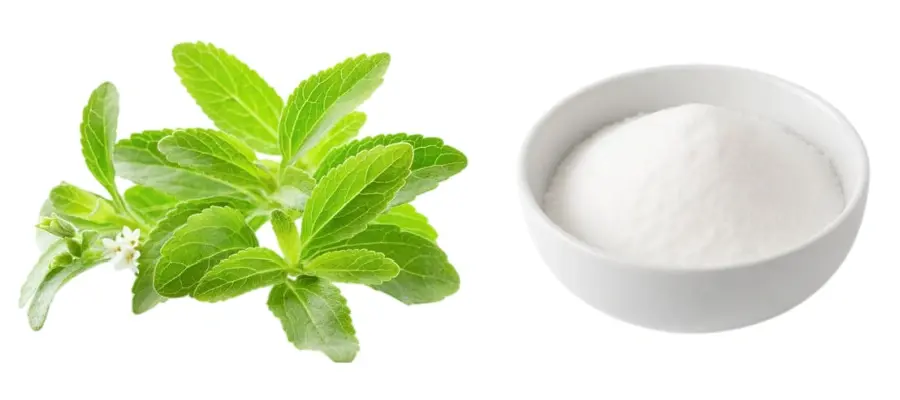
Understanding Bulk Stevia Extract Powder and Market Demand
Botanical Origins and Processing
Stevia rebaudiana is a shrub that grows spontaneously in Paraguay and Brazil every year. It's also grown for money in China, India, and Kenya. Most of its sweetness comes from Rebaudioside A (Reb A), Stevioside, Rebaudioside D, and Rebaudioside M. In professional extraction methods, the plant is soaked in water or ethanol, filtered through a membrane, and ion-exchange chromatography is used to get more than 95% Total Steviol Glycosides (TSG). Higher grades of stevioside, like Reb A (>98%) and Reb M, don't have the bitter, licorice-like aftertaste that has been linked to lower grades in the past.
Market Growth Backed by Data
The global market for stevia was worth USD 714.5 million in 2022, according to Grand View Research. It will keep growing at a rate of 8.2% per year until 2030. These groups- the FDA (GRAS status), the EFSA, and the WHO have all said that pure steviol glycosides are safe. In other words, bulk stevia extract is a safe and easy way to make sweets that can be used all over the world. It's a good choice for diabetic-friendly, keto-friendly, and low-calorie product lines because it doesn't raise blood sugar.
Comparative Analysis: Stevia Extract Powder vs. Other Sweeteners
People in charge of buying things see that the flavors are different, and those differences affect how the product is made and how much it costs. This is how bulk Stevia Extract Powder stacks up against other well-known brands:
- Stevia vs. Sucrose: Sucrose contributes 4 kcal/gram and triggers an insulin response. Stevia extract delivers equivalent or superior sweetness at a fraction of the use rate with zero caloric impact, making it indispensable for sugar-reduction reformulations without altering label claims.
- Stevia vs. Erythritol: Erythritol offers only 60–80% of sucrose's sweetness and is typically used in combination. Stevia's 200–400× potency allows lower inclusion rates dramatically, reducing shipping volume and cost per serving while maintaining consistent sweetness intensity.
- Stevia vs. Monk Fruit Extract: Both are plant-based and zero-calorie. However, stevia extract generally carries a lower price point at bulk volumes and benefits from a wider global regulatory approval profile, which matters for manufacturers targeting multiple export markets simultaneously.
- Stevia vs. Liquid Stevia Formats: Liquid stevia offers convenience at retail but presents shelf-life and microbial stability challenges at industrial scale. Bulk powder form maintains stability at ambient storage conditions, simplifies dosing precision, and integrates cleanly into dry-blend manufacturing lines.
These differences have an immediate impact on how to buy. It's always best to use powdered stevia with a high Reb A or Reb M purity when you don't have other options. This is especially true for drinks, baked goods, and dairy.
Strategic Procurement Considerations for Bulk Stevia Extract Powder
You need more than just a good price to get a lot of plant-based products for a business. When it comes to sustainable buying, quality, compliance, and supply consistency are all taken into account at the same level.
Key Quality and Certification Standards
Purchasing managers should give greater consideration to suppliers of Stevia Extract Powderthat hold ISO 22000, HACCP, Kosher, Halal, and USDA Organic certifications. Purity specifications for Stevia Extract Powder should be supported by third-party testing from recognized laboratories such as SGS or Eurofins, with a certificate of analysis (CoA) provided for each batch. A reliable supply agreement for Stevia Extract Powder should also clearly specify the total Steviol Glycoside content, maximum heavy metal limits, pesticide residue requirements, and moisture level. These details give buyers a clear basis for verifying the consistency, safety, and compliance of Stevia Extract Powder across different production batches.
Pricing, Bulk Discounts, and Logistics
Standard Rebate for business use: A 60% Rebate generally costs less and can be used in large amounts for drinks or baking. Blends like Reb A 98% or Reb M, on the other hand, cost more but are better for use in medicine or nutrition. Providers you can trust offer different prices and wait times. Buyers who want to sell in North America or Europe can do so more easily if their providers have stores in those places. This speeds up shipping and makes it easy to get through customs. Documents for exporting goods, such as phytosanitary permits, Bills of Lading, and letters of regulatory compliance, should always be provided.
How to Use Bulk Stevia Extract Powder in B2B Applications
Dosage and Formulation Guidance
There is a wide range of dosing that is specific to each use. Reb A ≥97% is often used in fizzy drinks at a weight of 0.02 to 0.05%. Heat-stable stevia glycosides can be used in baked goods up to 200°C. They can be mixed with other sweeteners or used instead of sugar. It tastes sweeter and more like sugar when Reb M or Reb D mixes are added to dairy products like flavored yogurt or protein drinks. People like this taste in blind tests. Researchers and developers can get help from suppliers who offer sample programs that are tailored to specific applications and help with co-creation.
There are clear signs of success when Stevia Extract Powder is used effectively across real-world supply chains. A medium-sized beverage company was reformulating a line of zero-sugar juices and reported that switching from liquid stevia to a consistent Reb A 98% powder reduced its raw material costs by 22% while also making the ingredient labels easier to understand. This example shows the potential benefits of using Stevia Extract Powder with consistent specifications and reliable sourcing. For beverage manufacturers, choosing a dependable supplier of Stevia Extract Powder can support more predictable formulation, cost control, and supply chain performance.
Future Trends and Market Outlook for Bulk Stevia Extract Powder
Because of changes in consumer habits, government rules, and chemical science, plant-based sweeteners with no calories are becoming more common. Reb D and Reb M are glycosides with a very clean sweetness profile. They can now be made at a low cost using enzyme bioconversion and fermentation technologies. It used to be hard to separate these glycosides. Stevia can now be used in more high-end goods because of this.
Making things more eco-friendly also changes how people buy them. More buyers want proof that raw materials came from certain growing areas. This is a sign of both ethical sourcing pledges and new ESG reporting requirements. This growing need can be met by suppliers who invest in farming and processing lines that are fully connected, from seed to export. Having long-term relationships with these types of providers lowers business risk because they offer stable prices and a steady supply of goods.
Conclusion
Bulk Stevia Extract Powder is one of the best ingredients that companies that make food, drinks, supplements, and skin care can buy right now. It is a key part of current reformulation because it doesn't add calories, works with clean labels, and makes the taste and smell better. To get the most out of it, you should work with a provider that knows a lot about plants, has strict quality control, and gives you real freedom over everything from shipping to specifications.
FAQ
Is bulk stevia extract powder safe for use in large-scale food production?
This is right. It has been agreed upon by the FDA, the EFSA, and the JECFA that purified steviol glycosides are GRAS. As a general rule, a person can't have more than 4 mg/kg of body weight all in one day. This level is almost never used in foods sold in stores.
How does stevia extract powder compare in cost to synthetic sweeteners like aspartame?
Stevia Extract Powder that is very pure costs about the same as artificial options per unit of sweetness. This is especially true when you think about how people like signs that say a product is made from natural ingredients. It's often a good idea for apps that care about price to buy in bulk because the price per kilogram goes down even more.
How do I identify a reliable wholesale supplier of organic stevia extract powder?
You can look at the supplier's ISO 22000, HACCP, Kosher, Halal, and USDA Organic certificates. You can also ask for batch-specific COAs and see if they offer export-ready paperwork and helpful technical support. If you want to know about quality and quantity, the best sources are usually well-known companies that grow and extract their own goods.
Partner With Yanxi Herbs — Your Trusted Stevia Extract Powder Manufacturer
Partner companies all over the world have been getting certified botanical ingredients from Yanxi Herbs since 2010. Our products are ISO 22000, HACCP, Kosher, and Halal-certified, and we are a recognized supplier of Stevia Extract Powder. There are also different grades of purity to pick from, and we store them in both the US and Europe. Feel free to email our team at info@yanxiherbs.com or visit yanxiherbs.com right now to get your product list, COA samples, and low bulk prices.
References
1. Grand View Research. (2023). Stevia Market Size, Share & Trends Analysis Report. Grand View Research.
2. Joint FAO/WHO Expert Committee on Food Additives (JECFA). (2008). Safety Evaluation of Certain Food Additives: Steviol Glycosides. WHO Food Additives Series, No. 60.
3. European Food Safety Authority (EFSA). (2010). Scientific Opinion on the Safety of Steviol Glycosides for the Proposed Uses as a Food Additive. EFSA Journal, 8(4), 1537.
4. Lemus-Mondaca, R., Vega-Gálvez, A., Zura-Bravo, L., & Ah-Hen, K. (2012). Stevia rebaudiana Bertoni, Source of a High-Potency Natural Sweetener. Food Chemistry, 132(3), 1121–1132.
5. Goyal, S. K., Samsher, & Goyal, R. K. (2010). Stevia (Stevia rebaudiana) a Bio-Sweetener: A Review. International Journal of Food Sciences and Nutrition, 61(1), 1–10.
6. Mordor Intelligence. (2023). Stevia Market — Growth, Trends, COVID-19 Impact, and Forecasts (2023–2028). Mordor Intelligence Research & Advisory.

Send Inquiry
Related Industry Knowledge
- How Does Freeze-dried Dragon Fruit Powder Improve Natural Color In Food Applications?
- How Can Purple Yam Powder Enhance Color and Texture in Food Product Development?
- Freeze-Dried Lemon Powder Helps Brands Develop Natural Citrus Products with Extended Storage Flexibility
- Food Grade Bulk Astaxanthin Powder For Skincare Antioxidant Supplements
_1787033972542.webp)