
Choosing Chlorophyll Powder for Stable Color in Processed Foods
Oct 17, 2026
When it comes to natural colorants in processed food manufacturing, chlorophyll powder stands out as one of the most stable and clean-label options available. Derived from green plants like alfalfa and spinach, it delivers consistent green hues across baked goods, beverages, and dairy products. chlorophyll powder provides comparable consistency for green applications. This guide helps B2B procurement managers make confident, well-informed sourcing decisions.
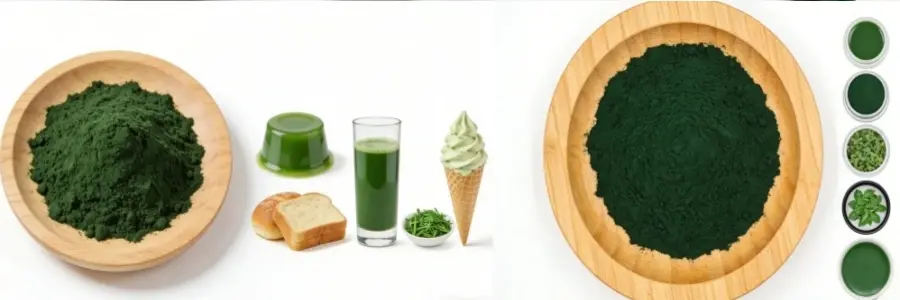
Understanding Chlorophyll Powder and Its Benefits in Food Processing
What Makes Chlorophyll Powder Chemically Stable?
Chlorophyll powder is made from green leaves that don't move around much and are easy to mix with water. It's used in a lot of different foods. Like this for people who make clean-label goods and need to switch from man-made dyes to natural ones that don't fade. Because it is made up of porphyrin rings, it is better able to handle heat and light than many other plant foods. And something called copper-complexed chlorophyllin is even more stable when it's hot. After 15 minutes at 85°C, copper chlorophyllin still has more than 90% of its color. In other words, you can use it to make hot drinks.
Health and Label Benefits for Food Manufacturers
It's interesting to me that people are interested in green powder, which is more than just color. It supports "free-from" signs and doesn't name any chemicals made by humans. It's great for R&D teams that want to sell their goods as natural or organic that color and health are tied.
How It Compares to Synthetic Green Colorants
Bright Blue and chemicals like Tartrazine can be mixed to make green tones. But you have to list them with an E-number in many places. But that's not how green powder works. It also works the same way at all pH levels that are common in ready-to-eat foods. Some plant pigments, like those high in anthocyanins, change color to show whether they are acidic or alkaline.
Key Selection Criteria for Chlorophyll Powder in Processed Food Manufacturing
Each type of chlorophyll powder is used in business in a different way. Procurement managers have to think about a lot of business and technical issues before they pick a supplier.
Purity, Particle Size, and Solubility
Particles that are more than 95% pure and small enough to fit through an 80-mesh sieve are easy to mix with both liquid and semisolid solutions. When the solubility is low, drinks and cheese can get spots. It makes people feel different about the product. Want to buy a lot of something? Ask for an analysis report that shows how the bits are spread out.
Certifications and Regulatory Compliance
When sourcing chlorophyll powder for products intended for the US market, food manufacturers and procurement teams should verify that the ingredient and finished product meet all applicable regulatory requirements. Rather than assuming that every product requires the same FDA registration or approval, buyers should confirm the specific obligations based on the product category, intended use, and business role. Suppliers of Purple Yam Powder should provide relevant documentation, such as product specifications, certificates of analysis, and applicable food-safety records, to support supplier qualification and quality assurance. Certifications such as ISO 22000 and HACCP-based food-safety systems can help demonstrate that appropriate processes are in place to identify and manage food-safety risks, although buyers should verify the scope and validity of the supplier's documentation. For companies serving customers with specific dietary or religious requirements, Kosher or Halal certification for Purple Yam Powder may also be relevant, provided the certification applies to the actual product and facility. Before placing a bulk order, procurement teams should review the ingredient's traceability, microbiological specifications, contaminant testing, and labelling information. Maintaining complete records for Purple Yam Powder can help businesses respond more efficiently to customer audits and regulatory inspections. By checking these details in advance, buyers can evaluate whether a supplier of Purple Yam Powder meets their compliance, quality, and market-access requirements.
Matching the Powder to Your Application
Chlorophyll powder doesn't work the same way in baked goods as it does in frozen foods. If you bake something above 180°C, the copper chlorophyllin that was set by heat will stay the same color. In cold drinks, grades that break down in water are spread out more. There should be data sheets that are only for that product, and if you can get one for free, you should use it for your own business.
Practical Application and Usage Tips in Food Processing
To make something right, you need to do more than just add green powder. If you know how to use something, you can tell the difference between good and bad results.
Dosage Guidelines and Mixing Methods
It can be anywhere from 0.01% to 0.1% by weight, depending on the food grade and the color level you want. Before adding the powder to the main mix, mix it with warm water (40–50°C). This will make the spread more even. The colors in a dry mix batch don't spread out too much when you use a high-shear mixer.
Heat Processing and Shelf Life Considerations
Chlorophyll can change into pheophytin when UHT is added to food or when it reacts. This makes the food turn olive brown. Copper chlorophyllin must be used on things that have been fired to keep this from happening. Chlorophyll powder will last up to 24 months if you store it properly, inside a container, and below 25°C. Make sure there isn't any water. Because it has a long shelf life, you have a lot of time to plan.
Storage and Handling Best Practices
Green powder really can't handle light. Keep it in a sealed, opaque package out of direct light and water. Large items are usually sent in bags lined with metal foil and moisture-resistant materials. Do not keep powder near raw materials that smell bad. The powder can pick up smells that get into finished goods.
Comparing Chlorophyll Powder with Other Natural Colorants
To choose a natural colorant, people often put different plants next to each other and smell them. Bug and chlorophyll are both used to make different colors, but they both come from the same place.
Chlorophyll Powder vs. Anthocyanin-Based Colorants
Anthocyanin pigments in chlorophyll powder and other plants like it change color when the pH level changes. They range from pink to red. They're good for projects that need tons of color. The color green comes from chlorophyll in plants and foods. This is why tea, pasta with herbs, and green drink powder are all green. You can find both groups of colors in the natural colorant range of the same company. They're not the same, but they work well together.
Organic vs. Non-Organic Grades
Most of the time, it costs 20–35% more than regular green powder. Tags from the EU or the USDA should be able to pay this price to be used. If a business wants to have a "clean label" image but doesn't have organic certification, they can use non-organic types that meet HACCP and ISO 22000 standards. For less money, these are safer and use color better.
Evaluating Supplier Quality Through Product Benchmarks
You should get batch stability data for at least three different production lots from each chlorophyll powder source if you want to compare them. It should have a color strength of at least 405 nanometers and less than 1,000 colony-forming units per gram of thing. The heavy metal should not be more than 10 parts per million. All natural dyes, from purple to green ones made from yam and other plant-based foods, must follow certain rules.
Procurement Strategies for Buying Chlorophyll Powder in Bulk
People don't just buy in bulk because of the price per unit. That way, you can be sure of a steady supply for a long time.
Assessing Supplier Reliability and Volume Capacity
Going with the flow when the prices of raw materials change with the seasons is a big risk for a provider. Talk about how much can be made each year and how small an order needs to be. Prices are more likely to stay low and quality high from one batch to the next if the supplier works directly with farmers or owns the raw materials that were used before. These are the most important things you should check before getting a group deal:
- Batch documentation: This is a full COA for each package. It shows the color strength, the amount of microbes, and the heavy metals.
- Logistics support: Please look into warehouse sites, lead times, and freight choices to make things run more smoothly. Wait times are less likely if they keep stock in shops in the US.
- Custom specifications: Ask the seller if they can change the style, part count, or particle size so that the package will work with your production line.
When there is a lot of work to do, some of these things can make or break a relationship with a source.
Negotiating Terms and Building Long-Term Partnerships
For deals that last between 6 and 12 months, prices are often locked in for a long time. Prices change every year based on how many items are bought. No matter what happens with the price of raw materials, you can still make money. There should be good ways to settle differences in contracts, and you should be able to do it again. A seller who is happy to give you free samples of new products to try is sure that those products are good and wants you to do well.
Conclusion
Check to see if the chlorophyll powder is legal, how well it works, and how long the supply lasts before you buy it. If you are making food, drinks, or drugs, the most important things are that the temperature stays stable, the approval level is high, and the source is correct. No longer is dying with plants only done by a small group of people. For violet, you can use Purple Yam Powder or chlorophyll. These methods are now often used to make goods with clean labels. If you work with a qualified and skilled botanical ingredient manufacturer, you won't have to guess what to do. Making things will keep going.
FAQ
Is chlorophyll powder safe for all food products?
Copper chlorophyllin (E141) can be used in drinks and foods, according to both the FDA and the EFSA. For a long time, it has been safe to use, and it works with most foods, such as dairy, baked goods, and drinks.
How does chlorophyll powder compare to synthetic colorants in stability?
Copper chlorophyllin plant dye is better than most plant-based dyes because it doesn't change color when heated. Chlorophyll powder is a good choice since it can be used with ready-made foods in many ways. Fake colorants might last longer when things get tough.
Can chlorophyll powder be used in gluten-free formulations?
Pure green powder doesn't have any gluten in it. Be sure to check with your source that allergy control measures are used at the production site and that the COA shows that no gluten-containing materials were added.
What is the shelf life of chlorophyll powder?
For up to 24 months, chlorophyll powder should not be exposed to water or light. Also, keep it stored below 25°C. Another plant powder that works this way is Purple Yam Powder from Dioscorea alata. It's not too different from that one.
Does chlorophyll powder affect flavor?
Chlorophyll powder in the range of 0.01 to 0.1% doesn't change the taste of food, so it can be used in places where taste is important.
Source Your Natural Colorants from Yanxi Herbs
More than 100 countries have bought plant items from Yanxi Herbs since 2010. These are used to make vitamins, drinks, and food. When a company makes green or chlorophyll powder, they can make it in any size and package it in bulk (1 kg/bag, 5 kg/box, 25 kg/drum). They also have full certifications like ISO 22000, HACCP, Kosher, Halal, and FDA Registration. You can get it for free. The stock will be sent out one to three business days after you pay for it. Send an email to info@yanxiherbs.com or visit yanxiherbs.com right away to get your sample.
References
1. Downham, A., & Collins, P. (2000). Colouring our foods in the last and next millennium. International Journal of Food Science & Technology.
2. European Food Safety Authority (EFSA). (2015). Re-evaluation of copper complexes of chlorophylls (E 141) as food additives. EFSA Journal.
3. Mortensen, A. (2006). Carotenoids and other pigments as natural colorants. Pure and Applied Chemistry.
4. Stintzing, F. C., & Carle, R. (2004). Functional properties of anthocyanins and betalains in plants, food, and in human nutrition. Trends in Food Science & Technology.
5. Schwartz, S. J., & Lorenzo, T. V. (1990). Chlorophylls in foods. Critical Reviews in Food Science and Nutrition.
6. Grand View Research. (2023). Natural Food Colors Market Size, Share & Trends Analysis Report. Grand View Research Industry Report.

Send Inquiry
Related Industry Knowledge
- What Skin Care Products Can Manufacturers Formulate with 100 Pure Kojic Acid Powder?
- Can Bulk Rose Powder Add Botanical Appeal to Tea Blends and Natural Cosmetic Formulations?
- Can Instant Green Tea Powder Improve Efficiency in Ready-to-Mix Beverage Production?
- Which Beverage Products Can Manufacturers Develop with Instant Green Tea Powder?
_1787033972542.webp)