How to Assess Dihydromyricetin Powder Purity and Solubility
Oct 30, 2026
To assess Dihydromyricetin Powder purity and solubility, I start with the supplier's HPLC assay and certificate of analysis, then confirm the results with an independent lab. Next, I check loss on drying, ash, heavy metals, and microbial limits. For solubility, I run a shake-flask test at the temperature and pH of the final product, because dihydromyricetin dissolves poorly in cold water. Particle size, moisture, and origin documents also matter. This guide walks through each step in plain language, so R&D, purchasing, and quality teams can compare suppliers with confidence and avoid costly reformulation later.
Understanding the Importance of Purity and Solubility in Dihydromyricetin Powder
Why Purity Shapes Safety and Compliance
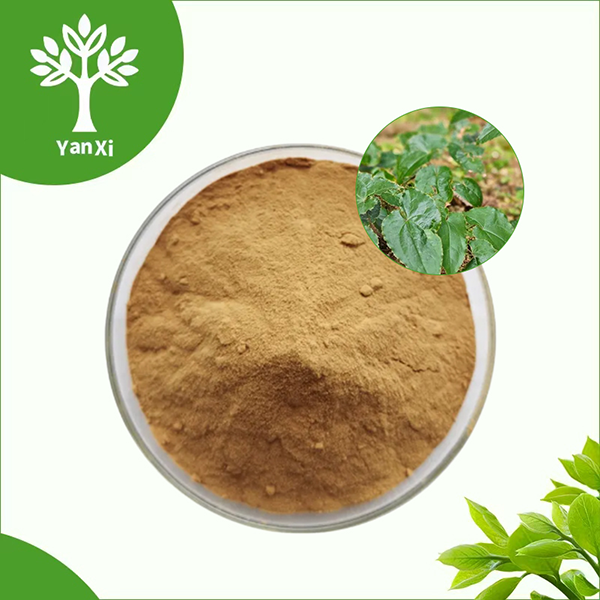
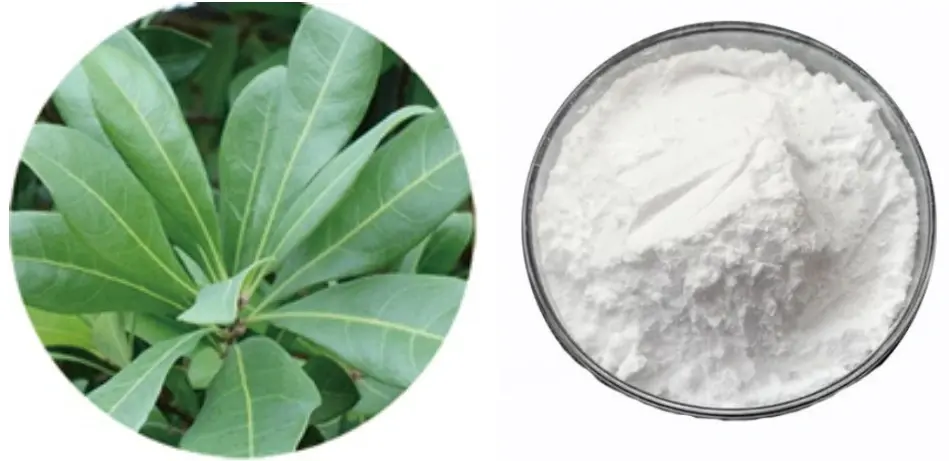
Vine tea (Ampelopsis grossedentata) is a good source of Dihydromyricetin Powder, which is also called ampelopsin. It is a flavanone. There is a list that shows how much of the powder is the active ingredient and how much is water, ash, other antioxidants, or waste from the process. Companies in the US that make dietary supplements need to follow 21 CFR Part 111. This part tells them to check that the ingredients are what they say they are and sets standards for the parts. Label claims may not be true if there is a lot that isn't very clean. This can also change the taste and color and lead to quality issues. Strong purity data keep your batch records and brand safe.
Why Solubility Shapes Formulation
Dihydromyricetin Powder doesn't mix well with cold water. However, it mixes better with hot ethanol and hot water. Different types of products are useful for different types of people. People don't mind when pills and tablets don't dissolve well, but ready-to-drink shots can be unpleasant if they get sediment or cloudy. Animal tests have also shown that drugs don't dissolve well when taken by mouth, so R&D teams pay close attention to how drugs dissolve. In a study that came out in 2012 in the Journal of Neuroscience, the substance was found to help rats that were drunk. There was a study in 2020 in Alcohol: Clinical and Experimental Research that looked at how the livers of animals changed. They both show why people are interested in goods that help with liver health and getting over a hangover.
What the 98% Specification Tells Buyers
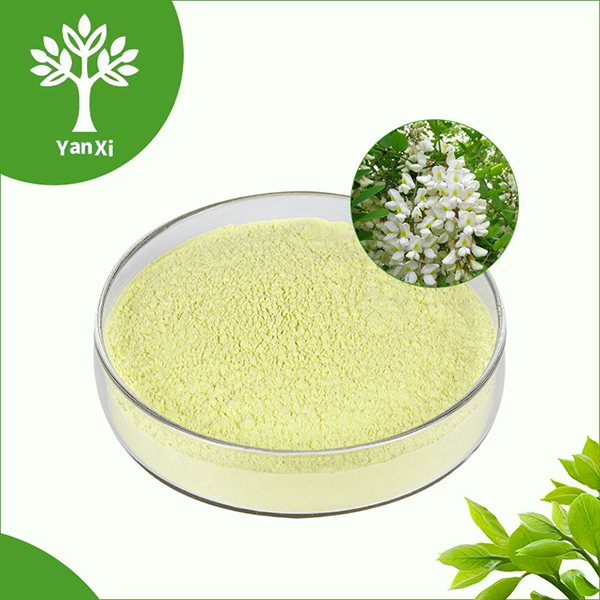
Our Dihydromyricetin Powder is 98% pure and has the color of light yellow powder. If the sticker says "98%," that means the HPLC test should get at least that high of a reading. Check to see if the number is for things that have been dried. These are usually trace chemicals and flavonoids that are linked to them. The rest can be made up of these. No less than 5% loss on drying matter, no more than 5% ash, and all of it going through an 80-mesh sieve. This is important to see along with the purity number, because even a good test can hide a lot of things that are wet or sticky.
Common Challenges in Testing Purity and Solubility of Dihydromyricetin Powder
Before you test it on real bulk lots, it sounds like it would be easy. This is what I see most of the time.
Equipment and Method Variability
HPLC is usually used to measure Dihydromyricetin Powder, but you need a trained analyst, equipment that has been checked, and a recognized standard. Small changes in the detection wavelength, the type of column, or the mobile phase can have a big effect on the results. This band is often used to find the chemical because it absorbs UV light around 290 nm. UV spectroscopy works faster, but it can't tell the difference between flavonoids that are like Dihydromyricetin Powder, so the number might be too high. Want to keep labs from disagreeing? Ask the supplier what method they used and if it follows validation rules like ICH Q2(R2). When both labs use the same written method, it's easier to see how they compare.
Sampling, Particle Size, and Moisture Effects
This test's results are changed by the sample itself. The 1897 Noyes-Whitney equation says that small particles dissolve more quickly than big ones because they have more surface area. It's also important to know the shape of the diamond because different objects break down at different speeds. It's not always the same because the amount of water changes how much active stuff is in each gram. Also, bulk drums settle as they are moved, so a spoonful from the top might not match the middle. I think you should get samples from different places, mix them, and write down how much water was in each one before every solubility test.
Batch Inconsistency and Contamination Risks
Just because one certificate is good doesn't mean the next bunch will be too. How much tea is made and how pure it is can depend on when the leaves are picked, where they are grown, and how they are dried. Lots of times, you need to check for heavy metals and bacteria counts because dirt, chemicals, and packing lines can all bring them in. The color changes, the flow isn't even, or it takes longer to dissolve on the production floor when a batch moves. You can see the spread instead of just one picture if you ask for three to five recent certificates of analysis. Numbers that stay close to each other across lots show that someone is keeping an eye on the process.
Modern Approaches for Assessing Dihydromyricetin Powder Purity
These days, buyers can check what's in the bag in a number of ways.
HPLC as the Primary Assay
The best way to do tests and profile linked substances is still to use HPLC with a UV monitor. The researcher looks at the peak of the sample and compares it with a standard that has a known amount. The purity is then found by looking at the area of the peak. A clear chromatogram has one main peak and several smaller peaks that are close to it and spaced out well. When I check a report, I look at the reference standard, the holding time match, how the sample was made, and how many times it was shot. This is not enough; you should also ask for the chromatogram. Some of the things that your quality team can see are shoulders, split peaks, or peaks that you can't explain that are hidden by a single number.
MS and NMR for Identity and Impurity Checks
HPLC tells you how much something is, but NMR and mass spectrometry tell you what it is. The molecular weight of Dihydromyricetin Powder should be around 320 because its formula is C15H12O8. NMR paints a picture of the hydrogen and carbon around the molecule. The structure is checked, and similar flavonoids like myricetin can be seen. Myricetin is different by one double bond. For some jobs, you don't need these tools. They let you try out a new seller, look into a sudden rise in demand, or settle a dispute. Carbon-14 research can also help you figure out where something came from when you are worried about fake ingredients.
Reading a Certificate of Analysis
Where can I find a good certificate of analysis? It needs to write down the test, the method, the limit, and the outcome. I want our Dihydromyricetin Powder to be at least 98% pure, with no more than 5% loss when it dries out and no more than 5% ash. Also, the total plate count should be less than 1,000/g, and the yeast and mold counts should be less than 100/g. Heavy metal levels should not be more than 10 ppm. Many people use ICP-MS as a test method and ICH Q3D as a guide to figure out the risk of chemical impurities. Your quality team will know exactly what they need to do to pass or fail based on these limits. Look at them to make sure they meet your own standards for incoming inspection before you place your first order.
Evaluating and Improving Solubility of Dihydromyricetin Powder
How pure the powder is will tell you what's in it. You can tell how it will work in your product by how well it dissolves.
Running Equilibrium Solubility Tests
The shake-flask method is part of USP General Chapter 1236 and is used for the standard equilibrium test. You choose a solvent, add more powder to it, stir it at a steady temperature, and wait until the amount that has been dissolved stops changing. It might take 24 hours. After that, you filter or spin the mixture and use HPLC to find out how much clear liquid there is. Make the medium the same as the end result. It could be clean water, a citrate buffer, or a mix of water and ethanol. Kinetic tests, which check how fast the powder breaks down, tell us more about instant drink mixes that we can use. Write down the temperature, pH, and speed of the stirring every time.
Controlling Particle Size, Temperature, and pH
Three buttons change the way melting works the most. The particles dissolve faster when they have more surface area, which is achieved by milling or micronizing them. All of our powder fits through an 80-mesh sieve, so that's a good place to start spreading it out. Also, Dihydromyricetin Powder dissolves better in hot water than in cold water, so it helps to add warm steps while mixing. Third is the pH. Research has shown that when the pH is low, the substance is more stable. Heat speeds up the process. It breaks down faster when the pH is normal or high. During processing, I think the pH should stay slightly acidic, the time of high heat should be limited, and HPLC should be used to confirm recovery.
Formulation Strategies for Clear Drinks
Native Dihydromyricetin Powder doesn't mix well with water, so make sure you have clear drinks ready ahead of time. With the help of solid dispersions, nanoparticles, and cyclodextrin inclusion complexes, researchers have found better ways to dissolve things. Cyclodextrins wrap around the molecule and form a host-guest structure. It might stay in solution longer this way. The issue of clarity is not at all present in cloudy or mixed drinks, powder mixes, or capsules. Tell your provider the pH, end format, and dose you want to use so they can make a specification that works for your method. Your R&D team can use a free sample to do bench tests before a pilot run, and our team can talk about making the specifications fit your needs.
How to Choose a Trusted Supplier for Pure and Soluble Dihydromyricetin Powder
Tests that are very thorough only help if the data source is honest.
Certifications and Documents to Request
Fill out the forms first. For each lot, you should ask for a safety data sheet, a specification sheet, and proof that it has been analyzed. Some of the certifications we have for our Dihydromyricetin Powder are ISO, HACCP, FDA Registration, Kosher, and Halal. In this case, FDA Registration only means that the facility is registered. It does not mean that the FDA approved the product. If you want to know about allergens, you should also ask what chemicals were used for extraction. Before you send the paperwork, make sure it matches the list given by the importer. They can then keep a full record of the seller, and the buying teams won't have to wait for the goods to come.
Origin and Traceability
Origin changes both the quality and the claims on the label. The vine tea, or Ampelopsis grossedentata, that we use to make our Dihydromyricetin Powder. Natural chemicals have been studied, made, and sent outside of China by Yanxi Biotech since 2010. Find out where the plant comes from, what part of the plant they use, and how they extract it before you buy from them. Also, see if lot numbers are linked to records for raw materials. When you can quickly handle a group of complaints, you can quickly link them to a single harvest. If you think the ingredients might not be real, ask for a carbon-14 or similar test of origin in writing. Companies that have been in business for a while can tell the difference between traders who can see their own supply chain and those who can't.
Supply, Samples, and Support at Yanxi Herbs
It doesn't matter how pure or stable the data is if the supply stops. Yanxi Herbs always has Dihydromyricetin Powder in stock. It takes one to three business days to ship an order after payment is received. You can put it in 1 kg bags, 5 kg boxes, or 25 kg drums. If you store it properly and seal the lid, it will stay fresh for 24 months. Your team can check its own HPLC and solubility with free samples. We've sent our goods to over 100 different places around the world. In order to speed up shipping, we have stores in both Europe and the US. We'll help you match the needs to your process once you tell us what style you want.
Conclusion
First, it's important to make sure that the Dihydromyricetin Powder is pure and can be mixed with other substances. If something is pure, as shown by MS, NMR, HPLC, and a full certificate of analysis, it tells you how much active compound it has and whether it has too much water, ash, metals, or microbes. How easily something dissolves depends on its particle size, temperature, pH, and the final form it takes. Real-life tests of equilibrium give us the most useful numbers. There is less method difference, uneven sampling, and batch drift when people share methods, look at chromatograms, and compare different lots. Because the substance doesn't work well in cold water and becomes less stable as the pH rises, it's less likely that you will need to reformulate if you plan ahead. The study is complete with all the papers and records of origin.
FAQ
What level of purity should I look for in Dihydromyricetin Powder that is made for supplements?
A lot of people who buy something want an HPLC test score of 98% or higher, which our Dihydromyricetin Powder has. Tell them how much drying, ash, heavy metals, and microbes they can lose, and make sure they get certificates that are unique to each lot.
How can I check to see if something blends before I order it?
A shake-flask test can be done in your own medium at any temperature and pH you choose. You can ask for a free sample. You can use HPLC to find out how much has been dissolved once the concentration stops changing. Then you can compare that number to the data from the source.
How does being dirty put you in danger?
There may be less of the active ingredient, the color and taste may change, and the drink may become cloudy. Plagues and heavy metals can also make things dangerous and not follow the rules. By going over chromatograms and papers, these risks can be lowered.
Where should I keep the powder?
It should be kept somewhere cool, dry, and out of the light. If you store and seal our Dihydromyricetin Powder correctly, it will last for 24 months.
Request Dihydromyricetin Powder Samples from Yanxi Herbs
Want to buy Dihydromyricetin Powder from a company that can back up its 98% claim with lot data? There are a lot of items in stock at Yanxi Herbs, and they send within one to three business days after getting payment. They also have ISO, HACCP, FDA Registration, Kosher, and Halal licenses. Send an email to info@yanxiherbs.com with the style and level of purity you want, and our team will get back to you with papers and sample information. Please go to yanxiherbs.com to learn more.
References
1. Journal of Neuroscience, 2012 – Dihydromyricetin as a novel anti-alcohol intoxication medication.
2. Alcohol: Clinical and Experimental Research, 2020 – Dihydromyricetin Protects the Liver via Changes in Lipid Metabolism and Enhanced Ethanol Metabolism.
3. Journal of the American Chemical Society, 1897 – The Rate of Solution of Solid Substances in Their Own Solutions.
4. ICH Q2(R2), 2023 – Validation of Analytical Procedures.
5. ICH Q3D(R2), 2022 – Guideline for Elemental Impurities.
6. Code of Federal Regulations, Title 21, Part 111, 2024 – Current Good Manufacturing Practice for Dietary Supplements.

Send Inquiry