Nitric Oxide Rich Beet Powder For Pre-Workout Smoothies
Sep 18, 2026
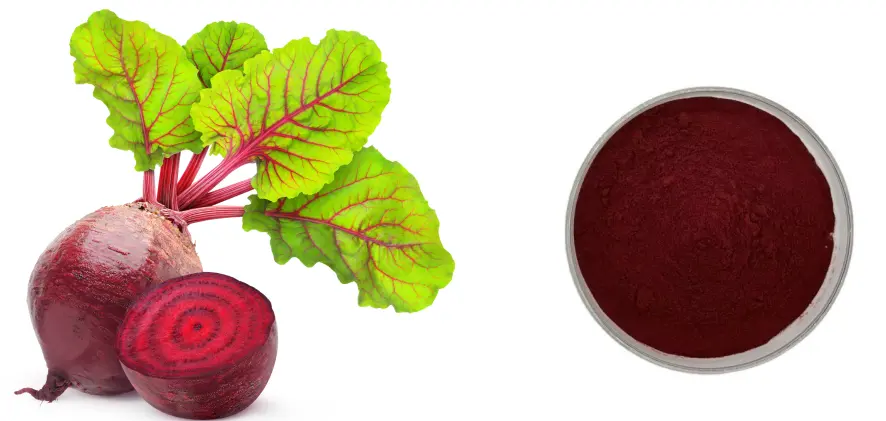
If you're formulating a pre-workout smoothie line or developing a sports nutrition product, beet powder deserves serious attention. Derived from fresh beetroot tubers and processed into a vibrant red-to-deep-purple fine powder, this ingredient delivers naturally occurring dietary nitrates that the body converts into nitric oxide — a compound that supports healthy blood flow and oxygen delivery during exercise. Additive-free and fully water-soluble, beetroot extract powder has become a go-to ingredient for functional beverage manufacturers aiming to meet the growing demand for plant-based performance nutrition in the U.S. market.
Understanding Nitric Oxide and Beet Powder
How Nitric Oxide Powers Athletic Performance
Nitric oxide (NO) is a signaling molecule that supports cardiovascular and muscle function during exercise. It helps blood vessels relax, which supports healthy circulation and oxygen delivery to working muscles. Research has indicated that dietary nitrate can support exercise efficiency. This is beneficial for both endurance athletes and active individuals.
The way Beet Powder works is through the nitrate-nitrite-nitric oxide route. Nitrates (NO3) found in beets are changed into nitrites by bacteria in the mouth. When oxygen levels are low, NO is changed into nitrites in the bloodstream, which is exactly what muscles need.
The Nutritional Profile That Sets Beetroot Powder Apart
Beet Powder has nitrates, as well as vitamin C, folate, manganese, dietary fiber, and betalains, which are the pigments that give it its deep red color. The nitrate content stays the same in the powder, so it is much better than the juice. While the level of active chemicals in spray-dried or dehydrated Beet Powder stays the same throughout each production run, juice changes a lot from batch to batch and goes bad quickly. A lot of the same things must be used for vitamin and functional drink brands to be able to back up what they say on the box.
Adding citrus fruits (which lower pH and protect betalains), leafy greens, or protein isolates to Beet Powder makes its own nitrates more bioavailable. This makes a healthy smoothie base for before a workout.
Selecting the Right Beet Powder for Your Products
Organic vs. Conventional: What B2B Buyers Must Consider
Beet Powder with organic certification costs about 20–40% more than regular grades, but it gives customers access to finished goods with clean labels and organic certification, which is a big difference in the U.S. supplement market. At the very least, you should look at certification documents when you are deciding what to buy. It is important for buyers to make sure that the seller is listed with ISO 22000, HACCP, Kosher, Halal, and the FDA. These groups have direct control over the rules for import clearance and store compliance.
Sourcing that is clear is just as important. More and more, officials want to be able to trace data. One example of this is a provider who can track the origin of raw materials from where they are grown to where they are processed.
Powder vs. Capsule vs. Juice Powder: Formulation Trade-Offs
For each style, there are pros and cons that affect how it is used. These are the big gaps that the R&D and buying teams look at:
This is beet fine powder (80–100 mesh). It keeps the fiber, mixes well with water, tastes sweet and earthy, and can be used in baked goods, RTD drinks, and smoothie powders. Good for making many things at a low cost. There are three to five times as many nitrates per gram in beet juice powder. It tastes better and mixes better in cold water, but it costs more per kilogram.
- Beetroot fine powder (80–100 mesh): Retains dietary fiber, dissolves fully in water, delivers earthy-sweet flavor, and suits RTD beverages, smoothie powders, and bakery applications. Cost-effective for high-volume production.
- Beet juice powder: Offers 3–5× the nitrate concentration per gram, superior cold-water solubility, and a cleaner flavor profile, but carries a higher cost per kilogram.
- Encapsulated formats: Protect nitrates and betalains from oxidation during shelf storage, suited for standalone cardiovascular supplements, but incompatible with direct smoothie blending.
Knowing these differences helps companies get the most out of the money they spend on ingredients while still meeting their goals for success.
Integrating Beet Powder into Pre-Workout Smoothie Formulations
Dosage, Solubility, and Taste Masking
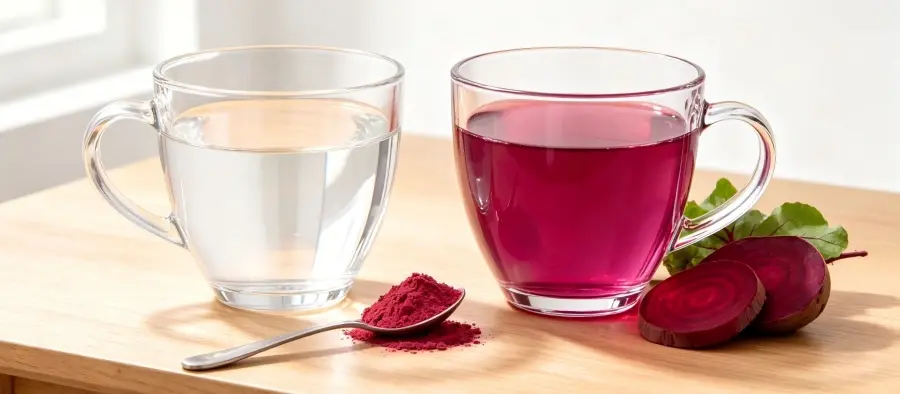
Studies in humans have shown that eating foods with 300–500 mg of nitrates per meal can actually widen blood vessels. This usually means 5–10 grams of Beet Powder per serving, but it depends on how dense the batch is in nitrates. This is proof of how important it is to get normal COA info from your provider.
The powder doesn't clump when mixed with water-based solutions as long as the package keeps the water out. The particles are between 80 and 100 mesh (100% going through an 80-mesh sieve). Adding natural fruit flavors like pineapple, lemon, or tart cherry works well to cover up the earthy geosmin notes that come from beets. When companies make a lot of powder, they should also think about how it soaks up water. For a 24-month shelf life, the product must be stored in a way that keeps air out and wetness in so that the taste and nitrate levels stay stable.
Formulation Examples and OEM Capabilities
Seven grams of Beet Powder, fifteen grams of pea protein isolate, five grams of tart cherry extract, and three grams of L-citrulline could make up a simple base for a smoothie that you could drink before you work out. Together, these things work well to boost blood flow and help the body heal. In the U.S. market for functional drinks, brands that want to stand out are using mixes with ashwagandha, cordyceps, or electrolyte matrices more and more.
With OEM customization, brands can pick the mesh size, nitrate content ranges, packaging style, and private label paperwork. This means that they can turn an idea into a product that is ready to sell.
Market Insights and Procurement Strategies for Beet Powder
Pricing Landscape and Sourcing Channels
Bulk Beet Powder in the U.S. market usually costs between $8 and
Sep 18, 2026
If you're formulating a pre-workout smoothie line or developing a sports nutrition product, beet powder deserves serious attention. Derived from fresh beetroot tubers and processed into a vibrant red-to-deep-purple fine powder, this ingredient delivers naturally occurring dietary nitrates that the body converts into nitric oxide — a compound that supports healthy blood flow and oxygen delivery during exercise. Additive-free and fully water-soluble, beetroot extract powder has become a go-to ingredient for functional beverage manufacturers aiming to meet the growing demand for plant-based performance nutrition in the U.S. market. Nitric oxide (NO) is a signaling molecule that supports cardiovascular and muscle function during exercise. It helps blood vessels relax, which supports healthy circulation and oxygen delivery to working muscles. Research has indicated that dietary nitrate can support exercise efficiency. This is beneficial for both endurance athletes and active individuals. The way Beet Powder works is through the nitrate-nitrite-nitric oxide route. Nitrates (NO3) found in beets are changed into nitrites by bacteria in the mouth. When oxygen levels are low, NO is changed into nitrites in the bloodstream, which is exactly what muscles need. Beet Powder has nitrates, as well as vitamin C, folate, manganese, dietary fiber, and betalains, which are the pigments that give it its deep red color. The nitrate content stays the same in the powder, so it is much better than the juice. While the level of active chemicals in spray-dried or dehydrated Beet Powder stays the same throughout each production run, juice changes a lot from batch to batch and goes bad quickly. A lot of the same things must be used for vitamin and functional drink brands to be able to back up what they say on the box. Adding citrus fruits (which lower pH and protect betalains), leafy greens, or protein isolates to Beet Powder makes its own nitrates more bioavailable. This makes a healthy smoothie base for before a workout. Beet Powder with organic certification costs about 20–40% more than regular grades, but it gives customers access to finished goods with clean labels and organic certification, which is a big difference in the U.S. supplement market. At the very least, you should look at certification documents when you are deciding what to buy. It is important for buyers to make sure that the seller is listed with ISO 22000, HACCP, Kosher, Halal, and the FDA. These groups have direct control over the rules for import clearance and store compliance. Sourcing that is clear is just as important. More and more, officials want to be able to trace data. One example of this is a provider who can track the origin of raw materials from where they are grown to where they are processed. For each style, there are pros and cons that affect how it is used. These are the big gaps that the R&D and buying teams look at: This is beet fine powder (80–100 mesh). It keeps the fiber, mixes well with water, tastes sweet and earthy, and can be used in baked goods, RTD drinks, and smoothie powders. Good for making many things at a low cost. There are three to five times as many nitrates per gram in beet juice powder. It tastes better and mixes better in cold water, but it costs more per kilogram. Knowing these differences helps companies get the most out of the money they spend on ingredients while still meeting their goals for success. Studies in humans have shown that eating foods with 300–500 mg of nitrates per meal can actually widen blood vessels. This usually means 5–10 grams of Beet Powder per serving, but it depends on how dense the batch is in nitrates. This is proof of how important it is to get normal COA info from your provider. The powder doesn't clump when mixed with water-based solutions as long as the package keeps the water out. The particles are between 80 and 100 mesh (100% going through an 80-mesh sieve). Adding natural fruit flavors like pineapple, lemon, or tart cherry works well to cover up the earthy geosmin notes that come from beets. When companies make a lot of powder, they should also think about how it soaks up water. For a 24-month shelf life, the product must be stored in a way that keeps air out and wetness in so that the taste and nitrate levels stay stable. Seven grams of Beet Powder, fifteen grams of pea protein isolate, five grams of tart cherry extract, and three grams of L-citrulline could make up a simple base for a smoothie that you could drink before you work out. Together, these things work well to boost blood flow and help the body heal. In the U.S. market for functional drinks, brands that want to stand out are using mixes with ashwagandha, cordyceps, or electrolyte matrices more and more. With OEM customization, brands can pick the mesh size, nitrate content ranges, packaging style, and private label paperwork. This means that they can turn an idea into a product that is ready to sell. Bulk Beet Powder in the U.S. market usually costs between $8 and $18 per kilogram for regular grades. Organic-certified material costs between $22 and $30/kg, but this depends on where it is sold and how it is certified. There are markups of 5 to 8¢ on consumer goods that are sold in stores, which shows that buying in bulk from a straight maker gives you big profit benefits. When it comes to stable prices and a reliable supply system, buying from a direct supplier is always better than buying from the market. On the web, sites add notes in the middle, which makes it harder to see the history of batch testing. You can get real-time inventory data, flexible minimum order amounts, and help with shipping when you work directly with a certified botanical ingredient maker. These are all very useful for keeping up with just-in-time production plans. Compliance that can be checked is the first thing that buyers should look for. Before you look for a Beet Powder provider, you should do the following: They did tests and found that the quality is always the same. The batch-specific COAs show that the heavy metals are below 10 ppm, the total plate count is below 1,000 cfu/g, and the moisture level is below 5 ppm. There is a lot of evidence that ingredients from beets are healthy. If an adult is healthy, they can take 300–500 mg of nitrate every day. If you take heart or blood pressure medicines that contain nitrates, you should talk to your doctor before taking a high-dose supplement. The supplement could make the effects of your medicines worse. It should be clear on the labels that pre-workout drugs are not meant for kids. Statistically, taking beet nitrate as a supplement has been shown to lower systolic blood pressure (by an average of 4–5 mmHg in meta-analyses) and make it take longer for physical exercise to wear you out. There is evidence from other researchers that backs up these results, not just marketing claims. There is strong evidence for vitamin makers to make health claims based on this. Beet Powder does not contribute to the accumulation of harmful nitrate levels in healthy individuals. The body's natural regulatory mechanisms control nitric oxide production, and normal kidney function clears excess nitrate. The nitric oxide intermediates that come from beets are one of the plant-based items that sports trainers can use today that has the most scientific proof. With its clean-label betalain coloring, 24-month shelf stability, standardized nitrate level, and complete water solubility, Beet Powder satisfies the most important performance, legal, and economic requirements of U.S. ingredient buyers. It's possible to get a competitive edge by buying an ingredient that has been through a lot of tests and from a source that has all the right certifications and can ship within days. Dietary nitrates are relatively heat-stable, but betalain pigments degrade above pH 7.0 or at high temperatures. Maintaining slightly acidic conditions (pH 4–6) during processing helps preserve both color and functional compounds. Under sealed, moisture-controlled storage conditions, beet powder maintains quality for 24 months. Proper packaging — such as moisture-barrier laminate bags or sealed drums — is essential to preventing hygroscopic degradation. Yes. Its natural betalain pigments provide a vivid red-to-purple hue suitable for replacing synthetic dyes like Red 40 in RTD beverages, dairy products, and plant-based foods, supporting clean-label positioning. Request batch COAs with HPLC-based betalain quantification and thin-layer chromatography (TLC) analysis. Reputable suppliers provide complete testing records upon request. Standard configurations include 1 kg bags, 5 kg boxes, and 25 kg drums, accommodating R&D trial quantities through full-scale commercial production volumes. Yanxi Herbs has delivered certified botanical ingredients to over 100 countries since 2010. As an experienced beet powder manufacturer, we offer ISO 22000, HACCP, Kosher, Halal, and FDA-registered products with free samples, flexible packaging (1 kg to 25 kg), and dispatch within 1–3 working days. Whether you need a trial batch or long-term bulk supply, our team supports custom specifications and full documentation. Contact us at info@yanxiherbs.com or visit yanxiherbs.com to request your free sample today. 1. Lundberg, J.O., Weitzberg, E., & Gladwin, M.T. — Nature Reviews Drug Discovery, 2008. 2. Lansley, K.E., et al. — "Dietary Nitrate Supplementation Reduces the O2 Cost of Walking and Running" — Journal of Applied Physiology, 2011. 3. Hobbs, D.A., et al. — "Blood Pressure-Lowering Effects of Beetroot Juice and Novel Beetroot-Enriched Bread Products in Normotensive Male Subjects" — British Journal of Nutrition, 2012. 4. Jones, A.M. — "Dietary Nitrate Supplementation and Exercise Performance" — Sports Medicine, 2014. 5. Clifford, T., et al. — "The Potential Benefits of Red Beetroot Supplementation in Health and Disease" — Nutrients, 2015. 6. Domínguez, R., et al. — "Effects of Beetroot Juice Supplementation on Cardiorespiratory Endurance in Athletes" — Nutrients, 2017. Send Inquiry You may like
Nitric Oxide Rich Beet Powder For Pre-Workout Smoothies
Understanding Nitric Oxide and Beet Powder
How Nitric Oxide Powers Athletic Performance
The Nutritional Profile That Sets Beetroot Powder Apart
Selecting the Right Beet Powder for Your Products
Organic vs. Conventional: What B2B Buyers Must Consider
Powder vs. Capsule vs. Juice Powder: Formulation Trade-Offs
Integrating Beet Powder into Pre-Workout Smoothie Formulations
Dosage, Solubility, and Taste Masking
Formulation Examples and OEM Capabilities
Market Insights and Procurement Strategies for Beet Powder
Pricing Landscape and Sourcing Channels
Supplier Vetting Criteria That Protect Your Supply Chain
Addressing Common Concerns and Maximizing Benefits
Conclusion
FAQ
Does beet powder lose nitrate potency during high-heat processing?
What is the shelf life of bulk beetroot powder?
Can beet powder replace synthetic red colorants in beverages?
How do I verify that a supplier's beet powder contains no synthetic dyes?
What packaging options are available for bulk orders?
Partner with Yanxi Herbs for Premium Beet Powder Supply
References

Related Industry Knowledge
_1787033972542.webp)
When it comes to stable prices and a reliable supply system, buying from a direct supplier is always better than buying from the market. On the web, sites add notes in the middle, which makes it harder to see the history of batch testing. You can get real-time inventory data, flexible minimum order amounts, and help with shipping when you work directly with a certified botanical ingredient maker. These are all very useful for keeping up with just-in-time production plans.
Supplier Vetting Criteria That Protect Your Supply Chain
Compliance that can be checked is the first thing that buyers should look for. Before you look for a Beet Powder provider, you should do the following:
- Certification stack: ISO 22000, HACCP, FDA registration, Kosher, and Halal certification address the broadest range of market requirements.
- Third-party testing: Batch-specific COAs showing heavy metals (≤10 ppm), total plate count (<1,000 cfu/g), and moisture (≤5%) confirm quality consistency.
- Lead time and logistics: A supplier with confirmed in-stock inventory and 1–3 working day dispatch capability reduces the risk of production delays.
- Minimum order quantities and scalability: Flexible packaging from 1 kg bags to 25 kg drums enables both R&D sampling and full-volume production runs.
They did tests and found that the quality is always the same. The batch-specific COAs show that the heavy metals are below 10 ppm, the total plate count is below 1,000 cfu/g, and the moisture level is below 5 ppm.
Addressing Common Concerns and Maximizing Benefits
There is a lot of evidence that ingredients from beets are healthy. If an adult is healthy, they can take 300–500 mg of nitrate every day. If you take heart or blood pressure medicines that contain nitrates, you should talk to your doctor before taking a high-dose supplement. The supplement could make the effects of your medicines worse. It should be clear on the labels that pre-workout drugs are not meant for kids.
Statistically, taking beet nitrate as a supplement has been shown to lower systolic blood pressure (by an average of 4–5 mmHg in meta-analyses) and make it take longer for physical exercise to wear you out. There is evidence from other researchers that backs up these results, not just marketing claims. There is strong evidence for vitamin makers to make health claims based on this.
Beet Powder does not contribute to the accumulation of harmful nitrate levels in healthy individuals. The body's natural regulatory mechanisms control nitric oxide production, and normal kidney function clears excess nitrate.
Conclusion
The nitric oxide intermediates that come from beets are one of the plant-based items that sports trainers can use today that has the most scientific proof. With its clean-label betalain coloring, 24-month shelf stability, standardized nitrate level, and complete water solubility, Beet Powder satisfies the most important performance, legal, and economic requirements of U.S. ingredient buyers. It's possible to get a competitive edge by buying an ingredient that has been through a lot of tests and from a source that has all the right certifications and can ship within days.
FAQ
Does beet powder lose nitrate potency during high-heat processing?
Dietary nitrates are relatively heat-stable, but betalain pigments degrade above pH 7.0 or at high temperatures. Maintaining slightly acidic conditions (pH 4–6) during processing helps preserve both color and functional compounds.
What is the shelf life of bulk beetroot powder?
Under sealed, moisture-controlled storage conditions, beet powder maintains quality for 24 months. Proper packaging — such as moisture-barrier laminate bags or sealed drums — is essential to preventing hygroscopic degradation.
Can beet powder replace synthetic red colorants in beverages?
Yes. Its natural betalain pigments provide a vivid red-to-purple hue suitable for replacing synthetic dyes like Red 40 in RTD beverages, dairy products, and plant-based foods, supporting clean-label positioning.
How do I verify that a supplier's beet powder contains no synthetic dyes?
Request batch COAs with HPLC-based betalain quantification and thin-layer chromatography (TLC) analysis. Reputable suppliers provide complete testing records upon request.
What packaging options are available for bulk orders?
Standard configurations include 1 kg bags, 5 kg boxes, and 25 kg drums, accommodating R&D trial quantities through full-scale commercial production volumes.
Partner with Yanxi Herbs for Premium Beet Powder Supply
Yanxi Herbs has delivered certified botanical ingredients to over 100 countries since 2010. As an experienced beet powder manufacturer, we offer ISO 22000, HACCP, Kosher, Halal, and FDA-registered products with free samples, flexible packaging (1 kg to 25 kg), and dispatch within 1–3 working days. Whether you need a trial batch or long-term bulk supply, our team supports custom specifications and full documentation. Contact us at info@yanxiherbs.com or visit yanxiherbs.com to request your free sample today.
References
1. Lundberg, J.O., Weitzberg, E., & Gladwin, M.T. — Nature Reviews Drug Discovery, 2008.
2. Lansley, K.E., et al. — "Dietary Nitrate Supplementation Reduces the O2 Cost of Walking and Running" — Journal of Applied Physiology, 2011.
3. Hobbs, D.A., et al. — "Blood Pressure-Lowering Effects of Beetroot Juice and Novel Beetroot-Enriched Bread Products in Normotensive Male Subjects" — British Journal of Nutrition, 2012.
4. Jones, A.M. — "Dietary Nitrate Supplementation and Exercise Performance" — Sports Medicine, 2014.
5. Clifford, T., et al. — "The Potential Benefits of Red Beetroot Supplementation in Health and Disease" — Nutrients, 2015.
6. Domínguez, R., et al. — "Effects of Beetroot Juice Supplementation on Cardiorespiratory Endurance in Athletes" — Nutrients, 2017.
Send Inquiry
You may like