Purple Yam Powder for Food Manufacturers: Bulk Sourcing and Quality Evaluation
Nov 18, 2026
When Purple yam powder is 100% pure, sieved the same way every time, and comes with batch records, it is best for food manufacturers. You should check the certificates, wait time, particle size, wetness, microbe limits, and plant identity before giving the go-ahead for a big order. Yanxi Herbs sells purple yam powder that is made from Dioscorea alata roots. It comes in 1 kg, 5 kg, and 25 kg bags. This guide shows you the checks that our team does, so that your quality, R&D, and buying teams can compare sources based on facts.
Why Purple Yam Powder Is a Strategic Ingredient for Food Manufacturers
What Purple Yam Powder Is?
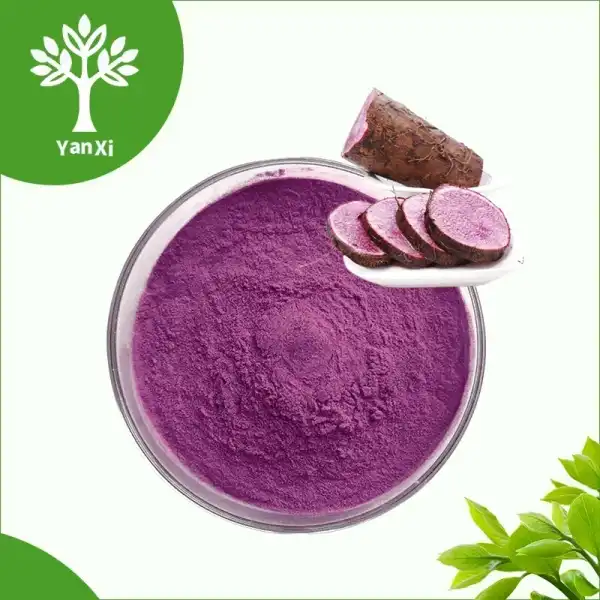
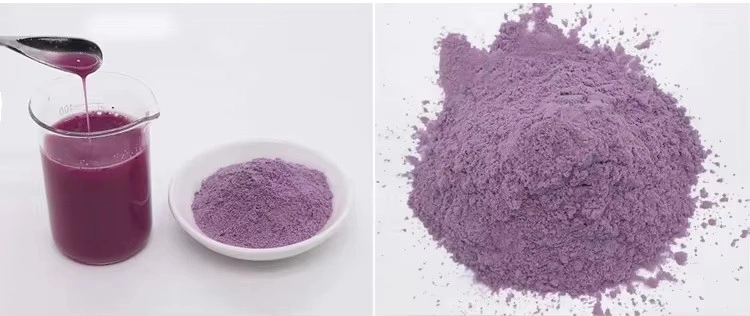
Purple yam powder is made from dried and ground-up purple-fleshed yam. Ours is made from fresh Dioscorea alata roots that are spray-dried into a fine purple powder. Not having to peel, steam, and mash is replaced with a "scoop and weigh" step, which is liked by manufacturers. It's also easier to store than fresh tubers, which go bad quickly and depend on when they are picked. You can make more at once, and your schedule doesn't need to change with the seasons. Anthocyanin pigment is what gives it its colour, and the yam gives it a sweet, earthy taste.
Purple Yam vs. Ube Terminology
A lot of people believe that "ube powder" and "purple yam powder" are the same thing. Some purple root foods, like purple sweet potato, come from other plants, so they are not always the same from one market to the next. This is because sellers use the names in a general way. You should write down the name of the plant and ask each seller for it. The name for it is Dioscorea alata. Also, make sure you get a list of the ingredients, so you know if the item is just powder or a mix with carriers. To protect your label and recipe, you should know the answer before you spend time on testing.
Where Manufacturers Use It?
Our product data lists bubble tea, moon cake materials, quick oatmeal, and made goods as popular uses. People also use it to make their own brand names, baked goods, sweets, candies, dairy-free options, and snacks. As it is, the powder is purple and tastes like yam. It fits with the clean-label, plant-based message because it doesn't have any added sugar or fake colours. Because they are used for different things, you should first explain your plan. A pilot test is the only way to be sure that a baked good or a drink will keep its colour after being baked.
Purple Yam Powder Composition, Nutrition, and Processing
Reading the Ingredient Statement
Check out what's in the bag first. Our powder is made from pure purple yam that has been spray-dried. Other things may have maltodextrin, sweeteners, anti-caking agents, or stabilisers added to them, which can change the nutrients, price, or labelling. Compare the amount of calories, carbs, fibre, protein, fat, ash, and moisture in the same serving size. Don't just use database values; ask for documents that have been signed off by the supplier. It's important that the ash and the loss from drying are both less than 5%. This gives the people on your quality team good numbers to check.
Anthocyanins and Claim Boundaries
The colour purple comes from anthocyanin, which is the active colour we asked for. It is known that anthocyanins are antioxidants, but there are rules about how to label them in the US. If you don't hear back from your regulatory team, you shouldn't use anthocyanin as a claim for a certain colour or makeup. Colours can also change because of pH. The study by Wrolstad in the Journal of Food Science says that anthocyanins turn blue in alkaline conditions and red in acidic ones. In other words, you need to test your base formula right away. Ask for written proof that they are vegan, gluten-free, non-GMO, or free of allergens.
How Processing Shapes Quality?
The quality of Purple yam powder is high in the field and stays that way all the way through the plant. Colour and sugar levels change depending on the type of plant, where it grows, and when it's fully grown, so it's important to keep track of them. Some steps that are often done are peeling, cutting, drying, milling, and sieving. Because the temperature at which something is dried changes the colour, smell, and level of wetness, I ask buyers to look at each lot with both their eyes and instruments. Find out more about how to find metals, keep outside objects out, test for microbes, and keep samples. We have records for ISO, HACCP, FDA Registration, Kosher, and Halal.
Purple Yam Powder Quality Evaluation Checklist
Physical and Sensory Checks
Check the samples' smell, taste, and how uniform the colour is, as well as for clumping and visible specks. Next, look at the particle size, how wet it is, the mass density, and how well it flows. The way your line doses and mixes will change because of these. To get a good colour match, I think you should use a colorimeter to write down the L, a, and b* results and agree on a range. Our standard calls for a fine purple powder that always goes through 80 grit. You should keep one sample from each lot so that you can compare later sales to the accepted sample.
Microbial and Contaminant Limits
For each lot, ask for a current certificate of examination. There must be no more than 10 parts per million (ppm) of heavy metals, no more than 1,000 cfu/g of total plate count, and no more than 100 cfu/g of yeast and mould. To meet the needs of your customers and market, your quality team may also ask for tests for pathogens, pesticides, and mycotoxins. You should make sure that these limits meet your needs and that the lab and method are correct. The Food and Drug Administration (FDA) says that there needs to be a supply-chain programme for ingredients that are linked to controlled risks. This is why seller papers are important for your plan to keep food safe.
Application Trials
A powder might work well in the lab, but it might not work in the real world. Test each piece the same way in water, plant-based milk, batter, dough, drinks, and dessert bases. Note the colour, taste, how it spreads out, how it settles, and how it feels in your mouth at the dose you want to use. When you change the water temperature or hydration time, do one thing at a time. This will keep the powder from clumping together. Since yam is sweet, the powder doesn't clear up when mixed with water. Instead of how clear it is, look at how stable it is over time. In the same way, you should compare at least two brands.
Purple Yam Powder vs. Alternative Ingredients
Versus Ube Powder and Taro Powder
There are people who sell things that are called "ube powder," but what's inside depends on who makes them. Check the species and where they come from. The taro powder comes from a different plant named Colocasia esculenta. It reacts differently to starch and has a colour that is usually lighter and less intense. When a recipe calls for ube taste, it's faster to look at two samples next to each other than in a datasheet to see how they vary. Get the Latin name, a list of the ingredients, and a certificate that is unique to the lot from each supplier. The product information says that the one we have is Dioscorea alata.
Versus Fresh Purple Yam
It feels different when you eat fresh purple yam, but it costs more than powder, so powder is better. It takes time and food to peel, cook, and mash potatoes. The supply changes based on when it is picked and how long it is kept cold. Each lot has a different amount of water and sugar. Powder is always the same amount of wet, can be kept for 24 months, and can be used more than once per batch. For your recipe, it doesn't matter if the yam is fresh or frozen as long as it's chunky. Powder helps you plan drinks, sauces, and mixes better.
Versus Added Food Coloring
Colourants only add colour, but they can help keep things even and make it easy to give very small amounts. Purple yam powder adds colour, body, and a yam taste to food. It also lets you put a label on an ingredient that is easy to spot. Since our powder doesn't have any extra colours, it fits with the idea of plant-based products with clean labels. What you give up is natural variation, so choose colour ranges and keep samples as guides. Some formulators mix the taste and base colour powder with a different natural colourant when a recipe needs a certain shade. After the tests, it should be easy to make the pick.
Bulk Sourcing, Pricing, and Logistics for Purple Yam Powder
Choosing Between Manufacturers and Distributors
When you buy from the maker, you usually have more say over how the product is made and what specifications are used. Distributors can offer small amounts, local stock, and orders with a variety of goods. People who export have to add paperwork and make sure that processes run smoothly. Before you decide, find out where the plant is based, where the raw materials come from, how the food is tested, what licenses the company has, and how much experience it has with US food laws. Yanxi Herbs has been in business since 2010 and sends goods to over 100 different countries and regions. There are also stores for them in the US and Europe. Purple yam powder is in stock, and you can try it for free. It takes one to three business days after payment to get the package.
Price, Packaging, and Landed Cost
The price per kilogram line in the budget for Purple yam powder is only one line long. Prices change at the end because they depend on how many raw materials are available, how they are packed, how much is ordered, how they are shipped, and taxes. We pack 1 kg bags for tests. We pack 5 kg boxes for bigger tests. We use 25 kg drums to pack our goods. Use the same Incoterms to get quotes from all of your providers. Then, add up the costs of shipping, insurance, customs, storage, trash, and any downtime that might happen because of a late package. The price of an offer that has items in stock may end up being lower than a lower offer with long lead times.
Storage and Sourcing Risks
The price per kilogram line in the budget is only one line long. Prices change at the end because they depend on how many raw materials are available, how they are packed, how much is ordered, how they are shipped, and taxes. We pack 1 kg bags for tests. We pack 5 kg boxes for bigger tests. We use 25 kg drums to pack our goods. Use the same Incoterms to get quotes from all of your providers. Then, add up the costs of shipping, insurance, customs, storage, trash, and any downtime that might happen because of a late package. The price of an offer that has items in stock may end up being lower than a lower offer with long lead times.
Using Purple Yam Powder in Production and Private-Label Programs
Beverage and Bakery Formulation
Before adding more to a drink, add small amounts at first. Keep adding until the colour and taste are right. Make sure to mix with high shear if you can. After the drink has sat for a while, look for sedimentation. For smoothies, try different types of fruit, sugar, acidity, and milk (dairy and plant-based). These all have the power to change the drink's colour and texture. Check the batter's colour, texture, and thickness before baking. You should also check how much water it has and how much it loses during baking. Each time your plant grows, make sure the steps for mixing are always the same and that each setting is written down.
Desserts, Ice Cream, and Instant Mixes
Candy that comes in a box and frozen desserts have extra tests. Check how well ice cream stays firm when it freezes and thaws, how well lattes mix with hot water, and how emulsifiers or stabilisers change the colour and structure. There are some bases that our fine 80-mesh powder doesn't mix well with, like instant oatmeal and bubble tea. Use the same tools and a normal way to mix during tests. After making sure it works well in the lab, test it again with a small group of people before writing the steps for mass production.
OEM and Private-Label Support
You should start making a private-label line with a product brief that lists the product's amount, licenses, taste goals, and the people you want to buy it. First, test some samples. Next, make sure the specs and packaging are just right. Say who has the artwork, who pays for the tests, who is in charge of making sure the labels are correct, and how the supplier should let you know about any changes to the process. Our team can be changed in many ways, from the specs to the packing. We get back to you quickly and check the quality at every step. You tell us how much you want, where it's going, and what you plan to use it for, and we'll send you a specification sheet, a COA, and a quote.
Conclusion
Check a few things out before you buy a lot of Purple yam powder. "Ube" and "purple yam" are not the same thing, so check the plant name and ingredient list first. Check the limits for moisture, ash, heavy metals, bacteria, particle size, and heavy metals. Also, make sure that each lot has a valid proof of analysis. Find out about systems that can dry, filter, and keep food safe because processing changes the colour and texture. In the same way, test the powder with taro, fresh yam, and extra colours. Each one changes the colour, taste, work, and cost. Don't just look at the price; look at how much it costs to land, pack, wait, and fill out paperwork. Tests in water, milk, batter, and frozen bases will show you if a sample works on your line.
FAQ
Is purple yam powder the same as ube powder?
Not all the time. People who sell them have different names for them, and different plants make different kinds of purple things. Write down the plant's name. The name for it is Dioscorea alata.
Does the powder contain carriers or additives?
Our Purple yam powder is made from real yams and is dried with a spray. It does not have any chemicals or colours added to it. Ask each supplier you talk to for a written list of what they sell.
What pack sizes, samples, and certificates are available?
There are 25 kg drums, 5 kg boxes, and 1 kg bags for you to choose from. You could get some for free. An ISO, HACCP, FDA Registration, Kosher, and Halal certificate is one of the keys.
Why does the color change between formulas?
Based on the pH, anthocyanins change colour. When bases are too acidic, they turn blue, and when bases are too basic, they turn red. Test your recipe early on and agree on a range of colours.
Can I order bulk or private-label quantities?
Yes. You can order in bulk or with your own label, depending on the amount, specifications, packaging, and needs of the destination. Get a quote by filling out the form below.
Request Purple Yam Powder Samples and a Bulk Quote from Yanxi Herbs
Yanxi Herbs is a Purple yam powder manufacturer and exporter with ISO, HACCP, Kosher, and Halal certificates, in-stock inventory, and free samples. Send your application, target volume, packaging, and destination to info@yanxiherbs.com, and our team will reply with a specification sheet, COA, and quote. Visit yanxiherbs.com to review our natural ingredient range, including colorants, sweeteners, and supplements.
References
1. Journal of Food Science (2004): Wrolstad, R.E., "Anthocyanin Pigments—Bioactivity and Coloring Properties."
2. Current Protocols in Food Analytical Chemistry (2001): Giusti, M.M. and Wrolstad, R.E., "Characterization and Measurement of Anthocyanins by UV-Visible Spectroscopy."
3. CABI (2009): Lebot, V., "Tropical Root and Tuber Crops: Cassava, Sweet Potato, Yams and Aroids."
4. Codex Alimentarius Commission (2020): "General Principles of Food Hygiene, CXC 1-1969."
5. U.S. Food and Drug Administration (2015): "Current Good Manufacturing Practice, Hazard Analysis, and Risk-Based Preventive Controls for Human Food."
6. International Organization for Standardization (2018): "ISO 22000:2018 Food Safety Management Systems."

Send Inquiry