
Stevia Extract Powder Helps Create Clean-Label Food and Beverage Products
Sep 22, 2026
Stevia Extract Powder is reshaping how food and beverage manufacturers approach sugar reduction. Derived from the leaves of Stevia rebaudiana Bertoni, this zero-calorie botanical sweetener delivers steviol glycosides—primarily Rebaudioside A (Reb A), Reb D, and Reb M—that are 200 to 450 times sweeter than sucrose. As consumer demand for transparent labeling intensifies across the U.S. market, manufacturers across beverage, dairy, bakery, and functional food categories are turning to this plant-based ingredient to replace synthetic additives while maintaining sweetness intensity and regulatory compliance.
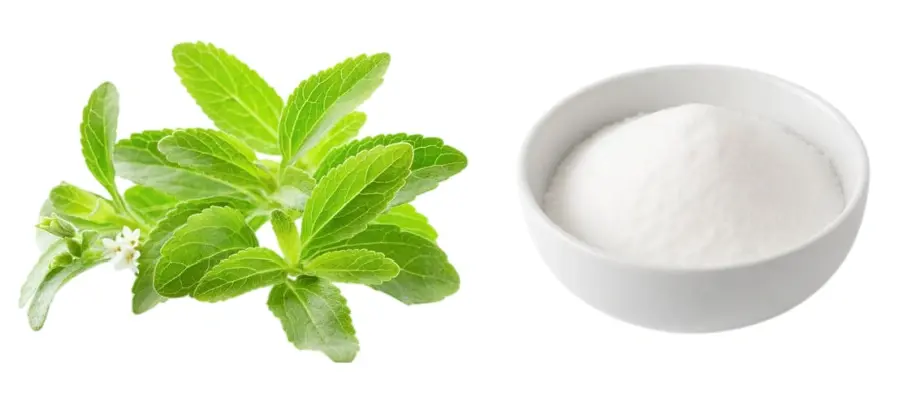
Understanding Stevia Extract Powder and Its Role in Clean-Label Products
It's no longer a fad to move toward clean labels; the market expects it. People read ingredient lists very carefully, and they stick with names that use well-known, organically grown ingredients. With stevia, this change goes hand in hand.
What Makes Stevia a Clean-Label Ingredient?
Water or ethanol is used to remove professional-grade stevia. Ion-exchange chromatography is then used to separate the more than 95% pure steviol glycosides (TSG). Once these steps are taken, the bitter, licorice-like aftertaste that comes with raw materials is gone. Instead, it makes a smooth sweetness that goes well with mild tastes like cheese, citrus, and vanilla. The stevia comes from plants and doesn't change blood sugar, so it's easy to make goods that are non-GMO, diabetic-friendly, and keto-friendly.
Nutritional Profile That Matters to Formulation Teams
Because stevia contributes little to no calories at typical use levels and does not have the same effect on blood glucose as added sugar, Stevia Extract Powder can be used in health-focused SKUs designed to reduce sugar content. Large amounts of sugar alcohols such as erythritol may cause digestive discomfort for some consumers, while high-purity Stevia Extract Powder can provide sweetness without adding the same bulk as sugar alcohols. This makes Stevia Extract Powder a practical option for sensitive formulations, potentially reducing the need for major recipe changes while maintaining the desired sweetness profile.
Comparing Stevia Extract Powder with Alternative Sweeteners
Every type of natural sugar doesn't always work the same way. The buying and research and development teams need to know how stevia compares to other options before they decide to buy a lot of it.
Stevia vs. Monk Fruit, Erythritol, and Sugar
Made from monk fruit, this product doesn't have any calories like stevia does. But more of its supply chain is in one place, which can make prices less stable. Erythritol can be used to make things more dense, but it's not as sweet as sugar by itself, so it needs to be mixed with other sweeteners. Sugar from the store tastes good, but it's bad for you because it's high in calories and glucose. Stevia is used in much smaller amounts per batch because it is so sweet. It's easier to label, and the cost per unit of the ingredient goes down.
High-purity mixes, especially Reb M and Reb D, have a sweetness that is similar to sugar and not too sour. This is why they are chosen when high-end drinks and dairy products need to be reformulated. Teams that buy ingredients usually choose stevia mixes over single-glycoside extracts because the mixed method gives them more uses without lowering the taste quality.
How Stevia Extract Powder Supports Clean-Label Food and Beverage Manufacturing
Stevia can be used in a huge range of goods. It's used to make colored water, acidic soft drinks, and sports nutrition drinks. Companies that make dairy products put it in yogurt and milk with extra sugar. It helps candy and baking makers put less information on their boxes about sugar that has been added. People who make functional foods like that it can be used with meal replacements, health shots, and protein shakes.
Navigating Regulatory Requirements in North America and Europe
It is generally thought to be safe (GRAS) for sweets made from stevia that are Reb A ≥95% pure in the US. The European Food Safety Authority (EFSA) says that 4 mg/kg of body weight is the daily amount of steviol equivalents that people should eat. It's easier for businesses that want to sell to both groups when they can find stevia that is certified as organic, non-GMO, and Kosher or Halal. You need these licenses to get your products on the shelves of stores that are in competition with each other.
Real-World Reformulation Outcomes
To reduce the amount of sugar in a line of flavored sparkling waters by 80%, a medium-sized beverage company reformulated its products by replacing sucrose with a blend of Reb A and Reb M from Stevia Extract Powder. Consumer testing indicated that the new formulation had a taste profile similar to the original recipe. In a low-sugar Greek yogurt application, a dairy company also reduced calories by 60% while maintaining a clean ingredient list with only three familiar ingredients. These examples show how Stevia Extract Powder can help improve the nutritional profile of a product without necessarily reducing its consumer appeal. For retail clean-label products, Stevia Extract Powder offers a useful balance between sugar reduction, sweetness, and a simple ingredient statement.
Procurement Guide: Sourcing High-Quality Stevia for B2B Buyers
To strategically buy plant sweets, you need to do more than just find the lowest price per kilogram. When you judge a supplier, you should look at their quality infrastructure, the paperwork they need to get things approved, and how reliable their long-term supplies are.
These are the most important things that procurement teams should look at when picking a stevia supplier:
- Certification portfolio: Verify ISO 22000, HACCP, Kosher, Halal, and non-GMO certifications. These documents signal a supplier's commitment to food safety management systems and international market access.
- Purity specification transparency: Demand certificates of analysis (COA) confirming Total Steviol Glycoside content, heavy metal limits, pesticide residue, and microbiological standards for each batch.
- Traceability infrastructure: Reliable suppliers maintain documented raw material origin tracing from cultivation site through finished extract, which supports your own quality audits and regulatory submissions.
- Customization capability: Leading suppliers offer tailored glycoside blends (Reb A, Reb D, Reb M ratios) and can adjust particle size or solubility profiles to match your specific application.
- Logistics and storage support: Stevia extract powder should be stored in a cool, dry environment below 25°C, away from moisture and light. Suppliers with local warehousing in the U.S. or Europe reduce lead times significantly.
– Check the stack of certificates to see if they have marks for ISO 22000, HACCP, Kosher, Halal, and non-GMO. It is clear from these papers that a seller cares about food safety management systems and getting their products into foreign markets. Ask for certificates of analysis (COAs) that show the amount of Total Steviol Glycoside, heavy metal limits, pesticide residue, and bacterial standards for each batch. This will help you make sure that the quality standards are met.
There is a system in place that makes it possible to track where the raw materials came from, from where they were grown to where the finished extract came from. This helps you check the quality of your work and send it to the right people.
Ensuring Product Safety and Understanding Side Effects of Stevia Extract Powder
Stevia has always been safe. It was approved by the U.S. Food and Drug Administration (FDA) as GRAS for high-purity steviol glycoside products were GRAS. The 4 mg/kg body weight ADI was also approved by the Joint FAO/WHO Expert Committee on Food Additives (JECFA). People don't notice any major problems when they use it in normal amounts in food and drinks.
Managing Dosage and Sensory Quality
By following the dose rules in your area, you can stay healthy and avoid the off-tastes that can happen when the amounts are too high. Bitter tastes can come back when less pure stevioside extracts are used in large amounts, making people not want to buy the product. This risk is lower when Reb A is very pure (>97%) or when Reb M/Reb D is mixed. In a deal with a seller, the purity standard is just as important as the price because of this.
Putting on labels that use stevia's zero-calorie and zero-glycemic profile backs up claims that the products are clean. Labels with words like "naturally sweetened," "no artificial sweeteners," and "suitable for diabetics" are more likely to be bought by people who care about their health.
Conclusion
Stevia Extract Powder is one of a kind when it comes to ingredients that are good for you. According to regulators, it is very safe and gives real sweetness from plants. It can be used in many food and drink products. Find a provider with verified certifications, uniform quality at the batch level, and the formulation knowledge to help you meet your product development goals. This is the most important thing for procurement pros. Even though more people in the U.S. want clear, healthy foods, stevia is still one of the best ways to add sweetness to food from a scientific and financial point of view.
FAQ
Is stevia extract suitable for diabetic-friendly product formulations?
Yes. Not at all. Stevia doesn't raise insulin or blood sugar. High-purity steviol glycosides are safe for everyone to use, even people with diabetes, according to the FDA and the EFSA. Companies that make products for this group don't need to put special medical labels on stevia-sweetened SKUs to market them as good choices.
What certifications should I verify when sourcing organic stevia for B2B use?
Aside from USDA Organic, make sure the food has at least ISO 22000, HACCP, and non-GMO Project Verified status. Getting Kosher and Halal certificates can help you sell your goods in more places. As well as these credentials, you should always ask for COA paperwork that is specific to the batch.
How does stevia affect the taste and texture of baked goods?
Foods don't turn brown (the Maillard reaction) or stay moist like sugar does when you add stevia. Inulin or a sugar alcohol is often used as a boost in baked goods to make up for lost volume. Reb M versions work better in bakeries because they taste more like sugar and are sweeter and cleaner. They also taste less bitter at higher doses.
Partner with Yanxi Herbs for Reliable Stevia Extract Powder Supply
Yanxi Herbs has been making and sending natural plant-based products abroad since 2010. In more than 100 countries, people use their verified Stevia Extract Powder that is safe for food. We are a trustworthy company that sells Stevia Extract Powder. Our services are backed by ISO 22000, HACCP, Kosher, and Halal certifications, and they are easy to customize. We also offer low bulk prices and fast shipping. Get a sample or talk to our team right now about what you need for your recipe. We can be reached at yanxiherbs.com or info@yanxiherbs.com. Thanks for your message.
References
1. Joint FAO/WHO Expert Committee on Food Additives (JECFA). Safety Evaluation of Certain Food Additives: Steviol Glycosides. WHO Food Additives Series, 2010.
2. European Food Safety Authority (EFSA). Scientific Opinion on the Safety of Steviol Glycosides for the Proposed Uses as a Food Additive. EFSA Journal, 2010.
3. U.S. Food and Drug Administration. GRAS Notice for High-Purity Steviol Glycosides. FDA GRAS Database, 2012.
4. Carakostas, M.C., et al. "Overview: The History, Technical Function and Safety of Rebaudioside A, a Naturally Occurring Steviol Glycoside, for Use in Food and Beverages." Food and Chemical Toxicology, 2008.
5. Geuns, J.M.C. "Stevioside." Phytochemistry, 2003.
6. Rao, S., et al. "Clean-Label Sweeteners: Consumer Perception, Regulatory Status, and Market Dynamics in North America." Food Quality and Preference, 2021.

Send Inquiry
Related Industry Knowledge
- What Factors Matter When Purchasing Astaxanthin Powder Bulk For Large-Scale Production?
- How Can Beet Powder Be Used In Natural Color And Sports Nutrition Product Development?
- Vegan Chlorophyll Powder For Internal Deodorant Formulations
- Chlorophyll Powder Offers Stable Plant-Based Coloring Options For Food And Beverage Manufacturers
_1787033972542.webp)