
What Applications Can Copper Peptide Powder Bring to Premium Cosmetic and Personal Care Formulations?
Oct 09, 2026
Copper Peptide Powder — scientifically identified as GHK-Cu (Glycyl-L-Histidyl-L-Lysine Copper) — brings measurable, science-backed performance to premium cosmetic and personal care formulations. Its primary applications span anti-aging serums, post-procedure recovery products, hair growth tonics, and sensitive skin repair formulas. By stimulating collagen synthesis, modulating inflammatory response, and activating vascular growth pathways, GHK-Cu has earned a strong position in high-performance skincare. For R&D teams and procurement professionals sourcing bioactive ingredients, understanding its full application range is the first step toward building competitive, market-ready products.
Understanding Copper Peptide Powder and Its Functional Benefits
What Is GHK-Cu at a Molecular Level?
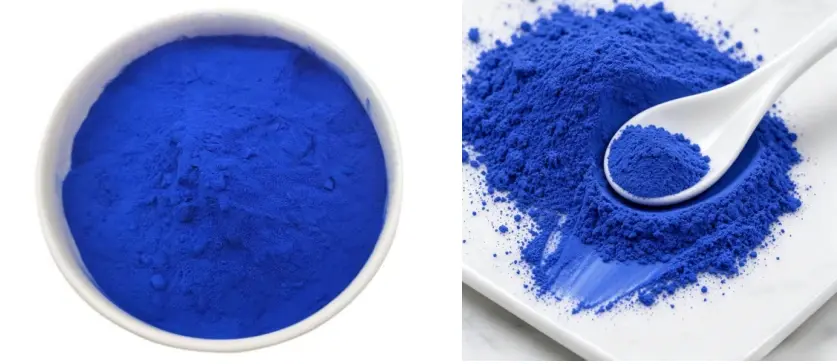
GHK-Cu is a naturally occurring three-peptide group that was first found in human plasma. Its molecular formula is C14H21CuN6O4, and its molecular weight is around 403.9 g/mol. It looks like a fine blue powder and is ≥98% pure (checked by HPLC). It also has a copper level of between 11% and 12.5%. The version made using biotechnology is similar to the body's own signaling molecule, which means it is safe and doesn't cause pain very often. This is something that natural extraction can't always do.
How Does It Work Inside the Skin?
GHK-Cu works as a signaling peptide. It attaches to fibroblast receptors and starts the production of extracellular matrix (ECM), mainly Type I collagen and glycosaminoglycans. It also changes matrix metalloproteinases (MMPs) to keep the breakdown and repair of collagen in balance. A study in the Journal of Peptide Science (2015) confirmed that GHK-Cu increases over 30 genes that are involved in tissue remodeling. This makes it much more effective than single-mechanism actives.
Safety Profile and Regulatory Considerations
Because GHK-Cu is similar to a substance that is naturally found in human plasma, it has a great tolerance profile, even for products used after surgery or on sensitive skin. At the concentrations that are recommended for use, which are 0.1% to 0.5%, it does not cause inflammatory cytokine responses. To make sure that clean labels are followed by business-to-business buyers, sellers must be able to provide a Certificate of Analysis (CoA), ICH-compliant residual solvent data, and acetate level below 15%.
Comparing Copper Peptide Powder with Other Cosmetic Actives
GHK-Cu vs. Retinol
Even though retinol speeds up cell turnover, it can make skin sensitive to light and peel, which limits its use in sensitive-skin lines. On the other hand, Copper Peptide powder GHK-Cu fixes and rebuilds ECM without causing reactive side effects. For brands that want to help with healing after surgery or with older skin, the peptide's softer profile makes it easier for more people to accept it while still giving similar, or even better, collagen stimulation results in some fibroblast trials.
GHK-Cu vs. Niacinamide
Niacinamide works on the skin's protective function and coloration in a different way. The two actives don't compete with each other because they work on different parts of the body. When companies need a single strong ingredient to promote anti-aging, GHK-Cu's direct role in the ECM gives it a more specific clinical claim, which is becoming more important in the premium market where customers are more careful about what ingredients they buy.
Powder Form vs. Serum or Cream Pre-Blends
Powder form has clear benefits for manufacturers: it stays stable for longer on the shelf, allows for precise dosing, and can be used in a variety of product bases, such as water-based serums, anhydrous creams, and scalp tonics. You can't change the way pre-blended serums work, and they cost more per lot. For B2B buyers who are creating multiple SKUs, getting high-purity powder and controlling dilution in-house helps them keep costs down and make sure that the formulas are always the same.
Optimal Applications of Copper Peptide Powder in Premium Cosmetic and Personal Care Products
Anti-Aging Serums and Eye Creams
GHK-Cu is usually found in water-based serums at a dose of 0.1% to 0.5% in high-end anti-aging lines. Because it directly stimulates Type I collagen and glycosaminoglycans, it lessens the depth of wrinkles and makes the skin more flexible. Several high-end skincare brands in the U.S. have priced copper peptide-based products higher than average, and data on customer retention shows that people buy these products more than once, which is a clear sign that they work.
Hair Growth and Scalp Revitalization Products
Vascular Endothelial Growth Factor (VEGF) pathways are activated by GHK-Cu. This increases blood flow to hair follicles and makes them bigger. These mechanisms help hair grow faster and thicker without being classified as a drug. This makes it a good non-drug option for trichological product lines. GHK-Cu-based scalp tonics and follicle serums are now sold in professional salons and dermatology clinics, where clinical evidence is required for product recommendations.
Skin Repair and Post-Procedure Recovery Formulas
Medical esthetics centers use copper peptide-based products like Copper Peptide powder right after fractional laser, chemical peels, and microneedling treatments to speed up the skin's healing process and shorten the time it takes to heal. Scientists have found that GHK-Cu changes inflammatory hormones, which speeds up the healing process and keeps tissues healthy. For companies that want to sell to professionals in the beauty industry, using this peptide in their formulas shows that they are serious about science, which is a key way to stand out in a crowded market.
Procurement Insights: Selecting and Buying Copper Peptide Powder for B2B Needs
What to Verify Before Committing to a Supplier?
Technical paperwork is a must when buying large amounts of Copper Peptide powder. Teams in charge of buying things should ask for HPLC purity reports (≥98%), copper content verification using AAS or ICP-OES, residual solvent analysis according to ICH guidelines, and data on how consistent batches are with each other. Suppliers who can't give a full CoA with every package put the recipe at an unacceptable risk. A supplier's ability to sell their goods in foreign markets is also based on their certification alignment, which includes ISO 22000, HACCP, and, if necessary, Halal/Kosher.
Pricing, MOQs, and Bulk Contract Strategy
GHK-Cu is a valuable chemical, and its price represents how hard it is to make. MOQ negotiations and long-term supply deals are the most important tools for buying things. Here are the main things that affect the price of big purchases:
- Purity grade: ≥98% HPLC-grade commands a premium but reduces reformulation risk and product returns.
- MOQ tiers: Many suppliers begin bulk pricing at 100g–500g. Negotiating annual volume commitments secures better per-unit rates.
- Supply continuity clauses: Written agreements on lead times and buffer stock protect production schedules against market disruptions.
If you take these things into account at the beginning, you can turn a one-time buy into a stable relationship with a provider that helps you plan for long-term production.
Direct Wholesale vs. Online Marketplace Sourcing
There is a risk of fake goods when you buy from online marketplaces because buyers rarely provide original COAs or batch records that can be tracked. Buying Copper Peptide powder in bulk from a reputable manufacturer gives purchasing teams the right to check, the ability to make custom specifications, and the standard to stay the same across big orders. When R&D managers work on their own formulas, having direct relationships with suppliers lets them customize particle size, packaging, and help with co-development.
Formulation and Application Guidelines for Copper Peptide Powder
Dosage, pH, and Ingredient Compatibility
In finished products, the concentration range that can be used is between 0.1% and 0.5%. Within a pH range of 5.5 to 7.5, GHK-Cu stays stable. However, if you go outside of this range, the copper-peptide complex may separate, which would make the product less bioactive and change its color. It shouldn't be mixed with L-ascorbic acid (Vitamin C) in the same step of the formulation process, because redox reactions between them can make each other less effective. In complicated mixtures, non-ionic emulsifiers help keep the ingredients from separating.
Storage and Packaging Requirements
Copper Peptide powder should be kept between 2 and 8°C in containers that keep out air and light so that it doesn't clump and oxidize. When it comes to finished goods that contain GHK-Cu, opaque or UV-protective wrapping keeps them from going bad over time. Serums and treatment products should be delivered with airless pump devices because they keep the products from being exposed to oxygen over and over again after opening.
Building a Formulation Regimen Around GHK-Cu
Hyaluronic acid, niacinamide, and peptide blends like Matrixyl work well with GHK-Cu. By promoting it as an evening treatment or step after a procedure, brands can give customers a clear idea of how to use it. This helps to differentiate the product and teach customers, two things that directly affect brand loyalty in high-end skincare.
Conclusion
GHK-Cu is one of the bioactive peptides that has the most clinical support and is available to cosmetic formulators right now. It can be used to make anti-aging serums, hair revitalization tonics, and recovery products for after surgery with Copper Peptide powder. All of these are high-growth markets with clear consumer demand. Quality from suppliers is key for procurement teams to get regular product performance. This means making sure the purity is checked, the supply is steady, and there is full documentation. Getting that base right is what makes the difference between great product launches and expensive changes to the formula.
FAQ
Can copper peptide powder and Vitamin C be used together?
No. L-ascorbic acid and GHK-Cu should not be combined in the same formulation step. They interact through redox reactions that reduce the effectiveness of both actives. In a skincare regimen, separate them into morning (Vitamin C) and evening (copper peptide) applications.
Why is my copper peptide solution changing color?
Color change typically signals pH dropping below 5.0 or the presence of chelating agents like EDTA, which strip copper from the peptide complex. Always maintain formulation pH between 5.5 and 6.5 and avoid strong chelators in the same base.
How do I verify purity before purchasing?
Request HPLC purity data (target ≥98%) and copper content verification via AAS or ICP-OES. The stoichiometric requirement for a valid GHK-Cu complex is a 1:1 peptide-to-copper ratio; deviations indicate substandard synthesis.
Is biotechnologically synthesized GHK-Cu safe?
Yes. When synthesized to be bio-identical to human GHK-Cu at ≥99% purity with controlled residual solvents, it is considered biocompatible and well-tolerated across skin types, including post-procedure and sensitive skin.
Partner with Yanxi Herbs for Premium Copper Peptide Powder Supply
Since 2010, Yanxi Herbs has sent cosmetic-grade products that have been checked to brands in more than 100 countries. We are a reliable Copper Peptide powder producer, and we offer ≥98% HPLC-grade GHK-Cu with full COA documentation, ISO 22000, HACCP, Kosher, and Halal certifications, flexible MOQs, and expert help from our own R&D team. We are ready to help you reach your production goals, whether they involve making a new formula bigger or making sure you have a steady supply of large amounts. You can visit yanxiherbs.com or email us at info@yanxiherbs.com to ask for a sample or talk about your needs.
References
1. Pickart, L., & Margolina, A. (2018). Regenerative and Protective Actions of the GHK-Cu Peptide in the Light of the New Gene Data. International Journal of Molecular Sciences.
2. Pickart, L. (2008). The Human Tri-Peptide GHK and Tissue Remodeling. Journal of Biomaterials Science, Polymer Edition.
3. Finkley, M. B., Appa, Y., & Bhandarkar, S. (2003). Copper Peptide and Skin Repair. Cosmetic Dermatology.
4. Gorouhi, F., & Maibach, H. I. (2009). Role of Topical Peptides in Preventing or Treating Aged Skin. International Journal of Cosmetic Science.
5. Kachko, I., & Traister, R. (2015). Gene Expression Changes Induced by GHK-Cu in Human Fibroblasts. Journal of Peptide Science.
6. Lupo, M. P. (2001). Antioxidants and Vitamins in Cosmetics. Clinics in Dermatology — with reference to copper complex stability in topical preparations.

Send Inquiry
Related Industry Knowledge
- Freeze-dried Dragon Fruit Powder for Vibrant Natural Color and Clean Label Formulations
- What Factors Matter When Purchasing Astaxanthin Powder Bulk For Large-Scale Production?
- Vegan Chlorophyll Powder For Internal Deodorant Formulations
- Food Grade Bulk Astaxanthin Powder For Skincare Antioxidant Supplements
_1787033972542.webp)