
What Manufacturing Applications Can Bulk Rose Powder Serve in Food and Personal Care Products?
Oct 03, 2026
In the food and personal care industries, bulk rose powder is used in a variety of manufacturing processes. This finely ground plant ingredient comes from Rosa damascena or Rosa centifolia flowers that have been dehydrated in a controlled way. It has uniform colour, smell, and biological performance at scale. Natural food colouring, flavouring, and useful nutrients are used by food companies in drinks, baked goods, and sweets. Because it is an antioxidant and a healing agent, personal care brands use it in hair and skin care products. Its shelf-stable format and consistent particle size make it a good choice for B2B procurement teams that care about batch consistency and clean label requirements.
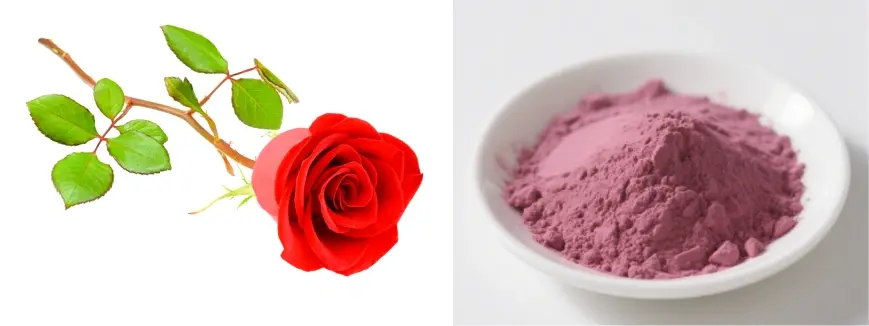
Understanding Bulk Rose Powder: Properties and Benefits for Manufacturing
What Makes Rose Petal Powder Different from Other Rose Derivatives?
The fibre structure of the whole flower is kept in dried rose petal powder, which means it has more polyphenols and anthocyanins than rose water or liquid extracts. Its bits are usually between 80 and 200 mesh, which makes it simple to spread out evenly in mixes that don't contain water. This kind doesn't have the water activity issues that make liquid-based ones go bad faster, so it's a more stable material that can be used in industry.
Key Bioactive Compounds and Their Functions
Rose flower powder has a lot of flavonoids, vitamin C, geraniol, and nerol. These chemicals can reduce inflammation, protect cells from damage, and slightly tighten skin. The scented volatiles nerol and geraniol also give off a natural scent that doesn't come from any man-made ingredients. This directly supports the growth of clean-label products in the food and beauty industries.
Why Stability and Safety Matter at Scale?
A big output risk for large-scale manufacturing is that materials can change. Rose powder that is less than 5% wet doesn't let germs grow and stays coloured for a long time. As long as the anthocyanin colours are kept below 25°C in cases with tight lids that keep out light, they will not change. The nutrient can be used in high-quality ways that need to follow ISO 22000 or HACCP rules because of these physical traits.
Manufacturing Applications of Bulk Rose Powder in Food Products
Rose petal powder is no longer just used for one thing. It's now used in a lot of different types of popular food as both a useful ingredient and a way to make the food taste different. Because it doesn't change when heated and works better in low-moisture areas than liquid flavorings, especially in baked goods and sweets.
Beverages and Functional Drink Formulations
Rose powder adds a natural pink color and a light floral note to drinks without using artificial dyes. It goes well with herbal teas, infused water, and drinks made with milk or cream. It's also used by R&D teams in beauty-from-within drink powders, where the antioxidants help promote a healthy image. It works the same way in repeated batch runs when the use rate is between 0.5 and 2%.
Confectionery, Bakery, and Chocolate Applications
Bulk Rose Powder is used by both artisan chocolate makers and factory bakers to make their treats look better and taste better. It keeps the color even at low baking temperatures, which is something that liquid colorants often can't do. In chocolate making, it gives the chocolate a complex flavor and works as a natural colorant, making it better than liquid alternatives in places where water activity needs to be controlled.
Storage and Handling Best Practices for Food-Grade Use
Food-grade rose powder should be kept in a cool, dry place that is out of the sun's direct light. Putting things in containers that don't let air or water in stops volatile oils from going bad and keeps the anthocyanin color. Before adding the ingredient to production lines, procurement teams should ask for Certificates of Analysis (COA) that show that pesticide residue screening, heavy metal analysis, and microbial testing have been done.
Manufacturing Applications of Bulk Rose Powder in Personal Care Products
The personal care market is one of the places where plant powders are growing the fastest. The global botanical ingredients market report says that the demand for plant-based actives in skin care keeps going up year after year. This is because people want clear, natural products. There is a clear demand trend for rose powder in this list.
Skincare Formulations: Masks, Scrubs, and Solid Cleansers
Finely ground rose petal powder is used in solid cleansers and clay masks that don't need water because it gently exfoliates the skin and delivers plant actives. Its very fine texture easily removes dirt from the surface without hurting it. It is also used by skin care research and development teams in exfoliating scrubs, where it helps reduce inflammation while keeping the product's good looks.
Haircare Applications and Scalp Health
The flavonoids in rose powder help blood flow to the head and protect hair cells from oxidative stress. It is added to hair products, dry shampoo powders, and conditioning treatments by hair care makers. It has a light, natural smell, so synthetic fragrance chemicals are not needed as much. This makes the ingredient a good choice for clean-beauty and organic-certified haircare lines that want to attract health-conscious customers.
Organic vs. Conventional Rose Powder for Cosmetic Formulators
GC-MS/LC-MS/MS tests are used to look for pesticide residues in organic rose powder, and the powder has been shown to meet USDA or EU Organic guidelines. This means that it can be used for lines of high-end or natural products that have been approved. It is easier to find regular rose powder, it costs less, and it is still safe as long as you buy it from a safe source. The people who make the goods should think about how it fits into the market before they choose between the two grades.
Procurement and Quality Considerations for Bulk Rose Powder in Manufacturing
When buying Bulk Rose Powder ingredients for a business, quality consistency is a must. One batch that doesn't meet specifications can mess up the whole production process and hurt brand ties further down the line. Managers in charge of buying things should compare sellers to clear technical and legal standards.
Responsible buyers put these basic quality checks at the top of their list:
- ICP-MS heavy metal analysis to make sure that the levels for Pb, As, Hg, and Cd set by international norms are being met.
- Microbial tests that includes Total Plate Count, Yeast & Mould, E. coli, and Salmonella to make sure the safety of the customer and the security of the product on the store.
- GC-MS/LC-MS/MS is used to check for pesticide residues, which is especially important for batches that are organically approved.
- Anthocyanin stability testing in UV and heat to make sure that the product's colour and useful properties stay the same over time.
- Full list of ingredients, including whether spray-dried versions have carriers like maltodextrin, backed up by HPLC records.
It is clear to procurement and quality managers what they are buying at these checkpoints. When suppliers give full documentation up front, they meet the standards for traceability that are expected in global supply chains for cosmetics and food.
Supplier Certification and Compliance Requirements
Buyers looking for goods to sell in the U.S. or Europe should make sure that the sellers they are considering have ISO 22000, HACCP, Kosher, and Halal certifications. These references show that the company follows manufacturing and food safety standards that are known all over the world. If necessary, ask for third-party SGS test reports.
Pricing Considerations: Organic vs. Conventional, Powder vs. Extract
Due to the higher costs of growing and certifying organic rose petal powder, it costs 20–40% more than regular grades. Spray-dried rose oils cost more per kilogram, but they work better in smaller amounts. Instead of going with the cheapest choice, procurement teams should match the style to the needs of the application.
Future Trends and Innovations in Manufacturing with Bulk Rose Powder
Clean-label and plant-based ingredient demands are changing how ingredients are sourced across all categories. According to market research reports, the global botanical extracts market was worth about USD 6.7 billion in 2023 and is expected to keep growing at a rate of over 7% per year until 2030.
Advanced Processing Techniques Improving Bioavailability
When compared to standard air-drying methods, freeze-drying and spray-drying now keep more of the heat-sensitive polyphenols. These changes directly lead to better functional performance per gram, which is good for both vitamin makers and skin care companies that want to use clinically useful actives.
Sustainable Sourcing and Traceability
More and more, manufacturers want farm-to-batch traceability paperwork, especially when they want to export to the U.S. and EU markets. Sustainable buying practices, such as farms with little or no manmade inputs and crops that use little water, are moving from being choice differentiators to standard requirements for suppliers.
Market Alignment with Wellness and Nutricosmetic Trends
One of the best places for rose petal powder to grow is in the nutricosmetics segment, which is the link between beauty products and dietary supplements. Beauty-from-within capsules and functional teas with standardized rose powder extracts are becoming more popular in North America's biggest stores and online.
Conclusion
For a long time, Bulk Rose Powder has been used to make food, vitamins, and personal care items. Many types of brands can use this ingredient because it is reliable, has a useful mix, and has a clean label. For buying teams, the most important thing is to only buy from sellers who can show good paperwork, regular batch performance, and stable transportation. Even though the market for plant ingredients is still growing, rose powder is still a good choice that should be a part of long-term ingredient plans.
FAQ
What is the difference between rose petal powder and rose extract?
Whole dried and ground rose petals are what make rose petal powder. The fibers and bulk are still there. As a concentrated, water-soluble form, rose extract is made by isolating certain active ingredients and making them stronger. Powder works well for exfoliation and dry formulations, while extract works well for liquid applications that need precise dosing.
How should rose powder be stored to maintain quality?
Keep below 25°C in containers that are vacuum-sealed and don't let light in. Keep the plant away from humidity because moisture levels above 5% speed up the growth of microbes and the breakdown of anthocyanin.
Is rose petal powder compatible with oil-based cosmetic formulations?
It doesn't dissolve in oil, but its fine mesh size (80–200 mesh) makes it solid in balms and bases that don't contain water when a high-shear mixer is used to make it.
Does spray-dried rose powder contain fillers like maltodextrin?
Pure flower powder doesn't have any fillers in it. Maltodextrin may be used as a processing aid in spray-dried versions. Before you buy something, you should always ask your supplier for HPLC documentation and a full list of all the ingredients.
What certifications should I require from a bulk rose powder supplier?
At the very least, ask for ISO 22000, HACCP, Kosher, and Halal certifications. For organic product lines, you need to have USDA Organic certification or a similar certification with test records that show pesticide residues.
Source Your Next Batch of Rose Powder with Yanxi Herbs
From 2010 to now, Yanxi Herbs has been making and sending botanical ingredients to more than 100 countries. As a reliable Bulk Rose Powder provider, we offer product lines that are ISO 22000, HACCP, SGS, Kosher, and Halal-certified and come with full documentation that shows how they were made. For R&D customization, adjustable order amounts, and quick shipping to markets in the U.S. and Europe, our team is here to help. Visit yanxiherbs.com or email us at info@yanxiherbs.com to get a sample or price quote right away.
References
1. Grand View Research. Botanical Extracts Market Size, Share & Trends Analysis Report. 2023.
2. Boskabady, M. H., et al. "Pharmacological Effects of Rosa damascena." Iranian Journal of Basic Medical Sciences. 2011.
3. Shohayeb, M., et al. "Antioxidant Activity of Rosa damascena Petal Extracts." Journal of Medicinal Plants Research. 2012.
4. Vinayak, M., & Maurya, A. K. "Rose Petals as a Functional Food Ingredient: A Review." Journal of Food Science and Technology. 2020.
5. Markets and Markets. Natural Food Colors Market — Global Forecast to 2028. 2023.
6. Euromonitor International. Beauty and Personal Care: Plant-Based Ingredient Trends in North America. 2023.

Send Inquiry
Related Industry Knowledge
- Bulk Phycocyanin Powder Supports Stable Natural Blue Coloring For Food And Beverage Production
- How Can Purple Yam Powder Enhance Color and Texture in Food Product Development?
- Chlorophyll Powder Offers Stable Plant-Based Coloring Options For Food And Beverage Manufacturers
- Freeze-Dried Lemon Powder Helps Brands Develop Natural Citrus Products with Extended Storage Flexibility
_1787033972542.webp)