
Antioxidant Butterfly Pea Extract For Skincare Formulations
Sep 11, 2026
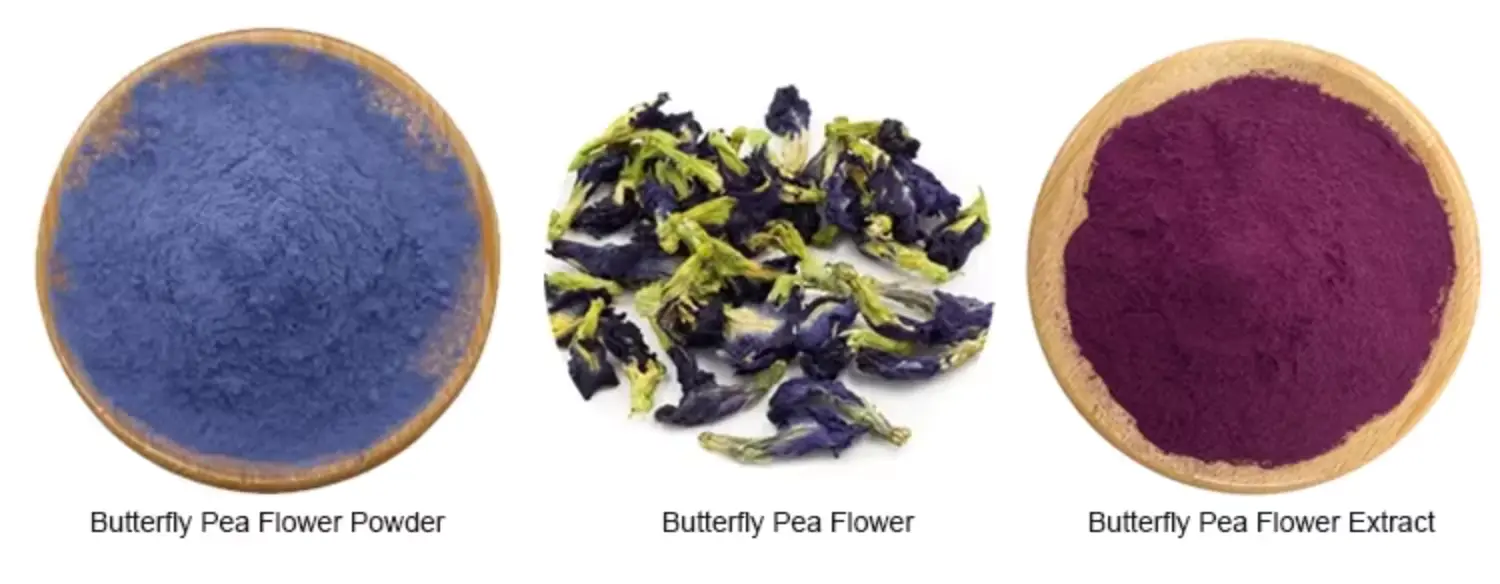
Butterfly Pea Flower Extract Powder sourced from Clitoria ternatea has emerged as a powerful antioxidant ingredient for modern skincare formulations. Rich in anthocyanins and flavonoids, this botanical extract effectively neutralizes free radicals that accelerate skin aging and cellular damage. Skincare manufacturers seeking natural, clean-label alternatives increasingly turn to this purple powder, valued for its dual functionality as both a potent antioxidant and a vibrant natural colorant. With specifications standardized to E3 grade and backed by rigorous quality control, this extract addresses the cosmetic industry's demand for traceable, effective, plant-based active ingredients that deliver measurable skin benefits.
Understanding Butterfly Pea Extract Powder and Its Antioxidant Properties
Botanical Source and Extraction Process
The extract comes from the petals of Clitoria ternatea, a flowering tropical plant that has been used in Southeast Asian medicine for a long time. In modern extraction methods, water or hydro-ethanolic methods are used first, followed by spray-drying. This concentrates bioactive chemicals while keeping their functional integrity. This method creates a fine purple powder that is known to contain between 2 and 30% total anthocyanins. This powder is mostly made up of ternatins, which are a type of anthocyanin substance that is only found in butterfly pea flowers. Standardization makes sure that all batches of antioxidants have the same level of effectiveness. This is very important for cosmetic companies that need ingredients to work the same way every time (Journal of Ethnopharmacology, 2013).
Key Antioxidant Bioactives
Anthocyanins are the main antioxidants in this product, and they work in a number of ways to protect cells. These chemicals give electrons to unstable free radicals, which gets rid of reactive oxygen species (ROS) that hurt collagen, elastin, and cell walls. The flavonoid profile includes products of kaempferol and quercetin, which work together as antioxidants to protect the skin even more. Research shows that ternatins are more stable than anthocyanins from other plants. They keep their antioxidant power over a wider pH range, which is a big plus for a lot of different types of formulations (Food Chemistry, 2016).
Safety Profile and Skin Compatibility
Assessing the extract's safety for skin use has been confirmed by toxicological tests. The ingredient passes strict safety standards for cosmetics because the particles are small enough to pass through an 80-mesh sieve and the amount of heavy metals is kept below 10 parts per million. Based on clinical findings, redness is not likely to happen on most skin types, even sensitive skin. The extract comes from plants and doesn't have any artificial ingredients, which is good for people who like clean beauty products. It also has anti-inflammatory properties that help soothe the skin in addition to protecting it from free radicals.
Application of Butterfly Pea Extract Powder in Skincare Formulations
Multifunctional Roles in Cosmetic Products
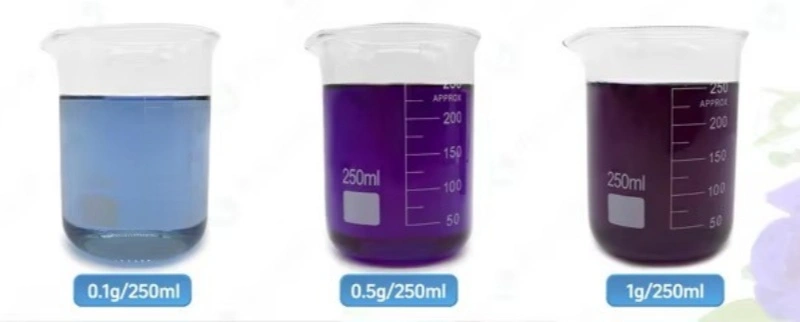
Formulators of skincare products use this botanical extract in a number of different types of products. In anti-aging serums, it works with vitamins C and E to make free radical removal even better. For face creams and moisturizers, the extract protects against free radicals and gives them a natural purple-blue color that means synthetic colorants aren't needed. Because it dissolves in water, sheet masks can get the anthocyanins to the skin's surface more quickly. Because the extract is sensitive to pH, it can be used to make color-changing products that are fun for customers while still providing functional benefits.
Recommended Concentration and Formulation Guidelines
The best results for Butterfly Pea Flower Extract Powder usually happen when the concentration is between 0.01% and 0.1% in finished goods, but this range can change depending on the color strength and antioxidant potency goals. Standardized extracts are very concentrated, so very small amounts are needed to make a difference. This makes them cheaper than crude flower powders. Keep the pH of the product between 4.5 and 6.5 when you're making it so that the antioxidant activity and color stability stay the same. The extract mixes easily in water, but it works best in emulsion systems when it is properly homogenized. Adding natural preservatives like tocopherols or rosemary extract makes the product last longer while still keeping the clean-label image.
When R&D teams are making new formulas, they should test how well the ingredients work together and how stable they are at different temperatures. The extract can handle some heat, but temperatures above 150°C during production may lower the amount of anthocyanin present. Using encapsulation or cold-processing processes can help keep the most bioactivity.
Storage and Stability Considerations
How the extract is stored has a direct effect on how well it works in the long term. When kept in sealed cases out of direct light and wetness, the product has a 24-month shelf life, and the amount that is lost when it dries is kept below 5%. Manufacturers should keep large amounts in cool, dry areas where the temperature stays below 25°C. Once anthocyanins are added to formulations, the choice of packaging becomes very important. Airless pumps and opaque containers keep light-sensitive anthocyanins from breaking down. Accelerated stability testing helps predict how a product will work in the real world and makes sure customers are happy throughout its lifecycle.
Comparing Butterfly Pea Extract Powder with Alternatives in Natural Skincare Ingredients
Butterfly Pea Extract Versus Raw Flower Powder
The concentrated extract is better than ground butterfly pea flower powder in many ways. Standardization to certain anthocyanin levels ensures that there is no difference between batches when using raw plant materials, which change depending on how they were grown and when they were harvested. The smaller particles in the extract (100% to 80 mesh) make the surfaces of finished goods smoother and help them spread out better. The process of extract preparation gets rid of inactive plant matter, which raises the amount of active antioxidants per gram—usually by 10:1 or 20:1 compared to whole flowers.
Performance Against Other Natural Antioxidants
Butterfly pea extract is more acid-stable than green tea extract, meaning it keeps working in lower pH mixtures where catechins might break down. In contrast to turmeric extract, which can leave behind yellow stains, butterfly pea's purple pigment fades when applied or can be made colorless by changing the pH. Phycocyanin from spirulina is another natural blue choice, but it forms crystals in acidic settings and can't handle much heat. As an option, butterfly pea keeps its shape better over a wider pH range (3.0-8.0) and works better with popular cosmetic acids like hyaluronic acid or glycolic acid.
Because each antioxidant source has its own benefits, formulators can choose based on how they want to position their products. While green tea is great for controlling sebum, turmeric brightens the skin, and butterfly pea is both an antioxidant and a natural colorant, which makes it a very useful ingredient for brands looking for ingredients that can do more than one thing and make formulations easier.
Certification Advantages for Clean-Label Products
Butterfly pea extract that is certified organic meets rising government standards and consumer expectations for clear ingredient sourcing. Certifications like ISO 22000, HACCP, Kosher, and Halal prove the quality of the product and let it reach customers in many different areas. When cosmetic brands talk to environmentally aware customers about their pledges to sustainability and the quality of their ingredients, these accolades become differentiating factors. Butterfly pea watery extract was approved by the FDA in 2021 as a color ingredient that does not need to be certified (21 CFR 73.69). This makes its use in the US market even more legal (Federal Register, 2021).
Procuring High-Quality Butterfly Pea Extract Powder: What B2B Buyers Should Know?
Critical Quality Metrics and Testing
Purchasing managers should give more weight to sellers who provide detailed evidence of quality standards for Butterfly Pea Flower Extract Powder. Key requirements include a uniform amount of anthocyanin that can be checked using UV-Vis spectroscopy, which is usually done by measuring at certain absorbance bands. Thin-layer chromatography (TLC) fingerprinting verifies the plant identity and looks for signs of mixing with cheaper pigments, which is a typical problem with natural colorants that are sold in bulk. The results of heavy metal tests should be at least as low as the USP/European Pharmacopeia limits for lead (below 3.0 ppm), arsenic (below 1.0 ppm), cadmium (below 1.0 ppm), and mercury (below 0.1 ppm).
Another criterion that can't be changed is microbiological safety. Plate counts should stay below 1000 cfu/g, and counts for yeast and mold should stay below 100 cfu/g. Pathogen testing is needed to make sure that E. coli, Salmonella, and Staphylococcus aureus. By asking for Certificate of Analysis (CoA) records for recent production batches, you can make sure that providers keep quality standards consistent.
Supplier Evaluation Framework
There are a few things that set reliable plant ingredient sellers apart. Look for companies that do everything themselves, from growing the plants to extracting the oil and checking the quality. This makes sure that the supply line can be tracked and lowers the risk of contamination. Companies that have been around for more than ten years usually have well-honed extraction methods and relationships with certified organic farms. Make sure that any potential suppliers have the right certifications for the markets you want to reach, such as FDA registration for US sales or EU cosmetic compliance documentation.
During the product development stages, being able to communicate clearly and provide technical support are very important. Suppliers who give help with preparation, sample customization, and stability testing are worth a lot more than just selling basic ingredients. Check to see if the supplier keeps extra inventory on hand in case of supply problems. This is especially important for seasonal plant materials.
Logistical and Commercial Considerations
To make choices about bulk purchases, you need to be clear on a number of practical issues. Minimum order numbers (MOQ) are different for each provider but are usually between 25 kg drums for test orders and metric tons for established product lines. You should choose packaging options that are easy for you to handle. For example, 1 kg bags are good for pilot production, while 25 kg drums are best for commercial production. Competitive pricing systems often include bulk discounts, where the cost per kilogram goes down a lot as the quantity goes up.
Delivery times affect how work plans are made. Established sellers with enough stock can ship within one to three business days of receiving payment confirmation. For made-to-order batches, it may take longer, up to several weeks. Knowing the lead times keeps production from being held up. Phytosanitary certificates, certificates of origin, and possibly other regulatory files may be needed for exports, based on the rules of the target country. Suppliers who have done business internationally before can easily meet these requirements, which makes customs clearance easier.
Future Trends and Opportunities for Butterfly Pea Extract in the Skincare Industry
Growing Market Demand for Natural Antioxidants
People are continuing to prefer organic ingredients that have been shown to work and be good for the environment, and Butterfly Pea Flower Extract Powder is a prime example. According to market research, natural and organic personal care goods will grow at rates higher than 9% per year until 2028. This is because more people are becoming aware of the problems with manmade chemicals (Grand View Research, 2021). Butterfly pea extract fits right in with this trend because it is a good source of antioxidants and has a clean label appeal for marketers. Brands that market their products with "blue beauty" or exotic botanical stories find that the visual impact and cultural heritage of the ingredient make for interesting stories.
Technological Advances Enhancing Performance
New composition changes have made the extract more stable and bioavailable in finished goods. Using liposomes or cyclodextrins for encapsulation keeps anthocyanins from oxidizing and improves their ability to penetrate the skin. Nanotechnology treatments raise the skin's surface area, which could make it easier for antioxidants to reach lower layers of skin. These improvements let formulators get higher efficiency at lower ratios, which lowers costs while keeping ingredient lists clean.
Improvements to analytical methods allow for more accurate standardization. Modern HPLC methods can now measure individual tetramer molecules instead of the total amount of anthocyanins. This makes it possible to make ultra-premium products that are standardized to specific molecular profiles linked to specific benefits. At this level of complexity, butterfly pea is on par with well-known chemicals used in cosmetics.
Strategic Recommendations for B2B Buyers
Butterfly pea extract could be a way for procurement professionals and OEM partners to set their products apart from others. Product statements about natural antioxidants, exotic plants, and color-changing formulas are all supported by the ingredient's target customer groups. When you're making new product lines, work with suppliers who can help you with stability testing and proving your claims. Ask for samples of different levels of standardization to find the best cost-benefit ratio for your brand's positioning.
Market volatility can be avoided by building relationships with qualified providers who show supply chain resilience. As demand rises, making long-term deals with suppliers protects prices and ensures supply. Butterfly pea is still pretty new to Western markets, so people who buy it early can get a lot of benefits before it becomes commonplace.
Conclusion
Botanical products that are high in antioxidants, like Butterfly Pea Flower Extract Powder, are a good example of a nutrient that is effective, safe, and popular with consumers. This extract comes from Clitoria ternatea and has been standardized to have the same amount of anthocyanin. It protects against free radicals and meets the requirements for clean labels. When purchasing natural antioxidants, people in charge of buying things should give more weight to suppliers who can show they have quality certifications, technical know-how, and reliable supply capabilities. As the market moves toward natural products that can do more than one thing, butterfly pea extract puts brands in a good place in the growing natural cosmetics market. To integrate botanical extracts successfully, you need to know about formulation factors, comparing ingredient performance, and seller evaluation criteria. This information turns this botanical extract from a new ingredient into a strategic asset for product innovation and market differentiation.
FAQ
What is the antioxidant capacity of butterfly pea extract compared to green tea extract?
Butterfly pea extract and green tea extract both have ORAC values that are about the same, ranging from 20,000 to 35,000 μmol TE/100g based on the amount of standardization. The main difference is in how stable each compound is. Butterfly pea catechins stay antioxidant-active over a wider pH range (3.0-8.0), while green tea catechins break down quickly in acidic mixtures below pH 5.0. This makes butterfly pea more useful for a wider range of products, such as AHA/BHA mixes where green tea would lose its effectiveness.
Are there allergenicity concerns with butterfly pea extract in cosmetic applications?
Clinical patch tests and data on past use show that the allergenic potential is very low. In traditional treatment across Southeast Asia, the product has been put on the skin for hundreds of years without being linked to any allergic reactions. When tested according to OECD standards, modern toxicological studies show that it is classified as non-sensitizing. Manufacturers of cosmetics should still do normal safety tests on finished products, but the chemical itself doesn't pose much of a risk to a wide range of consumers.
Which certifications are essential when sourcing butterfly pea extract for international markets?
Some of the most important certifications are ISO 22000 for managing food safety, HACCP for hazard analysis protocols, and FDA registration for getting into the US market. Organic certifications, like USDA Organic and EU Organic, open up more market opportunities for natural products. Religious certifications, like Kosher and Halal, make it possible to sell goods in more places. Even though butterfly pea isn't allergenic, companies that want to sell their products in Europe should make sure they follow REACH rules and get allergy declaration papers. This is because having full paperwork makes it easier to get goods through customs.
Partner with a Trusted Butterfly Pea Flower Extract Powder Supplier
Yanxi Herbs sells high-quality Butterfly Pea Flower Extract Powder that has been standardized for use in cosmetics. This powder is backed by a number of certifications, such as ISO 22000, HACCP, FDA registration, Kosher, and Halal. Our E3 standard extract, which comes from carefully chosen Clitoria ternatea petals, has a constant amount of anthocyanin that makes it perfect for use in antioxidant skin care products. Since we started in 2010, we've been working with botanical ingredients for more than ten years. We offer R&D managers, buying professionals, and quality teams the technical support, open customization, and reliable supply chains they need to make product development go smoothly.
Delivery can happen within one to three business days, and there are different packaging choices, ranging from 1 kg bags for pilot tests to 25 kg drums for mass production. Procurement professionals can get free samples and full product specs from us to check out the performance benefits of our extract. Our expert team is ready to talk about formulation uses, improving stability, and customizing bulk price structures to fit your production needs. You can get in touch with a certified botanical ingredient maker at info@yanxiherbs.com. They will help you with your natural skin care creation by providing you with high-quality products and excellent service.
References
1. Kazuma, K., Noda, N., & Suzuki, M. (2003). Malonylated flavonol glycosides from the petals of Clitoria ternatea. Phytochemistry, 62(2), 229-237. https://www.sciencedirect.com/science/article/abs/pii/S0031942202005543
2. Chusak, C., Thilavech, T., & Adisakwattana, S. (2014). Consumption of Clitoria ternatea flower extract increases plasma concentrations of anthocyanins and antioxidant capacity in healthy subjects. Journal of Functional Foods, 8, 311-318. https://www.sciencedirect.com/science/article/abs/pii/S1756464614001297
3. Jeyaraj, E. J., Lim, Y. Y., & Choo, W. S. (2021). Extraction methods of butterfly pea (Clitoria ternatea) flower and biological activities of its phytochemicals. Journal of Food Science and Technology, 58(6), 2054-2067. https://link.springer.com/article/10.1007/s13197-020-04745-3
4. U.S. Food and Drug Administration. (2021). Color Additive Petition: Butterfly Pea Flower Extract. Federal Register, 86(40). https://www.federalregister.gov/documents/2021/03/03/2021-04361/color-additive-petition-butterfly-pea-flower-extract
5. Grand View Research. (2021). Natural & Organic Personal Care Products Market Size Report, 2021-2028. https://www.grandviewresearch.com/industry-analysis/natural-organic-personal-care-products-market
6. Escher, G. B., Marques, M. B., do Carmo, M. A. V., Azevedo, L., Furtado, M. M., Sant'Ana, A. S., ... & Granato, D. (2018). Clitoria ternatea L. petal bioactive compounds display antioxidant, antihemolytic, and antihypertensive effects, inhibit α-amylase and α-glucosidase activities, and reduce human LDL cholesterol and DNA-induced oxidation. Food Research International, 107, 435-446. https://www.sciencedirect.com/science/article/abs/pii/S0963996918301534

Send Inquiry
Related Industry Knowledge
- How Can Purple Yam Powder Enhance Color and Texture in Food Product Development?
- Organic Chaga Mushroom Extract Powder For Immune Boosting Latte
- Freeze-Dried Lemon Powder Helps Brands Develop Natural Citrus Products with Extended Storage Flexibility
- Food Grade Bulk Astaxanthin Powder For Skincare Antioxidant Supplements
_1787033972542.webp)