
Bulk Freeze-Dried Apple Powder: Mesh Size, Moisture, and Supplier Quality Checks
Nov 25, 2026
Before you place an order, Bulk Freeze-Dried Apple Powder must meet all written requirements for mesh size, moisture, water activity, and documentation. I think you should ask for 40-80 mesh options, 5% moisture and below, water activity less than .3, and a batch certificate for each lot. Freeze-Dried Apple Powder is a clean-label ingredient for the formulator because it is simply fruit with no added fillers such as maltodextrin. Only if there is a clear specification and strong checks on the suppliers, it remains the same from lot to lot. This guide helps your team evaluate suppliers on facts, not price. It shows how I approach each point.
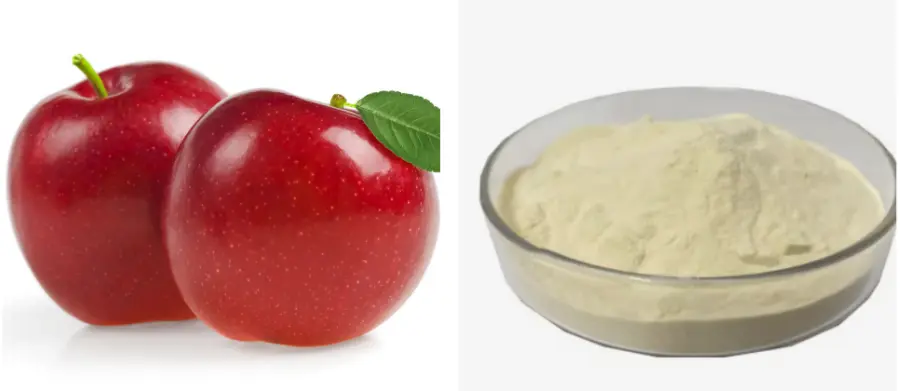
Why Bulk Freeze-Dried Apple Powder Requires More Than a Price Comparison
Treat It as a Technical Ingredient
The low price per kilogram doesn’t tell you much about the behavior of the powder in your plant. Freeze-dried apple powder is just an ingredient to me. Blendability and consistency of the final product are influenced by the mesh size, moisture, water activity, flavor, color, solubility, and microbiological quality. A cheaper offer may use a different apple base, less strict rules, or less effective batch control. These holes often later manifest themselves as clumping, color drift or flavor changes. Before I start comparing quotes, I check that the powder is fit for purpose, the packaging format, the amount to be produced, and the regulations of the final market. Then I look at the overall usable value, like how fast the supplier responds to technical questions, how consistent the quality is, and how well the supplier meets regulatory requirements.
How Freeze-Dried Apple Powder Is Made?
Lyophilization is the freezing of the already prepared apple material by sublimation of water in a vacuum. The temperatures never get high, so the process protects flavor, aroma, color, and heat-sensitive compounds. It is reported that in the area of food engineering, freeze-drying is better than hot-air drying for the quality of food. Normally, in the production process, the fruit is selected, cleaned, cut or pureed, frozen, dried twice, milled, sieved, inspected, and packed. I always ask if the powder is made from whole apples, applesauce, apple juice solids, or a combination of those. The base changes the taste and the solubility. Then the milling and packaging design determines the particle size, flowability, and moisture stability.
Comparing It With Other Apple Ingredients
The product names can be deceiving so I compare ingredients on how they are assembled. Freeze-dried powder of pure fruit with no fillers gives you a distinct taste of apple. Spray-dried apple powders often employ maltodextrin and other carriers. These carriers alter the solids content, sweetness, and nutrient density. Apple Juice Powder may not dissolve, or be as acidic as other powders, but puree powder may mix in more easily, depending on how solid it is. Raw apples have a natural texture, but need fast processing and cold shipping. I look at certification scope, raw material origin, pesticide controls, and U.S. labeling needs, and I compare organic and conventional options. “Apples naturally contain quercetin, catechin, and chlorogenic acid, so the apple base is important,” says a 2004 review in the Nutrition Journal.
Mesh Size, Moisture, and Water Activity: The Core Specifications
Mesh Size and Particle Behavior
The size of the mesh determines how the powder mixes, doses, spreads, and rehydrates. An 80-mesh sieve has holes about 180 microns wide, and a 40-mesh sieve has holes about 425 microns wide. Better grades work best for smoothies, instant drinks, and nutrition blends. Coarser grades can be used in toppings, bakery mixes, and foods with a lot of texture. Different suppliers use different ranges, so I need to know if a 40-80 mesh grade means that particles stay between the sieves or pass through them. I also want to know the method for sieve analysis, the target range, the tolerance, and the percentage of samples that pass the given sieve. When I get the goods, I test samples from a few bags to look for agglomerates and extra fines.
Moisture and Water Activity
Moisture content and water activity measure different properties. Water activity indicates how readily water in a powder supports microbial growth and chemical changes, while moisture content measures the total amount of water it contains. Freeze-Dried Apple Powder absorbs moisture quickly, so excessive water can cause caking, discoloration, flavor loss, and a shorter shelf life. I recommend setting the moisture content at 5.0% or less and water activity below 0.3. Food microbiology references generally place the lower limit for microbial growth near 0.60, so these targets provide a substantial safety margin. Clearly document the maximum moisture content, water activity limit, test methods, sampling plan, and corrective actions required if either specification is exceeded.
Packaging, Shelf Life, and Storage
The package protects what the dryer did. Moisture-proof aluminum foil bags work well, as the powder will absorb moisture from the air. It is stored away from the sun, strong smells, below 25°C, and below 50% relative humidity. In those conditions, the food can last up to 24 months, but I always make sure that the number only applies to unopened packaging. I close a bag tightly when I finish opening it and move the stock around so that the first in is the first out. 1 kg bag is good for tests and samples. Larger formats require less handling, but more careful resealing and more stringent warehouse controls.
Supplier Quality Checks for Bulk Freeze-Dried Apple Powder
Manufacturing Capability and Certifications
First, I would like to know who makes the powder. Some producers freeze-dry and mill their own material; others outsource those processes. This makes it more difficult to control the size and the amount of moisture in the particles. Then I go over food safety certifications that apply to the target market. These include HACCP, ISO 22000, BRCGS, FSSC 22000, organic certification, and non-GMO paperwork. I read the entire certificate, not just the logo. I read the date of issue and the site covered. I also make sure the supplier understands what the FDA and FSMA require for the US. If a supplier can answer these questions quickly and clearly, they probably take the rest of the process just as seriously.
Technical Documents and Testing
The specification, batch certificate of analysis, ingredient statement, allergen declaration, shelf-life data, and traceability records should all be part of a full technical package. First, I look for results on moisture and water activity. Then I look at the microbiological tests to see if there are any Salmonella, E. coli, yeast, or mold on the plates. You can check the quality of this ingredient using HPLC to look for phytonutrient markers like quercetin, the browning index by spectrophotometry, and checks for color, smell, and particle size. Buyers who sell to sensitive markets should ask for GC-MS or LC-MS/MS testing for more than 400 pesticide residues, as well as lead, arsenic, cadmium, and mercury. Results should list the lots that were tested.
Batch Consistency and Change Control
Since one good sample doesn't show much, I ask the supplier how they make sure that lots are all the same. With clear lot numbers, I can find out when and what kind of materials were used to make any bag. Both sides can take the test again if they need to if there is a question. I'd also like a written way to file a complaint and a policy that says any changes to the apple source, milling, or packaging must be approved first. There is no better way for a supplier to show how mature they are than through these systems. These records are very important to me when I compare two suppliers because they tell me if the tenth shipment will be the same as the first.
Matching Freeze-Dried Apple Powder to Your Application
Smoothies, Beverages, and Nutrition Products
Brewers and winemakers should evaluate flavor intensity, mixing performance, settling, lump formation, and particle size when selecting Freeze-Dried Apple Powder. It disperses easily in cold liquids, and a 1:7 powder-to-water ratio generally helps restore the fruit solids and flavor intensity. It also adds natural apple flavor and pectin fiber to protein powders and greens blends without introducing sugar or anti-caking agents. Start with a small test batch to assess compatibility with proteins and other fruit powders. Then check the drink again after ten minutes, as settling and clumping may only become apparent after a short resting period.
Bakery, Confectionery, and Infant Foods
If you make baked goods and confections, you’ll want to talk about heat tolerance, color stability, water absorption, and dough handling. Low-moisture apple powder can be used to boost the taste of chocolate or cream fillings without adding water that might affect the functionality of fats or reduce shelf-life. First, I put contaminant testing on when I make baby porridge and snacks. “Buyers should ask for heavy metal and pesticide testing that is adequate for children and compare the results to their own limits.” I always have a bench trial before I go into full production. This is due to the effect of baking temperature and fat systems on the functionality of the powder.
Pricing Factors and OEM Planning
The price is based on the type of apple, the availability of raw materials, whether the apple is organic, the processing yield, the milling requirements, the packaging, the order volume, the freight, and the controls at the destination market. I don't just look for the cheapest quote; I also figure out the usable yield and use that to compare formulations. For private-label or OEM projects, I spell out the labeling options, minimum order quantities, sample approval steps, lead times, and how the supplier will handle changes to the specifications. By writing these terms down early on, you can avoid arguments later on, and it will be easier to compare suppliers fairly.
A Practical Bulk Buying Process and Mistakes to Avoid
A Step-by-Step Evaluation Process
I do five things. First, I list the use, the yearly volume, the target mesh size, the maximum moisture and water activity, the certification requirements, and the packaging format. Second, I narrow down the list of suppliers based on their ability to produce, experience exporting, quality of documentation, and speed of response. Third, I need samples from production lots that are typical. Fourth, I test them in my own formula for particle size, moisture, sensory quality, microbiology, contaminants, and how well they work. Fifth, before I place my first commercial order, I agree to a written specification, sampling plan, acceptance limits, complaint process, and corrective action procedure. This order of work makes sure that decisions are based on facts.
Common Purchasing Mistakes
Most people make the mistake of taking "freeze-dried" to mean everything. The term doesn't say anything about the fruit's size, its solids, its moisture, its purity, its water activity, or its carrier content. Comparing unit prices without checking formulation and usable yield is another mistake that changes the true cost. Some buyers choose a supplier based on a single sample that doesn't show what other lots will be like. Others forget to follow the rules for the destination market when it comes to certifications, labels, pesticides, and contaminants. I stay away from all four by asking for certificates that are specific to the lot and writing clear acceptance criteria into the purchase agreement. This way, everyone knows what passes and what fails.
Final Buyer Checklist
Before I approve a supplier, I check the type of ingredients, the formulation, whether the ingredients are organic or conventional, the non-GMO requirements, the mesh size, the moisture, the water activity, the flavor, the color, and the ability to dissolve. I check the manufacturing identity, certifications, batch certificates, microbiological and contaminant results, the ability to be tracked, and that the product meets market requirements. I also confirm the business terms, such as the minimum order quantity, the yearly volume, the packaging, the shelf life, the storage needs, the lead time, the delivery terms, and the OEM conditions. A good supplier also helps me choose the mesh size, gives me samples that are typical, and lets me know early on about any issues with lead time or the season. Then, everything is put into a single written brief.
Conclusion
When I buy Freeze-Dried Apple Powder in bulk, it works best when I think of it as a technical ingredient instead of a commodity. The mesh size determines how the material blends, spreads, and rehydrates, while the moisture and water activity keep it fresh and allow it to flow. Putting those gains away and packaging them up does that. Certifications, batch certificates, microbiological and contaminant testing, traceability, and change control are some of the things that suppliers do to make sure that quality will stay the same across lots. Beverages, baked goods, sweets, and baby foods all have different application needs, so each buyer should test samples in the real formula. These points can be used in a fair and consistent way to compare suppliers when they are written down and include measurable acceptance criteria.
FAQ
Which mesh size should I choose?
Better grades are good for smoothies and instant drinks. For bakery mixes and toppings, coarser grades work best. Get a report on the sieve analysis and use a sample in your formula to test it.
Why should I review moisture and water activity together?
The moisture level of the powder tells you how much water it holds, and the water activity level tells you how microbes can get to that water. We want the moisture level to be 5% or less and the water activity level to be below 0.3.
How long is the shelf life, and how should I store it?
If you keep the powder in sealed aluminum foil bags below 25°C and below 50% relative humidity, it can last for 24 months. Make sure that the number refers to packages that have not been opened.
Which documents should I request?
Ask for the specification, the batch certificate of analysis, the microbiological results, the pesticide and heavy metal screening, an allergen statement, and records of how the product was made. Write down the terms of the private label or OEM deal.
Request Bulk Freeze-Dried Apple Powder Specifications and Samples from Yanxi Herbs
Freeze-Dried Apple Powder from Yanxi Herbs is sold to businesses that want to be sure of the details before making a purchase. As a supplier of Freeze-Dried Apple Powder, we can give you information about mesh size options, moisture and water-activity targets, and testing documents. We can also talk about samples, packaging, and OEM needs. Send your order, volume, and destination country to info@yanxiherbs.com. You can also visit yanxiherbs.com for more information.
References
1. Boyer, J., & Liu, R. H. "Apple Phytochemicals and Their Health Benefits." Nutrition Journal, 2004.
2. Ratti, C. "Hot Air and Freeze-Drying of High-Value Foods: A Review." Journal of Food Engineering, 2001.
3. Barbosa-Cánovas, G. V., Fontana, A. J., Schmidt, S. J., & Labuza, T. P. Water Activity in Foods: Fundamentals and Applications. Wiley-Blackwell, 2020.
4. Codex Alimentarius Commission. General Principles of Food Hygiene (CXC 1-1969), 2020.
5. International Organization for Standardization. ISO 22000: Food Safety Management Systems, 2018.
6. U.S. Food and Drug Administration. FSMA Final Rule for Preventive Controls for Human Food, 2015.

Send Inquiry
Related Industry Knowledge
- What Makes Butterfly Pea Flower Powder Suitable for Natural Color Applications?
- Freeze-dried Dragon Fruit Powder for Vibrant Natural Color and Clean Label Formulations
- How Can Beet Powder Be Used In Natural Color And Sports Nutrition Product Development?
- Chlorophyll Powder Offers Stable Plant-Based Coloring Options For Food And Beverage Manufacturers