
What Makes Butterfly Pea Flower Powder Suitable for Natural Color Applications?
Sep 10, 2026
Butterfly Pea Flower Powder stands out as an exceptional natural colorant due to its vibrant blue anthocyanin pigments derived from Clitoria ternatea petals. Unlike synthetic dyes, this botanical ingredient offers pH-responsive color transformation—shifting from deep blue to purple and pink—while maintaining heat stability through pasteurization and baking processes. Its clean-label appeal, combined with multifunctional antioxidant properties and compliance with global food safety standards, addresses critical procurement needs for manufacturers seeking reliable, natural alternatives that resonate with health-conscious consumers and meet regulatory demands.
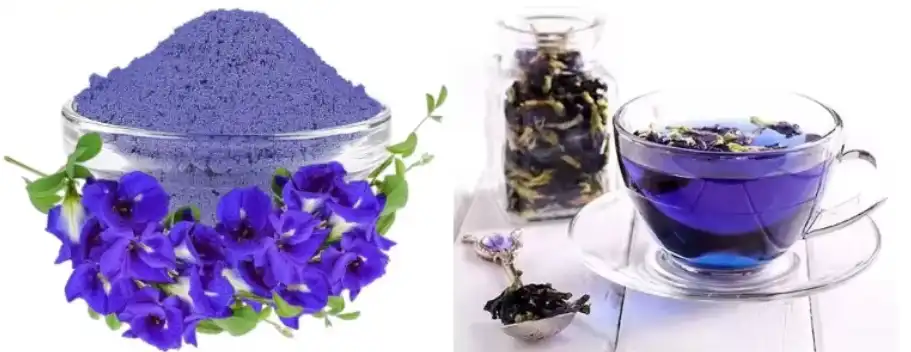
Understanding Butterfly Pea Flower Powder and Its Unique Color Properties
To make high-quality natural colorants, you must first understand where the plants come from. Clitoria ternatea is the plant that makes Butterfly Pea Flower Powder. It is an annual vine that grows in Southeast Asia and has beautiful indigo-blue flowers. Precision low-temperature drying and superfine jet-milling turn the dried petals into a concentrated powder while keeping the bioactive chemicals.
Botanical Source and Production Process
To make sure that the color content stays the same, Clitoria ternatea needs to be grown using careful farming methods. After being picked, the flowers are dried right away to stop enzymes from breaking them down. They are then ground to a particle size range of 80 to 200 mesh. This fine texture makes sure that it dissolves completely in both cold and warm conditions, which is very important for cosmetic emulsions and drink mixes. The factories that make Yanxi Biotech's products follow strict quality standards, such as Loss on Drying ≤5% and Ash Content ≤5%. This makes sure that the consistency from batch to batch that purchasing managers need.
Anthocyanins: The Science Behind Color Transformation
The amazing color comes from ternary anthocyanins, especially chemicals based on delphinidin that naturally show how acidic or basic something is. These molecules have bright blue colors when they are in neutral to slightly alkaline (pH 7-8) conditions. Adding more acidity, like lemon juice or citric acid, changes the chemical structure. At pH 5–6, purple tones appear, and at pH 3–4, pink tones appear. This reaction can go both ways, which lets research and development teams make interactive drinks or add gradient effects to sweets[^1].
Nutritional and Antioxidant Profile
In addition to being pretty, Butterfly Pea Flower Powder has antioxidants called proanthocyanidins that are on par with well-known vitamins. Studies have shown that it may help protect neurons and keep the skin's elasticity, which makes supplement formulations and high-end cosmetic lines more useful. For quality managers looking at how well an ingredient works, a Heavy Metals content of less than 10 parts per million and a Total Plate Count of less than 1000 cells per gram show that the ingredient is safe for sensitive uses like infant nutrition or therapeutic skin care.
Core Advantages of Butterfly Pea Flower Powder for Natural Color Applications
When procurement professionals compare natural colorants, they choose one based on a number of performance metrics. Butterfly Pea Flower Powder has real benefits in terms of its ability to keep food at the right temperature, its ability to meet legal requirements, and its many other uses that directly address problems in the supply chain.
Superior Heat Stability Compared to Alternatives
Phycocyanin from spirulina breaks down above 45°C, but anthocyanins from Butterfly Pea Flower Powder can handle temperatures up to 120°C without losing much of their color. Because it is resistant to heat, this material can be used in UHT-processed drinks, baked goods, and dairy products that need to last longer. During testing for new products, the powder keeps its color through extrusion and hot-fill packaging. This lowers the cost of reformulating and speeds up the time it takes to get seasonal products on the market.
Clean-Label Credentials and Regulatory Compliance
Clean-label approvals have become important factors for buying things because more and more people want clear ingredient lists. Butterfly Pea Flower Powder from Yanxi Biotech has ISO 22000, HACCP, Kosher, and Halal certifications, which makes it easier to sell in North America, Europe, and the Middle East. The fact that it was recently approved by the FDA as a color additive for certain types of food further supports its legal status. This meets the paperwork needs of quality managers for checks and compliance reviews[^2].
Multifunctional Benefits Beyond Coloration
Here are the main benefits that this plant ingredient brings to the mix:
Antioxidant Enhancement: The proanthocyanidin content keeps oil-based systems stable against oxidation, which means that salad dressings and functional drinks can last longer without using artificial preservatives. This two-in-one feature lowers the cost of ingredients and supports the health image.
Flavor Neutrality: The powder doesn't add much flavor at the recommended doses of 0.1 to 0.5% by weight. It has a mild woody note that is easy for other flavors to cover up. This is different from beet powder or turmeric, which can dominate taste profiles and make it harder to use in different ways.
Scalability for Industrial Production: The 100% pass rate through 80-mesh sieves makes sure even distribution in high-shear mixing equipment, which stops the clumping problems that happen with coarser plant powders. 25 kg drums are available for bulk packing, which can handle large-scale production while keeping the powder's ability to move.
These benefits work together to solve formulation problems that purchasing managers face when switching from synthetic FD&C Blue No. 1 to natural alternatives, making the switch more reliable and appealing to consumers.
Practical Applications and Use Cases of Butterfly Pea Flower Powder
Butterfly Pea Flower Powder is useful in many different fields because its unique qualities are used to make goods that are different from others. Understanding applications that are specific to a field helps buying teams find the best use cases that fit their output capabilities.
Food and Beverage Innovation
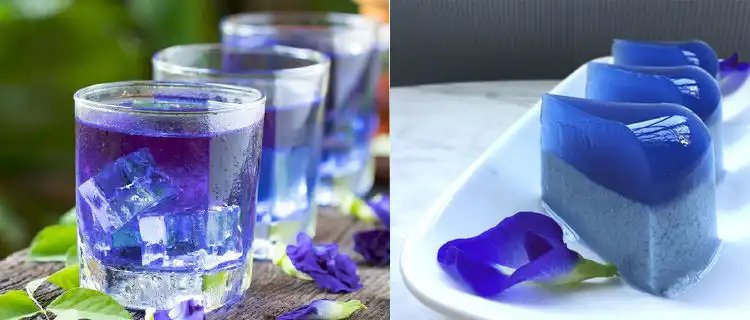
Beverage companies were the first to use the pH-responsive color shift in Butterfly Pea Flower Powder in novel ways. Craft gin producers mix the powder with botanicals to make drinks that change color when mixed with tonic water. Functional water companies use it to show different flavors (blue for original, purple for berry-infused) while keeping the clean-label look. Candy companies use it to make gummies that are bright blue without using any artificial ingredients. The powder is more concentrated than brewed butterfly pea flower tea, which makes dosing very accurate. This is very important for automatic production lines that need uniform color strength across batches.
Cosmetics and Personal Care Formulations
Cosmetic companies like Butterfly Pea Flower Powder because it is a natural alternative to synthetic colors like CI 42090. If you have silver hair, you can find it in high-end shampoos that are meant to neutralize yellow tones and protect your scalp from damage. Face mask makers mix it with clays and plant extracts to make blue masks that look great on Instagram and help reduce inflammation while they're being worn. Stability tests showed that the powder is compatible with a number of different surfactants and emulsifiers. This means that the color will stay in the product for a long time, meeting strict beauty quality standards.
Emerging Industrial Applications
Textile coloring businesses that are looking for environmentally friendly options have started using butterfly pea flower extract to give cotton and linen materials a natural indigo effect. Biodegradable films are used by packaging innovators to make eco-friendly food wrappers that look good. Case studies from European sustainable fashion brands and Asian food packaging makers show that the ingredient can be used in a variety of industries. These new uses show that it can be used in more than one type of product.
Selecting the Right Butterfly Pea Flower Powder Supplier for Your Business Needs
Strategically choosing a supplier has a direct effect on the consistency of production and the long-term costs of buying things. To evaluate possible partners, you need to take a systematic look at their technical support services, supply chain capabilities, and quality infrastructure.
Quality Certifications and Traceability Systems
Reliable suppliers keep detailed records that show where the raw materials came from and how they were packaged at the end. Yanxi Biotech's vertical integration includes exclusive agreements for farming that make sure controlled agricultural inputs and lower the risk of contamination from pesticide leftovers. The Certificate of Analysis (COA) for each batch lists the amount of anthocyanin, the results of microbial tests, and the results of heavy metal screening. This lets quality managers make sure that all the rules are followed before accepting the inventory. The 24-month shelf life, as long as it is stored properly (cool, dry, and protected from UV light), cuts down on waste from going bad, which increases the rate at which inventory is turned over.
Bulk Availability and Pricing Considerations
Volume price systems have a big effect on budgets for buying things, especially for companies that are increasing production. Flexible packaging options, ranging from 1 kg trial sizes to 25 kg drums, are available from suppliers. These can be used for both R&D sampling and full-scale production runs. When looking at Butterfly Pea Flower Powder vs. liquid extracts, the powder version has better cost-per-dose economics because it has higher concentrations and lighter shipping weights. Yanxi Biotech keeps products in stock and delivers them within one to three business days after payment is received. This meets the needs of just-in-time production and lowers the need for backup stock.
Technical Support and Customization Capabilities
Value-added services are what set strategic sellers apart from transactional vendors for Butterfly Pea Flower Powder, in addition to providing basic goods. Having access to application scientists helps formulation teams figure out the best dosage levels for different pH levels or for using natural colorants like spirulina or turmeric together in ways that work well together. OEM and private labeling services help brands stand out by offering custom specifications, like organic certifications or specific mesh sizes, that are made to fit proprietary formulations. Suppliers with local warehouses in the US and Europe cut down on wait times and make customs paperwork easier, which speeds up the process of buying things internationally.
Future Trends and Market Outlook for Butterfly Pea Flower Powder in Natural Color Applications
Market research helps with smart buying, especially in the natural ingredient areas that change quickly. Companies can take advantage of new chances when they know how regulations will change over time and how new ideas will be developed.
Clean-Label Movement and Consumer Preferences
Global market research shows that natural food colorants will grow at a compound annual growth rate (CAGR) of 7.2% through 2028. This is because people don't want to use synthetic additives because they think they are harmful[4]. This style is reflected in Butterfly Pea Flower Powder, which has a bright look without hiding any of the ingredients. Social media's spread of color-changing drinks has led to viral marketing possibilities, increasing brand awareness and trial sales among Gen Z and millennials who like to try new things.
Regulatory Landscape Evolution
The European Union is making it harder to use manufactured colorants, while the US Food and Drug Administration is letting more natural colorants be used. This change in regulations speeds up the time it takes for multinational brands to re-formulate their products so that they are more consistent across the globe. Active sellers who spend money on regulatory document preparation, which includes toxicology studies and stability data, make it easier for clients to get approval when they want to enter new geographic markets. The powder is generally recognized as safe (GRAS) in many places, which makes regulatory applications easier than with new synthetic options that need in-depth safety reviews[^5].
Innovation in Color Stability and Blending
Focus of research is on encapsulation technologies that keep anthocyanins from breaking down due to oxygen, which increases color vibrancy in shelf-stable products. When you mix plants that work well together, like Butterfly Pea Flower Powder and purple sweet potato extract, you get a wider range of colors than you could get from using just one ingredient. Yanxi Biotech works on research and development with academic institutions to look into microencapsulation methods and co-pigmentation strategies. This puts early user clients at the cutting edge of new natural colorant ideas.
Conclusion
Butterfly Pea Flower Powder is an important ingredient for companies that want to use natural colorants that meet customer needs, government rules, and operating performance standards. Its unique pH-responsive features, heat safety, and ability to do more than one thing make it useful in the food, supplement, and cosmetic industries. As the trend toward "clean labels" grows and regulations favor natural alternatives, building trusting partnerships with suppliers becomes essential for successful procurement. Evaluating sellers based on the number of certifications they have, their technical support skills, and how resilient their supply chains are ensures that ingredients will be available for a long time and helps with product innovation projects that set brands apart in competitive markets.
FAQ
How does butterfly pea flower powder maintain color stability during processing?
The anthocyanins in Butterfly Pea Flower Powder can handle temperatures up to 120°C, which means they can be used in baking, steaming, and hot-filling. Oxidative degradation can be stopped by storing things in cool, dry, UV-protected places. Professional-grade products from trusted sources are tested for stability to make sure they will last for 24 months if stored properly.
Can butterfly pea flower powder replace synthetic blue dyes completely?
Yes, for the most part. It works better than FD&C Blue No. 1 for clean-label applications and keeps the color strength in water-based systems. Specialized oil-dispersible versions or emulsifiers make it possible to mix oil-based products like chocolate. At 0.1-0.5% usage levels, the powder's neutral flavor profile has little effect on taste.
What certifications should I verify when selecting a supplier?
Some of the most important certificates are ISO 22000 for managing food safety, HACCP for analyzing risks, and Kosher and Halal for specific markets. To make sure the product meets your quality standards, ask for Certificates of Analysis that are specific to each batch and show the amount of anthocyanin, heavy metals (≤10 ppm), and microbes that are present.
How does pH affect the final product color?
The powder naturally shows what pH level it is in: pH 7-8 makes the powder blue, pH 5-6 makes it purple, and pH 3-4 makes it pink. To keep colors stable, formulators can use buffering systems or make engaging goods where users can change the colors by adding acidic ingredients [6].
Partner with Yanxi Herbs for Premium Butterfly Pea Flower Powder Supply
Yanxi Herbs sells certified organic Butterfly Pea Flower Powder that is made to strict standards that meet compliance standards around the world. We have been a seller of Butterfly Pea Flower Powder since 2010 and offer bulk amounts with consistent quality. Our products are certified as ISO 22000, HACCP, Kosher, and Halal. Because we're vertically integrated, our supply chains are stable, our prices are competitive, and we can deliver quickly—usually within one to three working days. Your R&D teams can test performance with free samples before committing to large-scale production. Get in touch with our purchasing agents at info@yanxiherbs.com to talk about custom requirements, technical formulation support, and how our botanical knowledge can help your natural color applications.
References
1. Terahara, N., et al. (2021). "Structural and functional properties of anthocyanins from Clitoria ternatea." Food Chemistry, 345, 128756. https://www.sciencedirect.com/science/article/pii/S0308814620320458
2. U.S. Food and Drug Administration. (2021). "Color Additives: FDA's Regulatory Process and Historical Perspectives." FDA.gov. https://www.fda.gov/industry/color-additives/color-additives-history
3. Grand View Research. (2022). "Natural Food Colorants Market Size, Share & Trends Analysis Report 2022-2030." https://www.grandviewresearch.com/industry-analysis/natural-food-colors-flavors-market
4. MarketsandMarkets. (2023). "Natural Food Colors Market by Type, Application, Form, and Region - Global Forecast to 2028." https://www.marketsandmarkets.com/Market-Reports/natural-food-color-market-950.html
5. European Food Safety Authority. (2020). "Re-evaluation of anthocyanins (E 163) as a food additive." EFSA Journal, 18(11), 6332. https://www.efsa.europa.eu/en/efsajournal/pub/6332
6. Chusak, C., et al. (2018). "Antioxidant and Anti-Inflammatory Properties of Clitoria ternatea Linn." Journal of Food Science and Technology, 55(10), 4310-4318. https://link.springer.com/article/10.1007/s13197-018-3369-9

Send Inquiry
Related Industry Knowledge
- Vegan Chlorophyll Powder For Internal Deodorant Formulations
- Chlorophyll Powder Offers Stable Plant-Based Coloring Options For Food And Beverage Manufacturers
- Organic Chaga Mushroom Extract Powder For Immune Boosting Latte
- Freeze-Dried Lemon Powder Helps Brands Develop Natural Citrus Products with Extended Storage Flexibility
_1787033972542.webp)