
Bulk Phycocyanin Powder for Blue Smoothie and Beverage Formulations
Oct 19, 2026
Bulk Phycocyanin Powder is a natural blue pigment that dissolves in water and is taken from whole spirulina (Arthrospira platensis). It gives drinks and smoothies a bright, stable blue colour without using synthetic dyes. This makes it one of the most-wanted clean-label colourants on the market right now. It comes in standard grades E3, E6, E18, and E25 and meets strict food safety standards like ISO, HACCP, FDA Registration, Kosher, and Halal approval. It has a full profile that pleases both R&D teams and quality compliance managers in B2B procurement.
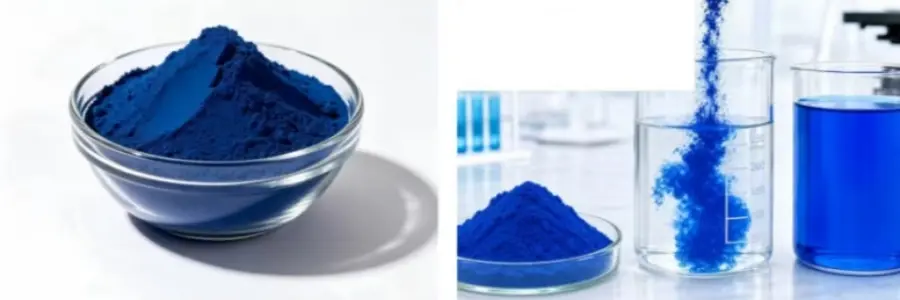
What Is Phycocyanin and Why Does It Matter for Beverage Brands?
The Science Behind the Blue Color
Phycocyanin is a chromophore made up of two proteins that is chemically attached to a structure made up of four tetrapyrrole chains. It absorbs the most light at 618nm, which makes an intense, clean blue that no plant-based alternative can beat right now. Anthocyanins change colour when the pH level changes, but high-grade phycocyanin stays the same colour between pH 5.0 and 7.5, which is where most commercial drinks taste best.
Functional Benefits Backed by Research
Phycocyanobilin, the main chromophore in phycocyanin, has been studied for its ability to fight inflammation and free radicals. According to a study released in 2016 in Food & Function, phycocyanin can get rid of free radicals just as well as vitamin C. This dual role as a colourant and bioactive compound adds measurable product value for makers of functional drinks and nutraceuticals.
Clean-Label Status and Market Demand
As demand for products made without artificial dyes continues to grow, food manufacturers are increasingly exploring natural colourants for new product development. According to Grand View Research, the global natural food colours market was valued at over $2 billion in 2023, with continued growth projected in the following years. Against this backdrop, Bulk Phycocyanin Powder, a blue pigment derived from spirulina, offers manufacturers an ingredient option for suitable food and beverage applications. When sourcing Bulk Phycocyanin Powder, procurement teams should verify the supplier’s regulatory documentation and confirm that the product is permitted for the intended use in each target market. Although phycocyanin has received regulatory recognition for certain food uses, its status and conditions of use can vary by jurisdiction, so buyers should not assume that all grades or applications are automatically approved. For companies entering regulated markets, reviewing specifications, certificates of analysis, safety documentation, and applicable food-colourant requirements is an essential step in supplier qualification. Reliable suppliers of Bulk Phycocyanin Powder should be able to provide clear documentation to support regulatory review and help customers assess product suitability. In addition, buyers should evaluate colour strength, purity, batch consistency, and packaging options when comparing Bulk Phycocyanin Powder suppliers. By combining market awareness with careful compliance checks, food businesses can make more informed purchasing decisions and incorporate Bulk Phycocyanin Powder into product formulations with greater confidence.
How to Use Phycocyanin Powder in Blue Smoothies and Beverages
Dosage and Solubility Guidelines
Phycocyanin powder dissolves completely in water, so it doesn't need any emulsifiers to spread out right away in water-based systems. Based on the grade, the average inclusion rate for a bright blue smoothie is between 0.1% and 0.5%. The E18 and E25 grades give foods a deep colour at lower concentrations, which helps keep the flavours of the end product safe. All types of Yanxi Herbs go through an 80-mesh sieve, which makes sure that the texture is smooth in liquid mixtures.
Temperature and Processing Compatibility
This is where a lot of formulators have trouble. Phycocyanin starts to break down above 60°C, so it needs to be added after heating or processed in a cold way. For cold-pressed juices, smoothie blends, and ready-to-drink (RTD) drinks that are processed below this level, the colour performance stays the same over time. In dairy-based systems, like blue yoghurt drinks, the milk should be pasteurised before the colour is added to keep the blue colour.
Compatible Ingredients and Formulation Tips
A lot of different smoothie bases go well with phycocyanin powder. Here are the tested profiles of compatibility that are most useful for commercial formulation:
- Fruit-based smoothies (pH 4.5–6.5): Work best when blended with low-acid fruits like banana, mango, or coconut water, which keep pH within the stable range.
- Plant-based protein drinks: Compatible with pea protein and brown rice protein at standard inclusion rates without affecting dispersion or color clarity.
- Dairy alternatives (oat milk, almond milk): Deliver a consistent blue tone with no precipitation, provided mixing occurs at room temperature.
- Blue matcha and functional shots: At E25 concentration, a low dose achieves the deep ocean-blue tone popular in premium wellness brands.
Because of these compatibility profiles, phycocyanin can be added to a wide range of drinks without having to make a lot of changes to the recipes. This freedom will be very helpful for R&D teams working on launches with more than one SKU.
Procurement Comparison: Phycocyanin Powder vs. Liquid Extract
Shelf Life and Storage Advantage
When stored below 20°C in sealed, light-protective packaging and under the supplier’s recommended conditions, Bulk Phycocyanin Powder may have a shelf life of up to 24 months, depending on its formulation and product specifications. This extended storage potential can offer practical advantages over some liquid extracts, which may have shorter shelf lives and require refrigeration after opening or under specific storage conditions. For food manufacturers and international distributors, choosing Bulk Phycocyanin Powder can simplify inventory management and make long-distance transportation more convenient. Because the ingredient is supplied in powder form, it may reduce reliance on refrigerated logistics when the product’s stability requirements permit ambient-temperature shipping. This can help businesses manage storage space, transportation planning, and distribution costs across complex global supply chains. Before purchasing Bulk Phycocyanin Powder, buyers should confirm the shelf-life period, recommended storage temperature, packaging specifications, and any requirements for protection from moisture, heat, and light. These details are particularly important for maintaining colour quality and product consistency during extended storage. By selecting suitable packaging and following the supplier’s handling instructions, companies can preserve the quality of Bulk Phycocyanin Powder throughout warehousing and distribution. For procurement teams managing international shipments, a clearly documented shelf life and appropriate storage guidance make Bulk Phycocyanin Powder easier to plan for in long-term production schedules and bulk purchasing programs.
Cost, Packaging, and MOQ Structure
Yanxi Herbs has different box sizes to fit different order sizes. In this case, there is a 1 kg bag, which is good for test items and R&D.
- 1 kg/bag — suitable for R&D sampling and small-batch trials
- 5 kg/box — ideal for pilot production runs
- 25 kg/drum — standard for bulk manufacturing
People who meet the requirements can try the goods for free. Once payment is confirmed, the goods are sent out within one to three business days. You can use this framework for both short-term and long-term stock deals.
Quality Benchmarks to Verify Before Ordering
It's not all the same thing, and each type does something different. Before you buy something from someone, you should get written copies of the following:
- Heavy metals: Should be ≤10 ppm total
- Total Plate Count: Must be below 1,000 cfu/g
- Yeast & Mold: Below 100 cfu/g
- Loss on Drying: ≤5%
- Ash Content: ≤5%
Heavy metals should be less than 10 parts per million. Plates can't have more than 1,000 cfu/g.
How to Choose the Right Phycocyanin Supplier for B2B Procurement
Certifications That Actually Matter
When sourcing Bulk Phycocyanin Powder, food manufacturers should evaluate a supplier’s food safety management systems, regulatory documentation, and product certifications before placing an order. ISO 22000 and HACCP provide frameworks for identifying food safety hazards, managing risks, and maintaining documented control procedures throughout production. For businesses importing Bulk Phycocyanin Powder into the United States, FDA food facility registration and other applicable regulatory requirements should also be verified, noting that FDA registration does not itself constitute product approval or endorsement. Yanxi Herbs lists credentials including ISO 22000, HACCP, FDA Registration, Kosher, and Halal, which procurement teams can review as part of their supplier qualification process. When purchasing Bulk Phycocyanin Powder, buyers should request current supporting documents and confirm that the certifications apply to the relevant facility and product scope. Kosher and Halal certification may also help manufacturers serve customers whose purchasing requirements include these standards. By checking these credentials in advance, procurement teams can better assess whether a supplier’s quality systems and documentation align with their company’s needs. A reliable supplier of Bulk Phycocyanin Powder should be able to provide clear product specifications, batch-specific certificates of analysis, and relevant compliance records to support purchasing decisions. Thorough verification helps businesses manage regulatory responsibilities, reduce documentation gaps, and establish a more dependable supply process for Bulk Phycocyanin Powder.
Supply Consistency and Customization Support
Yanxi Biotech has its own spirulina farms, production sites, and skilled research and development teams to keep the supply chain stable. It has been in business since 2010. Private label manufacturing or custom grade blending can be used by people who want to make their own recipes. A special grade mix could have a concentration in the middle, between E18 and E25. This is very important for companies that make their own drink brands and supplements.
Logistics and Local Warehousing
When you need something, you should get it quickly. People in North America don't have to wait as long because Yanxi Herbs has shops in both the US and Europe. It comes with phytosanitary licenses, MSDS, and proof of authenticity (COA) from the company. It is now ready to be cleared through customs in big markets for import. Orders are sent out in one to three business days.
Conclusion
Bulk Phycocyanin Powder derived from spirulina offers food manufacturers a natural blue colourant option for suitable beverage, supplement, and personal care formulations, subject to the requirements of each intended application. Its clean-label appeal and distinctive colour can help brands develop visually appealing products, while buyers should evaluate any antioxidant-related claims against relevant scientific evidence and applicable regulations. For B2B procurement teams, selecting Bulk Phycocyanin Powder involves more than comparing prices; product grade, purity, colour strength, certification documentation, and supplier production capacity can all influence long-term purchasing decisions. Choosing a supplier with documented quality controls, flexible packaging options, and reliable batch traceability can help manufacturers maintain consistent specifications as production volumes increase. Since 2010, Yanxi Herbs has worked with international partners and supplied products to more than 100 countries, providing a background that procurement teams can consider when assessing its suitability as a supplier. Before purchasing Bulk Phycocyanin Powder, buyers should request current product specifications, certificates of analysis, relevant food safety documentation, and information about minimum order quantities and lead times. These checks help confirm whether the ingredient meets the requirements of the target market and the manufacturer’s production process. For businesses planning to scale their operations, dependable communication and consistent quality management are also important when sourcing Bulk Phycocyanin Powder in bulk. By evaluating these factors together, procurement teams can make better-informed supplier decisions and establish a more reliable supply of Bulk Phycocyanin Powder for ongoing production.
FAQ
What is the difference between E6, E18, and E25 grades?
These numbers indicate color intensity (extinction coefficient at 618nm). E25 is approximately 38% more concentrated than E18, which means you need less powder to achieve the same blue depth. Higher grades also have less impact on flavor, making them preferable for premium beverages where taste neutrality matters.
Is phycocyanin safe for heat-processed beverages?
Phycocyanin is heat-sensitive and begins to degrade above 60°C. For pasteurized beverages, the pigment should be added after the thermal step during the cold-fill stage. This approach maintains both color intensity and protein integrity.
How does phycocyanin powder differ from whole spirulina powder?
Spirulina powder contains the full algae profile — chlorophyll, proteins, lipids — and carries a noticeable earthy or fishy flavor. Phycocyanin powder is the isolated pigment-protein complex, delivering a clean blue color without the taste or odor of raw spirulina. This makes it substantially more practical for consumer-facing beverage products.
What is the recommended inclusion rate for blue smoothies?
A range of 0.1% to 0.5% by weight covers most formulation needs. The E25 grade achieves deep blue color at the lower end of this range, while E6 is suited for pastel-tone applications requiring subtler color expression.
Partner With Yanxi Herbs for Your Bulk Phycocyanin Powder Supply
This number tells you how bright the color is at 618 nm. If you want the same amount of blue, you only need about 38% more E25 than E18 in powder form. The better grades have less impact on taste, making them more suitable for premium beverages that require a neutral flavor profile. For more information about anthocyanin ingredients, color performance, and customized solutions for beverage formulations, contact Yanxi Herbs at info@yanxiherbs.com to discuss your specific requirements.
References
1. Benedetti, S., et al. "Antioxidant properties of a novel phycocyanin extract from the blue-green alga Aphanizomenon flos-aquae." Life Sciences, 2004.
2. Eriksen, N. T. "Production of phycocyanin — a pigment with applications in biology, biotechnology, foods and medicine." Applied Microbiology and Biotechnology, 2008.
3. Grand View Research. "Natural Food Colors Market Size, Share & Trends Analysis Report." Grand View Research, 2023.
4. Mouget, J. L., et al. "Stability of phycocyanin under light and temperature stress." Food & Function, 2016.
5. Pleonsil, P., et al. "Effect of pH and temperature on the stability of C-phycocyanin from Spirulina platensis." International Food Research Journal, 2013.
6. Martínez-Andrade, K. A., et al. "Spirulina-derived phycocyanin: applications in food technology and nutraceuticals." Trends in Food Science & Technology, 2022.

Send Inquiry
Related Industry Knowledge
- Chlorophyll Powder Offers Stable Plant-Based Coloring Options For Food And Beverage Manufacturers
- Organic Chaga Mushroom Extract Powder For Immune Boosting Latte
- Freeze-Dried Lemon Powder Helps Brands Develop Natural Citrus Products with Extended Storage Flexibility
- Food Grade Bulk Astaxanthin Powder For Skincare Antioxidant Supplements