
Bulk Polyglutamic Acid Powder Supports Innovative Cosmetic Formulations Including Essences, Creams, and Masks
Oct 04, 2026
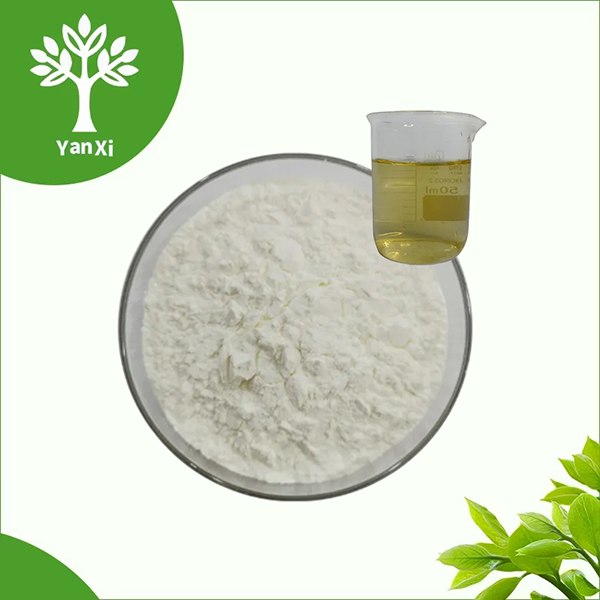
Polyglutamic Acid Powder (gamma-PGA) is a water-soluble biopolymer produced through microbial fermentation of Bacillus subtilis, and it has become one of the most sought-after active ingredients in modern skincare manufacturing. With a moisture retention capacity up to 5,000 times its own weight—significantly exceeding hyaluronic acid—PGA powder supports high-performance formulations across essences, creams, and masks. For cosmetic manufacturers and ingredient buyers sourcing in bulk, understanding PGA's technical profile, application range, and procurement logistics is key to making confident, cost-effective decisions.
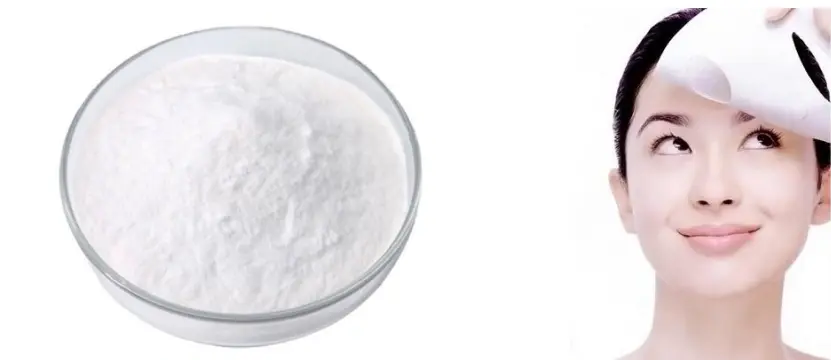
Understanding Bulk Polyglutamic Acid Powder and Its Role in Cosmetics
What Is Polyglutamic Acid and Where Does It Come From?
It is a naturally occurring negatively charged peptide made up of D- and L-glutamic acid units that are joined together by amide bonds. Instead of using manufactured chemicals, it is made through natural fermentation, most often with Bacillus subtilis working on plant-based materials like non-GMO corn or soy. Because it comes from plants, it is biodegradable, safe, and won't cause an immune response. It breaks down completely into glutamic acid without leaving any waste behind. Fermentation-derived PGA gives brands that want to make natural or clean label claims a big edge over their competitors.
Molecular Weight Grades and Their Skincare Applications
There are different molecular weight grades of PGA powder, and each one is best for different cosmetic uses. High molecular weight (HMW) versions that are bigger than 700 kDa make a film that lets air pass over the skin's surface. This keeps wetness in and makes the barrier stronger. When the molecular weight (LMW) is less than 100 kDa, it goes deeper into the skin and hydrates the dermal layers directly. This helps with anti-aging effects like making the skin more elastic. If formulators choose the right MW grade, they can make sure that their product claims are met, whether they want to smooth the skin right away or keep it moist for a long time.
Why PGA Outperforms Traditional Humectants?
PGA is different from other moisturizers because it does more than just attract water. It also stops hyaluronidase, an enzyme that breaks down the skin's natural hyaluronic acid stores. With this two-step process, PGA actively locks in the skin's existing wetness while also adding its own layer of moisture. It works well with many different types of formulations, from acidic vitamin C serums to alkaline clay masks, because its pH stays stable from 4.0 to 12.0 and it doesn't change much at high or low temperatures.
Comparative Insights: Polyglutamic Acid Powder vs Other Popular Ingredients
PGA vs Hyaluronic Acid: Complementary, Not Competing
Even though hyaluronic acid (HA) is still the best way to moisturize skin, PGA works much better when mixed with it. Combining the two ingredients has a greater effect on moisturizing the skin than just adding them together. This is because PGA stops hyaluronidase from working. When R&D managers make high-end serum or essence lines, this synergy makes a scientifically sound product story that appeals to people who know about ingredients and don't mind paying a lot of money for them.
PGA vs Sodium Polyglutamate and Collagen Powders
PGA can also be found as the sodium salt form, Na-PGA. It can help keep things moist in some ways, like Polyglutamic Acid Powder, but it can't make layers as well. Collagen powders that come from animals should be avoided by people who are allergic to them, follow religious food rules, or say they are vegan. Fermented PGA, on the other hand, is 100% vegan, Halal, and Kosher. This is a big difference for companies that want to sell their goods in many different foreign markets. The PGA's compliance flexibility makes it easier for ingredient sellers who handle SKUs for more than one market to fill out regulatory paperwork.
Selecting the Right Grade for Your Formulation
One of the main things used to choose is purity. Cosmetic-grade PGA needs to be at least 92% pure, and the way it is made needs to keep the smell in check and make it whiter. Things used for farming, on the other hand, aren't as clean (about 85%) and come in more colors, so they can't be used for facial skin care. You should ask for Certificates of Analysis (CoA) when you buy in bulk to make sure the product is pure, has a moisture content below 10%, and a pH of 5.0 to 7.0 for a 1% aqueous solution.
Bulk Procurement Strategies for Polyglutamic Acid Powder
Key Quality Certifications to Require
Any business that wants to sell in the U.S. needs to have compliance paperwork. Suppliers should have ISO 22000, HACCP, Kosher, and Halal certifications at the very least. When companies say their goods are natural or organic, ECOCERT or COSMOS certification makes those claims more likely to be true. Another way to make sure that batches are the same is to ask for third-party testing results from SGS. This should be a standard part of the process for qualifying suppliers, as set by purchasing managers and quality teams.
Packaging, Storage, and Shelf Life
If you want to keep PGA in bulk, it needs to be kept in a cool, dry place below 25°C in plastic bags that are double-sealed inside fiber drums. If you store it wrong, it quickly clumps together and stops working. If you store PGA powder the right way, it should last for 24 months from the date it was made. When supply chain managers plan a warehouse, they should think about what needs to be in order for things to be stored. This is especially important if you store your goods in wet places or near major shipping routes along the coast.
Evaluating Supplier Reliability for Long-Term Supply
It's not just about certifications; sustainable buying also depends on how adaptable and able the provider is to meet needs. When choosing a supplier, companies should check how long the wait times are, how much of an order they need to place, and whether they keep safety stock or offer local storage in the markets they want to sell to. Most of the time, suppliers who are vertically integrated have more stable prices and better quality across batches. These producers grow the things they need to make their goods, then they make and sell those things. These things lower the risk of production delays and the risk of the supply chain as a whole.
Application and Formulation Guidelines for Cosmetics Manufacturers
Recommended Concentrations for Essences, Creams, and Masks
Most essences and serums that are water-based have between 0.5% and 2.0% by weight of Polyglutamic Acid Powder. That ranges from 1.0% to 3.0% for creams and emulsions that are thicker. The texture is smoothed out, and water stays inside. Concentrations between 0.5% and 1.5% are good for both wash-off masks and leave-on sheet masks because they keep the skin wet without making it sticky. This is what the business generally does, but they should be changed based on the MW grade and the formulation system as a whole, of course.
Solubility Tips and Mixing Protocol
It is important to be careful when removing high MW PGA so that it doesn't clump. Mix the powder with a polyol carrier first; glycerin works well. Then, add the powder slowly to the hot water phase while stirring it around a bit. It's easy to break down low MW grades, and they can be mixed in faster. PGA is also safe when mixed with retinoids and L-ascorbic acid. It might help to keep the system in balance and lower the chance of these active ingredients making you feel bad.
Regulatory Compliance for Export Markets
People who make goods and send them to markets in the US, the EU, or Asia-Pacific need to make sure that the paperwork for the ingredients follows the rules for those markets. PGA is a safe ingredient that can be found in makeup and isn't on any lists of things that can't be sold in big stores. Providers must back up their regulatory submissions with proof of the INCI name (Polyglutamic Acid), the country of origin, and full safety data sheets. Compliance times and administrative work are cut down when you work with a provider who knows a lot about export paperwork.
Maximizing ROI: Why Bulk PGA Procurement Is a Smart Investment
Economies of Scale and Margin Improvement
When you buy a lot of gamma-PGA at once, it costs a lot less per unit than when you buy it one time. When prices go down, cosmetics businesses that make a lot of different products with PGA as an active ingredient can raise their profit margins or lower their selling prices, giving them more room to do both. Brands that make high-end skin care lines can use the money they save to do clinical tests or other things that back up what they say in their ads. This makes the value offer of the product better as a whole.
Product Differentiation in a Crowded Market
More and more people are choosing natural restorative ingredients that are backed by science. Formulators can use PGA to tell a technically unique story because it can separate water from air, protect against HA, and make a film all at the same time. Users are more interested in high-end skin care products with PGA in them, especially essences and overnight masks, because that's where users care most about how well the products work.
Long-Term Supplier Partnerships
When you work with a good PGA source for a long time, you get more than just lower prices. It lets R&D teams get help with formulas, find out about new MW grades, and be the first to know when the supply chain changes. When batch quality stays the same, there are fewer QC rejections, and shipping times are more reliable when plans for transportation are set in stone. It's important for global brands that sell in many places to have stable relationships with their providers. This helps the business stay open.
Conclusion
Gamma-Polyglutamic Acid Powder can be added to a lot of different cosmetic recipes to make them more useful. It can be used in everything from daily essences to powerful masks. There is a proven way to hydrate it; it comes from natural fermentation, and it can be used with different grades. This makes it a good choice for makers who want to promote both performance and clean labels. If sourcing and R&D teams are looking for ways to get ingredients, buying in bulk from PGA can help with product line growth in the long run by improving quality, compliance, and cost.
FAQ
Is PGA a full replacement for hyaluronic acid in skincare?
No, PGA works best alongside HA rather than replacing it. Because it inhibits hyaluronidase—the enzyme that breaks down HA—combining both ingredients produces stronger hydration results than either alone.
What molecular weight should I choose for anti-aging products?
Low molecular weight PGA (below 100 kDa) is better suited for anti-aging applications, as it penetrates more deeply to support skin elasticity. High MW grades are more effective for surface-level barrier protection and immediate smoothing.
Can PGA be used with vitamin C or retinol formulations?
Yes. PGA demonstrates good compatibility with L-ascorbic acid and retinoids, and it may help reduce formulation irritation potential for sensitive skin applications.
How should bulk PGA powder be stored?
Store in double-sealed polyethylene liners inside fiber drums, in a cool environment below 25°C and away from humidity. Correct storage maintains a 24-month shelf life.
Is fermentation-derived PGA vegan and Halal compliant?
Yes. When produced using Bacillus subtilis on plant-based substrates such as non-GMO corn or soy, PGA is 100% vegan, Halal, and Kosher certified.
Get Bulk Polyglutamic Acid Powder from Yanxi Herbs — Your Trusted Supplier
People in more than 100 countries have bought natural cosmetics from Yanxi Herbs since 2010. With ISO 22000, HACCP, Kosher, and Halal approvals, we are a licensed company that makes Polyglutamic Acid Powder. We provide consistent quality, custom MW grades, and a range of bulk quantities. We have stores in both the U.S. and Europe to make sure your production plan stays on track. Email us at info@yanxiherbs.com or visit yanxiherbs.com right away to get samples and prices.
References
1. Shih, I. L., & Van, Y. T. (2001). The production of poly-(γ-glutamic acid) from microorganisms and its various applications. Bioresource Technology, 79(3), 207–225.
2. Oppermann, T., & Grunwald, I. (2020). Polyglutamic acid as a cosmetic active: Moisturizing mechanisms and skin care applications. International Journal of Cosmetic Science, 42(4), 344–351.
3. Buescher, J. M., & Margaritis, A. (2007). Microbial biosynthesis of polyglutamic acid biopolymer and applications in the biopharmaceutical, biomedical and food industries. Critical Reviews in Biotechnology, 27(1), 1–19.
4. Sung, M. H., Park, C., Kim, C. J., Poo, H., Soda, K., & Ashiuchi, M. (2005). Natural and edible biopolymer poly-γ-glutamic acid: Synthesis, production, and applications. The Chemical Record, 5(6), 352–366.
5. Yoshida, T., & Nagasawa, T. (2003). ε-Poly-L-lysine: Microbial production, biodegradation and application potential. Applied Microbiology and Biotechnology, 62(1), 21–26.
6. European Medicines Agency. (2018). Guideline on the use of natural polymers in cosmetic formulations and their safety evaluation. ECOCERT/COSMOS Standard Documentation, Edition 3.

Send Inquiry
Related Industry Knowledge
- High Purity Butterfly Pea Flower Extract Powder For Functional Beverage Production
- Freeze-dried Dragon Fruit Powder for Vibrant Natural Color and Clean Label Formulations
- What Factors Matter When Purchasing Astaxanthin Powder Bulk For Large-Scale Production?
- How Can Beet Powder Be Used In Natural Color And Sports Nutrition Product Development?
_1787033972542.webp)