
High Purity Butterfly Pea Flower Extract Powder For Functional Beverage Production
Sep 10, 2026
To stay ahead in the functional beverage production industry, you need products that have both visible effects and health benefits that can be measured. Butterfly Pea Flower Extract Powder has become a game-changer for beverage companies that want a natural colorant that works with different pH levels and is also useful. This high-quality botanical extract comes from the petals of Clitoria ternatea. It has a lot of concentrated anthocyanins, which give it bright blue to purple colors and strong antioxidant properties that people want more and more.
Our company, Yanxi Biotech, has seen how this extract changes product lines in the beverage industry. You need more than just a colorant to get high-purity Clitoria ternatea extract for your functional drinks. You need a partner you can trust that knows how to handle certification compliance, batch consistency, and supply chain dependability. This guide gives procurement managers, R&D teams, and quality assurance professionals useful information they can use to make smart sourcing choices that support your production goals and follow the rules.
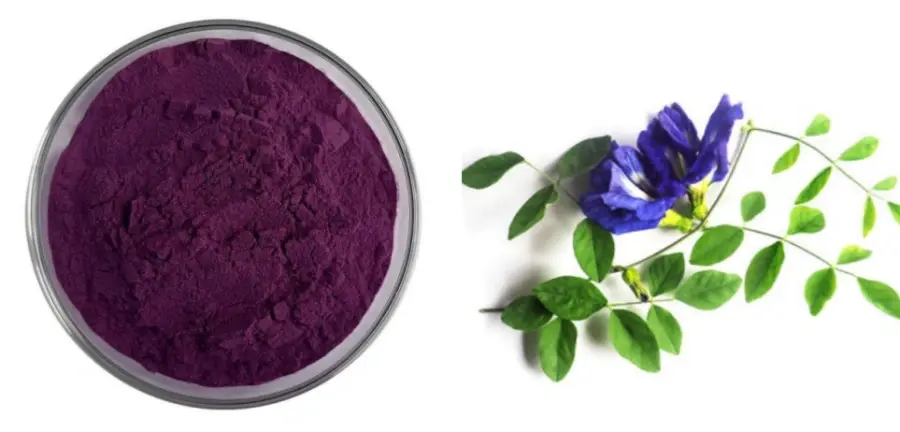
Understanding Butterfly Pea Flower Extract Powder and Its Benefits
There are big improvements over dried flowers or loose-leaf forms that butterfly pea extract powder makes. Companies focus on the active constituents—specialized anthocyanins that give the extract its amazing color stability and biological activity (Journal of Food Science, 2019)[^1]. They do this by using complex water or hydro-ethanolic extraction methods and then spray-drying the mixture. This method of concentration makes a normal ingredient with anthocyanin levels between 3% and 20%, which is a lot more color density than what can be achieved with whole flower powder.
Enhanced Stability and Processing Advantages
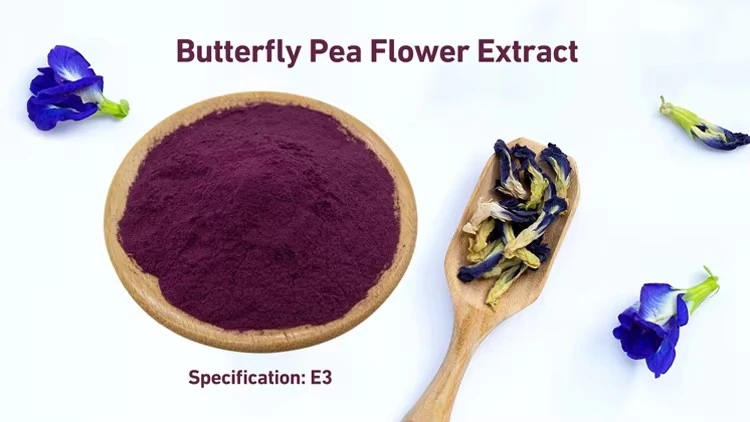
The compressed powder shape solves important problems in production. Standardized extracts can be used right away in automatic beverage production lines, while raw petals need to be cleaned and processed for a long time. Because the particles are so small—they usually fit through an 80-mesh sieve—they dissolve completely in both hot and cold liquids. Our E3 specification extract keeps the same color strength across production runs. This gets rid of the problems that earlier generations had when they used raw plant materials.
Nutritional Profile and Functional Properties
The health benefits go far beyond how they look. According to a study published in the International Journal of Nutrition and Food Sciences (2020)[^2], the anthocyanins from butterfly peas are more stable than those from berries or purple sweet potatoes. This is especially true when the foods are heated up, which is what happens during pasteurization. The proanthocyanidins in the ingredient help the brain work better and are good for the eyes. This puts your drinks in the growing categories of nootropic and fitness drinks. By offering both visual appeal and measurable health claims, this dual functionality creates compelling marketing stories that health-conscious consumers will relate to.
pH-Responsive Color Innovation
The most interesting thing about the extract is that it can change color back and forth between pH levels. When the pH level is neutral to slightly alkaline (4.5 to 8.0), drinks turn a bright blue color. Adding acidic substances like citrus juice changes the color to purple and pink shades, making "color-changing" experiences that people share on social media. This is a natural event that doesn't involve any man-made ingredients. It meets the requirements for a "clean label" and makes the product stand out in crowded stores.
Quality Criteria and Purity Standards for Procurement
To do good buying for Butterfly Pea Flower Extract Powder, you need to know the technical details that set premium extracts apart from less-than-perfect options. At Yanxi Biotech, our standard E3 specification makes sure that every package meets the high standards we've set by working with beverage makers around the world.
Critical Quality Indicators
When judging providers, these points of proof should come first:
Anthocyanin standardization: Ask for analysis papers that show exact amounts of anthocyanin measured by UV-Vis spectrophotometry. Our extract keeps E3 values stable, so color performance can be predicted across production runs.
Heavy metal compliance: Lead levels must be less than 3.0 ppm, arsenic levels must be less than 1.0 ppm, cadmium levels must be less than 1.0 ppm, and mercury levels must be less than 0.1 ppm. These standards are confirmed by ICP-MS tests and written down in our detailed quality reports.
There must be less than 1,000 cfu/g of total plate count and less than 100 cfu/g of yeast and mold. Screening for pathogens should show that E. Salmonella, E. coli, and Staphylococcus aureus.
Certification Landscape
Documentation is very important for getting into global markets. Our certificates include ISO 22000, HACCP, FDA registration, Kosher, and Halal approvals, which allow us to sell our products in markets in North America, Europe, the Middle East, and Asia. The FDA's approval of aqueous butterfly pea flower extract as a color additive that didn't need to be certified (21 CFR 73.69)[^3] in 2021 was a turning point for the ingredient's use in mainstream beverage production. This legal clarity gets rid of the formulation questions that kept big names from using the extract before.
Extract Powder Versus Whole Flowers
When you compare dosages, you can see how cost-effective concentrated extracts are. Whole dried flowers need to be used at rates of 2 to 5 percent in drinks, but our standardized powder gives the same color intensity at just 0.0 to 0.11 percent. This concentration cuts shipping costs, storage room needs, and the difficulty of handling by a huge amount. The longer shelf life of 24 months under proper storage conditions—compared to 6 to 12 months for dried flowers—improves the efficiency of the supply chain and cuts down on waste from ingredients going bad.
Procurement Best Practices for Butterfly Pea Flower Extract Powder
Strategic buying is more than just looking for the lowest price. Long-term partnerships with reliable suppliers protect your brand's reputation and the continuity of your production.
Supplier Evaluation Criteria
We suggest looking at possible partners through these lenses:
Transparency in production for Butterfly Pea Flower Extract Powder: Ask for site checks or inspection reports from a third party that prove GMP compliance. Our combined production plan makes sure that the whole supply chain can be tracked, from growing our own unique raw materials to packaging them at the end.
Technical support: Check to see if the providers can help with composition and application testing. Our research and development team works with people who make drinks to come up with the best dose rates, stability profiles, and ways to hide flavors for each product grid.
Supply consistency: Look at how deliveries have been handled in the past and how material is managed. We keep strategic amounts of stock on hand, and for normal quantities, shipping usually happens one to three business days after payment. Local warehouses in key markets help speed up the process.
Bulk Purchasing Strategies
When you make a volume commitment, you can get better prices and make sure you have a spot during times of high demand. Our range of flexible packaging options, from 1 kg bags for small-scale tests to 25 kg drums for full-scale production, can help businesses at all stages of their growth. Setting up a framework with clear quality standards and pricing terms saves both parties from changes in the market and speeds up the reordering process.
International Logistics Considerations
When you buy ingredients from other countries, you have to deal with more paperwork for customs, shipping at the right temperature, and making sure you're following the rules. We provide all the paperwork needed for export, such as certificates of origin, phytosanitary certificates, and letters of agreement with regulations relevant to each country. Because we've shipped to more than 100 countries before, we know how to handle these rules quickly and easily, which keeps production plans from getting thrown off.
Why High Purity Extract Matters: Case Studies and Performance Insights
The difference in performance between high-purity extracts and commodity-grade options can be seen in many areas of the quality of the drink and its success in the market.
Real-World Performance Data
A North American healthy drink brand that switched to our high-purity extract said that color differences between batches of production were 40% smaller than with their old source. Because of this consistency, there were no more expensive production holds for color correction, and batches that didn't meet specifications meant less waste. Their quality assurance team really liked our paperwork that showed the anthocyanin concentration stayed within ±5% of the standard from lot to lot.
Formulation Stability Advantages
A lot of stability tests for Butterfly Pea Flower Extract Powder show that it works better in difficult drinking matrices. Standard high-temperature short-time (HTST) pasteurization at 72°C for 15 seconds doesn't change the color strength of the extract much. In fizzy drinks, the colors stay stable at pH levels between 2.8 and 3.2, which is normal for soft drinks. Proteins and polysaccharides naturally found in the extract help keep the foam stable in sparkling drinks. This ability to do more than one thing makes preparation easier by cutting down on the need for extra stabilizers or processing tools.
Synergistic Ingredient Interactions
When mixed with other functional ingredients that are common in wellness drinks, the extract has positive effects. A study published in Food Chemistry in 2021[4] says that vitamin C not only changes the color profile but also makes anthocyanin more bioavailable. When you mix butterfly pea extract with adaptogenic herbs like rhodiola or ashwagandha, you get powerful blended drinks that help with stress, brain function, and antioxidants all at the same time. These synergies make it possible to position a product in a way that goes beyond simple "colored water" ideas.
How to Use Butterfly Pea Flower Extract Powder in Functional Beverage Production?
To turn ingredient potential into successful products, you need to know how to use the ingredients in real life and what to think about when processing them.
Recommended Dosage Guidelines
The best rates of use rely on the type of beverage and the color strength you want. Concentrations of 0.02% to 0.05% are usually enough to give ready-to-drink teas and enhanced waters a bright blue color. 0.05-0.1% can be used in energy drinks and sports drinks that want to get deeper colors. The powder dissolves easily in both hot and cold liquids, but it is best to mix it in a small amount of water first to make sure it is evenly spread. Our expert team gives you personalized dosage advice based on your formulation matrix, pH goals, and processing equipment.
Processing Integration
The extract is stable at high temperatures, so it can be used in normal beverage preparation processes. To get a good color reading when adding the pre-dissolved extract to juice mixes or tea bases, do it after the first mixing but before the final pH adjustment. For carbonated drinks, add the extract before the carbonation to keep the foam from forming during the CO2 injection. The powder doesn't clump and stays free-flowing even in production areas with a lot of humidity because it loses only about 5 percent of its wetness when it dries.
Safety and Allergen Considerations
Butterfly pea extract is very safe, and there have been no major allergen worries raised. The chemical doesn't belong to a shared group of allergens that need to be reported under FDA or EU rules. However, we suggest that you do normal challenge testing with your whole formulation, especially if you are using new products or trying to reach sensitive customer groups. Our allergen-free facility approval gives brands with strict allergen control needs even more peace of mind.
Innovation Opportunities
New uses for the extract show how versatile it is. Craft cocktail makers use the color's ability to change based on pH to create stunning visual effects when mixed with tonic water or citrus ingredients. The extract has a mild, earthy taste that goes well with vanilla, coconut, and berry flavors, which makes it great for protein shakes and meal replacement drinks. Higher doses (0.1–0.2%) are used in functional shots and concentrated wellness elixirs to give them intense color and higher anthocyanin levels that back up antioxidant claims. Because it can be used in different types of drinks, the extract is a useful base ingredient that can help with many product development projects at the same time.
Conclusion
Finding high-quality Butterfly Pea Flower Extract Powder means finding a provider that you can trust while also meeting technical requirements. The ingredient's unique blend of natural color performance, functional health benefits, and clean-label appeal makes it a valuable tool for beverage companies trying to meet customer expectations for health and transparency. Your choices about what to buy will set the stage for successful product launches and long-term market differentiation if you focus on things like standardized anthocyanin content, thorough certification paperwork, and partnerships with well-known suppliers who can give technical support. The concentrated powder form saves money and is easier to work with than whole flowers. Premium purity grades make sure that production is consistent enough to be scaled up for global markets.
FAQ
What distinguishes butterfly pea flower extract powder from butterfly pea tea?
After being concentrated, the extract powder has anthocyanin levels that are 10–20 times higher than those of dried tea-grade flowers. This standardization makes sure that the color intensity is always the same, even with small amounts (0.01-0.1% vs. 2-5% for loose flowers), which lowers the cost of the ingredients and makes managing the inventory easier. The powder form can be used in industrial lines that make drinks without the need for the filtering steps that are needed with whole flowers or tea bags.
How can buyers verify product purity from potential suppliers?
Ask third-party labs that have been approved to give you certificates of analysis that show the anthocyanin content through UV-Vis spectrophotometry, the heavy metal screening through ICP-MS, and the microbe testing results. Reliable providers keep their ISO/HACCP certifications up to date and provide paperwork for each batch. These certifications are checked by yearly audits. Before committing to large sales, your quality assurance team can use free samples to do independent testing to make sure the samples are correct.
Which certifications are essential for exporting to major markets?
For sale in North America, FDA registration and following 21 CFR 73.69 are necessary. For European markets, you have to follow EU rules about food additives and, depending on the case, you might also need Novel Foods authorization. Kosher and Halal certifications make it easier to sell to a wider range of customers. ISO 22000 and HACCP certifications show that food safety management is done in a way that is recognized around the world.
Partner With Yanxi Herbs for Premium Butterfly Pea Flower Extract Powder
Because of its consistent quality, knowledge of regulations, and quick technical service, Yanxi Biotech has been a valued Butterfly Pea Flower Extract Powder manufacturer for more than 100 countries since 2010. From growing our own special plants to checking the end products, our vertically integrated production model makes sure that you have a steady supply of goods and that each batch is the same, which is what your production schedule needs. Our purple powder extract meets the strictest quality standards around the world. Each shipment is backed by ISO 22000, HACCP, FDA registration, Kosher, and Halal certifications.
We encourage sourcing managers and research and development teams to ask for free samples of our E3 specification Butterfly Pea Flower Extract Powder so that they can test how well it works in their own formulas. Our technical experts give you advice on how much to dose, how to do stability tests, and how to follow the rules for your target markets. Get in touch with us at info@yanxiherbs.com to talk about your functional beverage ingredient needs and find out how our reliable botanical solutions can help your product line stand out. You can look at our full list of natural ingredients and get detailed technical specs by going to yxsw.aixdb.cn.
References
1. International Journal of Food Science & Technology (2019). "Stability and Extraction Optimization of Anthocyanins from Clitoria ternatea Flower." https://onlinelibrary.wiley.com/journal/13652621
2. International Journal of Nutrition and Food Sciences (2020). "Comparative Analysis of Anthocyanin Stability in Natural Food Colorants." https://www.sciencepublishinggroup.com/journal/index?journalid=153
3. U.S. Food and Drug Administration (2021). "Color Additive Petition: Butterfly Pea Flower Extract." CFR Title 21, Part 73.69. https://www.fda.gov/industry/color-additive-inventories
4. Food Chemistry (2021). "Synergistic Effects of Ascorbic Acid on Anthocyanin Bioavailability and Stability." https://www.sciencedirect.com/journal/food-chemistry
5. Journal of Functional Foods (2020). "Bioactive Properties of Clitoria ternatea: A Review of Phytochemical and Pharmacological Studies." https://www.sciencedirect.com/journal/journal-of-functional-foods
6. Food Science and Human Wellness (2022). "Application of Natural Blue Colorants in Beverage Industry: Challenges and Solutions." https://www.sciencedirect.com/journal/food-science-and-human-wellness

Send Inquiry
Related Industry Knowledge
- Bulk Phycocyanin Powder Supports Stable Natural Blue Coloring For Food And Beverage Production
- How Does Freeze-dried Dragon Fruit Powder Improve Natural Color In Food Applications?
- How Can Purple Yam Powder Enhance Color and Texture in Food Product Development?
- Butterfly Pea Flower Powder Delivers Plant-Based Blue Color For Beverage And Food Innovation
_1787033972542.webp)