
Bulk Rose Powder for Natural Flavor, Color, and Botanical Positioning in Private Label Products
Oct 02, 2026
Bulk rose powder has become a strategic ingredient for private label brands that want to stand out with natural flavor, soft pink color, and botanical credibility. Derived from Rosa damascena or Rosa centifolia petals through controlled drying processes, this fine botanical powder delivers a stable, concentrated format that outperforms fresh petals in manufacturing environments. Whether you work in food and beverage, nutraceuticals, or skincare, rose petal powder offers clean-label appeal backed by measurable functional properties — making it a smart raw material choice for product developers sourcing at scale.
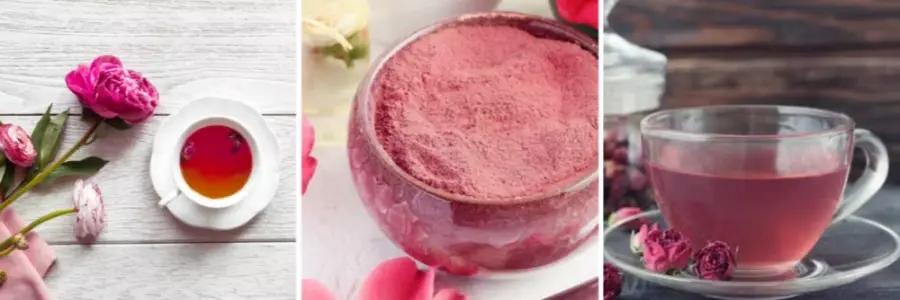
Understanding Bulk Rose Powder: Composition, Benefits, and Uses
What Is It Made Of?
First, high-quality rose petals are air-dried, spray-dried, or freeze-dried. Then, they are milled until the particles are between 80 and 200 mesh. This fine texture makes it easy for various base formulas to spread out evenly. Polyphenols, anthocyanins, flavonoids, vitamin C, and volatile aromatic compounds like geraniol and nerol are all in the chemical profile. These are all naturally occurring substances that have not been changed in any way.
Functional Benefits Backed by Science
A study in the journal Food Chemistry shows that Rosa damascena products are powerful antioxidants because they contain a lot of polyphenols. When used in nutricosmetic products, these compounds help lower oxidative stress, and when used in ingestible beauty products, they help keep the skin flexible. In food, the natural anthocyanins in rose powder give it a soft pink to mauve color. They work as a plant-based colorant at low inclusion rates.
Practical Application Across Industries
There are three main areas where rose powder is used. In food and candy, it gives baked goods, candies, and dairy products natural taste and color that doesn't change when heated. It's found in beauty-from-within capsules, botanical tea blends, and functional drink mixes that are all dietary supplements. Its very fine texture makes it good for clay masks, scrubs that exfoliate, and solid cleansers because it gives skin a gentle mechanical action while also putting plant actives directly on it.
Bulk Rose Powder vs. Alternative Botanical Ingredients: Making the Right Choice
Powder vs. Rose Water
Rose water is much less dense than dried powders because it only has about 0.01% to 0.05% aromatic molecules. Rose water just doesn't work in low-moisture products like chocolate bars, pressed supplements, or skin care products that don't contain water. Powder is a stable, measurable form of dosage that product developers can use to make accurate additions and ensure consistency across production batches.
Organic vs. Conventional Grades
Organic Bulk Rose Powder, which is made without using synthetic pesticides and is certified by the USDA or a similar organization, sells for more money and can be sold in clean-label markets. For companies that sell their goods as natural or organic, getting an organic license can help with their marketing. Conventional grades are still competitive in low-cost formulas where taste and color are more important than organic labels.
Powder vs. Synthetic Alternatives
Synthetic rose flavor chemicals may make an aroma consistent, but they don't have any plant actives and can't back up a natural or clean label claim. In the US and EU, rules about artificial colors are getting stricter. This makes plant-based options like rose powder more practical for brands that want to stay in line for a long time. Rose powder comes from natural sources, which supports clear ingredient labels, which are becoming more and more important to some American customers.
How to Source and Procure Bulk Rose Powder for Private Label Products?
Supplier Qualification Criteria
Certifications are the most important thing to look at when choosing a Bulk Rose Powder seller. To start, look for proof of ISO 22000, HACCP, Kosher, and Halal. Ask for certificates of analysis (COA) that show that the sample has been tested for heavy metals using ICP-MS, microbe counts, pesticide residues using GC-MS or LC-MS/MS, and moisture content less than 5%. A trustworthy supplier lets you know if spray-dried products contain fillers like maltodextrin and keeps full records of each batch.
Wholesale Pricing and Minimum Orders
The price of bulk rose petal powder depends on the grade (natural or organic), the size of the particles, and the way they are dried. Because it keeps bioactives better, freeze-dried powder usually costs more than air-dried powder. Most business-to-business (B2B) suppliers have minimum order sizes that range from 25 kg to 100 kg for first purchases. It is normal to ask for samples before placing a full order, and a trustworthy Bulk Rose Powder maker will not object to this.
Logistics and Documentation
If you are an importer of Bulk Rose Powder in the US, make sure that your seller gives you export-ready paperwork like phytosanitary certificates, a bill of lading, and full ingredient declarations that meet FDA labeling standards. How long it takes to get deliveries and how easy it is to get stock from local warehouses directly affect your production plan. Working with a supplier that keeps inventory in warehouses in the US or Europe greatly lowers the risk of lead time during times of high demand.
Optimizing Private Label Product Development with Bulk Rose Powder
Formulation Integration Tips
The anthocyanin colors in rose powder stay stable in slightly acidic (pH 4.5–5.5) settings, which is where it works best. During shelf-life models, R&D teams should test how well colors stay true when exposed to UV light and heat. Even though powder doesn't dissolve in oil, high-shear mixing helps keep the mixture evenly mixed for oil-based and dry formulas. Keep all rose powder stock below 25°C in cases that are vacuum-sealed and won't let light in. This will keep the aromatic integrity and slow the oxidation of volatile oils.
Labeling and Brand Positioning
Labels that are clear make people more confident. Putting "Rosa damascena petal powder" or "Rosa centifolia flower powder" on an item list shows that the plant is real. Putting an organic certification badge on the packaging of a private label brand that is aimed at health-conscious Americans sends a clear message of trust. SPINS retail data shows that in natural retail channels, goods with well-known botanical ingredients regularly do better than generic-label alternatives.
Quality Assurance and Batch Consistency
The chance of batch variation is lower if you work closely with your supplier on quality inspection protocols for incoming goods. Ask for stability testing results that show how fast anthocyanin breaks down in the presence of UV light and heat. Manufacturers who use automatic filling or blending lines must make sure that the particle size distribution is consistent across multiple production runs. This is because powder flow and density directly affect yield accuracy.
Conclusion
Bulk Rose Powder is a shelf-stable ingredient that has a natural taste, a color that doesn't need to be labeled, and a botanical health positioning. It meets the real formulation needs of private label brands in food, supplements, and skincare, and it also meets the growing customer desire for plant-based openness. How well this item works at scale will depend on picking the right grade, making sure the seller is trustworthy, and setting quality rules for consistent batches. Once you're ready to go, it's much easier to find a manufacturer if you start talking to them early on in the product development process.
FAQ
What is the shelf life of rose petal powder?
Bulk Rose Powder that is kept properly—below 25°C in vacuum-sealed, light-resistant packaging—usually stays fresh for 24 months. The main risk of degradation is getting wet, so the integrity of the packaging is more important than just the temperature.
Does rose powder cause any formulation side effects?
Rose powder is safe to use in food, supplements, and cosmetics at standard inclusion rates. People who are known to be sensitive to Rosaceae plants should be marked in the product information, but in general, bad responses to mixtures are not common.
How do I verify that a supplier is authentic?
Ask for third-party lab reports from approved facilities, make sure the company has any current certifications (ISO, Halal, Kosher), and ask for customer references in the industry you want to work in. From the origin of the raw materials to the end processing, reputable Bulk Rose Powder providers provide full tracking paperwork.
Is rose powder compatible with oil-based products?
Rose powder doesn't dissolve in oil, but its small particles make it safe in creams and dry mixtures when mixed with a high-shear mixer. This means that it can be used in solid skin care products without the need for solubilizers.
What certifications should I require from my supplier?
You should require at least ISO 22000, HACCP, and either Kosher or Halal, depending on who you're selling to. For placement in the US natural market, USDA Organic approval adds a lot of value.
Request Your Rose Powder Sample from Yanxi Herbs Today
Since 2010, Yanxi Herbs has sold approved botanical ingredients to customers in more than 100 countries. We are a reliable Bulk Rose Powder supplier with ISO 22000, HACCP, Kosher, and Halal certifications. We also provide flexible order quantities, full COA documentation, and fast domestic delivery from our US warehouse. You can email our team at info@yanxiherbs.com or go to yanxiherbs.com to get a sample, technical datasheet, or personalized quote for your private label project.
References
1. Boskabady, M. H., et al. — "Pharmacological Effects of Rosa damascena." Iranian Journal of Basic Medical Sciences, 2011.
2. Nowak, R. — "Antioxidant Activity of Rose Petals." Food Chemistry, 2005.
3. Kumar, N., & Bhandari, P. — "Polyphenols of the Rose Family: Botanical Sources and Health Effects." Journal of Ethnopharmacology, 2012.
4. Vinokur, Y., et al. — "Rose Petal Compounds: Stability and Bioavailability in Processed Food." LWT – Food Science and Technology, 2006.
5. SPINS Market Research — "Natural Channel Ingredient Trends: Botanical Actives in Private Label Products." SPINS Retail Insights Report, 2022.
6. Shalit, M., et al. — "Volatile Ester Formation in Roses: Geraniol and Nerol Content in Rosa damascena." Journal of Agricultural and Food Chemistry, 2003.

Send Inquiry
Related Industry Knowledge
- How Can Purple Yam Powder Enhance Color and Texture in Food Product Development?
- Organic Chaga Mushroom Extract Powder For Immune Boosting Latte
- Freeze-Dried Lemon Powder Helps Brands Develop Natural Citrus Products with Extended Storage Flexibility
- Food Grade Bulk Astaxanthin Powder For Skincare Antioxidant Supplements
_1787033972542.webp)