
Chlorophyll Powder for Green Pasta, Noodles, and Bakery Formuloatins
Oct 21, 2026
Chlorophyll powder is a concentrated plant-derived pigment extracted primarily from alfalfa (Medicago sativa). In food manufacturing, it functions as both a natural colorant and a functional ingredient. When added to pasta, noodles, or bakery dough, it produces a stable green color without synthetic dyes. Beyond aesthetics, it brings antioxidant activity and detoxification support that align with today's clean-label trends. For R&D teams and purchasing managers sourcing botanical ingredients at scale, understanding how this ingredient performs technically is the foundation of a sound formulation strategy.
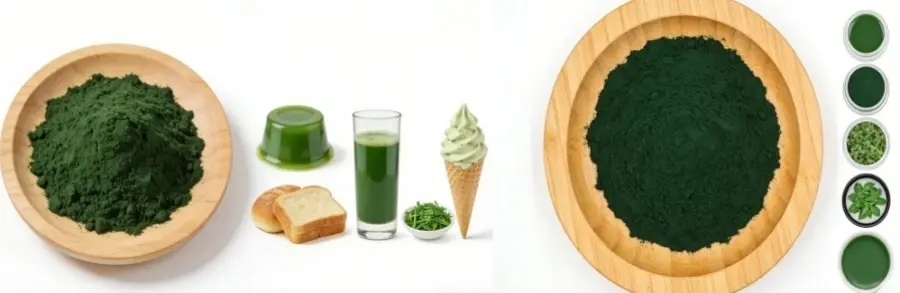
Understanding Chlorophyll Powder and Its Benefits in Food Formulations
What Is Chlorophyll Powder?
Plants, mostly alfalfa, are used to create Chlorophyll Powder, which is green. The things that make it work are pure chlorophyll and magnesium chlorophyllin. Sodium copper chlorophyllin that is safe for food has copper instead of magnesium in the middle. This makes it more stable when the pH is low and the temperature is high. The FDA says that this change is safe and that the code number E141 should be used as a food supplement. Dark green powder that is fine and mixes well with water can be used in mills.
Health Benefits Relevant to Functional Food Development
If food companies want to reach health-conscious people, they should use chlorophyllin as an active ingredient. A new study in the Journal of Food Science confirms that it does work as an antioxidant and a detoxifier. Researchers have looked into how it can help the body smell better, fight free radicals, and support the digestive system. Because of these things, food companies can say that things like green pasta and useful baked goods are healthy. This looks good and is good for business.
Chlorophyllin vs. Other Natural Colorants
Chlorophyllin from alfalfa is much better for making things than matcha, spirulina, or wheatgrass powder. Spirulina can make food smell strongly of the sea when used in large amounts, and wheatgrass can make food taste bitter. That's right, chlorophyllin doesn't taste like grass when you take the right amount. Temperatures up to 100°C are fine as long as the pH level is balanced. For this reason, it's better than most plant-based green pigments for use in baked goods and noodles that are already made.
Enhancing Green Pasta, Noodles, and Bakery with Chlorophyll Powder
Dosage and Incorporation in Dough Formulations
Take the right amount. 0.05% to 0.3% (w/w) chlorophyllin powder mixed with flour turns pasta and noodles a nice green color. It doesn't change the structure of the gluten or the way the dough moves. The inclusion rates for baked goods like crackers, bread, and rolls should be between 0.03% and 0.15%. Dry-batch the powder into the flour before you add the water to make sure it is spread out evenly and to keep the finished product from having spots of strong color.
pH Management and Color Stability in Processing
A lot of the time, formulation teams think about how stable the color is. Between 7.0 and 11.0, which is standard to slightly alkaline, is the pH range where chlorophyllin works best. The color might turn dark or brown if you use vinegar or citric acid in your dough or recipes. If the bread base is sourdough or acidic, you should use a food-grade sodium bicarbonate or buffer solution to lower the pH before adding the color. It's true that the alkaline water (kansui) that is used in ramen helps the colors stay true. So, ramen is a great way to show how different shades of green are.
Real-World Application Outcomes
In the US, several healthy food makers have come out with lines of green pasta and noodles that are colored with chlorophyll. Studies of consumer panels show that people would rather buy green products made from plant-based pigments than green products made with man-made dyes most of the time. Chlorophyll-colored foods stay green for at least a year if they are stored at 25°C in dark, sealed containers. This means that stores can get what they need from both small and large producers.
Procurement Guide: Choosing the Right Chlorophyll Powder Supplier
Key Supplier Qualification Criteria
To get Chlorophyll Powder for business use, you need more than just a sample. Buying managers should ask for Certificates of Analysis (COA) for each batch. Heavy metals should be less than 10 parts per million, total plate count should be less than 1,000 CFU/g, and yeast and mold should be less than 100 CFU/g. With an 80-mesh sieve, it should all fit through. It should be safe to store for at least 24 months. If you want to sell food, vitamins, or products in the US, you need to have ISO 22000, HACCP, FDA Registration, Kosher, or Halal certifications that can be checked.
Specification Options and Packaging Formats
Business buyers should be able to choose from a range of specifications. Researchers and developers can use alfalfa as a source of 15% and 95% chlorophyll to help them find the best balance between useful quantity and cost-per-unit. You can test a small amount or make a lot of them without having to switch sources because it comes in 1 kg bags, 5 kg boxes, and 25 kg drums. A good goal is to keep things in stock and send them out within one to three business days of getting paid. This will help keep production on schedule.
Evaluating Organic vs. Standard Grade
To make things that will sell in organic stores or in the EU, where waste rules are very strict, you may need to pay a lot more for organic chlorophyllin. If the alfalfa chlorophyllin doesn't leave behind too much acetone or hexane, it's okay to use in most foods and supplements in the US. It's based on where the product stands in the market and what it says on the package. The goods should always be asked for solvent residue reports by buyers, even if they are not organic. This is a normal quality check.
Quality and Safety in Chlorophyll Powder for Food Applications
Safety Profile and Regulatory Standing
There is a lot of proof that sodium copper chlorophyllin is safe. When it comes to food safety, the FDA says it is GRAS, and the EFSA has set daily limits on how much E141 you can eat without getting sick. The government always says that the copper inside the porphyrin ring structure is safe to use for a long time because it doesn't change form as free copper does. It's much safer to use a lot more than what is suggested for most food uses. This gives businesses a lot of room to go wrong.
Storage, Handling, and Shelf Life
You can stop quality loss that you can avoid if you treat something the right way. The Chlorophyll Powder needs to be kept in containers that don't let light or air in. Also, keep it away from water and below 25°C. Light that comes straight at you breaks down air faster and fades colors more quickly. Ingredients stay useful for 24 months if they are kept in stores that change their stock based on the rule "first in, first out." Dried substances put on the outside of large drums help keep the air dry in hot buildings like those in southern US shipping centers.
Batch Consistency and Quality Documentation
When buying things for long runs, stability from batch to batch is just as important as quality at the beginning. They need to show test results that were checked by HPLC and show that the amount of total chlorophyllin is within 2% of what is needed. Spectrophotometric tests at 405 nm and 630 nm show that chlorophyllin correctly takes in light. Before you sign a supply agreement, you can look at three batch COAs in a row to see how well the process is managed and to get a sense of how regular things will be during the contract period.
Future Trends and Innovations in Chlorophyll Powder Usage in Food Industry
Clean-Label Demand Driving Market Growth
In the US, there are more and more foods with clean labels. According to a study from 2023 by the market research company Innova Market Insights, more than 60% of customers in the US actively look for goods that list ingredients that sound like plants. More natural shades of green are being used in new snack foods, baked goods, and pasta. Most of these shades of green come from alfalfa and leafy greens. Chlorophyllin should be used as an important part of a story, not just for color. This change makes that possible.
Bioavailability Improvements and Encapsulation
In the US, several food science study groups are working on microencapsulation methods that will protect chlorophyllin even more from pH breakdown and make it easier for the body to take in. Chlorophyllin that is not encapsulated doesn't lose its color when it comes into contact with foods that are acidic. For short-term use in baking with fruit layers or acidic glazes, encapsulated forms are a good choice. They should be watched by R&D teams until better options that can be used by more people come out.
Sustainability and Responsible Sourcing
One of the industrial crops that needs the least amount of water is alfalfa. It needs a lot less water per acre than spinach or other foods with lots of chlorophyll in the leaves. So getting chlorophyllin from alfalfa is better for the environment, which helps companies show how sustainable they are. US companies that make food and drinks can include information about the supply chain in their ESG (Environmental, Social, and Governance) reports if the suppliers they buy from give them proof of how the raw materials were grown and how the finished products were tested. This is getting bigger and bigger in their minds as they choose what to buy.
Conclusion
As demand for clean-label ingredients continues to grow, more food manufacturers are exploring plant-based colourants for a wide range of products. Chlorophyll Powder is one option for developing green-coloured foods, including baked goods, noodles, pasta, and selected beverage formulations. However, buyers should distinguish between natural chlorophyll and chlorophyllin, a modified pigment with different stability characteristics and product specifications. When sourcing Chlorophyll Powder, manufacturers should confirm the ingredient's botanical source, composition, intended application, and regulatory status in their target markets. Depending on its formulation and processing conditions, Chlorophyll Powder may offer a convenient way to introduce green colour into recipes, but its stability can vary with exposure to heat, light, oxygen, and changes in acidity. Food developers should therefore test Chlorophyll Powder in the actual product to assess colour retention, flavour compatibility, and processing performance. Although chlorophyll-related compounds have been studied for their biological properties, health benefits should not be assumed from the ingredient's presence alone; any nutritional or functional claims require appropriate evidence and regulatory review. For procurement teams, consistent quality specifications, batch-specific certificates of analysis, traceability records, and dependable delivery are important when selecting a supplier of Chlorophyll Powder. By verifying these details and conducting formulation trials, businesses can determine whether Chlorophyll Powder meets their production requirements and supports a consistent clean-label product strategy. A reliable supply of appropriately specified Chlorophyll Powder can also help manufacturers plan production more efficiently as demand for plant-based ingredients evolves.
FAQ
What concentration of chlorophyll powder works best for green pasta?
To make pasta look green, most people add 0.1% to 0.2% (w/w) chlorophyllin to the flour. As the number goes up, the color gets darker, but the effects don't get better, and each batch costs more. First, test new ideas by making something small. Then, see how well the extruder performance and drying conditions work, and make changes.
Why do some baked goods turn brown after being green?
When the dough's pH falls below 7.0, the color changes. When acidic things are added to food, as baking powder mixes with sodium aluminum sulfate, fruit purees, or vinegar, this green color goes away. To fix this issue most of the time, either switch the leavening system or make the dough's pH normal before adding the color.
Is alfalfa-derived chlorophyllin safe for people who are allergic to alfalfa?
There are several steps that are taken to make sure that there are no protein parts left in really pure chlorophyllin. But the food makers should put out an Allergen Statement for every batch that says the important protein residues are not present. Before adding this information to lines of goods for people with allergies, the people who make them should look it over.
Does chlorophyll powder affect dough texture or gluten development?
It doesn't change how the gluten networks form or how stretchy the dough is if you use less than 0.3% w/w. It doesn't change the structure of the proteins in the wheat flour at these amounts; it just adds color and antioxidants.
Partner with Yanxi Herbs for Bulk Chlorophyll Powder Supply
Yanxi Herbs has supplied certified botanical ingredients to food and supplement manufacturers across more than 100 countries since 2010. Our alfalfa-derived Chlorophyll Powder is available in 15% and 95% specifications, packaged in 1 kg, 5 kg, and 25 kg formats, with delivery within 1–3 working days after payment. As a trusted chlorophyll powder manufacturer holding ISO 22000, HACCP, FDA Registration, Kosher, and Halal certifications, we offer free samples, custom specifications, and full documentation support. Contact us at info@yanxiherbs.com or visit yanxiherbs.com to request your sample today.
References
1. Ferruzzi, M. G., & Blakeslee, J. (2007). Digestion, absorption, and cancer preventative activity of dietary chlorophyll pigments. Nutrition Research, 27(1), 1–12.
2. Lanfer-Marquez, U. M., Barros, R. M. C., & Sinnecker, P. (2005). Antioxidant activity of chlorophylls and their derivatives. Food Research International, 38(8–9), 885–891.
3. Scotter, M. J. (2011). Methods for the determination of European Union–permitted added natural colours in foods. Food Additives & Contaminants: Part A, 28(5), 527–596.
4. Martins, N., Roriz, C. L., Morales, P., Barros, L., & Ferreira, I. C. F. R. (2016). Food colorants: Challenges, opportunities and current desires of agro-industries to ensure consumer expectations and regulatory practices. Trends in Food Science & Technology, 52, 1–15.
5. Innova Market Insights. (2023). Top Trends in Food & Beverage: Clean Label and Natural Ingredients Report. Innova Market Insights.
6. Tang, G., & Suter, P. M. (2011). Vitamin A, nutrition, and health values of algae: Spirulina, chlorella, and Dunaliella. Journal of Pharmacy and Nutrition Sciences, 1(2), 111–118.

Send Inquiry
Related Industry Knowledge
- Can Bulk Rose Powder Add Botanical Appeal to Tea Blends and Natural Cosmetic Formulations?
- Can Instant Green Tea Powder Improve Efficiency in Ready-to-Mix Beverage Production?
- Which Beverage Products Can Manufacturers Develop with Instant Green Tea Powder?
- How Can Stevia Extract Powder Improve Sugar Reduction Strategies?