Coconut Milk Powder for Dairy-Free Ice Cream Formulations
Oct 16, 2026
Coconut milk powder is now one of the most sought-after ingredients for making ice cream without dairy. It is made by spray-drying fresh coconut milk from ripe Cocos nucifera kernels. It keeps the natural fats and smooth texture that frozen plant-based desserts need. It works with standard fat profiles, can be stored for up to 24 months, and goes away right away. This helps you make things even when you can't always count on sources. For food companies that make clean-label, allergen-free, and vegan-certified ice cream lines, this item is a good choice that will work well in the business world.
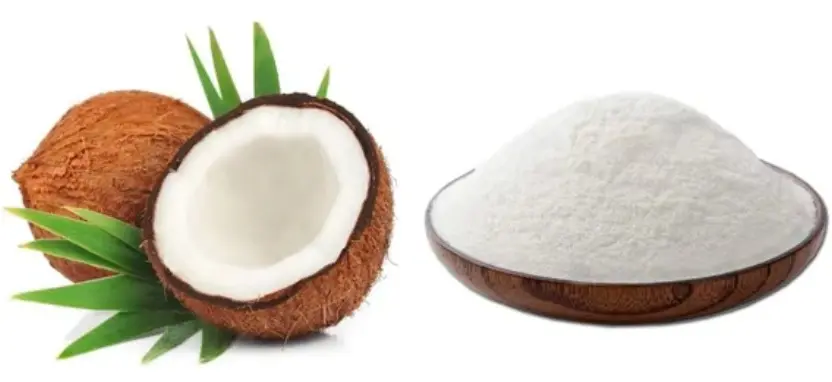
Understanding Coconut Milk Powder in Dairy-Free Ice Cream Production
How It Is Made
Spraying fresh coconut milk makes little drops. The drops are dried quickly to get rid of the water. This is how you make coconut milk powder. Changed starch, or maltodextrin, makes the fat drops stay in place. This makes it easy to work with and makes it last a long time. So, the end item doesn't get more than 3% wet. This keeps the food from clumping together and going rotten, which are both bad quality problems for mass production.
Functional Properties That Matter for Ice Cream
How thick and smooth dairy-free ice cream is will depend on how much fat is in the powder. Most of the time, the fat amount is between 30% and 100%. It feels smooth in the mouth like full-fat cheese because it has a lot of Medium-Chain Triglycerides (MCTs), especially lauric acid. When high-fat ice cream is heated to a high temperature, it solidifies, so the oil doesn't separate from the ice cream.
Nutritional and Clean-Label Advantages
People who are allergic to bread or cheese can eat coconuts. They need to pick a grade that doesn't have sodium caseinate in it. Instead, they should use plant-based fillers like maltodextrin or acacia gum. The market for dairy-free ice cream was expected to be worth more than
Oct 16, 2026
Coconut milk powder is now one of the most sought-after ingredients for making ice cream without dairy. It is made by spray-drying fresh coconut milk from ripe Cocos nucifera kernels. It keeps the natural fats and smooth texture that frozen plant-based desserts need. It works with standard fat profiles, can be stored for up to 24 months, and goes away right away. This helps you make things even when you can't always count on sources. For food companies that make clean-label, allergen-free, and vegan-certified ice cream lines, this item is a good choice that will work well in the business world. Spraying fresh coconut milk makes little drops. The drops are dried quickly to get rid of the water. This is how you make coconut milk powder. Changed starch, or maltodextrin, makes the fat drops stay in place. This makes it easy to work with and makes it last a long time. So, the end item doesn't get more than 3% wet. This keeps the food from clumping together and going rotten, which are both bad quality problems for mass production. How thick and smooth dairy-free ice cream is will depend on how much fat is in the powder. Most of the time, the fat amount is between 30% and 100%. It feels smooth in the mouth like full-fat cheese because it has a lot of Medium-Chain Triglycerides (MCTs), especially lauric acid. When high-fat ice cream is heated to a high temperature, it solidifies, so the oil doesn't separate from the ice cream. People who are allergic to bread or cheese can eat coconuts. They need to pick a grade that doesn't have sodium caseinate in it. Instead, they should use plant-based fillers like maltodextrin or acacia gum. The market for dairy-free ice cream was expected to be worth more than $1.4 billion in 2023 by Grand View Research. There is growth because people still want to buy things with clean names. That is, it is smart to get Coconut Milk Powder from a good place. Before choosing the powder, you should know what you're going to make. These are things that the buying and research teams should keep in mind: There is between 30% and 65% fat. Foods with more fat are better when it comes to being thick and creamy. It is better to eat foods that have less fat. These two things can't be together. More than 60% of coconut cream powder is fat most of the time. This makes a base that is fuller and thicker, which is good for making fancy taste ice cream. Coconut milk powder with 30 to 45% fat is better for middle-level recipes that need to save money or cut back on fat. They can avoid problems that are hard to fix after the product is made if they know this difference. You won't have to worry about scams if you buy your powder from a business that can show you the full chain of events, from the coconut farm to the sealed bag. One way to be sure that the fat source is 100% coconut and not a mix of cheaper food oils is to look into the fatty acids. In a managed market, people who want to sell a lot of goods need stable export papers, full batch records, and licenses from a third party. Add one part powder to three to four parts warm water to make coconut milk. Cut back on the water until it's fully mixed with the coconut cream. It spreads out more and doesn't stick together as much when mixed between 40°C and 60°C. When high pressure is used, like when making ice cream in a factory, the powder is always mixed in the same way. It stays together. When mixed with Coconut milk powder, guar gum and locust bean gum work better as glues. It also lowers the chance of ice crystals forming. You can meet both your gluten-free and weight-loss goals if you mix it with sugar replacements like stevia or monk fruit. No fat or sweetness are lost in the process. This mix of goods has been used for a long time to test and make plant-based frozen treats better. It feels rough, and the fat breaks apart, which is not good. Something can look grainy if the powder isn't mixed in all the way. Most of the time, this is fixed by changing the water's speed and temperature. For most of the time, when processing, the fat separates because either the emulsifier system isn't working right or the grade chosen isn't stable at high temperatures. Instead of starting from scratch, most of the time the problem can be fixed by moving to a UHT grade that is high in fat and doesn't melt. Businesses can buy coconut milk powder from the plant itself, from businesses that sell plant-based ingredients, or from businesses that sell food ingredients. People often pack for work in bags that don't like water. Inside these 25 kg paper bags are plastic or foil-coated bags. There is a different minimum order size for each seller, but prices tend to go down as you buy more. The unit cost can change if it's organic, doesn't have any extra ingredients, or has a certain amount of fat. Not organic coconut milk powder costs 20–35% less most of the time. Do not buy right away if someone wants to make a lot of money. Instead, they should talk about multi-shipment contracts. This makes sure there are enough sources and keeps prices steady. Every time you buy something, you should always ask for a Carbon Copy (COA). These terms need to be put down in stock deals. When a lot of people buy something, the price can change a lot. If you agree to buy a certain amount every year, the price will stay the same. See for yourself what kind of custom labels or boxes you need before you place a large order. You can get free samples. If the provider lets you change the specs, add your own name, and get help with export paperwork, long-term, cheap options with strict rules are better. It is best to store Coconut milk powder somewhere that is not more than 25°C or less than 65% relative humidity. Place it somewhere dry. Any water will stick to it because it holds water. This speeds up the breakdown of fat by moving it around. A lot of things are kept in plastic bags with ends that can be sealed again. If you store it right, it will last for 24 months from the date it was made. Keep boxes off the ground and away from tools that give off heat when you store things. In hot places or during the summer, cool boxes are the best way to send things over long distances. When goods are being stored in controlled markets, it's important to keep track of what's there at all times. The amount of moisture, fat, and microbiological indicators in a batch should all be checked before it is used in production. If the powder looks, smells, or flows differently after being shipped, you can tell right away. Providers should give COAs and test reports from a third party before they ship. This makes it simple to see how good the things are. You don't have to make dairy-free ice cream to use Coconut milk powder in other recipes. More and more people like ice treats made from plants. You can get into that market in a great way with this. It lasts a long time, has a good amount of fat, and can be used with clean labels. It's important to get the right grade, mix it right, keep it right, and get it from a reliable source. The quality stay the same. If you don't do these things, one batch might not be as good as the next. The fastest way for purchasing managers, research and development teams, and quality pros to make sure that production stays stable is to build a strong supply chain with a supplier of good botanical products. Yes. There is about the same amount of fat (17–24%) in the drink you get when you mix 1 part powder with 3–4 parts warm water. You can change this amount to make bases taste better. Powdered foods don't change as much from batch to batch as canned foods do. For example, the amount of fat in canned foods can vary from batch to batch. The FDA says that Pure Coconut Milk Powder does not contain gluten or a few other major allergens. But people who want to buy should check that the factory follows the rules for keeping food separate and that dairy isn't added by the carrier agent. You should always get a full list of allergens and drugs from the source you use. If you keep coconut milk powder below 25°C and in foil-sealed containers, it will stay fresh for up to 24 months. After you open it, you have 4–6 weeks to use it. Make sure the lid is tight again after each use to keep water out. Not at all. There is more than 95% of the lauric acid that it had at first left in good coconut milk powder. Something has a fatty core that closes up when you spray dry it. While it dries, it doesn't break down. Yanxi Herbs has been selling natural plant-based goods to food companies all over the world since 2010. We can say that our Coconut Milk Powder is ISO 22000, HACCP, Kosher, and Halal. It doesn't matter what supply it is because we can track each batch back to where it came from. Our team gets back to you quickly with clear paperwork and low prices, whether you need a large order, samples for research and development, or special instructions. You can count on us to help you with every step of the process when you buy Coconut Milk Powder from us, from choosing the ingredients to delivering them. To get a bit, email us at info@yanxiherbs.com or go to yanxiherbs.com right now. 1.Grand View Research. Dairy-Free Ice Cream Market Size, Share & Trends Analysis Report. 2023. 2.Food and Agriculture Organization of the United Nations (FAO). Coconut Processing and Product Development. 2020. 3.Journal of Food Engineering. Spray Drying of Coconut Milk: Effects on Physical and Chemical Properties. 2019. 4.Journal of the American Oil Chemists' Society. Medium-Chain Triglycerides in Coconut Lipids: Composition and Functional Characteristics. 2018. 5.International Dairy Journal. Stabilizer Systems in Plant-Based Frozen Desserts: Texture and Ice Crystal Control. 2021. 6.Food Chemistry. Thermal Stability of Spray-Dried Coconut Milk Powder During High-Temperature Processing. 2022. Send Inquiry
Coconut Milk Powder for Dairy-Free Ice Cream Formulations
Understanding Coconut Milk Powder in Dairy-Free Ice Cream Production
How It Is Made
Functional Properties That Matter for Ice Cream
Nutritional and Clean-Label Advantages
Selecting the Right Coconut Milk Powder for Your Ice Cream Line
Key Procurement Criteria
Coconut Milk Powder vs. Coconut Cream Powder
Supplier Verification and Traceability
Formulation Techniques and Best Practices Using Coconut Milk Powder
Reconstitution and Mixing
Working with Stabilizers and Sweeteners
Troubleshooting Common Formulation Issues
Procurement Strategies for Bulk Coconut Milk Powder
Wholesale Channels and Packaging Formats
Price Factors and Cost Management
Negotiation Strategies for Large Orders
Storing and Handling Coconut Milk Powder for Optimal Quality
Recommended Storage Conditions
Warehouse and Transit Best Practices
Quality Checks Upon Receipt
Conclusion
FAQ
Can coconut milk powder fully replace liquid coconut milk in ice cream recipes?
Is coconut milk powder gluten-free and allergen-safe?
What shelf life can be expected under proper storage?
Does spray drying affect MCT content?
Partner with Yanxi Herbs for Your Coconut Milk Powder Supply
References

Related Industry Knowledge
_1787033972542.webp)
Selecting the Right Coconut Milk Powder for Your Ice Cream Line
Key Procurement Criteria
Before choosing the powder, you should know what you're going to make. These are things that the buying and research teams should keep in mind:
- Fat content (30–65%): Higher fat grades produce richer, creamier frozen textures; lower fat grades suit lighter sorbet-style products.
- Particle size and dispersibility: Fine granularity ensures quick reconstitution and even distribution in ice cream bases.
- Carrier type: Maltodextrin-based carriers support vegan claims; sodium caseinate-based carriers do not.
- Certifications: ISO 22000, HACCP, Halal, Kosher, and Non-GMO documentation are standard requirements for U.S. and global market access.
There is between 30% and 65% fat. Foods with more fat are better when it comes to being thick and creamy. It is better to eat foods that have less fat.
Coconut Milk Powder vs. Coconut Cream Powder
These two things can't be together. More than 60% of coconut cream powder is fat most of the time. This makes a base that is fuller and thicker, which is good for making fancy taste ice cream. Coconut milk powder with 30 to 45% fat is better for middle-level recipes that need to save money or cut back on fat. They can avoid problems that are hard to fix after the product is made if they know this difference.
Supplier Verification and Traceability
You won't have to worry about scams if you buy your powder from a business that can show you the full chain of events, from the coconut farm to the sealed bag. One way to be sure that the fat source is 100% coconut and not a mix of cheaper food oils is to look into the fatty acids. In a managed market, people who want to sell a lot of goods need stable export papers, full batch records, and licenses from a third party.
Formulation Techniques and Best Practices Using Coconut Milk Powder
Reconstitution and Mixing
Add one part powder to three to four parts warm water to make coconut milk. Cut back on the water until it's fully mixed with the coconut cream. It spreads out more and doesn't stick together as much when mixed between 40°C and 60°C. When high pressure is used, like when making ice cream in a factory, the powder is always mixed in the same way. It stays together.
Working with Stabilizers and Sweeteners
When mixed with Coconut milk powder, guar gum and locust bean gum work better as glues. It also lowers the chance of ice crystals forming. You can meet both your gluten-free and weight-loss goals if you mix it with sugar replacements like stevia or monk fruit. No fat or sweetness are lost in the process. This mix of goods has been used for a long time to test and make plant-based frozen treats better.
Troubleshooting Common Formulation Issues
It feels rough, and the fat breaks apart, which is not good. Something can look grainy if the powder isn't mixed in all the way. Most of the time, this is fixed by changing the water's speed and temperature. For most of the time, when processing, the fat separates because either the emulsifier system isn't working right or the grade chosen isn't stable at high temperatures. Instead of starting from scratch, most of the time the problem can be fixed by moving to a UHT grade that is high in fat and doesn't melt.
Procurement Strategies for Bulk Coconut Milk Powder
Wholesale Channels and Packaging Formats
Businesses can buy coconut milk powder from the plant itself, from businesses that sell plant-based ingredients, or from businesses that sell food ingredients. People often pack for work in bags that don't like water. Inside these 25 kg paper bags are plastic or foil-coated bags. There is a different minimum order size for each seller, but prices tend to go down as you buy more.
Price Factors and Cost Management
The unit cost can change if it's organic, doesn't have any extra ingredients, or has a certain amount of fat. Not organic coconut milk powder costs 20–35% less most of the time. Do not buy right away if someone wants to make a lot of money. Instead, they should talk about multi-shipment contracts. This makes sure there are enough sources and keeps prices steady. Every time you buy something, you should always ask for a Carbon Copy (COA). These terms need to be put down in stock deals.
Negotiation Strategies for Large Orders
When a lot of people buy something, the price can change a lot. If you agree to buy a certain amount every year, the price will stay the same. See for yourself what kind of custom labels or boxes you need before you place a large order. You can get free samples. If the provider lets you change the specs, add your own name, and get help with export paperwork, long-term, cheap options with strict rules are better.
Storing and Handling Coconut Milk Powder for Optimal Quality
Recommended Storage Conditions
It is best to store Coconut milk powder somewhere that is not more than 25°C or less than 65% relative humidity. Place it somewhere dry. Any water will stick to it because it holds water. This speeds up the breakdown of fat by moving it around. A lot of things are kept in plastic bags with ends that can be sealed again. If you store it right, it will last for 24 months from the date it was made.
Warehouse and Transit Best Practices
Keep boxes off the ground and away from tools that give off heat when you store things. In hot places or during the summer, cool boxes are the best way to send things over long distances. When goods are being stored in controlled markets, it's important to keep track of what's there at all times.
Quality Checks Upon Receipt
The amount of moisture, fat, and microbiological indicators in a batch should all be checked before it is used in production. If the powder looks, smells, or flows differently after being shipped, you can tell right away. Providers should give COAs and test reports from a third party before they ship. This makes it simple to see how good the things are.
Conclusion
You don't have to make dairy-free ice cream to use Coconut milk powder in other recipes. More and more people like ice treats made from plants. You can get into that market in a great way with this. It lasts a long time, has a good amount of fat, and can be used with clean labels. It's important to get the right grade, mix it right, keep it right, and get it from a reliable source. The quality stay the same. If you don't do these things, one batch might not be as good as the next. The fastest way for purchasing managers, research and development teams, and quality pros to make sure that production stays stable is to build a strong supply chain with a supplier of good botanical products.
FAQ
Can coconut milk powder fully replace liquid coconut milk in ice cream recipes?
Yes. There is about the same amount of fat (17–24%) in the drink you get when you mix 1 part powder with 3–4 parts warm water. You can change this amount to make bases taste better. Powdered foods don't change as much from batch to batch as canned foods do. For example, the amount of fat in canned foods can vary from batch to batch.
Is coconut milk powder gluten-free and allergen-safe?
The FDA says that Pure Coconut Milk Powder does not contain gluten or a few other major allergens. But people who want to buy should check that the factory follows the rules for keeping food separate and that dairy isn't added by the carrier agent. You should always get a full list of allergens and drugs from the source you use.
What shelf life can be expected under proper storage?
If you keep coconut milk powder below 25°C and in foil-sealed containers, it will stay fresh for up to 24 months. After you open it, you have 4–6 weeks to use it. Make sure the lid is tight again after each use to keep water out.
Does spray drying affect MCT content?
Not at all. There is more than 95% of the lauric acid that it had at first left in good coconut milk powder. Something has a fatty core that closes up when you spray dry it. While it dries, it doesn't break down.
Partner with Yanxi Herbs for Your Coconut Milk Powder Supply
Yanxi Herbs has been selling natural plant-based goods to food companies all over the world since 2010. We can say that our Coconut Milk Powder is ISO 22000, HACCP, Kosher, and Halal. It doesn't matter what supply it is because we can track each batch back to where it came from. Our team gets back to you quickly with clear paperwork and low prices, whether you need a large order, samples for research and development, or special instructions. You can count on us to help you with every step of the process when you buy Coconut Milk Powder from us, from choosing the ingredients to delivering them. To get a bit, email us at info@yanxiherbs.com or go to yanxiherbs.com right now.
References
1.Grand View Research. Dairy-Free Ice Cream Market Size, Share & Trends Analysis Report. 2023.
2.Food and Agriculture Organization of the United Nations (FAO). Coconut Processing and Product Development. 2020.
3.Journal of Food Engineering. Spray Drying of Coconut Milk: Effects on Physical and Chemical Properties. 2019.
4.Journal of the American Oil Chemists' Society. Medium-Chain Triglycerides in Coconut Lipids: Composition and Functional Characteristics. 2018.
5.International Dairy Journal. Stabilizer Systems in Plant-Based Frozen Desserts: Texture and Ice Crystal Control. 2021.
6.Food Chemistry. Thermal Stability of Spray-Dried Coconut Milk Powder During High-Temperature Processing. 2022.
Send Inquiry
Related Industry Knowledge
- Microalgae Derived Astaxanthin Powder For Pet Nutrition
- Pumpkin Powder Offers Versatile Applications for Global Food Manufacturers
- Astaxanthin Powder Bulk Provides Reliable Ingredient Supply for Beauty and Nutrition Product Manufacturers
- What Makes Butterfly Pea Flower Extract Powder Ideal for Clean Label Food and Drink Applications?