
How Bulk Wheat Grass Juice Powder Improves Beverage Dispersion
Oct 10, 2026
Wheat Grass Juice Powder Bulk is a fiber-free, concentrated extract derived from young Triticum aestivum plants, produced through cold-press juicing followed by low-temperature spray drying or freeze drying. This process removes indigestible cellulose, yielding a powder with a typical concentration ratio of 20:1 to 30:1. For beverage manufacturers, this means superior solubility, uniform particle distribution, and a clean mouthfeel that whole-leaf powder simply cannot match. When properly sourced and incorporated, wheatgrass juice powder bulk significantly reduces sedimentation and clumping in liquid formulations—two of the most persistent quality problems in functional beverage production.
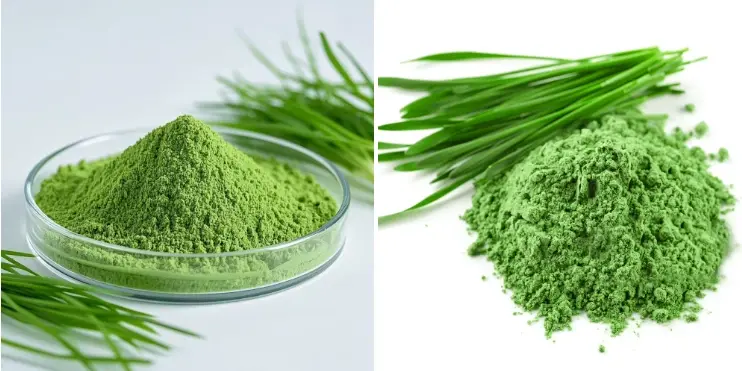
Understanding Bulk Wheat Grass Juice Powder and Its Role in Beverage Dispersion
Buying teams can choose better what to buy when they know what an ingredient is and what it does in a formula before they buy a lot of it.
What Makes It Different from Whole-Leaf Powder?
The whole blade of grass, with all of its strands, needs to dry out and be ground into wheatgrass powder. Wheat Grass Juice Powder Bulk doesn't have any fiber because it doesn't have any fiber before it is dried. This makes something that is 10–20 times more nutrient-dense, doesn't feel rough, and dissolves completely in water. These parts of the element change how it works when mixed with water.
Nutritional Profile Relevant to Beverage Applications
Even though the powder has been mixed up, it still has a lot of small minerals, vitamins C, E, and B-complex, and chlorophyll. When you work with these bioactives, you should keep them cool because they don't like being hot. Functional drinks with "clean" labels can use the pigments and enzymes in their drinks to make them stand out and aid in sales.
Dosage and Safety Considerations for B2B Buyers
The amount used is different for each drink, but it's usually between 0.5 g and 3 g per serve. To make it taste good, don't use too much juice powder. Brands should try small amounts first before going big. It doesn't have gluten if it is picked before it is put together. ELISA tests at levels lower than 20 ppm showed this to be true.
Challenges in Beverage Dispersion and How Wheatgrass Juice Powder Addresses Them
Teams that are making drinks often have trouble getting their stuff to spread out as it should. The item will look bad on the shelf if the color isn't spread out properly. People will be less likely to believe it. When you know why, it's easy to figure out what's going on.
Why Conventional Green Powders Clump and Settle?
Ceres doesn't break down when water is added to some parts of whole-leaf powder. It's not even how much water they soak up when mixed with water. Also, they start to stick together in the bottle after a few hours. The amount in each dish isn't always the same, and the texture is rough, which is something people often give low marks on in blind tests.
How Particle Size and Fiber Removal Improve Solubility?
Wheat Grass Juice Powder Bulk doesn't have any fibers, so it dissolves quickly and easily in water. Full-leaf mixes take 3 to 5 minutes to dry, but fiber-free mixes only take 30 to 60 seconds, and fiber-filled mixes take 3 to 5 minutes. This makes it less likely that all RTDs will settle, even functional drinks and cold-pressed juices.
Real Production Outcomes Observed in Functional Beverage Lines
There was less stuff to filter, the color stayed the same between runs, and the drinks stayed stable on the shelf longer without extra help. When people who made drinks moved from whole-leaf to juice powder, they said these things. The green color stays the same because there is a lot of chlorophyll. It helps meet goals for clean labels because it doesn't need any added colors.
Procurement Insights: Choosing the Right Wheatgrass Juice Powder Supplier
The papers from the source and how they make their goods when they have a lot of them show how good the ingredients are. There are a lot of strict rules that buyers need to follow before they sign a supply deal. This is what people in charge of buying things should do.
Certifications and Compliance Documentation to Require
You need to learn both ISO 22000 and HACCP if you want to sell a lot of Wheat Grass Juice Powder in the EU or the US. Brands that want to sell to a lot of different people need to get Kosher and Halal certification. Labs that are ISO 17025-approved should test every batch of food for heavy metals (using ICP-MS), pesticide residues (using GC-MS/LC-MS), and chlorophyll strength (using HPLC). This should be written on the Certificate of Analysis that comes with the food.
Organic vs. Conventional: Pricing and Application Fit
In the US, people who like natural and organic drinks are one of the groups that buys the most healthy drinks. People will pay 20–40% more for this powder than other grades, but you can sell it to them. First, buy managers should make a market map that shows where the target SKU fits in. For sports drinks that a lot of people buy, plain grades are the best deal. Lots of the time, pricey health brands need to be certified organic before they can be sold in stores.
Packaging, MOQ, and Logistics Considerations
People often pack a lot of things in 25 kg drums with lids that keep air out. To give you an idea, things need to be kept in a building where it's less than 25°C and 60% humidity. The least amount of normal grades that can be bought is about 25 kg. If you need to change your production plan quickly, it's helpful to find people in the US or Europe who have stores close by. This makes wait times much shorter.
Practical Guide: How to Incorporate Wheat Grass Juice Powder into Beverage Production?
It's not enough to know where to look for the trouble. It is important to keep the spread in good shape so that it can be added to a production line.
Pre-Mixing and Hydration Sequencing
Before you add Wheat Grass Juice Powder Bulk to the main batch, it's best to mix it with some hot or cold water. In this method, the dry powder doesn't mix with a lot of water at once. The powder would rise to the top if it did. The speed should be between 300 and 500 RPM to keep the air out. The natural color of something can look dull if it's exposed to air.
Temperature Control During Processing
The juice powder doesn't like heat above 40°C if it was freeze-dried or sprayed with heat. Never mix hot drinks before they are served. You should do this when the drinks are already hot. The SOD enzymes and chlorophyll stay together in this order. Chlorophyll breaks down after being heated above 60°C for more than two minutes. This is what turns plants from green to olive-gray. This has been shown over and over again by stability tests.
Dosage Guidelines by Beverage Format
In general, the amounts below work well for different uses: 1.5 to 3 grams per 250 mL of green smoothie mix gives the drink color and a lot of nutrients without making it too sour.- Use 0.5 to 1 g per 500 mL of functional waters and electrolyte drinks that don't look or taste too strong.
A dose is one to two grams of energy drink concentrates. Adaptogens and B vitamins are often mixed with these to make them work better together.
- Green smoothie blends: 1.5 g to 3 g per 250 mL serving, offering visible color and nutritional density without excessive bitterness.
- Functional waters and electrolyte drinks: 0.5 g to 1 g per 500 mL serving, where light color and mild flavor are preferred.
- Energy drink concentrates: 1 g to 2 g per serving, often combined with B vitamins and adaptogens for synergistic positioning.
This is the last step before the big batch. You need to test a small batch with the exact pH and protection levels you want. These ranges are a good place for R&D teams to start.
Future Trends and Emerging Opportunities in Wheatgrass Juice Powder for Beverage Innovation
The market for power drinks in the US was worth about $23 billion in 2023. A big part of its growth is brands that are clean and made from plants. For Wheat Grass Juice Powder Bulk, these trends are going well with each other.
Micronization and Encapsulation Technologies
The next level of micronization breaks down even more particles. These changes help them spread out better in liquids that aren't very thick. Thanks to clever packaging, the enzymes and greens don't go bad while the food is sitting on the shelf. In clear or light-colored RTDs where green spots shouldn't be seen, this means it can be used. All of these changes will have to be made to how all suppliers do business in the next few years. You can already get them from some suppliers.
Private Label and Co-Development Opportunities
People who buy from other businesses can get better prices, unique formulas, and custom specs that are hard for competitors to copy if they sign co-development deals early on. It's helpful for buyers to be able to tell the difference between goods at the SKU level when sellers offer different concentrations, freeze-dried vs. spray-dried choices, or carrier-free pure grades.
Demand Signals from US and European Retail Channels
More than 30% more SKUs for greens powder were added to natural food stores and online stores in the US between 2020 and 2024. This shows that people will still need these things. In other words, people who buy goods can shop more carefully and make deals that keep costs the same.
Conclusion
The threads in whole-leaf options make it hard for drinks to mix. Wheat Grass Juice Powder Bulk makes it easier for drinks to mix. This is a good choice for people who make functional drinks and want to make sure that each batch is the best. It's naturally green, melts quickly, and is full of good things for you. As long as it comes from a reputable seller that can be tracked and has the right quality control paperwork, it can be used in blenders, ready-to-drink smoothies, and as a useful water ingredient. More companies will want to use this ingredient to add plant-based protein to their products without changing how they're made. This will help as the market for "clean label" drinks grows.
FAQ
What is the difference between wheatgrass juice powder and regular wheatgrass powder?
Fresh wheatgrass is juiced and then dried to get rid of all the fiber. The whole blade of grass, with all of its strands, needs to dry out and be ground into wheatgrass powder. It mixes well with water and has 10–20 times more nutrients than juice. It doesn't taste chalky either.
Is this powder gluten-free?
Yes. If you pick the wheatgrass early, before the seed head appears, it doesn't have any grains that contain gluten. You can trust tests, like ELISA, to show that the gluten level is less than 20 ppm, which is the set number for gluten-free approval.
How should the powder be stored?
It should be kept in a container that is covered and doesn't let air in. It should be kept below 25°C and below 60% relative humidity. Light, heat, and water can all make enzymes less effective. It should be good for 24 months from the date it was made if you store it right.
Does the powder contain carriers like maltodextrin?
Clean juice powder is the best kind. A little non-GMO maltodextrin is added to some spray-dried types to make the powder easier to work with. Always ask for a Certificate of Analysis before you buy something. It will show you how pure it is and how many carriers are in it.
What certifications should I require from a supplier?
First, you should ask for tests that are in line with ISO 22000, HACCP, and third-party standards for bacteria, heavy metals, and herbicide residues. In some stores, you may need a Kosher, Halal, or USDA Organic pass to get in.
Partner with Yanxi Herbs for Dependable Wheat Grass Juice Powder Bulk Supply
Since 2010, Yanxi Herbs has sold plant-based goods to companies all over the world that make vitamins, drinks, and food. You can trust the company that sells Wheat Grass Juice Powder Bulk because we are ISO 22000, HACCP, Kosher, and Halal approved. You can also look at the whole history of the batch with our third-party COA proof. It's easy to make changes, and large orders get discounts. We also have shops in the US and Europe to help you keep to your schedule. Send an email to info@yanxiherbs.com or visit yanxiherbs.com to get samples or a list of everything we sell.
References
1. Bhupathiraju, S. N., & Tucker, K. L. (2011). Nutrition Reviews — Nutritional and functional properties of wheatgrass juice and its constituents.
2. Marwaha, R. K., et al. (2004). Nutrition Journal — Wheatgrass juice reduces transfusion requirement in patients with thalassemia major: a pilot study.
3. Durairaj, S., et al. (2014). Journal of Pharmacy Research — Evaluation of the antioxidant and antimicrobial potential of wheatgrass.
4. Mintel Group. (2023). Global New Products Database: Functional Beverage Trends — Plant-based green ingredient growth in US retail channels.
5. Shyam, S., et al. (2007). Malaysian Journal of Nutrition — Wheatgrass juice as a low glycaemic index food with potential role in blood glucose management.
6. Chauhan, M. (2014). Journal of Chemical and Pharmaceutical Research — A pilot study on the effects of wheatgrass supplementation and its spray-dried processing outcomes on bioavailability.

Send Inquiry
You may like
Related Industry Knowledge
- How Does Freeze-dried Dragon Fruit Powder Improve Natural Color In Food Applications?
- Freeze-dried Dragon Fruit Powder for Vibrant Natural Color and Clean Label Formulations
- How Can Beet Powder Be Used In Natural Color And Sports Nutrition Product Development?
- Organic Chaga Mushroom Extract Powder For Immune Boosting Latte
_1787033972542.webp)