
How Can Brands Select Bulk Astaxanthin Powder for Stable Product Formulations?
Sep 21, 2026
Selecting the right Astaxanthin Powder Bulk comes down to three non-negotiable factors: verified natural sourcing from Haematococcus pluvialis, standardized purity between 1% and 10%, and supplier certifications covering ISO, HACCP, Kosher, and Halal. When these three pillars align, brands across dietary supplements, functional foods, and cosmetics can achieve batch-to-batch consistency, regulatory clearance in the U.S. and EU markets, and formulation stability across a 24-month shelf life. This guide walks procurement managers, R&D formulators, and quality teams through every decision point that matters.
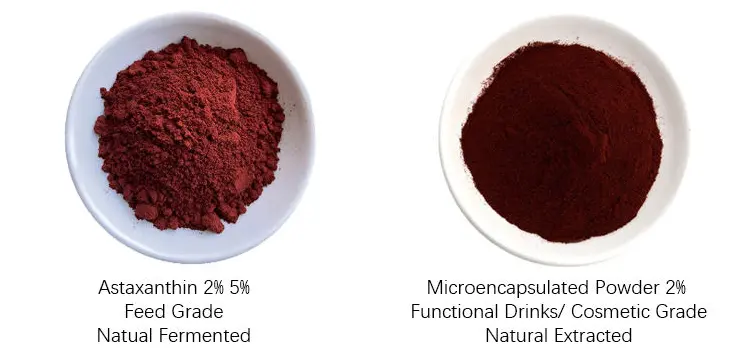
Understanding Astaxanthin Powder Bulk and Its Role in Product Formulations
Researchers have found that astaxanthin is a keto-carotenoid colorant that is a lot stronger than other antioxidants. A study published in Marine Drugs found that astaxanthin is much better at blocking singlet oxygen than beta-carotene. This makes it a very popular ingredient in beauty products and health supplements.
Why Powder Form Offers Formulation Flexibility
In many ways, powder is better for mass production than oil-based or sealed pill types. When used in dry blends, it spreads out more evenly. It also fits easily into lines that fill pills or tablets, and it lets R&D teams fine-tune concentration. Yanxi Herbs' water-dispersible astaxanthin powder doesn't clump together in water, so it's great for making eye care drinks, anti-aging supplements, and a lot of functional foods. It can easily pass through an 80-mesh sieve.
The extraction method can also affect the quality and consistency of Astaxanthin Powder Bulk. When supercritical CO2 is used to extract astaxanthin from Haematococcus pluvialis microalgae, the natural esterified form can be preserved, which may offer better bioavailability than synthetic free-form astaxanthin. For buyers sourcing Astaxanthin Powder Bulk, suppliers should provide purity documentation and clear extraction records demonstrating that the processing does not introduce unwanted solvent residues or synthetic carotenoids. These records give manufacturers greater confidence in the composition, traceability, and quality of Astaxanthin Powder Bulk.
Key Criteria for Selecting Bulk Astaxanthin Powder for Stable Formulations
One of the hardest things for buying teams is getting the lowest price per unit while still making sure the quality of the end product is high. It usually shows up later as batch rejects, high costs for reformulation, or failures to meet the requirements if you don't check the specs. With an organized screening method, this doesn't happen.
When buying and quality managers look into different sources of astaxanthin, they can use the following information to help them choose:
- Purity and active concentration: Confirm the astaxanthin assay percentage (1%–10%) matches your finished product dosage target. A 2% concentration powder requires 200 mg of raw material to deliver a 4 mg active dose — precision here prevents under-dosing at scale.
- Particle size uniformity: 100% passage through an 80-mesh sieve ensures homogeneous blending in both dry and dispersible matrices, reducing hotspot formation in tablets or beverages.
- Microbial safety standards: Total plate count below 1,000 cfu/g and yeast & mold below 100 cfu/g are mandatory thresholds for food-grade and supplement-grade applications. Heavy metals must remain at or below 10 ppm.
- Certifications and compliance documentation: ISO 22000, HACCP, FDA Registration, Kosher, and Halal certifications indicate a supplier's alignment with global trade requirements. These documents are non-negotiable for export into U.S. and European markets.
- Traceability and source transparency: Request documentation confirming microalgae cultivation origin and extraction method, particularly to differentiate natural esterified astaxanthin from synthetic isomer mixtures.
These five factors should always be followed to make a record of purchase that can be defended. They also make it much less likely that a regulatory check will happen.
Comparing Bulk Astaxanthin Powder Alternatives: What Should Brands Know?
On the market, you can find natural powder, manufactured powder, oil solutions, and beadlets that have been sealed up. It takes time and money to reformulate when you choose the wrong style because each one works better for a different type of preparation.
Natural vs. Synthetic: A Regulatory and Efficacy Gap
Astaxanthin Powder Bulk derived from Haematococcus pluvialis is typically associated with the natural 3S,3'S chiral isomer in esterified form. In contrast, laboratory-produced astaxanthin is generally a racemic mixture of isomers and is commonly found in free, unesterified form. For brands sourcing Astaxanthin Powder Bulk, understanding this distinction is important because regulatory treatment can differ between natural and synthetic forms. In the U.S. market, brands seeking clean-label positioning or aiming to meet applicable NDI requirements should carefully verify the source and form of Astaxanthin Powder Bulk. Clear supplier documentation can help confirm the identity, origin, and composition of the Astaxanthin Powder Bulk being purchased.
Powder vs. Oil vs. Beadlets
If a CWS grade is picked, bulk powder works best in solid dosage forms, dry-blend functional foods, and drink recipes that dissolve in water. Softgels can be made with oil solutions, but you need to use special tools to work with them. Most of the time, beadlets cost more than other types of beads because they protect sensitive formulations from oxidation for longer. If you choose the right style when you are shopping, you won't have to pay a lot of money to reformulate later on.
Procurement Best Practices for Buying Bulk Astaxanthin Powder
Getting things done correctly begins a long time before a purchase order is sent. You check your supply chain to see if it can handle more output without lowering quality during the source screening stage.
What to Verify Before Placing a Bulk Order
Get a Certificate of Analysis (CoA) for a recent production batch and check that all the numbers on it match up with the ones on your internal specification sheet. Loss during drying (≤5%), ash content (≤5%), heavy metals (≤10 ppm), and microbial counts should all be part of these numbers. If a seller is sure that their goods are good, they will give you free samples and all the paperwork you need. Yanxi Herbs gives away free samples and ships within one to three business days of getting proof of payment. This is the exact level of readiness that procurement managers need from the supply chain.
Also, the terms for sending and storing should be looked at. Astaxanthin can be hurt by air, light, and high temperatures. Medicines that are vacuum-sealed in aluminum foil and kept at temperatures below 25°C will stay useful for the full 24 months. Make sure that your transportation partner can keep the cold chain safe when it's needed, and check to see if the way the supplier stores their goods meets these needs.
Application Insights: How to Incorporate Bulk Astaxanthin Powder into Stable Formulations
Formulators often face the same challenge when incorporating Astaxanthin Powder Bulk into finished products: astaxanthin can degrade during processing and storage. In products containing Astaxanthin Powder Bulk, active concentration may decrease when the ingredient is exposed to high-shear mixing, elevated temperatures, or prolonged contact with metals that can promote oxidative degradation. Therefore, formulators using Astaxanthin Powder Bulk should carefully control processing conditions and select suitable formulation systems to help maintain the stability and potency of the finished product.
Astaxanthin powder can be kept safe by mixing it with antioxidants like tocopherols ahead of time, making sure it doesn't come into contact with iron or copper while it's being mixed, and adding the ingredient later in the process so it doesn't get too hot. When astaxanthin powder is mixed with water, it dissolves without clumping. This makes a solid, evenly colored product that can be used in drinks for eye health and anti-aging.
Studies show that between 4 and 12 mg of active astaxanthin per day is the right amount for people. In the U.S., label claims should follow the FDA's rules for structure-function claims and food supplements. Claims for cosmetics must also follow FDA rules for marking cosmetics. You should always check with your legal team to make sure that the language in your claims is right before putting out the end product.
Conclusion
The choice of a high-quality raw material such as Astaxanthin Powder Bulk is one of the most important decisions for product development teams. The performance of the finished product, its ability to meet import requirements, and customer confidence can all depend on the potency, stability, and regulatory status of the ingredient. By verifying suppliers' purity standards, certification portfolios, and sourcing documentation for Astaxanthin Powder Bulk, brands can reduce the risk of costly reformulation cycles that delay production and increase expenses. When properly extracted, tested, and stored, natural astaxanthin powder derived from Haematococcus pluvialis remains an important raw material for many cosmetic, functional food, and nutraceutical applications, making Astaxanthin Powder Bulk a practical sourcing option for manufacturers.
FAQ
Is natural astaxanthin safer than synthetic for supplement applications?
Yes. Natural astaxanthin from Haematococcus pluvialis contains the biologically active 3S,3'S isomer in esterified form, which the body absorbs more efficiently. Synthetic astaxanthin is a racemic mixture approved primarily for aquaculture, not human consumption, in many regulatory jurisdictions.
What storage conditions preserve astaxanthin powder potency?
Store in vacuum-sealed aluminum foil packaging below 25°C, away from direct light and oxygen exposure. Under these conditions, a sealed product maintains potency for 24 months. Refrigeration at 4°C extends this further for long-term warehouse inventory.
How can buyers verify a supplier's astaxanthin purity before committing to a bulk order?
Request a third-party Certificate of Analysis that includes HPLC-confirmed astaxanthin assay percentage, heavy metal screen, and microbial count results. Chiral analysis can confirm the natural isomer profile. Reputable suppliers provide these documents routinely and offer free samples for independent laboratory verification.
Can astaxanthin powder be used in clear beverages?
Standard bulk powder imparts a reddish color. Cold-water-soluble (CWS) grades using starch or gum arabic encapsulation create stable dispersions suitable for beverage applications, though a red-orange hue will remain visible in the final liquid product.
Source Your Certified Astaxanthin Powder Bulk with Yanxi Herbs
Yanxi Herbs has been selling approved botanical products to well-known names all over the world since 2010. We are a reputable company that sells Astaxanthin Powder Bulk. We offer free trials, shipping within 1–3 business days, and different strengths ranging from 1% to 10%. Also, ISO 22000, HACCP, Kosher, and Halal have given us their seals of approval. Email our team at info@yanxiherbs.com or visit yanxiherbs.com right away to get your sample and all of your paperwork.
References
1. Ambati, R. R., et al. "Astaxanthin: Sources, Extraction, Stability, Biological Activities and Its Commercial Applications." Marine Drugs, 2014.
2. Guerin, M., Huntley, M. E., & Olaizola, M. "Haematococcus Astaxanthin: Applications for Human Health and Nutrition." Trends in Biotechnology, 2003.
3. Brendler, T., et al. "Astaxanthin: How Much Is Too Much? A Safety Review." Phytotherapy Research, 2021.
4. Hussein, G., et al. "Astaxanthin, a Carotenoid with Potential in Human Health and Nutrition." Journal of Natural Products, 2006.
5. European Food Safety Authority (EFSA). "Safety of Astaxanthin-Rich Haematococcus pluvialis Algae Extract as a Novel Food." EFSA Journal, 2020.
6. Nishida, Y., et al. "Quenching Activities of Common Hydrophilic and Lipophilic Antioxidants Against Singlet Oxygen Using Chemiluminescence Detection System." Carotenoid Science, 2007.

Send Inquiry
Related Industry Knowledge
- Chlorophyll Powder Offers Stable Plant-Based Coloring Options For Food And Beverage Manufacturers
- Organic Chaga Mushroom Extract Powder For Immune Boosting Latte
- Freeze-Dried Lemon Powder Helps Brands Develop Natural Citrus Products with Extended Storage Flexibility
- Food Grade Bulk Astaxanthin Powder For Skincare Antioxidant Supplements
_1787033972542.webp)