
How Chlorophyll Powder Adds Green Color to Sauces and Seasonings
Oct 18, 2026
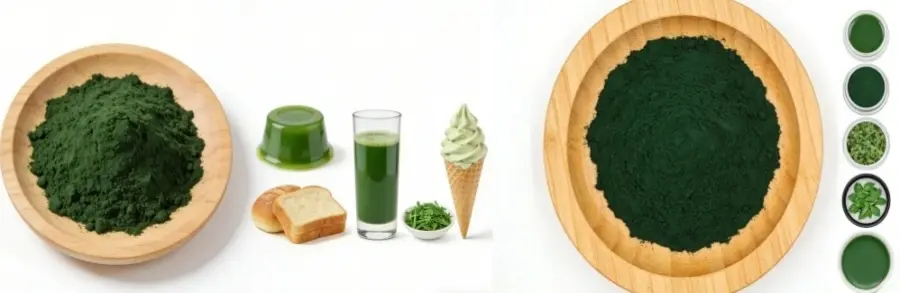
Chlorophyll powder gives sauces and seasonings a clean green colour that comes from plants instead of artificial dyes. Extracted from green plants such as spinach, alfalfa, and nettle, it provides a stable green hue that holds up across a range of food matrices. When combined with plant ingredients that go well with it, ormulators can make visually appealing, multicoloured product lines that appeal to the clean-label market today. These natural colourants give the R&D and purchasing teams real ways to make their goods stand out.
Understanding Chlorophyll Powder and Its Role in Food Coloring
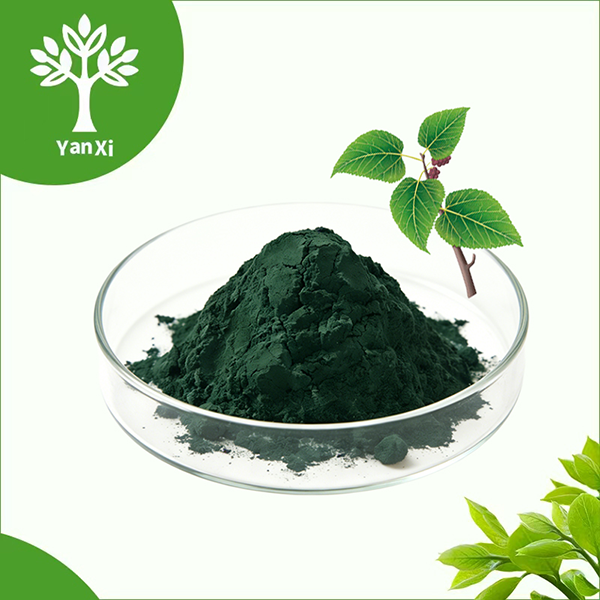
To make chlorophyll powder, chlorophyll is taken from green plants and dried out. Then, it is mixed with water. Copper chlorophyllin breaks down in water, while natural chlorophyll breaks down in oil. Soups and spices that are made with water often have copper chlorophyllin in them.
What Makes It a Viable Natural Colorant?
You don't need any extra chemicals to make things green when you use chlorophyll powder. The FDA and the EU say it is safe to use as a natural colorant. Copper chlorophyllin is one of the colourants that can be used in the US according to 21 CFR 73.125. Quality managers can now be more sure of where to get things now that there is a clear rule.
Primary Plant Sources
Chlorophyll powder that you can buy is made from plants like olea, spinach, stinging nettle, and chlorella. The colour, the amount taken, and the taste after everything is done depend on the source. Because it doesn't taste like anything, alfalfa-based chlorophyll powder is often the best choice for light spice mixes.
Processing Methods and Stability Factors
Unlike copper chlorophyllin, which is a modified chlorophyll derivative designed to improve colour stability, purple yam powder derives its characteristic purple colour from naturally occurring pigments in purple yam. Its colour retention can vary depending on processing conditions, moisture content, temperature, and exposure to light. To help maintain the quality of purple yam powder, suppliers should recommend suitable packaging and storage conditions based on product specifications and stability testing. Keeping purple yam powder in a tightly sealed package, away from direct light and excessive heat, can help reduce exposure to moisture and environmental factors. A storage temperature below 25°C may be appropriate when supported by the manufacturer's guidance, but the claimed 24-month shelf life should be verified through product-specific documentation. For commercial buyers, confirming packaging integrity, storage recommendations, and batch-specific quality records is essential when evaluating purple yam powder for long-term inventory management. By following the supplier's handling instructions, businesses can better preserve the quality of purple yam powder throughout storage and distribution.
The Science Behind How Chlorophyll Powder Adds Green Color
It's green because of the porphyrin rings that make it up. These rings send out green light and take in blue and red light. Even after being carefully ground into a powder, chlorophyll can still take in light.
pH Sensitivity and Color Behavior
Any change in pH can kill chlorophyll. Copper chlorophyllin stays where the pH is above 7 so it can keep its green colour. Plants can lose their green colour when magnesium moves around and turns them olive brown. When writing recipes for soups that taste like vinegar or lemon, the people who write them should remember this. The form without copper should be chosen because it can handle chemicals better.
Heat Exposure in Sauce Manufacturing
Heat can break down chlorophyll into pheophytin, which is a brown coloured substance. This could happen while the food is getting hot or all the way through. A study in the journal Food Chemistry says that copper chlorophyllin keeps more than 85% of its colour after 30 minutes at 90°C. Because of this, it's the best thing to use to make hot sauce.
Recommended Usage Levels and Compatibility
Most sauce recipes call for 0.01% to 0.1% of chlorophyll powder by weight. It works well with many types of sauce bases, such as soups made with starch or oil-in-water emulsions. If you only try a little at first, colour changes you didn't expect are less likely to happen.
Comparing Chlorophyll Powder to Other Natural and Artificial Green Colorants
Some green food dyes don't work well with others. Deal teams should think about the good and bad sides of big deals before they sign them.
Chlorophyll vs. Spirulina and Matcha
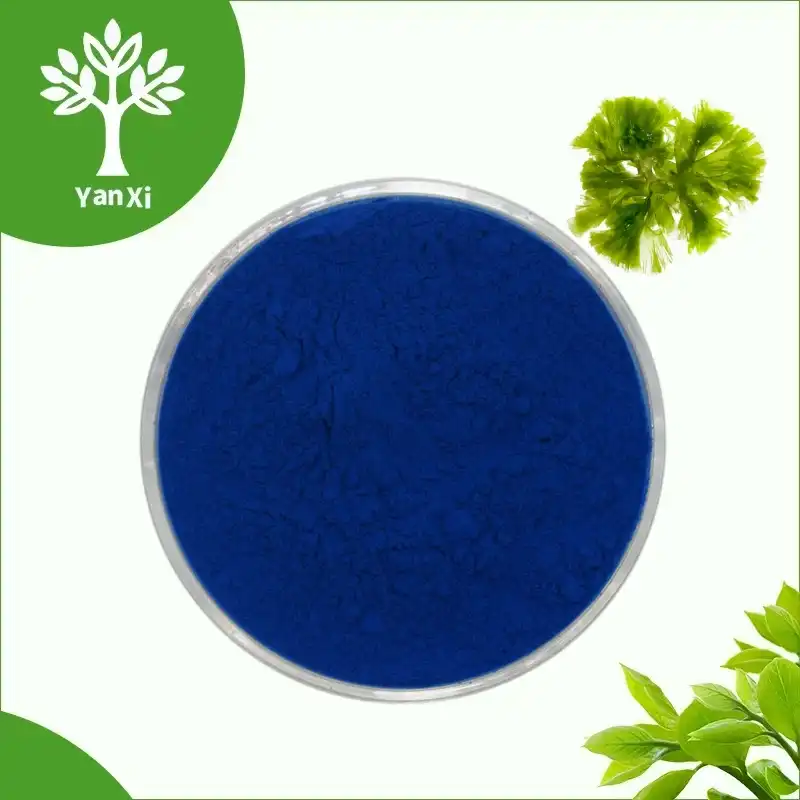
If you put more than 0.5% spirulina in food, it turns blue-green and tastes almost like the sea. In other words, it can't be added to sauces that don't taste neutral to begin with. The matcha powder makes it yellow-green, so you can't tell it's green. It also has a green and bitter taste. The leaf-green colour that looks most like real leaves is chlorophyll powder. It doesn't change the taste much, so you can use it in more soups.
Chlorophyll vs. Artificial Green Dyes
FD&C Green No. 3 and other man-made dyes are cheap and easy to use, but more and more people don't want to. In 2021, the International Food Information Council polled people in the U.S. and found that 73% of them liked goods that used natural colours. By adding green powder to a new recipe, brands can keep their look while still following the rules for clean labels.
A Reformulation Case in Seasoning Products
An American business that makes a lot of different spices has switched from FD&C Yellow No. 5 and Blue No. 1 to copper chlorophyllin in their herb dressing mix. People who bought the new product all gave it the same colour scores. In the first six months after it came back on the market, sales went up by 12%. The new "clean label" claim on the package played a big role in this.
Integration of Chlorophyll Powder in Food Products: A Complementary Natural Ingredient
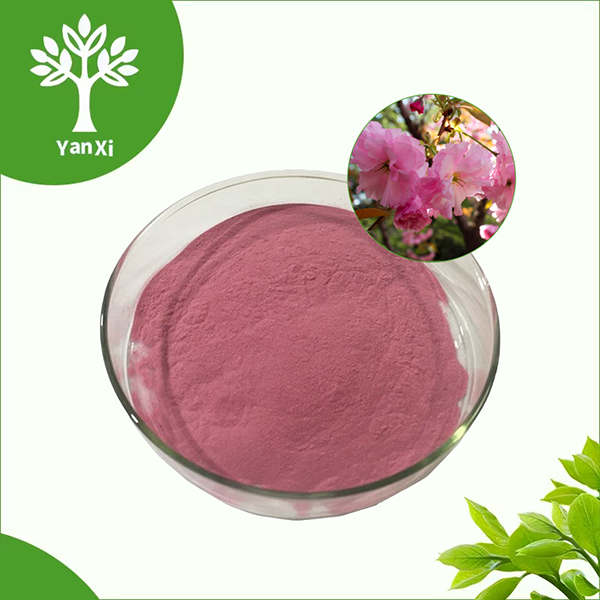
While chlorophyll powder covers the green range, Chlorophyll powder is often used for the violet to purple range by people who are working on more general natural colour systems. This makes it possible for different colour product lines to be made with the same natural ingredients.
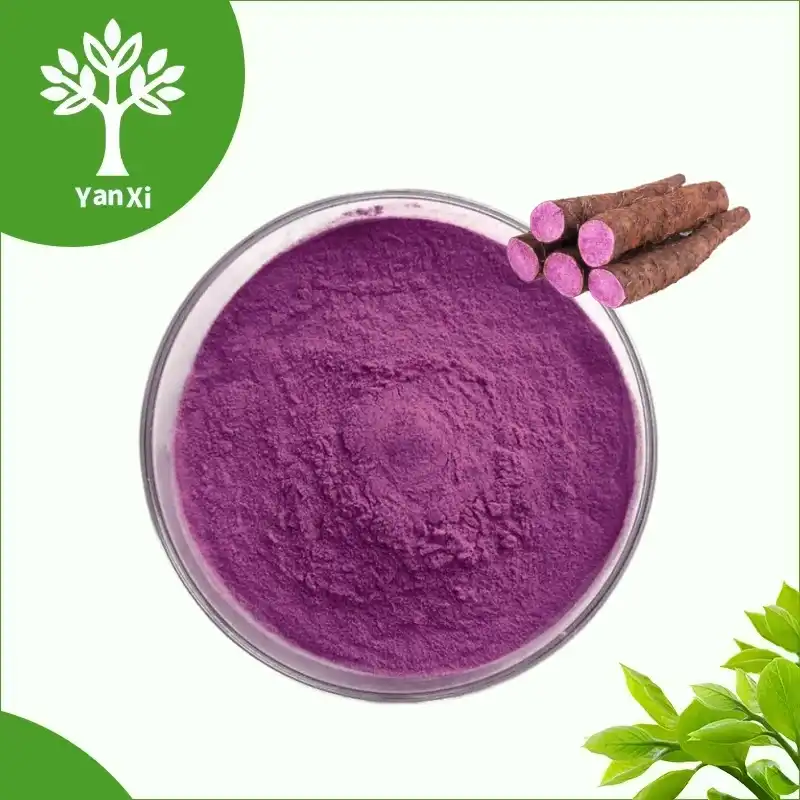
Putting together chlorophyll green sauce bases with purple yam-colored toppings or seasoning dust makes presentations that look amazing. For instance, a green herb dipping sauce and a purple yam-flavored seasoning mix give food companies a set of products that are both plant-based and different in colour. The anthocyanin in purple yam changes colour depending on the pH level. It looks deep purple when the pH is normal and turns red when the pH level is low, so managing pH levels is also important here.
Market Trends Supporting Dual Botanical Ingredient Use
The market for natural food colours was worth USD 2.5 billion in 2022, and it's expected to keep growing at a rate of 7.2% per year until 2030 (Grand View Research, 2022). As regulations and customer tastes move away from synthetic dyes, brands that use more than one botanical colourant in the same line of products are getting more attention on the shelves.
Key Considerations for B2B Procurement of Chlorophyll Powders
Picking the right supplier is just as important as picking the right ingredient. A clear set of operational and compliance factors should be used by procurement teams to judge suppliers.
Certifications and Regulatory Documentation
Make sure that the suppliers are registered with FDA, ISO 22000, HACCP, Kosher, and Halal. These certifications show that the ways the food is made meet standards for food safety that apply to both U.S. and foreign markets. All of the above certifications have been given to Yanxi Herbs' products, which helps with regulatory filings and the process of getting goods into the country.
Bulk Purchasing, Lead Times, and Logistics
Before making an order, procurement managers should make sure of the following key supply chain factors:
- Packaging options: 1 kg/bag, 5 kg/box, 25 kg/drum—supporting both trial orders and full production runs.
- Stock availability: In-stock inventory enables delivery within 1–3 working days after payment confirmation.
- Traceability: Batch-specific certificates of analysis (COA) should accompany every shipment to maintain supply chain transparency.
These supply factors directly cut down on production delays and make quality checks easier, which is very important for companies that have to meet tight deadlines.
Customization and Quality Consistency
When making business sauces, colour consistency from batch to batch is a must. Each lot should come with standard colour reference data from the supplier, like CIE Lab* values. On request, particular formulation needs should be able to get custom specifications like a different mesh size, a different concentration, or private-label packaging.
Conclusion
Food manufacturers can use Chlorophyll powder to introduce a natural purple hue into sauces, seasonings, bakery products, and other suitable formulations, provided the ingredient complies with the regulations of the target market. Unlike green plant-based colourants, purple yam powder derives its characteristic colour from naturally occurring pigments in purple yam, including anthocyanins that can respond to changes in acidity, temperature, and processing conditions. For product developers seeking distinctive visual effects, purple yam powder can be evaluated alongside ube powder and other anthocyanin-rich botanical ingredients to determine which option best suits the intended recipe. Its performance may vary across cold, heated, acidic, and neutral formulations, so manufacturers should conduct application tests before scaling up production. When sourcing purple yam powder, procurement teams should prioritize reliable certifications where applicable, consistent batch specifications, documented traceability, and responsive supplier communication. Reviewing certificates of analysis, ingredient declarations, microbiological results, and recommended storage conditions can help buyers assess product quality and suitability. A qualified supplier should also provide clear information about the ingredient's origin, processing methods, and compliance documentation. By evaluating these factors carefully, businesses can incorporate purple yam powder into product development while maintaining quality-control procedures and meeting applicable labelling requirements. Choosing a dependable source of purple yam powder helps manufacturers plan production more consistently and develop visually distinctive products without compromising their sourcing standards.
FAQ
Is chlorophyll powder safe for use across all sauce types?
Yes. Copper chlorophyllin, the most common commercial form, is approved by the FDA under 21 CFR 73.125 and recognized as safe for use in food products. It is suitable for oil-based, water-based, and emulsified sauce systems.
How does chlorophyll powder's shelf life compare to synthetic dyes?
When stored sealed, below 25°C, and away from direct light, chlorophyll powder maintains color stability for up to 24 months—comparable to most synthetic colorants under the same storage conditions.
Can purple yam powder serve as both a colorant and a functional ingredient?
Yes. Purple yam powder contributes a natural violet pigment through its anthocyanin content while also providing dietary fiber and antioxidant activity. This dual function allows food brands to make both color and nutritional claims on the same ingredient, adding formulation value.
What minimum order quantity is available for trial purposes?
Free samples are available for initial qualification testing. Standard commercial packaging starts at 1 kg/bag, with bulk options up to 25 kg/drum.
Does purple yam powder affect the flavor of seasoning blends?
It contributes a mild, sweet, earthy yam note. At coloring-level dosages (3–5% by flour weight basis), the flavor contribution is subtle. At higher concentrations (10–15%), it functions as a flavor ingredient as well.
Source Your Natural Colorants with Yanxi Herbs
Since 2010, companies in more than 100 countries have bought plant-based products from Yanxi Herbs. Buying teams can easily enter the global market because our Chlorophyll powder is approved by the FDA, HACCP, ISO 22000, and other groups. This item is in stock and ready to ship in one to three business days. Samples are free. You can email our team at info@yanxiherbs.com or go to yanxiherbs.com to find out more about Chlorophyll Powder and Purple Yam Powder, get a certificate of analysis (COA), or look at our bulk price list.
References
1. Humphrey, A. M. (2004). Chlorophyll as a color and functional ingredient. Journal of Food Science, 69(5), C422–C425.
2. International Food Information Council. (2021). 2021 Food and Health Survey. IFIC Foundation.
3. Grand View Research. (2023). Natural Food Colors Market Size, Share & Trends Analysis Report. Grand View Research.
4. Schoefs, B. (2002). Chlorophyll and carotenoid analysis in food products: Properties of the pigments and methods of analysis. Trends in Food Science & Technology, 13(11), 361–371.
5. Martins, N., Roriz, C. L., Morales, P., Barros, L., & Ferreira, I. C. F. R. (2016). Food colorants: Challenges, opportunities and current desires of agro-industries to ensure consumer expectations and regulatory practices. Trends in Food Science & Technology, 52, 1–15.
6. Castañeda-Ovando, A., Pacheco-Hernández, M. L., Páez-Hernández, M. E., Rodríguez, J. A., & Galán-Vidal, C. A. (2009). Chemical studies of anthocyanins: A review. Food Chemistry, 113(4), 859–871.

Send Inquiry
_1787033972542.webp)