
How Is Beet Powder Used in Sports Nutrition Drinks and Functional Beverages?
Nov 19, 2026
Beet Powder is used in sports nutrition drinks and functional beverages as a natural red-purple colorant, a provider of betalains and dietary nitrates from beets, and a basis for pre-workout, endurance, and daily wellness mixtures. The fine powder is added to dry mixes by manufacturers, and then the color, taste, dispersion, and shelf-life of the completed drink are confirmed. Beet nitrate and exercise research is encouraging but varied, so claims require cautious backing. Beet Powder Yanxi Herbs uses fresh beet tuber to produce Beet Powder. This tutorial shows formulators and purchasers how to make it work.
What Is Beet Powder and How Does It Differ From Beet Juice?
Beet Powder Basics and Our Specification
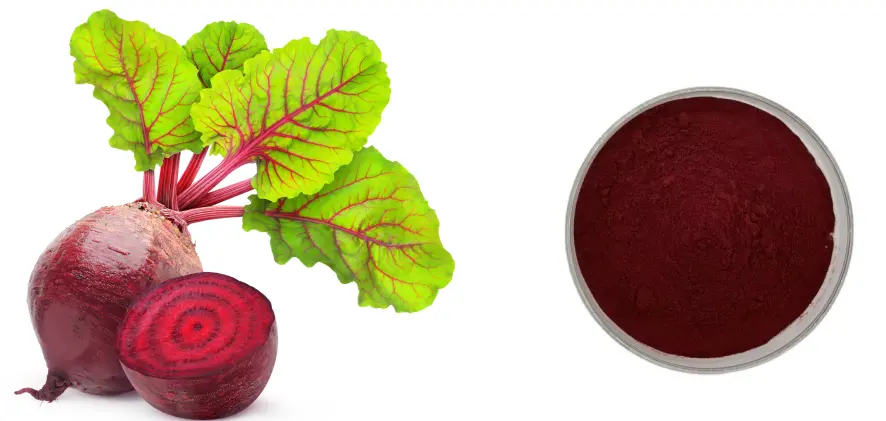
Beet powder is a shelf-stable substance derived from the drying and grinding of beets. Our Beet Powder is made from fresh beets. It is a crimson to deep purple fine powder, 80-100 mesh, 100% through an 80-mesh sieve. It contains the active ingredients of betalains, dietary fiber, and natural sugars. Loss on drying not more than 5%; ash not more than 5%; heavy metals not more than 10 ppm; total plate count less than 1000 CFU/g; and yeast and mold less than 100 CFU/g. These numbers provide R&D and quality teams with a good baseline for incoming checks.
Beet Powder vs. Beet Juice and Fresh Beets
Beet juice concentrate succeeds in ready-to-drink lines where the handling of liquid and a fresh beet flavor are the most important factors. Powder is suitable for dry mixes, sachets, stick packs, and premixes. It reduces weight by eliminating water, which makes it easier to store and transport. Powder minimizes seasonal oscillations compared to fresh beets and permits continuous dosing in a plant. Juice powder is created from squeezed juice and typically dissolves more completely than whole-root powder, which contains fiber. Drying may affect color, taste, and nutrient retention; therefore, purchasers should check botanical identification, part utilized, and manner of processing before accepting any sample.
Beet Powder vs. Other Beverage Ingredient Options
Which format to choose depends on the product. Pure Beet Powder has a concise, clean-label ingredient declaration. Pre-blended mixtures may include additional flavors, sweeteners, or electrolytes, but each extra ingredient requires its own assessment. Nitrate-containing and nitrate-free products have distinct purposes, and the decision should be determined by area regulations and claim strategies. Capsules are convenient, and beverage powders provide you with additional versatility in hydration and pre-workout formulations. In the United States, the FDA has classified dehydrated beets (beet powder) as a color additive exempt from certification under 21 CFR 73.40. This status is good for firms who desire a plant-based color supply.
How Beet Powder Supports Sports Nutrition Drinks and Functional Beverages
Pre-Workout, Endurance, and Hydration Uses
Brands are adding Beet Powder into their pre-workout powders, endurance mixes, hydration drinks, recovery blends, and everyday health smoothies. It is not a stimulant, and it is not a substitute for coffee. Instead, it joins forces with carbs, electrolytes, amino acids, and botanical extracts, imparting color, beet taste, and a plant-based tale. Its earthiness and added body play well in smoothies and opaque shapes. Watch out for clear liquids; small particles may settle. According to our product description, the powder is suitable for natural pre-workout beverages, smoothies, and sports nutrition products with an emphasis on nitric oxide. All brands should certify fit via their own bench testing.
Natural Color and Clean-Label Positioning
Beets are crimson to purple because of betalains. Betanin is described in published studies as a food colorant with biological activity – thus the attention from manufacturers looking to replace synthetic colors. Betalains are reactive to their environment. Heat, light, oxygen, and high pH may cause fading or a color change, and a somewhat acidic base tends to make it more stable. Low oxygen filling and opaque packaging assist. Sports drinks tend to be acidic and have extended shelf lives; therefore, we recommend color-stability testing across the whole anticipated shelf life rather than relying on a single day-one sample.
Nitrate Content and Claim Positioning
Many athletes turn to beet because of dietary nitrate. A 2009 study in the Journal of Applied Physiology found that healthy males consumed around 500 mL of beet juice every day, about 5.5 mmol of nitrate, for six days. They utilized oxygen less while moderately exercising. A 2017 systematic review in Nutrients indicated advantages in various endurance situations but mixed findings overall. Our product description states that the powder contains dietary nitrates, yet the standard specification does not include a nitrate value. If a brand wants to make a nitrate-based claim, they should require batch testing and regulatory approval since nitrate levels fluctuate depending on the source and lot.
How to Formulate Beet Powder Into Sports Drinks
Dispersion, Clumping, and Mixing Order
Beet powder has natural sugars in it, so it might absorb moisture and clump. Here, particle size is important, and our 80-100 mesh grade is suitable for dry blending and wet mixing. The practical method begins by mixing the powder with additional dry materials. Then add gradually with constant agitation and give time to hydrate. Dispersion is influenced by water temperature, pH, viscosity, and electrolyte content, and each of these should be tested in lab experiments. Caking is reduced by moisture-barrier packaging of the completed product. Opaque drinks may have a stronger taste and a heavier body than transparent drinks. The label should clearly indicate serving and storage instructions.
How Much Beet Powder Should You Use?
No one dosage suits all beverages. The appropriate amount is dependent upon the specification, portion size, intended color, taste tolerance, nitrate content, and regulatory position. We suggest beginning with lab and pilot testing rather than a general consumer number. Low inclusion produces a delicate hue & mild taste. Larger inclusion gives a deeper color, but also stronger earthy aromas, a larger danger of sediment and higher cost per serve. Formulations for athletes may need active-marker testing and stringent batch uniformity. Final serving guidelines should be based on the completed recipe, label regulations, and a competent technical or regulatory evaluation.
Processing Methods and Beverage Performance
Flavor, color, moisture, bulk density, solubility, and cost are affected by the drying process. Freeze drying is done at low temperatures and may preserve more of the original sensory profile but is frequently more expensive. Spray drying may enhance flowability and premix behavior, although carriers may be included in the formula and must be stated when necessary. Dehydrated powders are useful for various purposes. “Raw” or “natural” doesn’t equate to superior performance. Ask any supplier, including us, for drying temperature, moisture data, microbiological limits, and application samples before you approve.
Quality, Safety, and Compliance Requirements for B2B Buyers
Specification Checks That Protect Batch Consistency
Quality managers have to evaluate each batch to a documented spec. Botanical identity, color, odor, particle size, moisture, ash, heavy metals, and microbiological counts are useful quality assessments. Our Beet Powder has a loss on drying of 5% or less, ash of 5% or less, heavy metals of 10 ppm or less, total plate count of fewer than 1000 cfu/g, and yeast and mold of less than 100 cfu/g. Special demands for nitrate level, pesticide residue, or water activity need to be stated early by buyers. They may then agree on test procedures amongst them. Lot tracking and incoming inspection keep each delivery on track with the authorized sample.
Certificates and Documentation
Regulatory teams normally want papers submitted before the initial purchase order. Our Beet Powder has ISO, HACCP, FDA Registration, Kosher, and Halal approvals. Yanxi Herbs is also an ISO 22000 and SGS certified firm. Buyers should also inquire about allergy declarations, non-GMO or organic status, traceability records, country-of-origin information, and check what pertains to their market. US supplement brands and distributors routinely analyze these files in supplier audits. Label copy should not include any unsubstantiated medical or performance claims.
Packaging, Storage, and Shelf Life
Available in 1-kilogram bags, 5 kg boxes, and 25 kg drums to support lab testing, pilot batches, and production runs. Shelf life: 24 months in sealed and suitable storage. Store powder in a cool, dry area away from light, reseal unsealed containers, and use first-in, first-out since the powder is hygroscopic. Warm, humid storage may lead to caking and color loss. Larger purchasers should contact us early about pallet designs and delivery arrangements. In stock. 1-3 working days delivery after payment.
How to Choose a Supplier and Plan Procurement
How to Choose a Beet Powder Supplier
Begin with the buyer's role. R&D managers look at performance and customisation; buying managers are concerned with supply, lead time, and landing cost, and quality managers want to know about certifications and consistency. Production capacity, quality system, application samples, MOQ, package, technical communication. Yanxi Herbs was established in 2010, and now sells natural ingredients to over 100 countries and regions. We integrate raw material growing, R&D, and manufacturing and have local warehouses in Europe and the US. For bespoke projects, both parties should agree early on formula ownership and documentation responsibilities.
Application Examples for Different Buyers
Sports nutrition businesses may make pre-workout supplements containing electrolytes, carbs, and tastes. Distributors and OEM manufacturers may fill sachets, stick packs, or bulk premixes where flow, moisture control, and dissolving are most critical. After evaluating pH, heat, light and shelf life, beet powder may be used as a natural red color source for beverage and food makers. Retail wellness companies may add it to smoothies, plant-based nutrition products, and daily functional powders. Consumers of certain items frequently tolerate a harsher taste and some natural sediment. Every case must have its own trial.
A Practical Development and Procurement Workflow
The procedure of steps reduces technical and supply risk. First, establish the beverage format, target market, serving size, claims, certifications, yearly volume, and nitrate requirements. Second, ask for a free sample and the technical documentation, and verify that the sample is the same as the commercial substance. Third, do bench and pilot tests for dissolution, color, taste, sediment, and stability. Fourth, make a table of ingredients, packaging, freight, and manufacturing cost. Finally, implement incoming inspection standards, change-control methods, and periodic supplier evaluations. This order helps to keep R&D, buying, and quality teams united before committing to volume.
Conclusion
Sports nutrition brands and functional beverage manufacturers can use beet powder as a dry, shelf-stable ingredient to provide natural red-purple color, characteristic beet flavor, and betalains, with potential positioning around dietary nitrates where supported by appropriate testing and regulatory requirements. Beet powder is particularly suitable for dry mixes, sachets, and premixes, while juice-based beet ingredients may be more appropriate for ready-to-drink beverage production. Compared with beet juice, beet powder offers greater convenience for dry formulation, storage, transportation, and precise ingredient blending. However, the final results depend on the beverage formulation and processing conditions. Particle size, mixing order, pH, light exposure, and oxygen levels can all affect the dispersion, stability, and color performance of beet powder. Therefore, manufacturers should determine the appropriate dosage through formulation trials rather than relying on a universal dosage recommendation. Research findings on dietary nitrate benefits are not always consistent, so any nitrate-related claims involving beet powder should be supported by batch-specific testing and regulatory verification. Before purchasing beet powder in bulk, buyers should review product specifications, certifications, packaging, and storage requirements together. A reliable supplier should also provide samples, complete technical documentation, and consistent batch quality. Ultimately, selecting the right beet powder means matching its functional properties and processing performance to the actual beverage formulation rather than choosing an ingredient based on its name alone.
FAQ
Can Beet Powder be used in pre-workout drinks?
Yes, formulators may use it in pre-workout and endurance mixes. It’s not a stimulant, so it works in conjunction with the other elements instead of taking over. The serving size has to be verified by formulation and sensory experiments, since inclusion relies on nitrate content, dosage, the whole formula, and local legislation.
Does Beet Powder clump during storage?
It can, because natural sugars attract moisture. Moisture-barrier packaging, cool and dry storage, and resealing opened containers lower the risk.
What packaging and shelf life are available?
We pack Beet Powder in 1 kg bags, 5 kg boxes, and 25 kg drums. Shelf life is 24 months under sealed and proper storage.
Which certificates apply to this product?
The product lists ISO, HACCP, FDA Registration, Kosher, and Halal certificates. Contact us for the documents your market requires.
Can I request a free sample?
Yes. Free samples are available, and delivery takes 1–3 working days after payment for in-stock orders.
Request Beet Powder Samples From Yanxi Herbs
Looking for a Beet Powder supplier for your next sports drink or functional beverage? Yanxi Herbs offers free samples, in-stock supply, delivery within 1–3 working days after payment, and local warehousing in Europe and the US. Our certificates include ISO, HACCP, FDA Registration, Kosher, and Halal. Email info@yanxiherbs.com with your beverage format, volume, and packaging needs, or visit yanxiherbs.com for more details.
References
1. Journal of Applied Physiology, 2009. Dietary nitrate supplementation reduces the O2 cost of low-intensity exercise and enhances tolerance to high-intensity exercise in humans.
2. Nutrients, 2017. Effects of Beetroot Juice Supplementation on Cardiorespiratory Endurance in Athletes. A Systematic Review.
3. Nutrients, 2015. The Potential Benefits of Red Beetroot Supplementation in Health and Disease.
4. Molecular Nutrition & Food Research, 2015. Betanin—A Food Colorant with Biological Activity.
5. British Journal of Sports Medicine, 2018. IOC Consensus Statement: Dietary Supplements and the High-Performance Athlete.
6. Code of Federal Regulations, Title 21, 2024. Section 73.40, Dehydrated beets (beet powder).

Send Inquiry

Related Industry Knowledge
- High Purity Butterfly Pea Flower Extract Powder For Functional Beverage Production
- Freeze-dried Dragon Fruit Powder for Vibrant Natural Color and Clean Label Formulations
- How Can Beet Powder Be Used In Natural Color And Sports Nutrition Product Development?
- Vegan Chlorophyll Powder For Internal Deodorant Formulations