
How to Preserve Color in Freeze-Dried Mulberry Powder Products
Oct 28, 2026
To preserve color in Freeze-Dried Mulberry Powder products, control four areas: fruit quality, drying conditions, moisture and oxygen exposure, and formula pH. Start with ripe fruit, freeze it below -40°C, and dry it gently so the anthocyanin pigments stay intact. Keep moisture low, pack the powder in sealed, light-blocking material, and store it in a cool, dry place. In finished drinks, bakery fillings, and supplements, keep the pH acidic to hold the red-purple tone. Below, I explain each step and list what to ask your supplier before you buy.
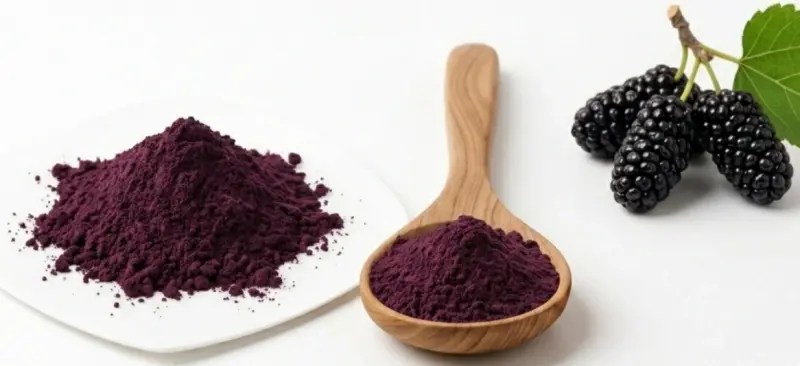
Understanding Why Color Fades in Freeze-Dried Mulberry Powder
Anthocyanins Create the Color and the Weak Spot
Mulberries are a deep purple-red color because they have a lot of cyanidin-3-glucoside and cyanidin-3-rutinoside. Another reason some people like this color is that it can protect cells from damage. The same things make them weak. It is written in 2009 and is called Food Chemistry. It talks about how pH, temperature, light, air, and water can change the structure of anthocyanin. These changes can make a bright red color look light or brown. Our Freeze-Dried Mulberry Powder has vitamin C, polyphenols, and anthocyanins, so be careful with it. This is important for you and the way it looks.
Why Color Matters in Your Supply Chain
Color is the first thing people look at when they want to buy a drum. The research and development teams test it to see how well it works with the real one in a lot of ways. They know that a lot that is worn out can make packages not be delivered and work to be held up. The way the color changes lets quality teams know right away when air or water is hurting something. People may rate a purple juice mix, a berry candy, or a beauty-from-within drink differently after they've finished it because of its color. People who don't change the color send more orders and complain less. It should be one of the things you buy, along with things that limit bacteria and stay dry.
Signs That Color Has Started to Degrade
See a dark or gray tint, a difference in color in one drum, or hard lumps? That means water is getting in. Watch to see if the tone changes from red to blue or purple while you're making drinks. You can get it back to how it was before the pH change by adding acid. When things really fall apart, you can't go backward. The pigment breaks down, so the color stays dull even after the pH is changed. Mix some with water and then add citric acid to drop the pH. If the red comes back, the color is still there. If the lot stays brown, it's possible that it's lost its color.
Key Factors That Control Color Stability
Raw Material Quality and Harvest Timing
The field is where the color starts. When they are fully ripe, they have more anthocyanin than when they aren't quite ripe. There are also different amounts of color in each type. Food Chemistry looked at white, red, and black mulberries in 2007 and found that the chemicals that made them up were very different. Also, don't wait until after the fruit has been picked, since polyphenol oxidase and other enzymes can turn it brown before it gets to the fridge. Only fresh, ripe wild mulberries are used to make our Freeze-Dried Mulberry Powder. It doesn't have any new things added to it. Find out what kind of fruit was used in each batch, how ripe it was when it was picked, and how long it took to freeze from different sources.
Freeze-Drying Parameters
For freeze-drying to work, the fruit needs to be frozen below -40°C. The ice melts into the air after that. Cells and colors that get damaged by heat stay in better shape if you keep the water from boiling. There is a study by Ratti in the Journal of Food Engineering from 2001 that says freeze-drying keeps color, taste, and structure better than hot-air drying, but it costs more. Setting the heat, time, and pressure in the room are the most important things. It could break and turn brown if it gets too warm too fast. Without enough time to dry, the food goes bad faster because of the water that is left behind. Our rule says that no more than 5% must be lost while it is being dried. This will help you keep the storage steady.
Moisture, Oxygen, Light, and Heat After Drying
Freeze-dried powder takes in the water that is in the air. It sticks together and loses its color faster when it gets wet. Keep freeze-dried fruit powders in places where the relative humidity is less than 40%, and the water activity level is less than 0.3. It moves faster when it's hot. A review from 2010 in Trends in Food Science & Technology talks about how the loss of anthocyanin speeds up as the temperature rises. The damage gets worse with light and air. Our Freeze-Dried Mulberry Powder can't be opened, so if you store it the right way, it will last for 24 months. This means that the building and the line where things are made need to be taken care of.
Practical Steps to Preserve Color in Freeze-Dried Mulberry Powder Products
Protect the Fruit Before Drying
Speed and cold are your best weapons. The fruit needs to be washed and put in order as soon as it is picked. After that, it should be frozen right away and not left out for too long. Enzymes that turn food brown can sometimes be stopped by a small amount of heat. Anthocyanins can be hurt by heat, though, so the trade-off needs to be thought about. They need to show you a piece from the most recent batch and talk you through this step. Also, look to see if there are any holes or extra ones. If you water down a mix, it doesn't have as much color per gram as pure fruit powder. To put it another way, you don't need as much powder.
Choose Packaging That Blocks Air, Light, and Humidity
For the least amount of money, store colors in boxes. It's safe to move and store the powder in containers that are sealed, don't let water in, and block light. People who want to keep things for a long time also ask for nitrogen cleaning or oxygen filters. Based on your order, this is what we can talk about. When we pack, we use 25 kg drums, 5 kg boxes, and 1 kg bags. Based on how often you use it, pick the right size. For steady, loud lines, a 25 kg drum works best. You can only open the bin a certain number of times with 1 kg or 5 kg packs. Put the pack back together, squeeze out the air, and put it somewhere cool, dark, and dry as soon as you open it.
Manage pH and Processing in Your Formula
Anthocyanins turn red when the pH is low. When the pH is just right, they lose their color. When the pH is close to 7, they turn blue or purple. This is what Giusti and Wrolstad wrote in the Biochemical Engineering Journal: how these changes in pH affect food color. This acid is often used to turn drinks, yogurt, and fruit stuffing sour. Check the color when the pH level you want is reached. Put the powder in plastic bags or bottles and add it near the end of the process. Do not leave it on very high heat for too long. Make a small pot first and put it on the shelf to see how well it works. Then let it grow. Food can change color because of minerals, sugar, and other things that are in it.
Freeze-Dried Mulberry Powder Compared With Other Forms
Compared With Hot-Air Dried Mulberry Powder
It dries more slowly and with hotter air. It's more possible that the fruit will turn dark and lose its color. The fruit will probably also get harder and smaller. Freeze-drying takes away the water from something when it is cold. The pores stay open, making it easy for the powder and water to mix. Information about this item talks about a fine powder that doesn't make a mess when mixed with water. It costs more, but hot-air powder can be used for cheap jobs where color doesn't matter as much. Products that are good for you and taste like berries will sell better on a purple-red background. If you freeze-dry these things, you can sell them for more money.
Compared With Spray-Dried Juice Powder
Most of the time, spray-dried fruit powders need a glue to dry properly. Maltodextrin (30–40% of the mix) is one such glue. This part of the label makes the color softer and more pleasant. Fruit is the only thing that goes into Freeze-Dried Mulberry Powder. It can be used in clean-label products since it doesn't contain any fillers or other ingredients. It can be used in some sets because they are cheap and breaks down quickly. You might still need more powder to get the same color after adding the water. Don't just look at the item's weight when you get prices. Also, find out how much the color or anthocyanin costs per bunch.
Compared With Extracts and Synthetic Dyes
Some anthocyanin can turn something red, but it doesn't make it taste like fruit. The reason many brands no longer use manmade dyes is that people want ingredient lists that are easy to read. This is still true even though manufactured dyes don't change color when the pH level changes. That's right, whole-fruit powder looks and tastes like purple-red fruits and is good for you. Whole fruits are used to make it. You have to plan the formula ahead of time because its color changes based on pH and how it is stored. You will have to ask for each paper separately if you need organic claims. Right now, this item has approvals from ISO, HACCP, FDA, Kosher, and Halal.
How to Choose a Supplier for Consistent Color
Check Certifications and Documents
Do the work first. For each batch, you should get a certificate and a research report from someone you can trust. You can buy Freeze-Dried Mulberry Powder from us that is Kosher, Halal, FDA-registered, and ISO-certified. Also, SGS and ISO 22000 have said that Yanxi Biotech is okay. The people who are in charge of rules and quality can use this paper to make sure that their export rules and audit lists are correct. Find out how the things were made and write it down. Also, make sure you get the origin papers that your market wants. The records don't prove color by themselves, but they do show if the provider is in charge of the whole process and does each lot the same way.
Request Test Data and Samples
To begin, it's helpful to give details. Ashes should have a weight loss of 5% or less, and dry weight loss should be the same. Too much heavy metal (10 parts per million) and too many platelets (1,000 cfu/g) are bad. Mold and yeast should have less than 100 cfu/g. Look at more than just the color. Find out how much anthocyanin is in it with HPLC. Then check the free sample with your own method, pH test, and storage test. Put it next to samples that you saved from other lots. This simple step lets the seller keep the shade you agreed on.
Confirm Supply, Delivery, and Support
It doesn't matter how good the color is if the power goes out. You can order Freeze-Dried Mulberry Powder right now. It will be sent out one to three business days after we get paid. Yanxi Biotech has been in business since 2010 and sends goods to more than 100 places around the world. Besides that, they have shops in the US and Europe. The US has faster shipping. Everything else changes because of the job. For example, packs and files change. The R&D team can learn more while the tests are going on, and the buying team can make plans for long-term deals. Find out how long you have to wait, how they handle color problems, and how much safety stock they keep on hand before you sign with a service.
Conclusion
The color of Freeze-Dried Mulberry Powder comes from anthocyanidins. Things like heat, air, light, water, and pH can change this stuff. The color comes from fully ripe fruit that is used up quickly and then freeze-dried at low temperatures. In a package that doesn't let light in and keeps it cool and dry, it will last for 24 months. The process is gentle, and the pH is acidic, so it stays red-purple. You can get more color per gram with freeze-dried whole fruit powder than with hot air dried powder or carrier-based spray-dried powder. The recipe will still determine the color you get, though. Regular materials, test results, and badges can all be used to show that each lot is the right color.
FAQ
Why does Freeze-Dried Mulberry Powder clump?
The powder pulls water out of the air since it is mostly water. When water clumps, it means that it got to something. When things get wet, they also lose their color faster. Do not open the powder bowls. Instead, you should keep them somewhere below 40% relative humidity. Close the bag or box again after each use. Do not put your things near places to wash or walls that are cold and can cause fogging.
How does pH change the color?
When the pH level is almost right, anthocyanins turn blue or purple. When the pH is low, they turn red. At the end, check the pH level of your recipe. If the color changes, use an acid made for food to fix it. Look at the pH level and how it was stored and used. Air, light, and heat can also fade the color.
How long does the color last in storage?
Our Freeze-Dried Mulberry Powder can be kept for 24 months if you keep it the right way. How fast the color fades depends on the mix, the temperature, and how it's packed. In cool, dark, and dry places, it fades more slowly. Make sure your app works well and ask us for a free sample or a lot of data before you place a big order.
Get Color-Stable Freeze-Dried Mulberry Powder From Yanxi Herbs
Yanxi Herbs is a Freeze-Dried Mulberry Powder manufacturer and supplier with stock ready to ship within 1–3 working days after payment. We offer free samples, 1kg, 5kg, and 25kg packs, ISO, HACCP, FDA Registration, Kosher, and Halal certification, and local warehousing in Europe and the US. Email info@yanxiherbs.com with your specifications and target pH, or visit yanxiherbs.com for details.
References
1. Food Chemistry, 2009 – Castañeda-Ovando et al., "Chemical studies of anthocyanins: A review."
2. Food Chemistry, 2007 – Ercisli and Orhan, "Chemical composition of white (Morus alba), red (Morus rubra) and black (Morus nigra) mulberry fruits."
3. Journal of Food Engineering, 2001 – Ratti, "Hot air and freeze-drying of high-value foods: a review."
4. Trends in Food Science & Technology, 2010 – Patras et al., "Effect of thermal processing on anthocyanin stability in foods; mechanisms and kinetics of degradation."
5. Biochemical Engineering Journal, 2003 – Giusti and Wrolstad, "Acylated anthocyanins from edible sources and their applications in food systems."
6. Journal of Food Science, 1999 – Rodriguez-Saona, Giusti, and Wrolstad, "Color and pigment stability of red radish and red-fleshed potato anthocyanins in juice model systems."

Send Inquiry
Related Industry Knowledge
- What Manufacturing Applications Can Bulk Rose Powder Serve in Food and Personal Care Products?
- Can Bulk Rose Powder Add Botanical Appeal to Tea Blends and Natural Cosmetic Formulations?
- Which Beverage Products Can Manufacturers Develop with Instant Green Tea Powder?
- How Can Stevia Extract Powder Improve Sugar Reduction Strategies?