
Hyaluronic Acid Powder Bulk Helps Cosmetic Manufacturers Develop Hydrating Serums, Masks, and Anti-Aging Product Lines
Sep 23, 2026
How makeup companies create lines of moisturizing and anti-aging products is changing thanks to hyaluronic acid powder bulk. Because it is a concentrated sodium hyaluronate that comes from fermentation, it gives formulators exact control over molecular weight, concentration, and application compatibility, which isn't possible with liquid solutions. This raw material has been shown to hydrate skin on a large scale, whether you are making a lotion to plump up the skin, a sheet mask to lock in deep moisture, or an anti-aging cream. Manufacturers all over the U.S. choose bulk powder because it stays stable on shelves, is cheap, and can be used in a variety of ways.

Understanding Hyaluronic Acid Powder Bulk and Its Benefits
What Is It and How Does It Work?
A biopolymer made by microbes, most often Streptococcus zooepidemicus, called hyaluronic acid powder is a linear polysaccharide. If you take it in the form of a stable salt, it is called sodium hyaluronate. It's not just a fog-buster. That's how much water it can hold, up to 1,000 times its own weight. Today, this makes it one of the best nutrients for keeping skin moist.
Molecular Weight Determines Function
The molecular weight (MW) of this ingredient tells you exactly what it does on and in the skin. Low MW grades (3 kDa–100 kDa) go deeper into the skin and help lower pain while also making more collagen. When you put high MW grades (1.0 MDa to 3.0 MDa) on your skin, they make a film that lets air pass through but keeps moisture in. People think of high-end serums and masks as plumping up the face because they lock in wetness.
Safety Profile and Shelf Life
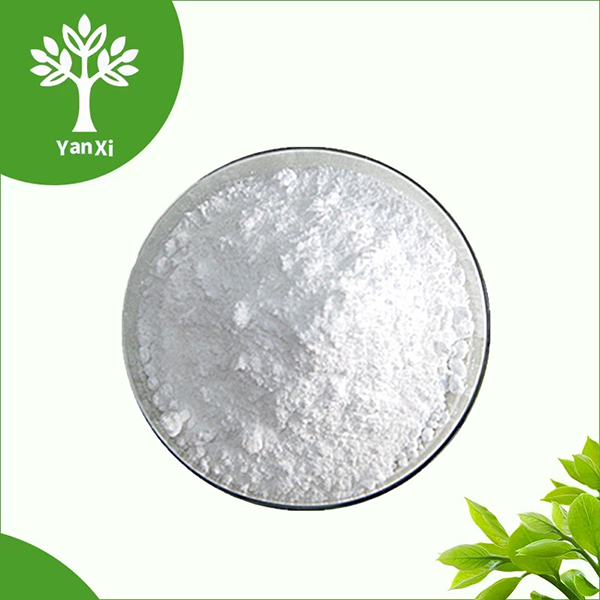
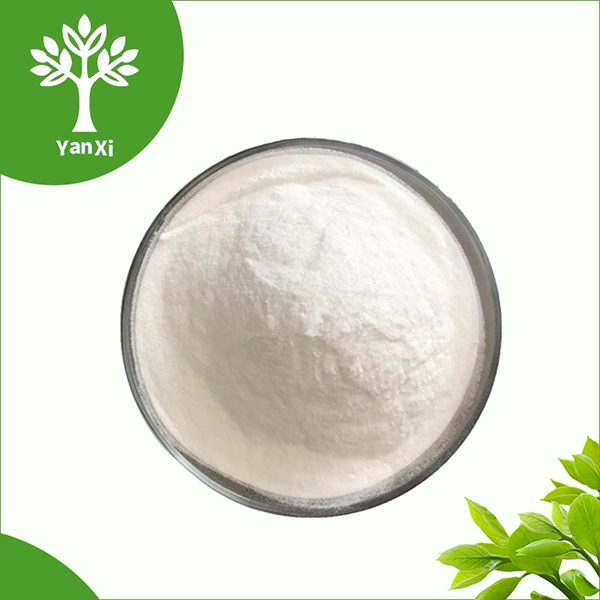
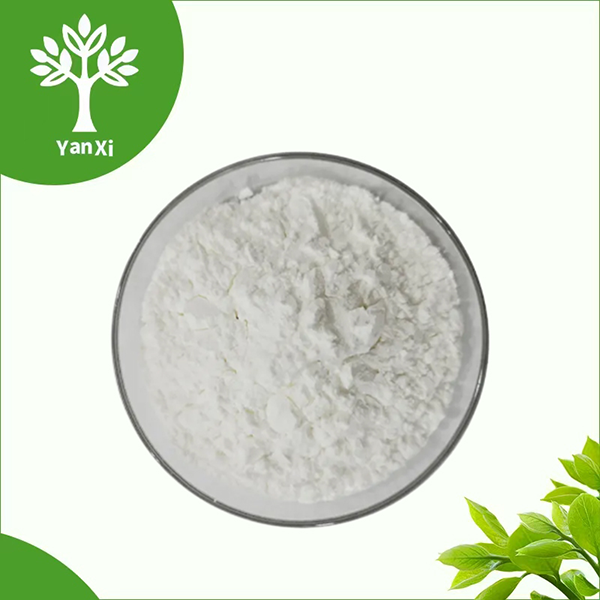
Standard sodium hyaluronate powder is a grain that is off-white to white, smells like nothing, and is at least 95.0% pure (dry base). It is naturally vegan and doesn't have any ingredients that come from animals. It can also be used with both Kosher and Halal certifications. It can be kept between 2°C and 25°C for 24 to 36 months in packaging that doesn't let light in and is tightly sealed. Now this lasts a lot longer than liquid concentrates that are ready to use.
How Hyaluronic Acid Powder Bulk Supports Product Development?
Concentration Flexibility in Formulation
One of the main reasons R&D teams like bulk powder is that they can control the amount. It's not necessary for formulators to use pre-diluted liquid types that add extra water and stabilizers to mix the powder with the right amount of water. Most of the time, 0.1% to 2.0% in end goods is the range. When making multi-weight layering recipes for anti-aging serums or high-moisture sleeping masks, this level of accuracy is very important.
Proper Dissolution Techniques
Putting the Hyaluronic Acid Powder Bulk in the wrong way is the most common mistake in processing. Since sodium hyaluronate soaks up a lot of water, it needs to be mixed with a solvent that doesn't stick to water first, like glycerin or propylene glycol. After that, high-shear mixing should be used to spread it out in the water phase. This keeps the chemical structure of the polymer and stops it from sticking. This has a direct effect on how the end product looks, how thick it is, and how it works.
Real Formulation Applications
Bulk sodium hyaluronate always works well in these three formulation situations:
- Hydrating serums: Low and medium MW grades (50 kDa–500 kDa) are used at 1.0%–1.5% concentration to deliver layered hydration. They absorb rapidly, leaving a non-tacky finish preferred by consumers in the U.S. market and validated in clinical studies measuring transepidermal water loss (TEWL) reduction.
- Sheet masks and gel masks: High MW grades at 0.5%–1.0% create the dense, gel-like consistency that holds moisture against the skin during application, increasing skin hydration by up to 40% in short-contact formats per published dermatological data.
- Anti-aging creams and eye treatments: Oligo-HA (under 10 kDa) combined with high MW sodium hyaluronate creates a dual-action formula — surface film formation plus deeper dermal stimulation — supporting visible reduction in fine lines over a 4–8 week use period.
These uses show why bulk powder is seen as an important raw material by producers instead of a product.
Comparison and Procurement Insights for B2B Buyers
Bulk Powder vs. Liquid Serum Forms
Bulk powder is not just the liquid that has been concentrated. At the raw material level, it doesn't have any preservatives, which means that the formulators can control the preservation system on their own. A lot of liquid pre-solutions have water activity in them, which makes them go bad faster and adds extra weight to foreign shipping. Powder lowers the cost of shipping and makes it easier to fill out customs forms for entering the U.S. and EU markets.
Sodium Hyaluronate vs. Pure Hyaluronic Acid
People often mix up these two terms. Pure hyaluronic acid (in its free acid form) doesn't dissolve in water and isn't as stable when built up. Sodium hyaluronate, which is the sodium salt form, dissolves in water, stays stable over a wider pH range (5.0–8.0), and is the best grade for finished cosmetics. It's important to check which form a supplier quotes when evaluating them to avoid formulation problems later on.
Supplier Evaluation Criteria
Picking a Hyaluronic Acid Powder Bulk supplier is more than just comparing prices. The following factors have a direct effect on the quality of your goods and your standing with regulators:
- Purity and pharmacopoeial compliance: Look for ≥95.0% assay (dry basis), with glucuronic acid content ≥44.0%, meeting Ph. Eur. or JP standards.
- Certifications: GMP, ISO 22000, HACCP, and, where required for your export markets, Kosher and Halal documentation.
- Traceability: Fermentation strain identity, batch records, and Certificate of Analysis (CoA) with third-party verification.
- MOQ and packaging flexibility: Bulk quantities typically start at 1 kg for sampling, scaling to multi-kilogram industrial orders with double-layer sealed packaging.
By using these factors to evaluate sellers early on in the buying process, you can avoid expensive quality problems during production on a larger scale.
Strategic Advantages of Partnering with Trusted Bulk Suppliers
GMP Certification and Batch Consistency
A company that makes sodium hyaluronate that is GMP-certified has documented production controls that make sure that each batch is the same. This is required for cosmetics brands that sell in the U.S., where the FDA checks to make sure that finished goods have the same ingredients. Changes in MW distribution or impurity levels between batches, like protein levels above 0.1% or heavy metal levels above 10 ppm, can make the formula less safe and less effective.
Customization and Private Label Support
Long-term ties with suppliers make it possible to customize ingredients at the level of the product. This could mean narrowing the MW specification, making custom particle sizes for certain dissolution profiles, or mixing different weights of HA in unique ways for formulas that are kept secret. When brands work with experienced manufacturers, they can register these custom specs as proprietary raw material grades. This protects the formulation of their products in a way that generic brands can't easily copy.
Supply Chain Stability
Getting a steady supply of a key active ingredient over the long term is very important for purchasing and supply chain managers. When it comes to the post-2020 supply environment, many brands found that having suppliers of Hyaluronic Acid Powder Bulk with local warehouses in the U.S. or Europe was very important because it cut down on wait times and kept production plans safe from global logistics problems.
Optimizing Your Product Line with Hyaluronic Acid Powder Bulk
Matching Molecular Weight to Consumer Targets
Anti-aging products for people 40 and older work better when oligo-HA is mixed with high MW grades. This helps with both the smoothness of the skin's surface and the moisture levels deeper in the tissues. For younger women, lines that focus on hydration work well with medium MW grades that give instant plumping without being heavy like high-viscosity formulas. Aligning MW selection with your positioning makes both formula effectiveness and marketing claims clearer.
Quality Control in Manufacturing Workflows
Before using a fresh batch of sodium hyaluronate in production, intrinsic viscosity (IV) testing according to Ph. Eur. standards makes sure that the MW range is within the acceptable range. Formulators should also keep an eye on the stability of the solution's pH—degradation speeds up below pH 4.0 or above pH 10.0—and stay away from mixing the ingredient with large amounts of cationic polymers or electrolytes, which cause viscosity loss over time.
Trends Driving Future Demand
Grand View Research says that the world market for hyaluronic acid was worth USD 10.7 billion in 2022 and will continue to grow at a rate of 8.3% per year until 2030. One of the main things driving growth is consumer demand for clean-label actives that aren't made from animals. Sodium hyaluronate made through fermentation fits right into that growth trend because it is vegan and made in a way that doesn't harm the environment.
Conclusion
Bulk Hyaluronic Acid Powder Bulk sodium hyaluronate powder gives cosmetic companies the technical control, low cost, and reliable supply they need to make hydrating and anti-aging product lines that can compete. Finding the right raw material is the first step in making any formulation decision, from choosing the MW to the dissolution technique. When you work with a qualified, experienced manufacturer, the quality of your ingredients will stay the same from batch to batch. This protects your business and your users.
FAQ
Is bulk powder more stable than liquid hyaluronic acid?
Yes. In powder form, sodium hyaluronate has no water activity, which means microbial growth risk is near zero at the raw material stage. This extends shelf life to 24–36 months, compared to 12–18 months for typical liquid concentrates, and allows preservative-free raw material handling.
How do I verify the quality of a supplier's sodium hyaluronate?
Request the Certificate of Analysis (CoA) for each batch and look for assay ≥95.0%, protein content <0.1%, heavy metals <10 ppm, and pH between 6.0 and 7.5 in a 1% aqueous solution. Ask whether results come from in-house testing only or include third-party laboratory verification.
Can one grade work across serums, masks, and anti-aging creams?
Not ideally. Different products need different MW grades. A medium MW grade (100 kDa–500 kDa) is a reasonable general-purpose choice, but products targeting specific anti-aging or deep-penetration claims perform better with formulated MW layering — low MW for dermal depth, high MW for surface hydration and film formation.
Partner with Yanxi Herbs for Certified Bulk Sodium Hyaluronate
Since 2010, Yanxi Herbs has been providing natural cosmetic ingredients to companies around the world. They are certified in ISO 22000, HACCP, Kosher, and Halal. Because we are a reliable Hyaluronic Acid Powder Bulk provider, we offer grades that are specific to MW, flexible MOQs, and full documentation support for both U.S. and foreign compliance. Contact our team at info@yanxiherbs.com or visit yanxiherbs.com to get a sample or talk about your product needs.
References
1. Grand View Research. (2023). Hyaluronic Acid Market Size, Share & Trends Analysis Report. Grand View Research.
2. Papakonstantinou, E., Roth, M., & Karakiulakis, G. (2012). Hyaluronic acid: A key molecule in skin aging. Dermato-Endocrinology, 4(3), 253–258.
3. European Pharmacopoeia Commission. (2022). European Pharmacopoeia 10th Edition: Sodium Hyaluronate Monograph. Council of Europe.
4. Fallacara, A., Baldini, E., Manfredini, S., & Vertuani, S. (2018). Hyaluronic acid in the third millennium. Polymers, 10(7), 701.
5. Witting, M., Boreham, A., Brodwolf, R., Vavrova, K., Alexiev, U., Friess, W., & Hedtrich, S. (2015). Interactions of hyaluronic acid with the skin and implications for the dermal delivery of biomacromolecules. Molecular Pharmaceutics, 12(5), 1391–1401.
6. Jiang, D., Liang, J., & Noble, P. W. (2011). Hyaluronan as an immune regulator in human diseases. Physiological Reviews, 91(1), 221–264.

Send Inquiry
Related Industry Knowledge
- How Does Freeze-dried Dragon Fruit Powder Improve Natural Color In Food Applications?
- How Can Purple Yam Powder Enhance Color and Texture in Food Product Development?
- Freeze-Dried Lemon Powder Helps Brands Develop Natural Citrus Products with Extended Storage Flexibility
- Food Grade Bulk Astaxanthin Powder For Skincare Antioxidant Supplements
_1787033972542.webp)