
Lion's Mane Mushroom Extract Powder Fits Diverse Beverage and Powder Blends
Sep 28, 2026
Lion's Mane Mushroom Extract Powder is one of the most versatile functional ingredients available to food, beverage, and supplement manufacturers today. Derived from the fruiting body of Hericium erinaceus, this extract delivers standardized levels of beta-glucans, hericenones, and erinacines — the bioactive compounds linked to Nerve Growth Factor (NGF) synthesis and cognitive support. Unlike raw mushroom powder, the extracted form offers consistent potency, better solubility, and clean-label compatibility, making it a practical choice for R&D teams building products across a wide range of formats, from ready-to-drink beverages to protein blends.
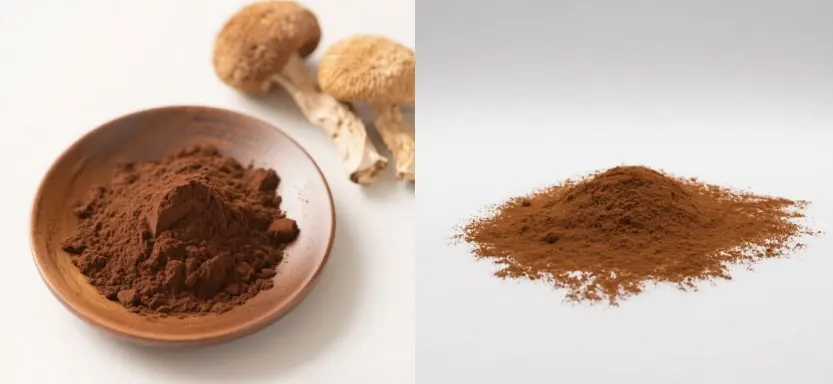
Understanding Lion's Mane Extract and Its Role in Beverage and Powder Blends
What Makes This Extract Functionally Valuable?
What makes a high-quality ingredient different from a raw item is how it is taken out of the plant. If you use both hot water processes and ethanol reflux, you can get the chemicals that protect neurons that dissolve in water and those that dissolve in alcohol. This way, makers are sure to get the full bioactive profile and not just a small part of it. This is really important for companies that make claims about brain health.
Solubility and Stability in Formulations
Spray-dried lion's mane water extracts are easy to mix with water, so they can be used in both hot and cold drinks, dairy products, and quick powder mixes. One helpful tip is that the powder naturally soaks up water because it has a lot of carbohydrates. To keep it from sticking, keep it below 25°C and with less than 60% relative humidity. The teams in charge of buying things need to make sure that the rules they follow for the warehouses take this stability into account.
Bioactive Standardization for Production Consistency
If an HPLC or an enzymatic assay checks an extract for at least 30% beta-glucans, it is a standardized extract. This gives manufacturers the consistency from batch to batch that they need to make claims on the label that people can trust. Companies that sell vitamins and healthy foods in the U.S. need to follow FDA and DSHEA rules, so this is very important.
Evaluating Forms and Types: Choosing the Right Extract for Your Product Line
Powder vs. Capsule Format
It's easy to see why extract powder works better than capsules in beverage and blend situations. It doesn't need to be taken apart and can be dosed exactly by weight. It can be used right away in wet processes. This means that companies that make a lot of drinks or blend powders for other companies will have lower processing costs and more accurate doses across batches.
Organic vs. Conventional Sourcing
When Lion's Mane Mushroom Extract Powder is organically approved, it costs more, but brands that want to be seen as green or clean can really sell more of it. Instead of mycelium grown on the grain, fruiting bodies grown on the surface of wood always have less starch and more fungal polysaccharides. They should ask for alpha-glucan test results (via Megazyme assay) to make sure they are getting real fungus extract and not just grain filler.
Pure Extract vs. Proprietary Blends
If you use pure extracts of a single ingredient, you have more control over the final mix. The decisions are made by your R&D team. Finding new ways to mix different mushrooms or adaptogens, like lion's mane mixed with reishi or ashwagandha, can speed up the process of making new goods and help SKUs stand out. The best choice for you will rely on how you want to place your brand and whether you need to make claims about the recipe as a whole or just the ingredients.
Production and Procurement Insights for Global B2B Buyers
Selecting a Supplier with Verifiable Standards
Any company that sells botanical ingredients should follow these basic rules: they should be tested by a third party, have certifications, and be open about the supply chain. When buying lion's mane, make sure the seller can give you a Certificate of Analysis (CoA) that shows how much beta-glucan, heavy metals, bacteria, and solvents are still present. USP <467> says that there should be less than 500 parts per million (ppm) of leftover ethanol. Many stores around the world will accept paperwork from sellers who are ISO 22000, HACCP, Kosher, or Halal approved.
Pricing, Bulk Purchasing, and Cost Factors
The price of lion's mane extract in bulk depends on a number of things, such as the particle size, the amount of beta-glucan standardization, and whether a carrier is present, such as organic maltodextrin. It costs more but gives you more value per gram when the standards are higher, like having at least 30% beta-glucans instead of at least 10%. Most of the time, long-term supply deals lower the cost per unit and keep wait times stable. This is very important for companies that make a lot of things all the time.
Private Label and Subscription Procurement Models
Companies that make supplements or want to get into the market for cognitive health can use private label programs for Lion's Mane Mushroom Extract Powder to get their own brand without having to build their own extraction infrastructure. When you set up subscription-based procurement, you place recurring orders based on expected volumes. This lowers the risk of sourcing and often lets buyers get discounts for buying in bulk. These plans work especially well for companies that want to reach more people across the country.
Optimizing Product Development: Incorporating the Extract into Beverages and Blends
Solubility and Taste Considerations in Beverages
Most drinks are easy to make with standard spray-dried water extracts. Small sugar chains, on the other hand, can cloud clear functional waters over time. For RTD uses where the way the product looks is important to the brand, a grade that has been nano-filtered or purified is best. If you process the extract the right way, it has a mild, earthy taste that is easier to hide than raw mushroom powder, which tastes stronger and more bitter.
Dosage Guidelines for Cognitive Benefit Claims
A study claims that daily intake of 500 mg to 1,000 mg of lion's mane extract can alter the way your brain works. In 2019, Biomedical Research published a study that found older people who took a dose of 1,000 mg/day for 16 weeks did better on tests of whether they could remember things. This dose range is a good fit for normal serving sizes of drinks because it doesn't change the way they taste or feel much.
Quality Assurance and Regulatory Labeling
DSHEA says that U.S. supplement labels need to have correct information about the amounts of active compounds, statements about allergies, and third-party CoA proof. There should be papers from the provider of Lion's Mane Mushroom Extract Powder that back up what will be said about the end product. This should be checked by the R&D and regulatory teams. It's best to check a food or drink's GRAS status and work with experienced legal counsel before putting it on the market.
Market Trends and Commercial Applications of Lion's Mane Extract
Growth in the Functional Beverage Category
The global functional mushroom market will grow at a rate of over 9% per year until 2030, according to Grand View Research. It was about $8.3 billion worth of it in 2023. People are interested in brain health and nootropics, so lion's mane is one of the most popular ingredients in this group. The market for natural products in the United States has been great for companies that make drinks. They add this ingredient to protein shakes, health shots, and coffee mixes.
OEM and Distributor Feedback
Customers are more likely to buy brain health lines that come in powder form than those that come in pill form, according to OEM makers. More and more, distributors in the U.S. and Europe say that stores want single-ingredient mushroom products with clean labels that make it clear where the ingredients came from. These signs from the market show that procurement teams that get this ingredient now are ahead of the game in a category that big-box stores and specialty stores are still interested in.
Emerging Innovation Directions
Lion's mane is being mixed with bacopa monnieri, rhodiola rosea, and phosphatidylserine, all of which are nootropic plants, to make cognitive support stacks for the sports nutrition and professional health markets. This is proof that more and more people need suppliers who can provide not only single extracts but also help with custom mixing and formulation advice based on the use.
Conclusion
Lion's mane mushroom extract is a good product that has been studied and works well in business. Blends, drinks, and vitamins all work well with Lion's Mane Mushroom Extract Powder. Any line of products that wants to promote brain health or overall wellness should use this one. It tastes good, has a standard bioactive content, and works well with clean-label messaging. Standardizing beta-glucans in a way that can be checked is the most important thing for procurement teams. They also need to make sure that sellers have the right paperwork and find a supply partner with the scientific knowledge to help them meet their formulation goals from research to production.
FAQ
What is the difference between a 10:1 extract ratio and a standardized extract?
It only tells you that 10 kg of raw material were used to make 1 kg of extract. It doesn't say anything about how useful the extract is, though. It is guaranteed that a standard extract, like one with at least 30% beta-glucans, has a certain number of active substances. This can be checked using HPLC or enzyme tests. It is always safer to stick to standardized standards when it comes to professional preparation.
Can lion's mane extract powder be used in clear RTD beverages?
Plain water extracts might cloud clear liquids over time because of the length of the polysaccharide chains. If you need clear, usable water, the best thing to use is an extract that has been nano-filtered or cleared.
How do you confirm that an extract is free of grain starch adulteration?
The iodine-starch test and the Megazyme assay are both good ways for suppliers to tell the difference between alpha-glucans (found in starches) and beta-glucans (found in fungi). Check the COA to see if this test information is there before you buy.
What is the recommended daily dose for cognitive support?
It has been shown to be safe to take 500 mg to 1,000 mg of pure extract every day. Before telling people in your target market specific things about your name, talk to your legal team.
What certifications should a qualified supplier hold?
You should have at least ISO 22000, HACCP, and certificates that let you sell to certain groups, like Kosher and Halal. These papers are needed to make sure that most food and vitamins brought in from other countries are acceptable.
Partner with Yanxi Herbs — Your Trusted Lion's Mane Mushroom Extract Powder Supplier
Since 2010, Yanxi Herbs has sold high-quality plant-based products to businesses all over the world. We make Lion's Mane Mushroom Extract Powder and are approved by ISO 22000, HACCP, Kosher, and Halal. Every batch we ship comes with full third-party COA paperwork. For long-term supply deals, private label projects, and special needs, we can help. You can depend on our safety and R&D teams. Email us at info@yanxiherbs.com or visit yanxiherbs.com to get prices and samples.
References
1. Mori, K., et al. (2009). Improving effects of the mushroom Yamabushitake (Hericium erinaceus) on mild cognitive impairment. Phytotherapy Research, 23(3), 367–372.
2. Nagano, M., et al. (2010). Reduction of depression and anxiety by 4 weeks of Hericium erinaceus intake. Biomedical Research, 31(4), 231–237.
3. Lai, P. L., et al. (2013). Neurotrophic properties of the lion's mane medicinal mushroom, Hericium erinaceus (Agaricomycetes). International Journal of Medicinal Mushrooms, 15(6), 539–554.
4. Grand View Research. (2023). Functional Mushroom Market Size, Share & Trends Analysis Report. Grand View Research.
5. Friedman, M. (2015). Chemistry, nutrition, and health-promoting properties of Hericium erinaceus (lion's mane) mushroom fruiting bodies and mycelia and their bioactive compounds. Journal of Agricultural and Food Chemistry, 63(32), 7108–7123.
6. Zhang, J., et al. (2016). The neuroprotective properties of Hericium erinaceus in glutamate-damaged differentiated PC12 cells and an Alzheimer's disease mouse model. International Journal of Molecular Sciences, 17(11), 1810.

Send Inquiry
_1787033972542.webp)