
What Products Can Manufacturers Develop with Purple Sweet Potato Powder?
Oct 03, 2026
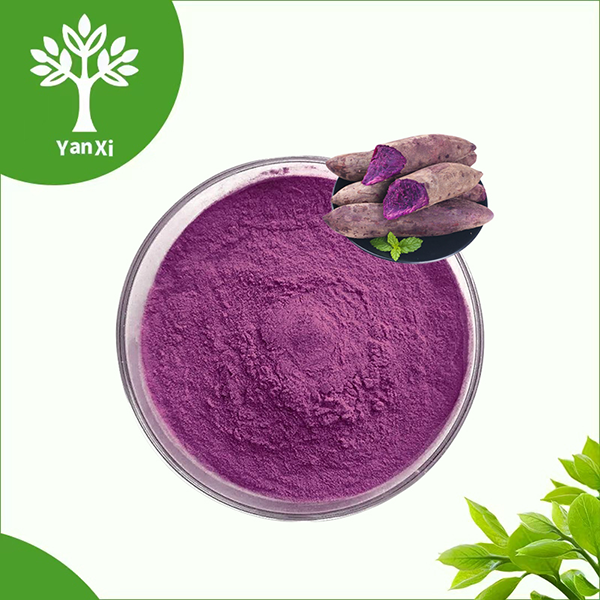
Purple sweet potato powder is one of the most useful natural ingredients that cosmetic, supplement, and food companies can use right now. This whole-food powder comes from Ipomoea batatas plants that are high in anthocyanins. It has a deep violet colour, low-glycemic index carbohydrates, dietary fibre, and a measured antioxidant load. It can be stored on a shelf and is ready to be packed in bulk. To meet the growing demand for natural, useful ingredients, companies in a wide range of industries are adding this ingredient to their products. Examples include plant skin care products and clean-label baked goods.
Understanding Purple Sweet Potato Powder: Composition and Benefits
To get a better idea of how this ingredient can be used in manufacturing, let's take a look at some ways it has already been used in products.
Anthocyanin Profile and Natural Pigmentation
The plant is purple because it has some anthocyanins that have been modified. These are mostly cyanidin and peonidin derivatives. Because they are acylated, these types of anthocyanins are more stable at high temperatures than the anthocyanins that are found in plants. This is very helpful if you work in a hot place like a bakery or a drink factory. It can be used instead of man-made colours like Red 40 and Blue 1 because it doesn't change quickly.
Nutritional Composition for Functional Claims
The powder has fibre, potassium, resistant starch, and building blocks for vitamin A. Because it doesn't have gluten in it, it can be used in recipes for people who are sensitive to gluten. Because it has a low glycemic index, it is a good snack or supplement for people who want to keep their blood sugar in check.
Solubility and Processing Compatibility
Purple Sweet Potato Powder has insoluble fibre and starch, so it's not clear what happens when you mix it. Instead, it makes a box. This is what gives drinks and baked foods their shape. A lot more anthocyanin is kept when low-temperature drum drying or freeze-drying is used instead of high-heat spray drying.
Key Product Categories Manufacturers Can Develop
Most buying teams don't realize at first that this ingredient can be used to make more than one thing. These are the business groups that are doing well.
Bakery and Confectionery Products
You don't need to add any other colouring to bread, cakes, cookies, or muffins when you add 3–5% by weight of flour of Purple Sweet Potato Powder. They stay a bright violet colour. The powder is sweet enough on its own that some recipes don't need as much sugar. For brands that want to keep their labels simple, the fact that the list of chemicals only says "Purple Sweet Potato Powder" is great. This is because people are ready and willing to use the word.
Functional Beverages and Nutrition Bars
To make smoothies, meal replacement shakes, and other drinks high in antioxidants, about 1 to 2 teaspoons are used per dose. A lot of high-end health drink brands like how adding sugar to drinks makes them a little thicker. To add colour and fibre to snack bars, the powder is used. This supports the claim that the bars are good for your gut health and your looks.
Nutraceutical Capsules and Immune Support Supplements
A supplement company says that Purple Sweet Potato Powder or puree in pills and tablets can boost the immune system and fight free radicals. A study published in 2020 in the journal Food Chemistry showed that acylated anthocyanins, which are found in purple sweet potatoes, are very good at getting rid of free radicals. In the US supplement market, claims of useful benefits that follow DSHEA rules are backed up by this.
Skincare and Cosmetic Formulations
The antioxidants in the powder can be used to make face masks, serums, and creams because they reduce swelling and protect cells from damage. Because it comes from plants, natural beauty brands use it in products that clean and fight aging. "Natural sourcing" means that it comes from a whole food, which is something that more and more people who like clean beauty products are looking for.
Comparative Insights: Selecting the Right Powder for Your Needs
Not all purple powders perform identically in manufacturing environments. Choosing the right one requires attention to a few technical and commercial factors.
Purple Sweet Potato vs. Ube vs. Taro
Ube (Dioscorea alata) is a yam, not a sweet potato. It has a vanilla-nutty flavour and a higher moisture content than a sweet potato. It also behaves differently when mixed with water in dough. Taro has a bland, starchy flavour and a grayer-purple colour. Purple sweet potato powder has a softer, more earthy sweetness and a cleaner, more saturated violet colour. When it comes to color-forward uses, purple sweet potato usually works better.
Organic Certification and Labeling Impact
Certified organic purple sweet potato powder helps products stand out as high-end and lets brands make claims like "USDA Organic" or "Certified Organic" on the package. This has a direct effect on the selling price and the type of people who are likely to buy it. Before confirming the choice of supplier, purchasing teams should ask for valid organic certificates along with standard ISO 22000, HACCP, Kosher, and Halal paperwork.
Price Benchmarks and Bulk Procurement
The wholesale price depends on the amount of anthocyanin, the drying method, and the state of the approval. Drum-dried powder is cheaper than freeze-dried powder, but freeze-dried powder keeps its colour better. When buying in bulk, buyers should make sure that each batch is consistent, that each shipment comes with a Certificate of Analysis (CoA), and that the supplier agrees to a certain amount of time to deliver the goods.
Manufacturing Best Practices
Integrating this ingredient successfully requires process adjustments that protect its functional properties.
Preserving Anthocyanin Integrity During Processing
A change in pH can damage anthocyanins. Baking soda and other alkaline ingredients change the colour from purple-red to blue-green. Adding something sour, like citric acid, lemon juice, or buttermilk, makes the purple colour more stable. Anthocyanin concentration is also decreased by processing temperatures above 80°C for long periods of time, so low-temperature blending and shorter heat exposure windows are suggested when they are technically possible.
Storage and Handling Protocols
Purple sweet potato powder can hold water. It needs to be kept in aluminium bags that are vacuum-sealed and have desiccant packs inside. Once it's opened, the humidity in the air makes it quickly cake up, which makes it harder to dispense accurately and keep batches consistent. To stop mould from growing during storage, aim for a water activity (aw) below 0.3.
Quality Control Before Production Use
Heavy metal limits (Lead < 0.5 ppm per EU and California Prop 65 standards), bacterial counts (Total Plate Count < 100,000 CFU/g, Salmonella missing), and the validity of the anthocyanin should all be checked by quality managers before batch production. Using HPLC to find acylated anthocyanins can tell the difference between real purple sweet potato powder and cheaper fillers that have been dyed with synthetic colours. This is an example of a contamination risk that should be checked before consumption.
Sourcing and Procurement Strategy
Before you buy Purple Sweet Potato Powder from someone, you should do more than just check their prices. It is very important to have both a steady supply over time and good documentation.
Evaluating Supplier Certifications
International buyers need to know that standards have been met, like those set by ISO 22000, HACCP, Kosher, Halal, and SGS. The goods and the ways to handle food safety are both right, as these papers show. It is important to make sure that the COA papers you receive are specific to the batch you are buying and not general specification sheets.
Logistics and Supply Chain Planning
When US makers work with suppliers who keep stock in nearby stores, wait times are cut by a large amount. When people buy a lot of something, they often get savings. Before they sign any contracts, buyers should make sure they know what materials they need, how much they need to order, and what paperwork the supplier needs for customs.
Specialized B2B Suppliers vs. General Marketplaces
There are some chances that what you buy on general shopping sites is real and reliable. When it comes to plant products, suppliers that only work with businesses can offer things like tracking output, custom standard options, and legal paperwork that most regular markets can't do well on a large scale.
Conclusion
Purple Sweet Potato Powder is a technically adaptable and commercially useful ingredient for companies that make food, supplements, and cosmetics. It can be used for formulating in many areas because it stays the same natural color, has a lot of antioxidants, and is compatible with clean labels. If you want this item to work as expected in your production setting, you need to pick the right grade, check the supplier's credentials, and follow the right handling steps. It will be better for producers if they start getting their ingredients in a smart way now, because the clean-label and functional food markets will only keep growing.
FAQ
Why does the powder turn blue or green in baking?
Anthocyanins react to pH changes. Alkaline ingredients shift the pigment toward blue-green tones. Adding citric acid or lemon juice to the formula maintains the purple-red hue.
Is purple sweet potato powder the same as ube powder?
No. Ube is a yam (Dioscorea alata) with a distinct vanilla flavor and different hydration behavior. Purple sweet potato has a drier texture and a subtler, earthy flavor profile. They perform differently in formulation.
What certifications should I require from my supplier?
At minimum: ISO 22000, HACCP, Kosher, and Halal. For US market compliance, also request heavy metal testing results and microbiological CoA documentation per batch.
Is the powder fully water-soluble?
No. It forms a stable suspension rather than a clear solution due to its insoluble fiber and starch content—a property that adds texture to beverages and structure to baked goods.
What is the standard dosage for coloring applications?
For bakery, 3–5% by flour weight produces strong coloration. For beverages, 1–2 teaspoons per serving is standard. Exceeding recommended dosage may increase product density due to added starch.
Ready to Source Purple Sweet Potato Powder? Contact Yanxi Herbs
Company in more than 100 countries have bought certified botanical ingredients from Yanxi Herbs since 2010. You can trust us to give you Purple Sweet Potato Powder that is fully traceable and certified as ISO 22000, HACCP, Kosher, and Halal. We can also make custom specs that fit your needs, and we have a warehouse in the US to speed up shipping within the US. Send your question to info@yanxiherbs.com or visit yanxiherbs.com right away to get samples and batch information.
References
1. Steed, L. E., & Truong, V.-D. (2008). Anthocyanin content, antioxidant activity, and selected physical properties of flowable purple-fleshed sweet potato purees. Journal of Food Science.
2. Zhao, C., et al. (2017). Effects of purple sweet potato (Ipomoea batatas L.) leaves polyphenols on the health of mice with diet-induced obesity. Food & Function, Royal Society of Chemistry.
3. Hwang, Y. P., et al. (2011). Purple sweet potato anthocyanins attenuate hepatic lipid accumulation through activating adenosine monophosphate–activated protein kinase. Journal of Medicinal Food.
4. Kano, M., et al. (2005). Anthocyanins from purple sweet potato (Ipomoea batatas L.) are available to humans after oral administration. Journal of Nutritional Science and Vitaminology.
5. He, J., & Giusti, M. M. (2010). Anthocyanins: Natural colorants with health-promoting properties. Annual Review of Food Science and Technology.
6. Teow, C. C., et al. (2007). Antioxidant activities and phytochemicals of sweet potato (Ipomoea batatas) in different genotypes. Food Chemistry, Elsevier.

Send Inquiry

Related Industry Knowledge
- How Does Freeze-dried Dragon Fruit Powder Improve Natural Color In Food Applications?
- Freeze-dried Dragon Fruit Powder for Vibrant Natural Color and Clean Label Formulations
- What Factors Matter When Purchasing Astaxanthin Powder Bulk For Large-Scale Production?
- Chlorophyll Powder Offers Stable Plant-Based Coloring Options For Food And Beverage Manufacturers
_1787033972542.webp)