Baicalin Powder for Antioxidant and Botanical Supplement Formulations
Nov 26, 2026
Baicalin Powder is a flavonoid glycoside extracted from the dried root of the Chinese skullcap plant Scutellaria baicalensis Georgi. This gives product teams a clear ingredient to test in the lab for antioxidant activity and cell protection in antioxidant and botanical supplement formulations. The value of this depends on how well it is documented, how well it is identified and how well it dissolves. This guide is designed to help U.S. buyers compare grades, test samples, avoid common sourcing mistakes, and make sure they get all the right information from suppliers before they approve them. Regulators change from market to market so formulators should check with their own compliance team to make sure that the language they use is legal.
What Is Baicalin Powder? Identity, Origin, and Production?
Botanical Source and Chemical Identity
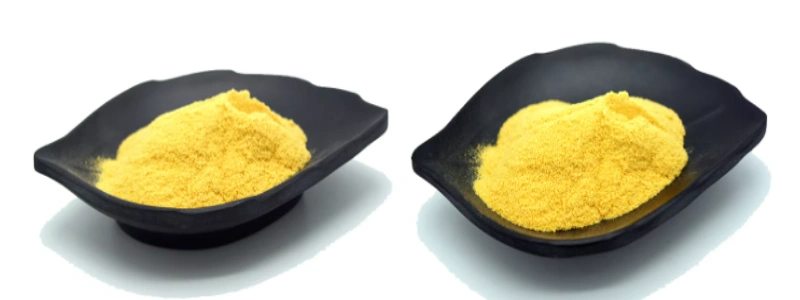
Baicalin Powder is a flavonoid glycoside extracted from the dried root of Scutellaria baicalensis Georgi. It has a CAS number of 21967-41-9 and a molecular formula of C21H18O11. Its molecular weight is 446.36 g. The powder is generally light yellow to greenish yellow and melts at around 223°C. If you buy from me, always keep a general skullcap extract and baicalin separate. The extract may contain the plant compounds baicalin, baicalein, wogonin and others. However, a purified ingredient of baicalin will only affect one specific marker. The Pharmacopeia of the People’s Republic of China also takes baicalin as the criterion to indicate that dried Scutellariae Radix is of good quality, with a minimum content of 9.0%.
How Commercial Baicalin Powder Is Produced?
Realized raw materials are the first step in commercial production. The producer takes baicalin from the root, cleans it, concentrates it, dries it, mills it, and packs it in a controlled environment. Each step changes the profile in the end. The solvent used for extraction changes the risk of residue, the method of purification changes the profile of impurities, and milling changes the size and flow of particles. Plant roots change depending on the soil, when they are harvested, and how they are stored. Making a standardized powder from the roots helps reduce differences in active content from batch to batch. That's why I tell buyers to ask for the process outline early, before they get their first quote. A clear description of the process also helps quality teams decide if a grade is right for a research project, supplement, or cosmetic.
Details to Confirm Before You Buy
Before you place an order, I suggest that you double-check a short list of facts, including the plant part, the solvent used for extraction, the method of purification, the country where the product was made, its chemical identity, and its assay. The standard for the industry is to supply Baicalin Powder that is between 80% and 98% pure by HPLC, with no more than 5% moisture and no more than 1% residue on ignition. A purity number doesn't tell you everything you need to know; find out how and why it was calculated. These details can help the formulation, regulatory, and quality teams decide if the material is good for research, as a supplement, or as a cosmetic. When there are no answers, you need to ask more questions.
Baicalin Powder Benefits, Solubility, and Formulation Considerations
Antioxidant Research and Functional Value
Baicalin is mainly studied in preclinical and in vitro studies to see if it can protect cells and act as an antioxidant. Studies in the laboratory have demonstrated that flavonoids from the root of Scutellaria baicalensis can scavenge free radicals (Biochimica et Biophysica Acta, 1999). The plant has been evaluated for its anti-inflammatory and antioxidant properties, according to a 2019 review published in the Journal of Pharmacy and Pharmacology. These data support the interest in botanical supplements, nutraceuticals and cosmetics, but do not show that they make people better. Also, U.S. supplement labels must meet FDA regulations, so I would advise brands to refrain from making disease claims and to seek guidance from a regulatory advisor regarding structure-function language.
Dosage Forms and Ingredient Compatibility
Baicalin Powder can be used in Capsules, Tablets, Powder Blends, Liquids, Serums, Creams and Multi-Ingredient Systems. Each format gives rise to a number of issues. A capsule blend needs to flow and blend well . Liquids require a pH plan and a dispersal plan. The yellow powder may change the way a cream or serum looks, so it needs to be tested for color, smell and preservative compatibility. I think you should do a few small batches of the planned carriers, excipients, flavors, preservatives and other botanical extracts before you go big. Before use, determine a target concentration, processing temperature, and moisture limitation for the ingredient. These factors will define the ingredient’s behavior during production and storage.
Solubility and Stability Factors
Baicalin is insoluble in water, ethanol or acetone but soluble in weak alkaline solutions. A cloudy mixture should not be assumed to be a finished solution just because it looks dispersed. Variations in pH, temperature, ionic strength, particle size, co-solvents, and excipients may influence the efficacy of . Depending on the dosage form, formulators can try particle size reduction, pH modification, complexation, solubilizers, emulsification or encapsulation. Stability can be affected by heat, light, oxygen, humidity and how often a container is opened. A 2000 study in the Journal of Pharmacy and Pharmacology showed that rats absorbed baicalin from the gut as the aglycone baicalein. The body then converted it back to baicalin. The company that manufactured the finished product is responsible for the final validation of the shelf-life.
Baicalin Powder Comparisons and Selection for Research, Supplement, and Cosmetic Use
Baicalin, Baicalein, and Scutellaria baicalensis Extract
There is some overlap between these three materials, but they can't be switched out. Since baicalin is a glycoside and baicalein is its aglycone, their structures, analytical profiles, solubility, and how they react to different formulations are all different. A purified ingredient in baicalin gives clear control over the active content. A Scutellaria baicalensis extract has a lot of different parts, so it might give you a more general but less chemically specific picture. I also ask buyers to be clear about whether the material comes from plants, synthetics, semi-synthetics, or fermentation, because the origin changes the paperwork and the market position. Don't just choose based on marketing terms; look at identity, purity, traceability, impurity profile, regulatory position, sustainability, and budget as well.
Define Your Procurement Scenario First
The very first thing that decides the choice is the use case: research, making supplements, cosmetics, distribution, or larger-scale production. A lab team might want a small sample and an easy way to test it. To sell a supplement brand in the U.S., you need a consistent supply, a specific dosage form, and paperwork that meets U.S. standards. The cosmetic developer might be more concerned with the color, the smell and how well it plays with the base. Please tell us about dosage form, annual volume, target market, sample needs, launch date and any OEM or recurring supply needs. At Yanxi Herbs, I like starting with the buyer's specifications so I can pick the right grade, rather than give a generic quote.
Core Evaluation Criteria
read the technical data after you know what will happen. The critical parameters include assay, botanical source, identity, moisture, particle size, heavy metals, pesticides, residual solvents and microbial limits. Request the latest spec, the SDS and a batch specific COA. Request a sample to see what the product looks like. Then look beyond the datasheet. Day-to-day working conditions are influenced by factors like supplier certifications, batch tracking, technical responsiveness, formulation support, and export experience. Price is important but it shouldn’t be more important than these things. If the grade doesn't match the final application or the paperwork is late a low quote isn't so attractive.
Baicalin Powder Quality Verification and Procurement Risks
Testing Methods That Confirm Identity and Potency
The amount of baicalin present is usually confirmed by HPLC or UPLC assay. The substance is baicalin can be proved by LC-MS , chromatographic fingerprinting or other approved method . If not, it could be a more broad extract or a product that was mislabeled. If you don’t know the test method, specification range, calculation method, lot number and test date, knowing the purity percentage is not of much help. In the US, the FDA’s dietary supplement GMP rule (21 CFR Part 111) requires manufacturers to verify the identity of each dietary ingredient. A COA from the supplier is helpful, but it should not take the place of your own verification plan.
Safety Data and Batch Acceptance
When evaluating Baicalin Powder, you should also check for heavy metals, pesticides, microbial counts, aflatoxins (if applicable), allergens, GMO status, irradiation, and declarations of animal origin. Testing the soil for contaminants is particularly important because plant roots absorb substances from the growing environment. Establish procedures for incoming goods, including quarantine, sampling, approval, sample retention, and handling of nonconforming batches. I recommend keeping a retained sample from every accepted batch so your team can compare future complaints or stability concerns against the original material. Also inspect the packaging: the documentation must match the sealed liners, intact labels, and correct lot numbers before the batch is approved for production.
Common Procurement Risks and How to Avoid Them
It repeats the same mistakes over and over. People buy things based on the name of the item, compare prices without checking the details, or confuse baicalin with baicalein or generic skullcap extract. The term “high purity” can mean different things in two quotes, e.g., different analytical bases, total flavonoids, extract content. If you go for the cheapest price without testing a sample first, the results may not be consistent, there may be contamination, or documents may be missing, or the incoming inspection may fail. A weighted supplier scorecard that considers quality, compliance, service, price and supply continuity makes the decision more objective. Set up storage guidelines and do routine testing for moisture, temperature, illumination and oxygen hazards to keep them within safe limits.
Buying Baicalin Powder in Bulk: Workflow, Supplier, and Customization
Bulk Pricing Factors and Quotation Terms
When you buy in bulk, you are comparing not only prices, but also the skills of the suppliers, paperwork, continuity of production, lead time and the total cost of delivery. The price of baicalin depends on its purity, target assay, availability of raw material, difficulty in purification, quantity of order, testing, packaging, destination and Incoterms. The helpful quote will state the MOQ, sample policy, production schedule, export clearance and transit assumptions. Buyers can post their predictions, place blanket orders or reserve production capacity for programs that air repeatedly. Export Documents are Bills, packing lists, COAs, SDS, and Certificates of Origin. Make sure you write down all these terms so all the quotes are on the same area.
A Step-by-Step Procurement Workflow
The structured workflow has less risk technically, regulatory or supply. 1. Write a specification. This should include botanical source, purity, grade, assay method, limits of contaminants, particle size, packaging, quantity, where it will go, and what it will be used for. Secondly, verify the manufacturing location, certifications, export experience, documents, and availability of samples to shortlist the potential suppliers. Third, test samples for identity, assay, contaminants, solubility, distribution, and compatibility with your formula. Finally, negotiate the price, minimum order quantity (MOQ), lead time, Incoterms, payment terms, packaging, and a quality agreement that includes issues, changes, audits, and complaints. After the first order, regularly check the consistency of the batches, the service, the delivery and the accuracy of the documents.
Working With a Qualified Baicalin Powder Manufacturer
A good manufacturer will do more than just quote you. By going straight to the production and quality teams you can get a better understanding of how the products are sourced, extracted, cleaned, tested, packed and tracked from batch to batch. Different users require different kinds of help . Procurement teams need clear and consistent cost. Not only do formulators need assay, solubility and stability data, they need samples as well. Distributors need shelf life information and market documents. OEM customers might have issues with custom packaging and delivery to them. Then add a quality agreement, a change-control process, sharing of forecasts, and regular reviews of performance. I think you should start with a pilot order. By these steps, you will be able to build a good relationship with an international supplier in time.
Conclusion
Baicalin Powder is a transparent flavonoid glycoside derived from the root of Scutellaria baicalensis. It differs from baicalein and general skullcap extract in structure, analysis and formulation behavior. Laboratory studies support interest in its antioxidant activity, but those results do not prove therapeutic effects, and claims must be made in accordance with local laws. It does not mix well with water and is easily degraded by heat, light, oxygen and water so it is important to test it in the actual formula. This allows buyers to easily compare products based on clear specifications, HPLC-based assays, batch COAs, contaminant data and sample testing. Weighted supplier reviews, written quotation terms and a staged workflow make mismatched grades and delays less likely to occur. The main point is that price or name of the product is less important than proof of identity and paperwork.
FAQ
What is Baicalin Powder used for?
Baicalin Powder is used for research of antioxidants, botanical supplements, nutraceutical development, cosmetics, analytical studies, multi-ingredient formulation programs. Allowed claims are determined by rules of your area.
Is Baicalin Powder soluble in water?
It does not completely dissolve in water. It dissolves better in weakly alkaline solutions. The results are influenced by the purity, particle size, pH, temperature and ingredients used.
How does baicalin differ from baicalein?
One type of baicalin is a glycoside, and the other type is an aglycone. Because they dissolve and form differently, each one needs its own specification and identity test.
What documents should I request before buying?
Please provide the most recent spec, batch COA, SDS, origin information, test methods, certifications, and any required transport documentation. Samples allow you to check compatibility and solubility before you approve the production run.
Request a Baicalin Powder Specification, Sample, or Bulk Quotation from Yanxi Herbs
Baicalin Powder is sold by Yanxi Herbs to business buyers who need clear documents and quick technical answers. By HPLC, grades are usually between 80% and 98% pure. Send an email to info@yanxiherbs.com with your application, target purity, annual volume, preferred packaging, and the market you want to sell to when you are looking for a Baicalin Powder supplier. Our team can talk about requirements, COA and SDS documents, sample options, and quotes for large orders. For more information, go to yanxiherbs.com.
References
1. Biochimica et Biophysica Acta – General Subjects (1999). Free radical scavenging and antioxidant activities of flavonoids extracted from the radix of Scutellaria baicalensis Georgi.
2. Journal of Pharmacy and Pharmacology (2000). Baicalin, the predominant flavone glucuronide of Scutellariae Radix, is absorbed from the rat gastrointestinal tract as the aglycone and restored to its original form.
3. European Journal of Medicinal Chemistry (2017). Therapeutic potentials of baicalin and its aglycone, baicalein, against inflammatory disorders.
4. Journal of Pharmacy and Pharmacology (2019). Scutellaria baicalensis Georgi. (Lamiaceae): a review of its traditional uses, botany, phytochemistry, pharmacology and toxicology.
5. Pharmacopoeia of the People's Republic of China (2020). Monograph on Scutellariae Radix.
6. Federal Register, U.S. Food and Drug Administration (2007). Current Good Manufacturing Practice in Manufacturing, Packaging, Labeling, or Holding Operations for Dietary Supplements.

Send Inquiry
Related Industry Knowledge
- What Manufacturing Applications Can Bulk Rose Powder Serve in Food and Personal Care Products?
- What Products Can Manufacturers Develop with Purple Sweet Potato Powder?
- Can Bulk Rose Powder Add Botanical Appeal to Tea Blends and Natural Cosmetic Formulations?
- Can Instant Green Tea Powder Improve Efficiency in Ready-to-Mix Beverage Production?