
Choosing Bulk Phycocyanin Powder for Heat-Sensitive Food Formulations
Oct 18, 2026
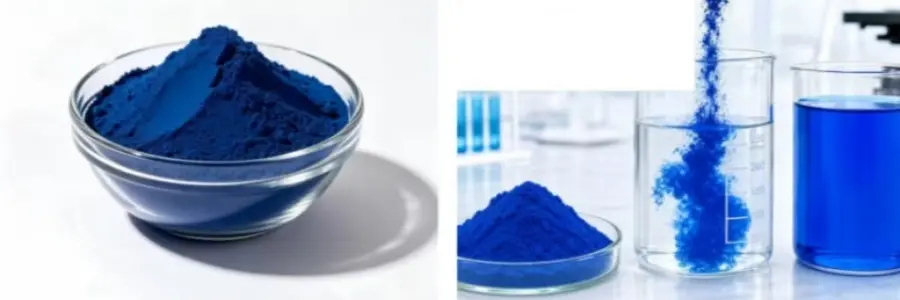
When your formulation team needs a natural blue colorant that performs reliably in cold-process or low-temperature applications, Bulk phycocyanin powder deserves serious attention. Extracted from whole Arthrospira platensis (Spirulina), this biliprotein pigment delivers a brilliant, water-soluble blue without synthetic dyes. However, its thermal sensitivity makes supplier selection and handling protocols the deciding factors between a consistent product and a costly batch failure. This guide walks through everything procurement and R&D teams need to know before placing a bulk order.
Understanding Bulk Phycocyanin Powder and Its Role in Heat-Sensitive Foods
What Phycocyanin Actually Is
Phycocyanin is a light-harvesting protein-pigment complex found in Spirulina. Its active chromophore, phycocyanobilin, absorbs light around 618 nm, producing a vivid sky-blue color. Unlike synthetic colorants such as FD&C Blue No. 1, it carries no neurotoxic or allergenic concerns flagged by consumer advocacy groups. The FDA has accepted phycocyanin (marketed as "Spirulina extract") for use in certain food categories, making it one of the very few approved natural blue colorants in the U.S. market.
Why Thermal Sensitivity Matters
Phycocyanin begins to denature above 60°C. Once the protein backbone unfolds, the chromophore detaches, and the blue hue fades to a dull greenish-gray. For manufacturers running pasteurization or hot-fill lines, this is a real production risk. Cold-process applications — vegan ice cream, cold-pressed juice, no-bake confections, and refrigerated dairy products — represent the natural fit for this pigment. R&D teams working in these categories can achieve consistent color without thermal workarounds.
Functional Benefits Beyond Color
Beyond aesthetics, phycocyanobilin has documented antioxidant activity. Research published in the Journal of Agricultural and Food Chemistry confirms phycocyanin's ability to scavenge reactive oxygen species. This dual role — natural colorant plus functional ingredient — supports clean-label positioning and gives marketing teams an added claim. For supplement brands, phycocyanin also supports hematopoietic function, which is relevant to sports nutrition and recovery blends.
Key Criteria for Choosing the Right Bulk Phycocyanin Powder Supplier
Certifications and Compliance Documents
When sourcing Bulk phycocyanin powder for the U.S. market or international distribution, buyers should verify the applicable regulatory requirements for their intended product and destination market. FDA registration, where required, should not be confused with product approval, and standards such as ISO 22000 and HACCP relate to food-safety management rather than universal product approval. For bulk phycocyanin powder from Yanxi Herbs, procurement and quality teams should request current, relevant documentation and confirm which products, facilities, and activities each certificate covers. Kosher and Halal certificates may also be important when serving customers with specific dietary requirements, but buyers should verify that the certifications apply to the exact ingredient being purchased. Reviewing the documentation for bulk phycocyanin powder before requesting samples or placing a bulk order can help quality managers prepare supplier assessments and regulatory records more efficiently. Buyers should check certificate validity dates, issuing organizations, certification scopes, and product specifications, and request verifiable copies rather than relying solely on promotional claims. If a supplier cannot provide sufficient documentation for bulk phycocyanin powder, further verification may be necessary before proceeding. A thorough review of certificates of analysis, traceability records, and applicable food-safety documents can help businesses evaluate supplier reliability. By following these steps, companies can source bulk phycocyanin powder with a clearer understanding of its documented quality and compliance status and make more informed purchasing decisions.
Purity Standards and Grade Options
If you look at the phycocyanin's E number at 618 nm, you can tell how pure it is. The E number will go up if you add more color per gram. This will change how much you use and how much it costs per batch. Yanxi Herbs has different grades. The levels are E3, E6, E18, and E25. They can then choose the level of cleanliness that best fits their needs and the price they want to pay. Like, E25 grade gives off about 38% more color strength than E18. This means that you only need a little more to get the same taste.
Pricing, MOQ, and Sample Policy
When managers buy phycocyanin, they should look at more than just the price per unit. The total cost of ownership should also be looked at. This includes the yield per gram, the time it takes to do the experiment again, and the costs of getting samples. Yanxi Herbs lets people get free trials. After payment is confirmed, they are sent out one to three business days later. The test boxes range from 1 kg per bag to 25 kg per drum for mass production. This tiered system lets you try things out before you buy the full amount.
Bulk Phycocyanin Powder vs. Alternative Natural Colorants
Phycocyanin vs. Whole Spirulina Powder
There is less color per gram, and the whole Spirulina powder gives it a blue-green color. It tastes like the ocean, though. On the other hand, phycocyanin extract is made from the whole herb. It is cleaned by spinning it in a centrifuge and taking out the water. Chemists are not used in this process. Along with water, it turns into a fine blue powder that flows through an 80-mesh sieve without tasting fishy. This change in taste is important for drinks like blue tea or plant-based ones.
Organic vs. Conventional Phycocyanin
When finished goods use organic phycocyanin and have "certified organic" labels, people who care about their health will be interested. These goods cost more. There should be less than 1,000 cfu/g of TPC and less than 100 cfu/g of yeast and mold. Less than 10 parts per million of heavy metals should be present. As long as the phycocyanin is food-grade and not organic, it works well for most business-to-business uses where a clean name is more important than organic approval. Which route is worth the extra money will depend on what the customer wants from the label.
How It Compares to Other Natural Blues
When evaluating natural blue colourants, food manufacturers often compare butterfly pea flower extract, gardenia blue, and Bulk phycocyanin powder to determine which ingredient best suits their formulations. Butterfly pea flower extract can shift from blue toward purple as acidity increases, with the exact colour response depending on the formulation and extraction method. Gardenia blue is produced through a different processing method, so buyers should assess its manufacturing requirements, regulatory status, and suitability for their target markets. Meanwhile, bulk phycocyanin powder offers a blue pigment derived from blue-green algae and can be considered for applications such as beverages and dairy products, provided the formulation conditions are suitable. Since phycocyanin's colour stability can be affected by acidity, heat, light, and processing conditions, manufacturers should test bulk phycocyanin powder in the actual product rather than assume it will remain stable across a fixed pH range. For cold drinks and dairy formulations, R&D teams should evaluate colour retention, ingredient compatibility, storage stability, and applicable food regulations before selecting bulk phycocyanin powder. Procurement teams should also review product specifications and request samples for application testing. By comparing these factors, manufacturers can determine whether bulk phycocyanin powder provides the colour performance and formulation compatibility needed for their products. Choosing the right natural blue colourant requires evidence from product testing and market-specific regulatory checks, rather than relying on general claims that one ingredient is universally the safest or most suitable option.
Practical Guidelines for Using Phycocyanin in Heat-Sensitive Formulations
Handling and Storage Best Practices
It breaks down just as quickly in water and UV light as it does when it gets hot. Drums with lids should be kept below 20°C in a dark, dry place for 24 months. After opening the package, put it back together right away and keep it out of direct sunlight for as long as you can. When you're in a production setting, only give out what each batch needs. Keep the rest of the stock in a safe place. The wetness level should be at or below 5% on the Certificate of Analysis. This is because 5% of the weight is lost when it dries.
Dosing and Mixing Protocols
After any heat treatment steps are done, add the phycocyanin. Do not add the powder to the main batch until you have mixed it with a little water. The powder will dissolve fully in water. Add to ice cream and other frozen treats while they are still being mixed, right before they freeze. It depends on the E-grade you choose and how bright of a color you want. This is what R&D teams should use to start: E6 for light pink, E18 or E25 for deep blue.
Safety and Regulatory Considerations
A lot of people think that phycocyanin is safe as long as it is used in the right ways. Spirulina powder can be used to color some foods, according to the FDA. Each Certificate of Analysis should be checked for heavy metals (≤10 ppm) and bacteria (TPC <1,000 cfu/g). The people who are in charge of quality should also ask for labels with allergens and SDS information. As of now, phycocyanin is not known to cause allergies. However, Spirulina may not work well with medicines that lower the immune system. When health supplement labels are made, this is something that should be taken into account.
How to Procure Bulk Phycocyanin Powder: Procurement Strategies for B2B Clients
Identifying and Vetting Verified Suppliers
When sourcing bulk phycocyanin powder, procurement teams should begin by requesting essential quality and compliance documents, including a certificate of analysis (COA), relevant third-party laboratory test reports, product specifications, and applicable certifications. A reliable supplier of bulk phycocyanin powder should be able to explain which documents are available and provide records that correspond to the specific product and production batch. Where possible, buyers should verify certificate numbers, issuing laboratories, and certification validity directly with the relevant organizations. Trade shows such as SupplySide West and IFT FIRST can also provide opportunities to meet ingredient suppliers, discuss manufacturing capabilities, and compare product documentation in person. Online B2B platforms such as Alibaba and Global Sources offer additional ways to identify potential bulk phycocyanin powder suppliers, but a company profile or platform listing should not replace independent due diligence. Before placing an order, buyers should check pigment concentration, purity specifications, microbiological results, contaminant limits, traceability records, and consistency between the COA and the actual product. For bulk phycocyanin powder intended for food applications, it is also important to confirm that the ingredient and its intended use comply with the requirements of the destination market. Requesting samples and evaluating them against the supplier's specifications can help R&D and quality teams assess product suitability. By carefully reviewing documentation and verifying supplier claims, businesses can reduce sourcing risks and make more informed purchasing decisions when selecting bulk phycocyanin powder.
Negotiating Contracts and Managing Logistics
Once you find a good provider, you should talk to them about making contracts that spell out delivery times, parameters for batch-to-batch consistency (such as E-value tolerance, moisture limits, and microbial thresholds), and who is responsible for material that doesn't meet requirements. In 1–3 business days, if an order is in stock, Yanxi Herbs will ship it. That way, buying teams that need to get things made quickly won't have to worry as much about wait times. Before you send something, make sure you know the Harmonized System (HS) numbers so that customs officials can handle it quickly. People in the United States who want to send spirulina-based products should make sure they follow the FDA Prior Notice.
Sample Validation Before Full Orders
Make sure the sample is right before moving on. You can get free samples of grade E18 or E25 from Yanxi Herbs. Next, give them the real variables you want to use, like temperature, pH, mixing pressure, and a test of how they will store. The color will stay the same for 4 to 6 weeks if you store the paper the way you want to. It is not possible to make expensive changes to this information after a full buy order has been made. It also gives teams that are in charge of quality a place to start when they want to compare groups.
Conclusion
When used under suitable temperature and pH conditions, bulk phycocyanin powder can provide a natural blue colour option for food and beverage brands seeking alternatives to synthetic colourants. However, its performance depends on several factors, including pigment grade, raw material source, formulation composition, and processing conditions. Before selecting Bulk phycocyanin powder for commercial production, R&D teams should evaluate the required colour intensity, product acidity, and expected storage conditions. Because phycocyanin can be sensitive to heat and changes in pH, following an appropriate cold-addition procedure may help preserve its colour during processing, although the ideal method depends on the specific recipe. Choosing the right grade of bulk phycocyanin powder is equally important, as different specifications may offer different pigment concentrations and application characteristics. Procurement teams should work with a supplier that provides clear technical documentation, batch-specific certificates of analysis, and guidance on recommended handling conditions. Requesting a sample of bulk phycocyanin powder allows manufacturers to test its compatibility with their actual formulation before committing to a larger order. Once the sample meets the required colour, quality, and processing criteria, teams can refine the formulation and establish consistent production procedures. By combining application testing, supplier verification, and controlled processing, businesses can determine whether bulk phycocyanin powder meets their product development and purchasing requirements.
FAQ
Is phycocyanin powder safe for use in food products?
Yes, the FDA allows the addition of phycocyanin, a protein found in algae, to some foods to change the way they look. The stuff that was made correctly meets the rules for microbial contamination (TPC <1,000 cfu/g) and heavy metal levels (≤10 ppm). Before you use the Certificate of Analysis that the seller gives you, you should always look at these things.
How do I verify the purity of a phycocyanin sample?
This number, E1%, is the most important measure of quality. The grade (E3, E6, E18, or E25) should match this number, which should be written on the COA. If A618/A280 is more than 2.5, it means that the protein has been dealt with very well. You can be even more sure when a third-party lab checks it through an approved testing facility.
Can phycocyanin be used in acidic beverages?
It is stable when the pH level is between 5.0 and 7.5. Proteins may settle to the bottom of the glass, and the color may change when the pH goes below 4.0. If the use is acidic, you might want to look into micro-encapsulated forms or change the pH of the formula before adding the color.
What is the difference between E18 and E25 grades?
There is about 38% more color per gram in E25 than in E18. When the grade is higher, the inclusion rate is lower. This has less of an effect on the taste and saves money when used in large amounts. When a dull taste is important, this works great in sweets and drinks.
Partner with Yanxi Herbs for Your Phycocyanin Supply Needs
Since 2010, Yanxi Herbs has sold natural plant-based goods to more than 100 countries. Food, medicines, and beauty items are all made with these ingredients. People can trust the company that sells Bulk Phycocyanin Powder that we run. There are four standard types: E3, E6, E18, and E25. We give away free samples, and your order will be sent out within one to three business days. Our goods are Kosher and Halal, and the FDA has approved them. To get your free sample, email us at info@yanxiherbs.com or go to yanxiherbs.com right now.
References
1. Eriksen, N. T. (2008). Production of phycocyanin — a pigment with applications in biology, biotechnology, foods and medicine. Applied Microbiology and Biotechnology.
2. Romay, C., González, R., Ledón, N., Ramírez, D., & Rimbau, V. (2003). C-phycocyanin: A biliprotein with antioxidant, anti-inflammatory and neuroprotective effects. Current Protein & Peptide Science.
3. Chaiklahan, R., Chirasuwan, N., & Bunnag, B. (2012). Stability of phycocyanin extracted from Spirulina sp.: Influence of temperature, pH and preservatives. Process Biochemistry.
4. U.S. Food and Drug Administration. (2023). Color Additives Permitted for Use in Human Food: Spirulina Extract. Code of Federal Regulations, Title 21.
5. Fernández-Rojas, B., Hernández-Juárez, J., & Pedraza-Chaverri, J. (2014). Nutraceutical properties of phycocyanin. Journal of Functional Foods.
6. Martínez, J. M., Luengo, E., Saldaña, G., Álvarez, I., & Raso, J. (2017). C-phycocyanin extraction assisted by pulsed electric field from Spirulina platensis. Food Research International.

Send Inquiry
Related Industry Knowledge
- What Manufacturing Applications Can Bulk Rose Powder Serve in Food and Personal Care Products?
- Can Bulk Rose Powder Add Botanical Appeal to Tea Blends and Natural Cosmetic Formulations?
- Instant Green Tea Powder for Ready-to-Mix Beverages, Tea Blends, and Functional Drink Manufacturing
- What Results Can Hydrolyzed Keratin Powder Deliver in Advanced Hair Care Product Development?
_1787033972542.webp)