
How Can Hyaluronic Acid Powder Bulk Improve Formulation Stability for Professional Skincare Brands?
Sep 23, 2026
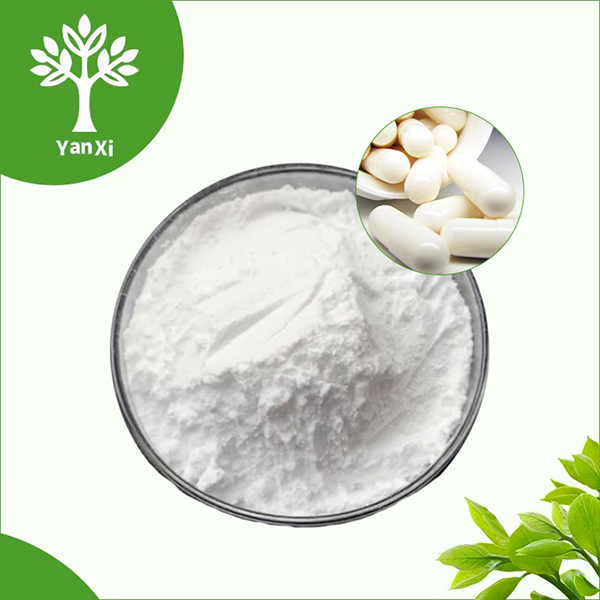
One of the hardest things about making professional skin care products is keeping the active ingredients steady over time, when the temperature changes, and when the formulations are complicated. Hyaluronic Acid Powder Bulk directly solves this problem. This is a high-purity sodium hyaluronate that is made by microbes fermenting sugars. It keeps its stiffness, controls the release of moisture, and fights phase separation better than liquid options. For skincare brands that make a lot of products, getting it in bulk powder form means better consistency from batch to batch, lower shipping costs, and the freedom to adjust the molecular weight to meet specific product goals.
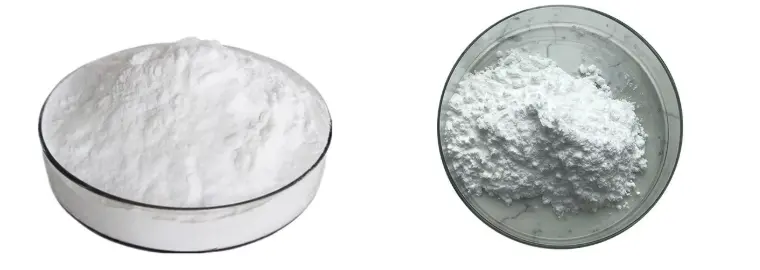
Understanding Hyaluronic Acid Powder Bulk and Its Role in Skincare Formulations
Sodium hyaluronate powder is a biopolymer whose chemical structure affects how well a skincare product works over time. It is more than just a humectant.
What Sets the Powder Form Apart from Liquid Formats?
Serums and capsules have stabilizers and water activity that need to be thought about when they are shipped, but Hyaluronic Acid Powder Bulk doesn't have to. This means that the people who are making the formula start with a pure, concentrated base that doesn't have any binders left over from the raw material. Because the powder is dry, it also makes raw materials last longer—up to 24 to 36 months—if they are kept properly (2°C to 25°C, tightly sealed).
Molecular Weight and Functional Differentiation
What this ingredient does in a recipe is based on its molecular weight (MW). Low MW grades (3kDa–100kDa) go deeper into the dermal layer and help reduce inflammation. High MW grades (1.0MDa–3.0MDa) make a film that lets air pass over the skin's surface. This film keeps moisture in and improves the texture. They can get direct access to this MW spectrum when they buy bulk powder, which is something that most ready-to-use forms can't do.
Why Bulk Procurement Supports Formulation Consistency?
Consistent material quality is more important at the corporate scale than unit cost alone. If you buy Hyaluronic Acid Powder Bulk from a reputable seller, it will come with test results that prove it contains at least 95.0% Sodium Hyaluronate and 44.0% Glucuronic Acid. You can compare these numbers to the standards set by the European Pharmacopeia (Ph. Eur.). This gives your quality team a good way to check the product before it goes into the mixing tank.
Challenges in Skincare Formulation Stability and How Sodium Hyaluronate Powder Addresses Them
Skincare products rarely fail randomly when they don't stay stable. They happen in known ways, like oxidation, phase separation, and microbial growth, and each one is caused by something at the formulation level.
Hygroscopic Properties That Stabilize the Product Matrix
A molecular benefit of high-purity sodium hyaluronate powder is that it can absorb water. It links and holds water in the formulation matrix, which lowers the activity of loose water. Lower free water activity directly slows oxidative processes and bacterial growth, which are two of the main reasons why products break down quickly. A study in the International Journal of Pharmaceutics shows that glycosaminoglycans, such as hyaluronic acid, make fluid gel systems less watery.
Viscosity Maintenance Across Formulation Phases
When emulsifiers and thickeners don't work well with active ingredients when they are heated or strained mechanically or thermally, phase separation and viscosity loss can happen. When mixed properly, Hyaluronic Acid Powder Bulk helps make a solution more stable in terms of its rheology. Its viscous action in solution creates a network that doesn't break down mechanically when it's mixed or filled. This is very helpful for companies that make a lot of serums, gel creams, and sheet mask essences.
pH Tolerance and Compatibility with Common Actives
Sodium hyaluronate keeps its structure stable between 4.0 and 10.0 pH, which is the pH range that most makeup products can work in. It works with common actives like peptides, niacinamide, and vitamin C derivatives. Formulating below pH 4.0 or mixing it with a lot of cationic ingredients can be very dangerous because they can break up the polymer chain and make the substance less viscous over time.
Selecting the Right Hyaluronic Acid Powder Bulk for Formulation Stability
Not every kind of sodium hyaluronate powder works the same. At this point, decisions about what to buy have a direct effect on what happens in the mixing vessel and on the store shelf.
Grade Classification and Certification Standards
Skin care companies use sodium hyaluronate that is made for cosmetics because it meets their standards. Pharmaceutical-grade material, on the other hand, has to pass stricter pharmacopeial standard testing, which includes limits of less than 0.05 IU/mg of bacterial endotoxin. Skin care brands that sell in the US, EU, and Asia-Pacific can be more sure they follow the rules during the import, storage, and selling processes if they work with a service that is ISO 22000, HACCP, Kosher, or Halal approved.
Evaluating Supplier Reliability and MOQ Terms
As important as good ingredients are, a steady supply has to be there too. When you look at them, ask the Hyaluronic Acid Powder Bulk provider for batch test results, intrinsic viscosity (IV) data, and protein impurity figures (<0.1%). Find out how much of an order you need to place, how long you'll have to wait, and if the seller has items in a nearby location. For business-to-business buyers, suppliers with warehouses in the US or Europe can speed up delivery times and make the customs process run more smoothly.
Private Label and Custom Specification Options
For brands with their own unique recipes, they may need certain MW ranges, particle sizes, or co-processing options. Someone can help you build your product over time instead of just making one-time purchases if you ask them if they can do custom specification runs as well as standard stock grades.
Best Practices for Incorporating Sodium Hyaluronate Powder into Professional Skincare Formulations
Any Hyaluronic Acid Powder Bulk, no matter how good it is, might not work as well as it should if there are issues with mixing that make the end product less stable.
Dissolution Technique to Prevent Clumping
Sodium hyaluronate powder soaks up a lot of water, so adding Hyaluronic Acid Powder Bulk directly can cause clumps or "fish-eyes." First, mix the powder with a substance that can mix with water. Glycerin or propylene glycol both work well for this. Then, use high-shear mixing to blend it into the water phase. A lot of recipe batch failures can be avoided with this one step.
Dosage Calibration for Target Viscosity
Hyaluronic acid is usually used in skin care at amounts between 0.1% and 2.0% w/w, based on the MW grade and the texture that is wanted. High-MW grades get thicker more quickly and at lower ratios, while oligo-HA grades stay water-thin even when they are mixed with more of the other grade. Rheological testing should be done at both 25°C and 40°C to confirm the target viscosity and to mimic how the material will be stored and shipped in real life.
Microbial Safety and Preservation Compatibility
Since the powder doesn't have any preservatives in it when it's first made, the general formula's protection system must make sure that microbes are safe. After adding all the actives, like sodium hyaluronate, challenge testing (ISO 11930) should be done to make sure the preservative system is still working.
Procurement Insights: Sourcing Hyaluronic Acid Powder Bulk Efficiently for B2B Buyers
According to Grand View Research (2023), the global hyaluronic acid market was worth about USD 10.6 billion in 2022 and will continue to grow at a rate of 7.5% per year until 2030. This increase is due to higher demand from the pharmaceutical, nutraceutical, and cosmetics industries, all of which are competing for steady supplies from a small group of qualified manufacturers.
Evaluating Global Supplier Capabilities
When considering Hyaluronic Acid Powder Bulk sellers, don't just look at how much they charge per kilogram. Check out the supplier's fermentation scale, documents for their quality system, and history of exporting. Procurement teams are less likely to have problems with suppliers who have been exporting to regulated markets for a long time, especially US FDA-registered facilities.
Logistics and Customs Compliance
To properly classify sodium hyaluronate powder (HS Code 3913.90) in customs, you need to include correct paperwork like a Certificate of Analysis, an MSDS, and a declaration of the place of origin. Suppliers who offer export-ready paperwork packages cut down on the time needed to get things ready at customs and lower the chance that the shipment will be late.
Building a Long-Term Supply Partnership
When you buy something one-time, you rarely get consistent quality. Formulation consistency across product runs is protected by long-term supply agreements that spell out batch requirements, delivery schedules, and quality escalation procedures. Spending time at the beginning to qualify suppliers pays off in terms of production efficiency.
Conclusion
When professional skincare brands buy sodium hyaluronate in bulk powder form, they have direct control over three things: how well the formula stays stable, how much moisture it retains, and how long it lasts. These are the three things that determine if a product works as intended throughout its entire shelf life. The steps that separate stable, scalable formulations from batches that fail quality review are choosing the right MW grade, following the right dissolution processes, and getting supplies from a certified seller with experience in export. Getting Hyaluronic Acid Powder Bulk as the right raw material is the first step for brands that care about being consistent and following the rules.
FAQ
How does molecular weight affect formulation stability?
Higher MW sodium hyaluronate forms a protective polymer network that slows viscosity loss and resists thermal stress. Lower MW grades are thinner in solution but penetrate more effectively. Choosing the right MW for your formulation type is essential to stability outcomes.
Can hyaluronic acid powder bulk be used in anhydrous formulations?
No. Sodium hyaluronate requires water to hydrate and function. It is not suitable for anhydrous systems like pure oil serums or wax-based balms. It performs best in water-continuous formulations.
What causes viscosity loss in finished products containing this ingredient?
Viscosity loss typically results from extreme pH (below 4.0 or above 10.0), high electrolyte concentrations, or thermal degradation during manufacturing. Rheological stress testing during development identifies these risks early.
Is fermentation-derived sodium hyaluronate vegan and halal compliant?
Yes. Premium-grade hyaluronic acid powder bulk produced through microbial fermentation is vegan, halal, and kosher-compliant, with no animal-derived inputs in the process.
What certifications should I request from a supplier?
Request ISO 22000, HACCP, Kosher, and Halal certifications alongside batch-specific Certificates of Analysis, IV test data, and heavy metal screening results.
Source Your Hyaluronic Acid Powder Bulk with Yanxi Herbs
Since 2010, Yanxi Herbs has sent certified natural cosmetic ingredients to companies around the world that make skin care products. These ingredients have been sent to more than 100 countries. Our Hyaluronic Acid Powder Bulk is made in a way that is ISO 22000- and HACCP-certified, and it comes in a number of different MW grades to help you reach your formulation goals. We are a reliable Hyaluronic Acid Powder Bulk manufacturer that can meet your specific needs. Our paperwork is ready for export, and we store products locally in the US and Europe to speed up delivery. To get samples or talk about long-term supply terms, email our team at info@yanxiherbs.com or visit yanxiherbs.com.
References
1. Grand View Research. Hyaluronic Acid Market Size, Share & Trends Analysis Report. 2023.
2. Necas, J., et al. "Hyaluronic Acid (Hyaluronan): A Review." Veterinarni Medicina, 2008.
3. Papakonstantinou, E., Roth, M., & Karakiulakis, G. "Hyaluronic Acid: A Key Molecule in Skin Aging." Dermato-Endocrinology, 2012.
4. Sze, J. H., Brownlie, J. C., & Love, C. A. "Biotechnological Production of Hyaluronic Acid: A Mini Review." 3 Biotech, 2016.
5. European Pharmacopoeia (Ph. Eur.), Monograph on Sodium Hyaluronate. European Directorate for the Quality of Medicines & HealthCare (EDQM), 10th Edition, 2019.
6. Balakrishnan, B., & Jayakrishnan, A. "Self-Cross-Linking Biopolymers as Injectable in Situ Forming Biodegradable Scaffolds." Biomaterials, 2005.

Send Inquiry
Related Industry Knowledge
- How Does Freeze-dried Dragon Fruit Powder Improve Natural Color In Food Applications?
- How Can Purple Yam Powder Enhance Color and Texture in Food Product Development?
- Chlorophyll Powder Offers Stable Plant-Based Coloring Options For Food And Beverage Manufacturers
- Organic Chaga Mushroom Extract Powder For Immune Boosting Latte
_1787033972542.webp)