
Hyaluronic Acid Powder Bulk for Cosmetic Formulations and Personal Care Manufacturing
Nov 17, 2026
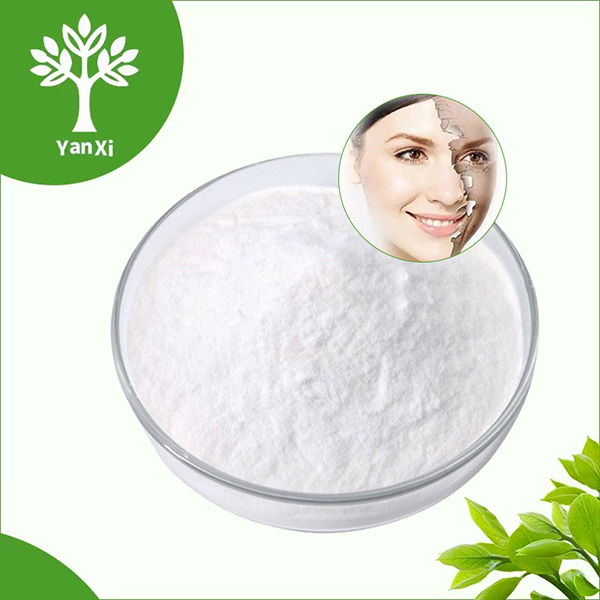
Hyaluronic Acid Powder Bulk is a concentrated ingredient that cosmetic and personal care companies can use to make serums, creams, masks, lotions, and haircare products. It binds water and can be dosed precisely. Powder doesn't need to be mixed with water before shipping, so it saves room and weight on the truck. Users can also choose their own focus and colour. Before you approve a supplier, you should look at their molecular weight, grade, purity, paperwork, packaging, minimum order quantity, lead time, and technical support. Here, I'll talk about formulation, quality control, pricing, logistics, and choosing a supplier so that your team can write an enquiry that is clear and complete.
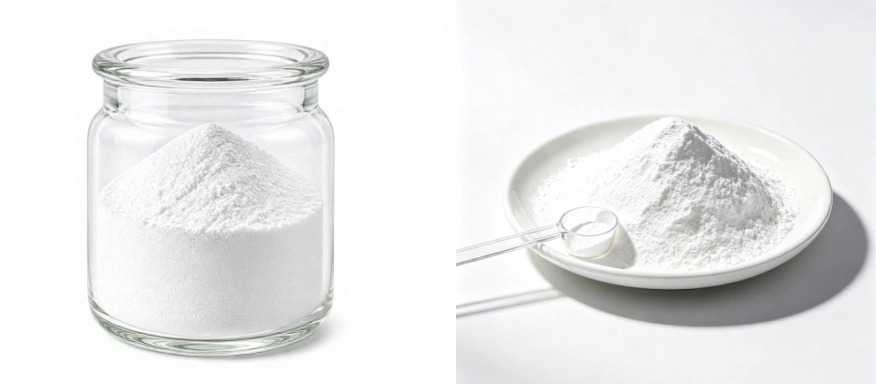
What Is Hyaluronic Acid Powder Bulk and Why Does It Suit Cosmetic Manufacturing?
Definition and Naming
Hyaluronic acid is a type of glycosaminoglycan that is made up of repeating units of N-acetylglucosamine and D-glucuronic acid. It is generally sold by cosmetic companies as sodium hyaluronate, which is a salt. It is easier to work with as a dry powder. Microbial fermentation is a common way for industrial materials to be made. Kogan and his colleagues wrote about this process in Biotechnology Letters in 2007. Labels are different depending on the grade, molecular weight, salt form, and regulatory status, so I tell buyers to read the whole thing before they approve it. In 2009, a group called the Cosmetic Ingredient Review looked at hyaluronic acid and its sodium and potassium forms and decided that they were safe to use in makeup.
Powder Versus Liquid Formats
You have to pay to ship and store a ready-to-use solution, which is mostly water. Powder moves more useful stuff per kilogram of freight, and your team can choose the molecular weight and quantity for each product. When one plant makes haircare products, masks, serums, creams, lotions, and hair masks with different texture goals, that control is important. In some situations, like when companies don't have the right tools for dispersion or when formulas need to be quickly added to a process that has already been tested, liquid still wins. Instead of just looking at the price per kilogram, I think you should compare the total cost based on batch size, mixing equipment, and storage space.
Product Specifications at a Glance
Here are the specifications of our Hyaluronic Acid Powder Bulk, so your quality team can check them against internal limits.
| Item | Specification |
|---|---|
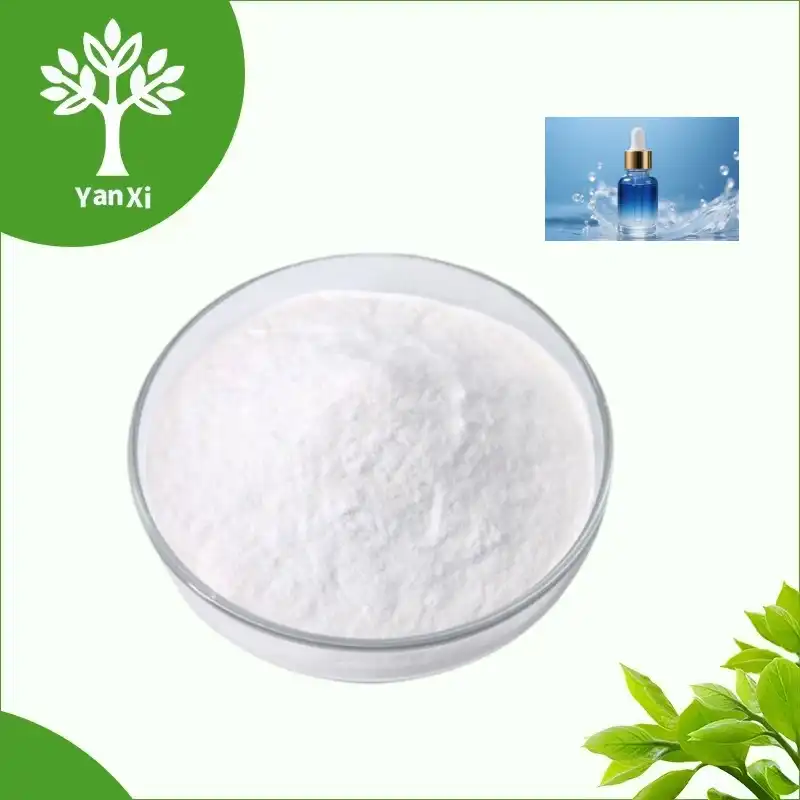
| Appearance | White to off-white fine powder |
| Specification | 99% |
| Molecular weight | Multi-molecular weight, 1 kDa to 2 MDa |
| Particle size | 100% pass through 80 mesh |
| Loss on drying | ≤5% |
| Ash content | ≤5% |
| Heavy metals | ≤10 ppm |
| Total plate count | <1000 cfu/g |
| Yeast and mold | <100 cfu/g |
| Packaging | 1 kg/bag, 5 kg/box, 25 kg/drum |
| Shelf life | 24 months, sealed and stored properly |
| Certificates | ISO, HACCP, FDA Registration, Kosher, Halal |
| Sample, stock, delivery | Free sample; in stock; within 1–3 working days after payment |
These figures cover purity, moisture, particle size, and microbial limits, the points most buyers raise first. The multi-molecular weight range suits large-batch serums and masks.
Choosing Molecular Weight, Grade, and Purity
Matching Molecular Weight to Product Format
The way Hyaluronic Acid Powder Bulk works in a formula depends on its molecular weight. Higher grades tend to make a film on the surface and make the viscosity higher, while lower grades work best for products that are light and fluid. We looked at how different molecular weights of hyaluronic acid affect the results of skin creams made by Pavlicic and others in the Journal of Drugs in Dermatology in 2011. It's not clear what "high" and "low" mean in the industry as a whole, so I ask suppliers for a range of numbers, the test method, and viscosity data. Our powder has a range of molecular weights from 1 kDa to 2 MDa, which lets our R&D teams mix grades to make a product with layered hydration.
Grade and Purity Parameters
The grade is based on where the item will be sold. There are different rules, paperwork, and specs for cosmetic, food, and pharmaceutical grades. Make sure you choose the right grade for the market and recipe you're going for. Assay, molecular weight distribution, moisture, ash, pH, viscosity, microbial limits, and heavy metals are some of the most important parameters. Also, find out about proteins, endotoxins, and residual solvents for uses with a higher risk. Ashes should be less than 5%, powder should be 99%, and heavy metals should be less than 10 parts per million. Numbers will always be more important than labels that sound better, so read the certificate of analysis line by line.
Verifying Claims and Certifications
Natural, vegan, kosher, or halal are words that need to be backed up. Ask to see the certificate that backs up each claim and make sure it covers the site and product you want to buy. Yanxi Herbs is certified by ISO 22000, HACCP, SGS, Kosher, and Halal. This product is also certified by ISO, HACCP, FDA Registration, Kosher, and Halal. A facility that is registered with the FDA can be found. This does not mean that the FDA approves of a cosmetic ingredient, since the FDA does not approve cosmetic ingredients before they are sold, except for colour additives. Ask for traceability down to the lot level and an analysis certificate with every shipment so that your quality team can connect each finished batch to its raw materials.
Using Hyaluronic Acid Powder in Cosmetic Formulations
Dispersion and Hydration
What makes a lot smooth is how well it spreads out. It is better to add the powder slowly to the vortex of a compatible water phase while mixing it carefully. Do not dump it all into the batch at once. Putting glycerine or propylene glycol on the powder first helps keep the particles apart so that water can reach all of them evenly. Then wait for the mixture to fully dry before adding the other steps. Keep the mixing speed low to avoid trapping air. Our powder passes 100% through an 80-mesh sieve and dissolves without agglomeration, but a sound dispersion method still protects large batches.
pH, Temperature, and Compatibility
Hyaluronic acid solutions change based on what's around them. Extreme pH (below about 4 or above about 10), heat stress during emulsification, and high levels of electrolytes or cationic ingredients can lower viscosity over time. Water quality, preservative choice, and interactions with polymers, surfactants, botanicals, and other actives also matter. I suggest adding the powder at a cool stage when possible and trying texture, clarity, and look across your planned shelf life. Run stability trials at your real pH and storage temperatures instead of depending on general advice. Early lab results then carry over to pilot and production scale with fewer surprises.
Fixing Common Formulation Problems
It's easy to fix most problems. If the powder clumps, it means it was added too quickly. Slow down the process or wet the powder first. Excess viscosity points to too high a dose or too high a molecular weight, so lower the level or switch grades. Unfiltered water or particles that haven't been dissolved can make the water less clear, so check the quality of the water and give it more time to dissolve. If the texture of different batches isn't the same, the lot viscosity, mixing time, and temperature records need to be looked at. First fix each problem in the lab, then test the fix on a small group of people, and only then move to full production.
Selecting a Supplier and Understanding Price, MOQ, and Packaging
Evaluating a Bulk Supplier
Price for Hyaluronic Acid Powder Bulk doesn't tell you everything you need to know about a provider. Check the company's technical support, experience, capacity, batch consistency, quality systems, ability to export, and ability to make things. Ask for a technical data sheet, an SDS, an analysis certificate, a standard, INCI details, licenses, and advice on how to store the product. Check to see if the business makes, sells, or trades, and then back up your answer with samples, audits, and references. Since 2010, Yanxi Herbs has been researching, making, and exporting natural ingredients. They ship to more than 100 countries and regions and keep warehouses in both Europe and the US to speed up delivery for American customers.
What Drives Hyaluronic Acid Powder Bulk Pricing?
Hyaluronic Acid Powder Bulk prices depend on a number of things, such as molecular weight, grade, purity, certification, order amount, packaging, tests, and shipping terms. Quotes change based on how the market is doing. Instead of just looking at the price per kilogram, compare offers that have the same specifications and figure out the total landed cost, which includes freight, duties, insurance, and testing. For each seller, find out how much samples, pilots, and business items cost, how to pay, how long quotes are good for, and how long the lead time is. Your purchasing manager can plan for the year's costs with a clear quote, and there won't be any surprises after the first order.
Packaging, MOQ, and Shelf Life
The powder comes in 1 kg bags, 5 kg boxes, and 25 kg drums, so you can choose the right size for a test run or a full production run. No matter what you buy, make sure it comes in packaging that won't get wet, has clear labels, and has lot numbers. These will keep the powder safe and help you find it if you need to. If you close it up and keep it right, it will last for 24 months. Consider yearly demand, storing room, cash flow, and shelf life when setting your minimum order number. If you want to limit inventory, you might also want to think about scheduled supplies. The item is in stock, and it will be sent out within one to three business days of receiving payment.
Procurement Workflow, Shipping, and Storage
A Practical Buying Workflow
A clear plan saves weeks of work. First, list the use, INCI name, grade, molecular weight, use level, certifications needed, annual demand, and launch date. Second, get samples and technical documents for tests in the lab and to make sure they work together. Third, look at the test results, papers, MOQ, wait time, packing, shipping, payment terms, and terms of payment. Once permission is given, agree on the standard, limits, change control rules, and a way to handle things that don't meet the requirements. For orders that will be placed again, share forecasts, keep safety stock, and regularly check on the performance of your suppliers. You can try our products for free before you decide to place a large order.
Shipping, Storage, and Handling
As directed by the seller, keep the powder sealed in a cool, dry, well-ventilated place away from water, direct sunlight, and heat. Make sure you know about the export papers, Incoterms, insurance, freight method, and import duties before you ship. When it gets there, check the packaging, write down the lot number, and look at the condition upon arrival. Clean and dry the picks and other tools you use, only open containers when you need to, and then close them back up tightly, and switch the stock from going in to going out. Follow the SDS for how to handle and wear protective gear. These habits keep the powder's level of moisture safe and make it possible to track each lot.
Common Purchasing Mistakes
Different purchases have the same mistakes. It's possible for grade, documents, batch consistency, and technical service to be different if you choose the cheapest option. Textures don't match up when you assume that molecular weight labels follow the same standard. If you approve a material without regulatory papers, exact molecular weight data, processing instructions, or a test run, you will have to do more work. Skipping a capacity review is also a risk, so find out about the supplier's quality systems, forecast handling, change notification, and how they handle goods that don't meet standards. Powder isn't always the best choice either. If you don't have any tools for dispersion, a proven liquid method might work better.
Conclusion
Hyaluronic Acid Powder Bulk is good for cosmetic and personal care companies that want to be in charge of the concentration, texture, and freight weight. This article talked about how sodium hyaluronate is the most common form used in business, how molecular weight should be given as a range of numbers instead of a single number, and how grade, assay, moisture, ash, heavy metals, and microbial limits should be included in every specification review. A careful spread, watching out for pH, heat, and electrolytes, and doing a pilot test can stop most formulation issues. When it comes to business, the real price is determined by quotes with the same specifications, landed cost, packaging, MOQ, and shelf life. A written process, dry storage, and clear certificates that can be tracked all help to keep quality high even when orders are placed again and again. It is still possible for plants that don't have dispersion equipment to use liquid systems.
FAQ
What is the difference between hyaluronic acid and sodium hyaluronate?
The main molecule is hyaluronic acid. Its sodium salt is sodium hyaluronate, which is what most cosmetics stores sell. Before you sign off on anything, make sure that it has the INCI name and specifications on it.
Which molecular weight should I choose?
It should fit the format of your product and the sensory goal you want to reach. Higher weights make the formula more filmy and thick, while lower weights work better for fluid formulas. Ask for ranges of numbers and try examples in your own method.
Which documents should I request from a supplier?
You should ask for an SDS, a technical data sheet, an analysis certificate, a standard, INCI details, and certificates. Send us your application, grade, quantity, and where you want the goods to go, and we'll suggest a specification that fits.
Do you offer samples?
Yes. You can get free samples to let your R&D team check the stability and dispersion before placing an order.
Request a Hyaluronic Acid Powder Bulk Quotation
Yanxi Herbs works as a Hyaluronic Acid Powder Bulk supplier for cosmetic and personal care brands, with 99% specification, free samples, stock on hand, and local warehousing in the US. Send your application, molecular weight, quantity, and destination to info@yanxiherbs.com, and our team will reply with a specification sheet, sample, and project-based quotation. Visit yanxiherbs.com for more details.
References
1. International Journal of Toxicology, 2009 – Final Report on the Safety Assessment of Hyaluronic Acid, Potassium Hyaluronate, and Sodium Hyaluronate.
2. Dermato-Endocrinology, 2012 – Hyaluronic Acid: A Key Molecule in Skin Aging.
3. Biotechnology Letters, 2007 – Hyaluronic Acid: A Natural Biopolymer with a Broad Range of Biomedical and Industrial Applications.
4. Microbial Cell Factories, 2011 – Microbial Production of Hyaluronic Acid: Current State, Challenges, and Perspectives.
5. Journal of Drugs in Dermatology, 2011 – Efficacy of Cream-Based Novel Formulations of Hyaluronic Acid of Different Molecular Weights in Anti-Wrinkle Treatment.
6. Polymers, 2018 – Hyaluronic Acid in the Third Millennium.

Send Inquiry
Related Industry Knowledge
- What Makes Butterfly Pea Flower Powder Suitable for Natural Color Applications?
- High Purity Butterfly Pea Flower Extract Powder For Functional Beverage Production
- What Factors Matter When Purchasing Astaxanthin Powder Bulk For Large-Scale Production?
- How Can Beet Powder Be Used In Natural Color And Sports Nutrition Product Development?