
Polyglutamic Acid Powder Helps Skincare Brands Create Long-Lasting Hydration Solutions for Sensitive Skin Products
Sep 25, 2026
Sensitive skin formulation is one of the most demanding challenges in the personal care industry today. Polyglutamic acid powder (PGA) has emerged as a scientifically validated ingredient that addresses this challenge directly — offering moisture retention up to 5,000 times its own weight, outperforming hyaluronic acid in sustained hydration, and demonstrating strong biocompatibility for reactive or sensitive skin types. For R&D managers, purchasing teams, and quality professionals sourcing next-generation hydration ingredients, understanding PGA's real capabilities is a practical priority.
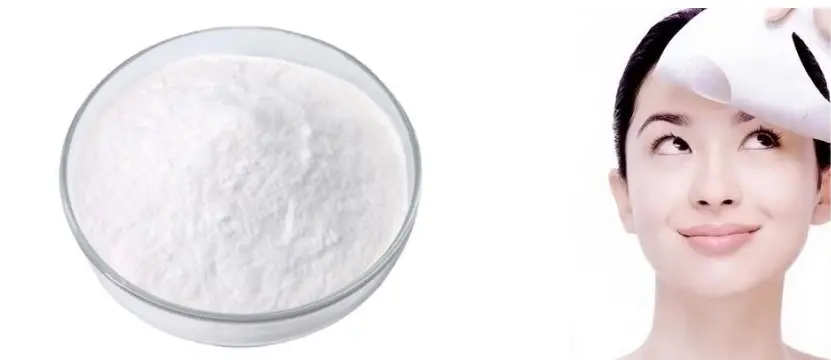
Understanding Polyglutamic Acid Powder and Its Role in Skincare
What Is PGA and How Is It Made?
Polyglutamic Acid Powder is a biopolymer that dissolves in water. It is made by fermenting Bacillus subtilis on plant-based substrates like non-GMO corn or soy. There are amide links between the glutamic acid groups that make it up. PGA is different from synthetic polymers because it breaks down completely into glutamic acid, is biodegradable, and doesn't cause immune reactions. This makes it a truly clean-label cosmetic ingredient. To meet manufacturing standards, cosmetic-grade PGA needs to be at least 92% pure, have a controlled smell, and be whitened.
The Film-Forming Hydration Mechanism
One unique thing about PGA is that it can create a hydrogel film on the skin's surface that is both permeable and non-sticky. This film stops transepidermal water loss (TEWL) even in places with low humidity by creating a shield that locks in moisture. Importantly, PGA stops hyaluronidase from working, which is the enzyme that breaks down the skin's natural hyaluronic acid. This keeps the skin's wetness levels stable. It's different from humectants that only do one thing because it does two things.
Grade Selection and Safety Profile
PGA comes in two main molecular weight ranges: high molecular weight (>700 kDa) for making a protective film and forming a surface film, and low molecular weight (<100 kDa) for going deeper into the skin and helping with anti-aging. Both types meet the quality requirements of ECOCERT and COSMOS, so they can be used in approved organic products. PGA is better than traditional synthetic film formers for applications where sensitive skin is needed because it doesn't irritate or cause acne.
Polyglutamic Acid Powder vs. Other Popular Hydration Ingredients
PGA vs. Hyaluronic Acid
Hyaluronic acid is well known for its ability to hold water, but it doesn't protect itself from being broken down by enzymes in the skin. PGA actively stops hyaluronidase from working, which means it helps the HA that is already in the skin last longer while also moisturizing it. Putting the two parts together makes them work better together instead of making them do the same thing twice. There is a clear benefit for brands that want to highlight a product's clinical performance in this pairing.
PGA vs. Collagen and Sodium Hyaluronate
Collagen powder helps keep things together, but it doesn't keep much water at the surface level. The salt form of HA, called sodium hyaluronate, can get deeper into the skin more easily than Polyglutamic Acid Powder, but it still can't form a film that lasts as long. In tests of formulation stability, PGA keeps its viscosity and performance across a pH range of 4.0 to 12.0, which is a wider range than most other humectants. For procurement teams, this stability means fewer formulation failures and more consistent results from batch to batch.
Procurement Considerations: Cost and Compliance
When looking at the supply chain, PGA that comes from approved producers has better regulatory paperwork than options like collagen that come from animals. When made from plant-based fermenting materials, it is Vegan, Halal, Kosher, and gluten-free. These traits directly meet the safety needs of brands that want to sell their products in the US, EU, and Middle Eastern markets. When you look at how long PGA works and how much it costs per effective unit of water, it's clear that PGA is a good choice for quality-sensitive skin lines.
Formulating Sensitive Skin Hydration Products with Polyglutamic Acid Powder
Optimal Concentration and pH Range
You can use PGA in most serum and cream recipes with amounts between 0.5% and 2.0% by weight. The element stays stable in mixtures with a pH between 4.5 and 7.0, which is a good range for products for sensitive skin. Because PGA is negatively charged, formulators shouldn't mix it with strong cationic surfactants. This is because PGA may precipitate at high concentrations.
Solubility Tips and Compatible Ingredients
PGA powder with a high molecular weight needs to be carefully mixed. The best way to do it is to mix the powder with a polyol like glycerin first, then add it to the water phase. This keeps the solution from sticking and makes sure it is smooth and uniform. PGA works well with L-ascorbic acid and retinoids, and it can often help to buffer formulations and lower the chance of irritation, which is a big plus for people who make products for sensitive skin.
These are the main types of applications where PGA works best:
- Hydrating serums: At 1–2% concentration, PGA creates a lightweight hydrogel film that delivers lasting moisture without heaviness. Its non-tacky finish makes it consumer-preferred in leave-on formats.
- Moisturizing creams: Combined with ceramides or niacinamide at 0.5–1%, PGA reinforces the skin barrier and extends moisturization beyond 12 hours in controlled studies.
- Sheet masks and wash-off treatments: Low MW PGA at 1–1.5% penetrates during extended contact time, delivering hydration at a cellular level.
These application formats give research and development teams a clear place to start when making new products. They can still make changes based on target audiences and regulatory market needs.
Procuring Polyglutamic Acid Powder: What B2B Buyers Need to Know?
Key Quality Criteria for Sourcing
Procurement teams should check a Polyglutamic Acid Powder supplier's purity (≥92% for cosmetic grade), moisture content (<10%), and pH in 1% aqueous solution (5.0–7.0) before choosing one. You should look for ISO 22000, HACCP, Kosher, Halal, and ECOCERT certifications. Documentation for batch consistency, such as COA, MSDS, and TDS, should be standard outputs. Regulatory risk comes from suppliers who don't have full tracking paperwork. This is especially true for brands that want to sell in the US or EU.
MOQ, Lead Times, and Logistics
When you buy in bulk, you can usually start with 25 kg for testing samples and work your way up to metric tons for production runs. For most sales, lead times from authorized manufacturers in China are between 15 and 25 work days. PGA powder absorbs water, so it needs to be packed in fiber drums with double-sealed polyethylene liners to keep it from caking and absorbing water during transport. For buyers in the US, suppliers who offer local warehousing services can cut down on lead times and problems with customs by a large amount.
Supplier Reliability and Custom Support
For companies that run ongoing production cycles, long-term supply consistency is very important. A good PGA provider should be able to change the molecular weight based on the needs of the mixture. This should include low molecular weight grades for penetration and high molecular weight film-forming grades. OEM relationships should also be able to get particles of any size, levels of purity, and private-label packaging. These abilities have a direct effect on how well a brand can launch unique products on time every time.
Future Trends and Market Potential for Polyglutamic Acid in Skincare
Growth in Sensitive Skin and Clean Beauty Markets
The global market for sensitive skin care is steadily growing because people want gentle products that have been proven to work in clinical trials. PGA is right in line with this trend because it comes from natural sources, breaks down naturally, and doesn't contain any manufactured allergens. More and more brands that want to get clean beauty certification list PGA as a recommended humectant because it meets both efficiency and sustainability standards at the same time.
Anti-Aging and Acne Management Applications
Low MW PGA is becoming more popular in anti-aging serums because it can get into the skin cells and make them more elastic. On its own, its ability to chelate heavy metals like Pb and Cd makes it useful in formulas that aim to reduce skin stress caused by pollution in cities. For sensitive skin that gets acne, PGA's non-comedogenic, light moisture delivery lowers the risk of pore congestion that heavier moisturizers carry.
Strategic Positioning for OEMs and Brand Managers
As customers become more interested in knowing what's in the products they buy, being able to put a naturally fermented, vegan, and clinically backed hydrator on the label adds real marketing value. When OEM brands and private label makers use PGA now, they get ready for a change in the market toward biofermented actives in high-end skin care.
Conclusion
As a well-known and tested hydrating ingredient, Polyglutamic Acid Powder meets the real needs of product developers who make products for sensitive skin. It can keep moisture in, form a stable film, and be clean-label compliant, which makes it a good choice for brands that need consistent results in different countries. The most important thing for procurement and research and development teams is to only buy from certified manufacturers who have full documentation, the ability to customize products, and a reliable supply infrastructure.
FAQ
Is PGA suitable for all sensitive skin types?
Yes, because PGA doesn't cause allergies or irritation, it can be used on skin that is susceptible, dry, or has weak skin defenses. It doesn't have any known toxins and doesn't have any ingredients that come from animals.
How does PGA's hydration longevity compare to hyaluronic acid?
PGA keeps wetness in the skin longer because it both draws water to itself and stops an enzyme from breaking down the skin's natural HA. This dual function means that hydration continues even when humidity is low, which is when HA alone doesn't work as well.
What molecular weight should I request for a serum formulation?
Low MW PGA (<100 kDa) is the best choice for serums that want to penetrate and fight age. High MW versions work better for protective film and moisturizing the skin's surface, like in creams and masks.
What certifications should a qualified PGA supplier hold?
At the very least, look for ISO 22000, HACCP, Kosher, Halal, and ECOCERT certification. Every batch from cosmetic-grade sources should come with a COA, MSDS, and TDS.
Can PGA be combined with vitamin C in the same formula?
The answer is yes. PGA works well with L-ascorbic acid and retinoids. It often helps soften the makeup, which lowers the chance of irritation for people with sensitive skin.
Partner with Yanxi Herbs for High-Purity PGA Supply
Since 2010, Yanxi Herbs has sold certified natural cosmetic ingredients to well-known brands around the world. Our Polyglutamic Acid Powder meets ISO 22000, HACCP, Kosher, and Halal standards and comes with full batch documentation. We are a verified Polyglutamic Acid Powder manufacturer. We let you change the molecular weight, have open minimum order quantities, and have a warehouse in the US to help with faster shipping. You can email our team at info@yanxiherbs.com or visit yanxiherbs.com to ask for a sample or talk about your formulation needs.
References
1. Shih, I. L., & Van, Y. T. (2001). The production of poly-(γ-glutamic acid) from microorganisms and its various applications. Bioresource Technology.
2. Bajaj, I., & Singhal, R. (2011). Poly (glutamic acid) — an emerging biopolymer of commercial interest. Bioresource Technology.
3. Matsusaki, M., Serizawa, T., Kishida, A., & Akashi, M. (2005). Novel functional biodegradable polymer IV: The control of skin moisturizing by poly(γ-glutamic acid). Biomacromolecules.
4. Sung, M. H., Park, C., Kim, C. J., Poo, H., Soda, K., & Ashiuchi, M. (2005). Natural and edible biopolymer poly-γ-glutamic acid: synthesis, production, and applications. The Chemical Record.
5. Campos, P. M., Melo, M. O., Calixto, L. S., & Fossa, M. M. (2012). Biophysical and clinical studies of moisturizing cosmetic formulations containing polyglutamic acid. International Journal of Cosmetic Science.
6. Grand View Research. (2023). Sensitive Skin Care Products Market Size, Share & Trends Analysis Report. Grand View Research Industry Reports.

Send Inquiry
Related Industry Knowledge
- What Makes Butterfly Pea Flower Extract Powder Ideal for Clean Label Food and Drink Applications?
- Pure Water Soluble Chlorophyll Powder For Detox Green Drinks
- Beet Powder Delivers Natural Color and Functional Ingredient Options for Food and Beverage Brands
- Freeze-Dried Lemon Powder Provides Convenient Citrus Flavor Solutions for Beverage and Bakery Applications
_1787033972542.webp)