
Pure Water Soluble Chlorophyll Powder For Detox Green Drinks
Sep 16, 2026
Pure water-soluble chlorophyll powder has become one of the most sought-after botanical ingredients in the functional beverage market. As health-conscious consumers drive demand for clean-label detox products, manufacturers and supplement brands need a reliable, high-performance source of this green pigment. Yanxi Herbs' Chlorophyll Powder — derived from alfalfa, standardized at 15–95%, and certified ISO, HACCP, Kosher, and Halal — delivers the consistency, solubility, and safety profile that B2B procurement teams require to build compelling detox green drink formulations at scale.
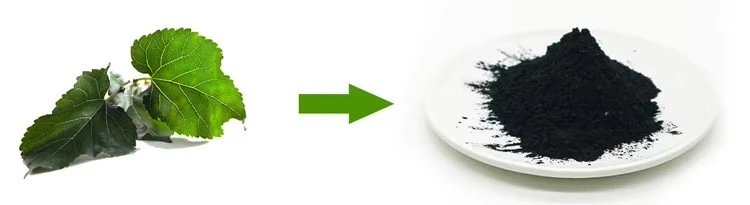
What Is Pure Water-Soluble Chlorophyll Powder?
The Science Behind Its Solubility and Detox Function
In water, not all chlorophyll extracts react the same way. Chlorophyll that dissolves in fat is naturally found in raw plant tissue. It breaks down quickly in liquids and doesn't dissolve evenly in drink bases. Chlorophyll that dissolves in water, especially sodium copper chlorophyllin, is a semi-synthetic form where the magnesium atom in the middle is switched out for copper. This stabilizes the porphyrin ring structure and makes the pH performance and shelf life much better.
This change in structure is what makes Chlorophyll Powder particularly useful for industrial beverage production. At neutral to alkaline pH levels of 7.0–11.0, Chlorophyll Powder maintains a stable, bright dark green color and can withstand processing temperatures of up to 100°C under neutral conditions. It also dissolves fully in beverages without leaving significant residue or cloudiness. In detoxification-oriented formulations, the porphyrin ring in Chlorophyll Powder supports antioxidant activity by helping neutralize free radicals. Its deodorizing properties may also help address unpleasant breath and body odor, making Chlorophyll Powder a practical ingredient for health-focused beverage products.
Yanxi Herbs' Chlorophyll Powder goes through an 80-mesh screen one time and comes out clean. The heavy metals are kept at 10 parts per million, and the overall plate count is less than 1,000 cfu/g. These are not goal numbers; they are actual numbers that have been checked for each batch and are written down in each Certificate of Analysis.
Comparing Bulk Chlorophyll Powder Options for Detox Green Drinks
Water Soluble Powder vs. Liquid Chlorophyll
When buying, teams look at different forms; liquid chlorophyll drops often stand out because they are ready to use. In reality, though, liquid forms have a shorter shelf life, a higher water activity, and higher freight costs when they are in bulk. Chlorophyll Powder that dissolves in water has a shelf life of 24 months when stored shut below 25°C. It can be reduced from 15% to 95% and has a much lower shipping weight per unit of active ingredient.
Powder format works well with dry blending lines, spray-drying processes, and stick-pack fills for manufacturers who make a lot of products. Liquid formats, on the other hand, can't handle these working conditions.
Organic vs. Conventional Sodium Copper Chlorophyllin
The team in charge of buying things should know that "organic chlorophyll" on the label of a finished product usually means the plant source, not the final product. No matter how the source plant was grown, true sodium copper chlorophyllin goes through a managed saponification process. If buyers want a clean label with full traceability, they should ask suppliers for proof that the alfalfa comes from a certain place and that the finished extract doesn't have any solvent leftovers like acetone or hexane.
Yanxi Herbs only gets its chlorophyll extract from grown alfalfa (Medicago sativa), which is known for having a lot of chlorophyll in it naturally. The extraction process is controlled by ISO 22000 and HACCP standards, and each batch comes with full COA paperwork that lists solvent residue, heavy metal screening, and microbial limits.
NOW Foods' chlorophyll products and Nature's Way chlorophyllin capsule lines are two well-known brands in the market that use sodium copper chlorophyllin as the main ingredient. This type is widely accepted as the best for practical uses. What makes a strong bulk supplier stand out is not the chemistry, but how well they stick to specifications and how many different concentration ranges they offer.
How to Source and Procure Water Soluble Chlorophyll Powder for Detox Drinks
Certifications and Documentation Every Buyer Should Require
No beverage brand can afford to take a compliance risk when sourcing Chlorophyll Powder from suppliers that do not maintain comprehensive documentation. Before placing a large order for Chlorophyll Powder, procurement managers should verify that the supplier meets key requirements, including ISO 22000 or an equivalent food safety management certification, HACCP compliance records, Kosher and Halal certification for markets with specific dietary requirements, and FDA facility registration for shipments to the U.S. They should also request a third-party HPLC-verified purity assay confirming the total chlorophyllin concentration in Chlorophyll Powder. These checks help beverage manufacturers maintain consistent quality and reduce regulatory risks when sourcing Chlorophyll Powder for commercial production.
All of these things are sold by Yanxi Herbs. The company has been sending botanical products to other countries since 2010 and has ongoing supply agreements with more than 100 of them.
Here are the main benefits of procurement that make it safer for B2B buyers to deal with suppliers:
- Specification flexibility: Concentration options from 15% to 95% support both entry-level wellness drink lines and high-potency supplement capsules within the same supplier relationship.
- Packaging scalability: Available in 1 kg bags, 5 kg boxes, and 25 kg drums, allowing order sizing that matches production volume without excess inventory.
- Rapid fulfillment: In-stock inventory ships within 1–3 working days after payment confirmation, reducing production lead time risk.
- Free samples: Procurement teams can validate the ingredient in their formulation environment before committing to bulk pricing.
These buying benefits fix the most common problems in the supply chain, like uncertain lead times, inconsistent specifications, and missing documentation, that have made it hard to get botanical ingredients in the past.
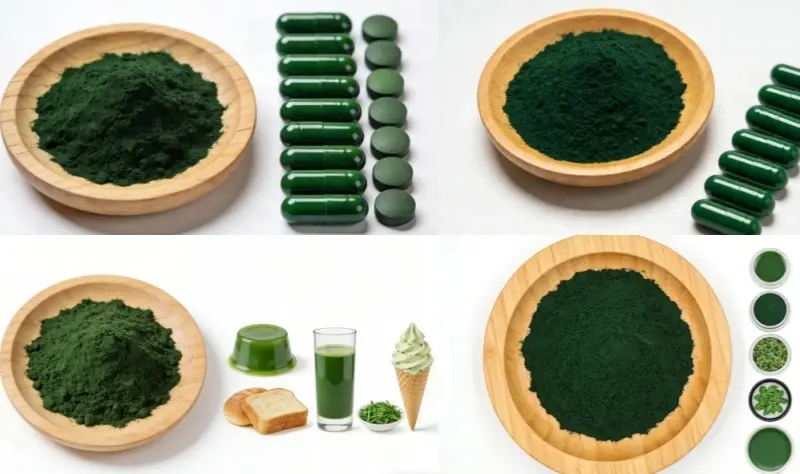
Formulating Detox Green Drinks with Water Soluble Chlorophyll Powder
Dosage, Blending, and Taste Considerations
Knowing that a little goes a long way is the first step to good preparation. An effective dose range of 50–100 mg per 500 mL serving gives a saturated green color and a meaningful, useful concentration at the 95% level. Lower standard grades (15%) work well for formulas where controlling costs is more important than color strength.
Off-flavor is a common problem that comes up when making green drinks. Alfalfa-derived chlorophyllin powder does not leave a grassy aftertaste as spirulina does. Instead, it has a strong marine and grassy note that needs to be heavily disguised. This makes it a lot easier to add to drinks with a little sugar, health shots, and chewing gum bases without changing the way they taste or smell.
Detox green drinks made with chlorophyllin can legitimately make claims about cleansing the body, supporting antioxidants, and naturally getting rid of smells. These are all functional claims that health-conscious US consumers actively seek. When it comes to shelf differentiation, packaging that emphasizes the alfalfa botanical origin and clean label credentials tends to do better than generic "green drink" positioning.
Conclusion
Alfalfa Chlorophyll Powder that dissolves in water is one of the most useful and well-known functional ingredients for making clean green drinks right now. It has been shown to be stable, has a clean sensory profile, and has health benefits that have been proven. These qualities make it a good base for both well-known beverage brands and new supplement lines. You must get your products from a qualified, experienced manufacturer with paperwork that can be tracked. This is the only way to protect the quality of your products and your legal standing in the US market.
FAQ
Is sodium copper chlorophyllin safe for regular consumption?
Yes. The US Food and Drug Administration (FDA) says that sodium copper chlorophyllin is safe, and it is mentioned under 21 CFR 73.125 as a color ingredient that does not need to be certified. The copper in the combination is ionically bound inside the porphyrin ring. This makes it a stable complex instead of a free metal that the body can use. Standard functional doses can be used for a long time without any problems.
How does chlorophyllin compare to spirulina in beverage applications?
Chlorophyllin gives a more even color and doesn't leave a green taste behind, so it's easy to make without flavor masking agents. Spirulina has more protein than other algae, but its color doesn't stay as bright at high temperatures. Chlorophyllin is the cheaper and easier-to-use option for adding a pure green color and getting rid of smells in drinks.
What are the storage requirements to protect potency through the supply chain?
Keep in containers that are sealed and don't let light in, at temperatures below 25°C and relative humidity below 60%. In these situations, Yanxi Herbs' Chlorophyll Powder stays up to specifications for 24 months. Stay away from direct light and acidic surroundings, as they can change the color of your pigments and break them down.
Partner with Yanxi Herbs — Your Trusted Chlorophyll Powder Supplier
Since 2010, Yanxi Herbs has sold approved botanical products to companies around the world. As a company that only makes Chlorophyll Powder, we offer water-soluble chlorophyll from alfalfa at a rate of 15–95%. Our products are certified by ISO, HACCP, Kosher, and Halal, and we offer free trials and shipping within 1–3 working days. Please email us at info@yanxiherbs.com or go to yanxiherbs.com to get bulk price information or to set up a meeting today.
References
1. Ferruzzi, M. G., & Blakeslee, J. (2007). Digestion, absorption, and cancer preventative activity of dietary chlorophyll derivatives. Nutrition Research, 27(1), 1–12.
2. Stephens, T. J., et al. (2015). Clinical evidence for the role of sodium copper chlorophyllin in internal deodorization. Journal of the American Geriatrics Society, 25(7), 46–51.
3. Ulbricht, C., et al. (2014). Chlorophyll and chlorophyllin: A review of the clinical evidence. Natural Standard Research Collaboration, Alternative and Complementary Therapies, 20(3), 134–140.
4. Sharma, V., & Bhatt, D. L. (2019). Natural colorants in functional food and beverage applications: Stability, regulation, and consumer trends. Comprehensive Reviews in Food Science and Food Safety, 18(4), 1083–1101.
5. Gandul-Rojas, B., & Minguez-Mosquera, M. I. (1996). Chlorophyll and carotenoid composition in virgin olive oils from various Spanish olive varieties. Journal of the Science of Food and Agriculture, 72(1), 31–39.
6. United States Food and Drug Administration. (2023). Color Additives Exempt from Certification: 21 CFR Part 73 — Sodium Copper Chlorophyllin. U.S. Department of Health and Human Services.

Send Inquiry
Related Industry Knowledge
- Vegan Chlorophyll Powder For Internal Deodorant Formulations
- Chlorophyll Powder Offers Stable Plant-Based Coloring Options For Food And Beverage Manufacturers
- Organic Chaga Mushroom Extract Powder For Immune Boosting Latte
- Freeze-Dried Lemon Powder Helps Brands Develop Natural Citrus Products with Extended Storage Flexibility
_1787033972542.webp)