Salicin Powder for Botanical Supplement and Herbal Formulation Development
Nov 27, 2026
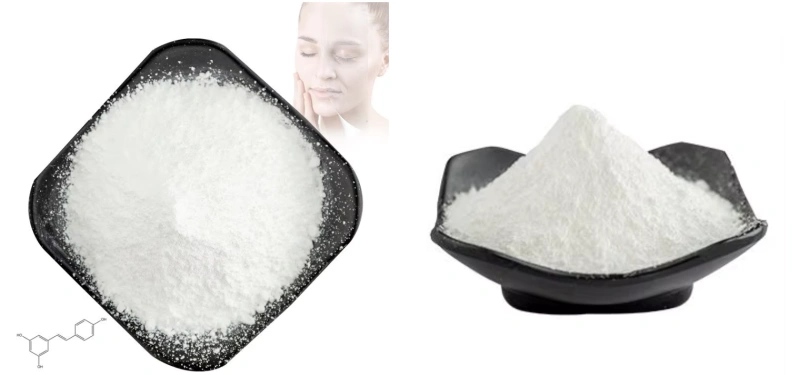
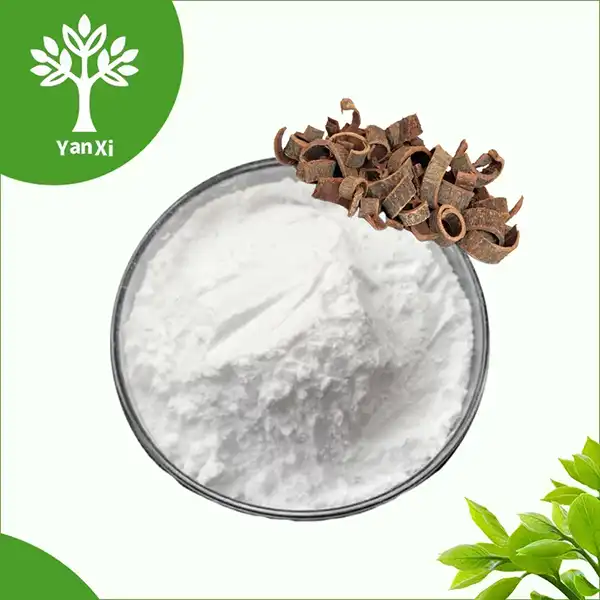
Salicin Powder is a pure glycoside extracted from the bark of the willow tree. It has a formula of C₁₃H₁₈O₇. Developers use it to study botanical supplements, make herbal medicines, and do analytical work. “It is not the same as aspirin, salicylic acid, or willow bark extract, so people making products should make sure of its identity, purity, and documentation before using it.” I have found that projects are successful when the team identifies the use case early, tests samples with the actual formula, and works with a supplier that is upfront about what they need. This guide for U.S. product developers covers properties, uses, safety, quality, and how to purchase.
Why Salicin Powder Matters in Botanical Product Development?
What Salicin Powder Is and What It Is Not?
The phenolic glucoside salicin is found in species of willow, like the white willow (Salix alba) and the purple willow (Salix purpurea). In the 1820s, chemists were able to separate it. Later, researchers changed it into salicylic acid, which led to the creation of aspirin. Still, the three materials can't be switched out. This is all there is to Salicin Powder. Willow bark extract is a mix of different parts of the plant that are usually standardized to a certain level. Aspirin (acetylsalicylic acid) and salicylic acid are two different molecules that are controlled in different ways. That way, no one orders the wrong stuff. I always tell my clients to write these differences into the specification.
Who Needs This Guide?
Different teams look at the same ingredient in different ways. The person in charge of buying wants a reliable supply and simple paperwork. The formulator wants to know how the powder behaves in liquid studies, capsules, tablets, or powder blends. A good professional needs rules, guidelines, and lots of records. Reference materials need to be consistent for researchers. Companies that make their own products or use private labels need help with packaging and labeling. This guide is for all of them. But it is mainly for people in the U.S. who have to follow FDA rules for dietary supplements. Each section helps you to decide the item's identity, suitability, safety documentation, supplier ability and risk before you buy.
Where Salicin Fits in Supplement Development?
Salicin Powder can get into a project in three main ways. It is used as a defined ingredient by some teams at the early stage of formulation studies. Others use it as a marker compound to test or standardize willow materials. A second group uses it as a standard in analytical development, where a known compound can help confirm results. The requirements for purity and documentation are not the same for each path. Assay data might need to be very specific for the role of the marker, but a formulation study might focus on solubility and dispersion. First, choosing the path helps keep the requirements clear and doesn't require doing expensive tests again later. It also gives you an idea of whether isolated salicin or a botanical extract is more appropriate for the product idea.
Salicin Powder Properties, Chemical Formula, and Functional Profile
Chemical Identity and Molecular Weight
Salicin is made up of the building blocks C₁₃H₁₈O₇ with a molecular weight of ~286.28 g/mol. They are important for day-to-day lab work. Analysts use them to confirm the identity of samples, to determine the assay values, and to prepare standard solutions for chromatography methods. The batch control teams verify each lot against the same reference values. If there is a difference, then there's a problem right there. The compound is a β-glucoside, i.e., a glucose unit is linked to a salicyl alcohol moiety. When ingested, the body can metabolize it to salicyl alcohol and then salicylic acid.
Physical Traits, Stability, and Packaging
Salicin Powder is typically described as a bitter-tasting, white to off-white crystalline powder, although specifications vary between suppliers. I recommend checking the technical data sheet for appearance, odor, moisture content, and particle size rather than making assumptions. Solubility depends on temperature, solvent, pH, purity, and particle size, so test it under your actual formulation conditions. The powder may absorb moisture and cake, potentially affecting assay results. Store it in a cool, dry place, keep containers tightly sealed, and record lot numbers and shelf life. Bitterness also matters in powder blends and beverages, so conduct taste tests early in the product development process.
How Salicin Powder Is Produced?
The process usually starts with cleaning, drying, and extracting the willow bark with the correct solvent. The extract is then concentrated, separated (chromatography or crystallization), and further processed to purify and enrich the extract in salicin. The mixture is then dried, milled to the desired particle size, and blended to ensure uniformity. Finally, each lot is inspected by quality control before it is shipped. Different manufacturers have different ways, so I recommend you to ask about source of raw materials, the way they are made and normal assay range. If your supplier can provide you with clear answers to these questions, they will likely keep better records, and that will help you with change control as your business grows.
Salicin Powder Uses, Evidence, and Safety
Common Uses in Botanical Development
Salicin Powder is being investigated in capsule, tablet, powder blends, and liquid form. There are also rules that allow topical research. It is used as a standard compound in laboratory tests concerning willow. It is most often used in combination with other botanical ingredients in supplement projects, so testing for compatibility is important. The first step is to decide what concentration you want, what dosage form, what particle size, and what solubility. Then do the microbiology test, stability test, and dissolution test before putting the product on the market. The glycosidic bond of salicin is fairly stable under normal processing conditions. However, you should do your own tests to check the results of tablet compression and encapsulation - not rely on general statements.
Separating Traditional Use From Approved Claims
Willow bark has been used in traditional medicine for a long time. Reverend Edward Stone's report on willow bark for fever in 1763 is often shared. Three types of proof are used in different ways: traditional use, lab results, and clinical evidence. Musculoskeletal pain clinical trials have mostly used standardized willow bark extracts instead of salicin that has been separated, and the results have been mixed. In other words, you can't just assume that Salicin Powder acts like aspirin or a medicine. There are rules that supplement labels in the US can only have structure/function claims that follow those rules and have the required disclaimer. Claims about treating diseases are not allowed. Before launch, go over every claim with a qualified regulatory lawyer.
Safety, Dosage, and Handling
I can't tell you how much to take for medical reasons, and no supplier should. Lab amounts, formulation concentrations, serving sizes, and doses for humans are all different things. The last two must be set by qualified scientific and regulatory experts. Read the SDS, technical data sheet, and storage instructions from the supplier. People who are sensitive to or allergic to salicylates or willow, who are bleeding or have stomach problems, who have kidney or liver problems, or who are pregnant or breastfeeding should be careful with salicylates. There may be interactions with medicines that stop blood clotting or platelets from forming. Because of the risk of Reye's syndrome, salicylate products should also not be given to kids and teens who are getting better from a virus. Make your warnings clear, store things safely, and keep track of your lots.
Salicin Powder Quality Standards and Comparisons
Quality Parameters and the Certificate of Analysis
A strong specification for Salicin Powder should cover assay, identity, appearance, moisture, particle size, residual solvents, elemental impurities, microbial limits, pesticide residues, and foreign matter. The Certificate of Analysis (COA) should clearly state the product name, lot number, test date, limits, methods, and testing laboratory. Also request the SDS, technical data sheet, stability information, allergen and non-GMO statements, and country-of-origin records. In the U.S., 21 CFR Part 111 requires manufacturers to verify the identity of dietary ingredients, so a supplier's COA does not replace your own identity testing. Certifications such as ISO, GMP, and HACCP help demonstrate supplier qualifications, but they do not replace batch verification.
Salicin Compared With Salicylic Acid and Aspirin
These three compounds look like they belong together on paper, but their structure and regulation are different. Salicin is a glycoside. There are free acids, like salicylic acid. Aspirin is acetylsalicylic acid, and it is a drug in the United States. Salicylic acid is used to make aspirin, and Salicin Powder is made from plant material. Please do not swap them without going through technical and regulatory review because they are different. Natural sourcing can help with traceability and sustainability stories, but it also brings impurities that are related to plants that need to be tested. The evidence and the law constrain the size of claims.
Purified Salicin Versus Willow Bark Extract
There is salicin in willow bark extract, along with flavonoids, polyphenols, and other plant parts. It is usually standardized to a marker level. For instance, the European Pharmacopeia defines willow bark by the sum of all its salicylic derivatives, which is calculated as salicin. Purified Salicin Powder has a single, well-defined compound that helps with the accuracy of the test and the consistency from lot to lot. A whole-plant idea might work better with an extract. If you mix them up, you'll get wrong labels and assay calculations. Put purity, consistency, cost, and formulation fit next to each other and write down the exact name of the material you choose on all purchase orders and specifications.
How to Choose and Buy Salicin Powder?
Define Requirements and Run a Staged Workflow
Think about the use, type of product, audience, and regulatory endpoint. Then write the rules for testing, impurities, moisture, microbiology, particle size, packaging, shelf life, and paperwork. I think there should be 5 steps. First, decide whether the concept makes more sense with isolated salicin or a botanical extract. Second, check samples for identity, assayability, and ability to dissolve. Third, check taste, color, and spread to ensure compatibility with other botanicals and excipients. Fourth, prepare test batches and conduct stability studies. Fifth, establish controls for incoming materials, retain samples, and modify the notification criteria. This order catches problems when they’re cheap to fix.
Evaluate Suppliers and Samples
Look at the legal name of the company, where it’s made, the quality system, the specs, the current COA, the SDS, and the ability to trace raw materials. Ask about their capacity, lead time, MOQ, alternative packaging, export history, and how they handle complaints. Request samples and test them with the same lab methods. Once you're happy with a reference lot, you can make a bulk order. Don’t look at the unit cost; look at the total cost. All these costs are included, including freight, duties, testing, lead time, supply continuity, and the cost of lots that are rejected or reworked. Long-term supply agreements make sense if demand is stable and both sides agree on how to test, control changes, and handle claims.
Prepare an Inquiry and Avoid Procurement Risks
A clear question will get you a quicker and more accurate quote. Please provide expected volume, frequency of orders, target purity, intended use, destination country, packaging requirements, required documents, and sample requests. Ask the supplier what the MOQ (minimum order quantity) is, how many items they have in stock, the lead time for production, payment terms, the right to inspect, and any Incoterms such as EXW, FOB, CIF, or DDP. Words such as “high purity” or “pharmaceutical grade” should be viewed as claims that necessitate the presentation of standards and test results for their support. There are four common mistakes to avoid when you pick only by price, when you confuse salicin with willow bark extract, when you accept certificates without lot records, or when you skip validation in the real product matrix before scale-up.
Conclusion
Salicin Powder is a glucoside, with molecular formula C13H18O7 and molecular weight about 286.28 g/mol. It is not the same as salicylic acid, aspirin, or willow bark extract. The first step to a successful project is a clear specification, as solubility, moisture, particle size, and taste of the material can all impact how it performs in a formula. Most evidence for products derived from willow is based on standardized extracts, so claims must comply with U.S. law and safety review must take into account salicylate sensitivity and drug interactions. Quality relies on Certificates of Analysis for every lot, supporting documentation, and your own due diligence. Staged development, sample comparison, and cost counting all reduce the risk of sourcing and help teams make an informed decision between an isolated salicin and an extract.
FAQ
What is Salicin Powder used for?
It is used by developers for research on plants, studies on herbal and nutraceutical formulations, and analysis. It is made up of the building blocks C₁₃H₁₈O₇, and each molecule weighs about 286.28 g. What kind of purity, particle size, and paperwork a project needs depends on what it's for.
Is Salicin Powder the same as willow bark extract?
Salicin Powder, on the other hand, is a single compound. Willow bark extract, on the other hand, has many plant parts and is usually standardized to marker levels. Keep both items in cool, dry places that are sealed and follow the storage instructions provided by the supplier.
How can I judge a supplier and request samples?
Check the requirements, the COA for each lot, the SDS, the quality system, the experience with exporting, and the quality of communication. Samples can often be asked for before a bulk purchase, as long as the rules for shipping and paperwork are followed. Before you approve a reference lot, I think you should test it against your own methods.
Request Salicin Powder Samples and Quotes from Yanxi Herbs
Are you ready to compare Salicin Powder for your next plant project? Salicin Powder, which comes from willow bark, is sold by Yanxi Herbs. Please let us know about your application, target market, purity needs, expected volume, and preferred packaging. We will then get back to you with details on available specifications, documentation, samples, and quotes. We are a supplier of Salicin Powder and are happy to answer questions about research, OEM, private label, and wholesale orders. For more information, email info@yanxiherbs.com or go to yanxiherbs.com.
References
1. Mahdi, J. G. "Biosynthesis and Metabolism of β-D-Salicin: A Novel Molecule That Exerts Biological Function in Humans and Plants." Biotechnology Reports, 2014.
2. Desborough, M. J. R., and Keeling, D. M. "The Aspirin Story – From Willow to Wonder Drug." British Journal of Haematology, 2017.
3. Vlachojannis, J. E., Cameron, M., and Chrubasik, S. "A Systematic Review on the Effectiveness of Willow Bark for Musculoskeletal Pain." Phytotherapy Research, 2009.
4. Biegert, C., et al. "Efficacy and Safety of Willow Bark Extract in the Treatment of Osteoarthritis and Rheumatoid Arthritis: Results of 2 Randomized Double-Blind Controlled Trials." The Journal of Rheumatology, 2004.
5. European Medicines Agency, Committee on Herbal Medicinal Products. "Assessment Report on Salix, Cortex." 2017.
6. U.S. Food and Drug Administration. "Current Good Manufacturing Practice in Manufacturing, Packaging, Labeling, or Holding Operations for Dietary Supplements (21 CFR Part 111)." 2007.

Send Inquiry
Related Industry Knowledge
- What Makes Butterfly Pea Flower Powder Suitable for Natural Color Applications?
- High Purity Butterfly Pea Flower Extract Powder For Functional Beverage Production
- What Factors Matter When Purchasing Astaxanthin Powder Bulk For Large-Scale Production?
- Vegan Chlorophyll Powder For Internal Deodorant Formulations