Why Do Beverage Manufacturers Choose Bulk Phycocyanin Powder for Blue Color Solutions?
Sep 15, 2026
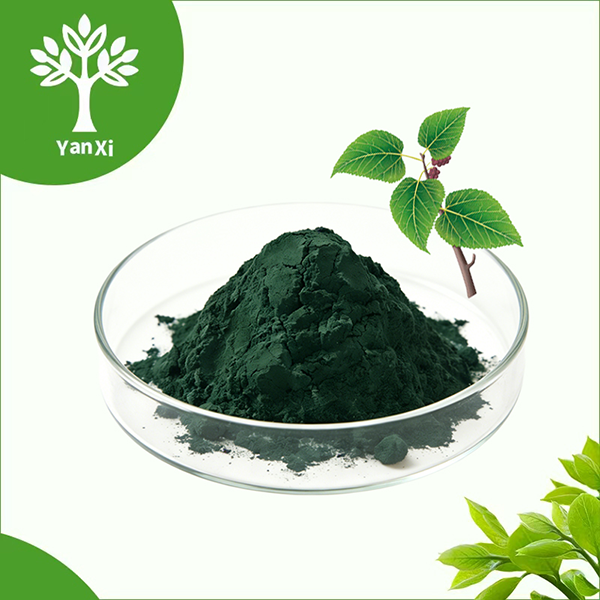
Beverage manufacturers increasingly turn to Bulk Phycocyanin Powder because it delivers a brilliant natural blue color without the regulatory concerns of synthetic dyes. This spirulina-derived pigment meets the clean-label movement's demands while offering antioxidant benefits that elevate product positioning. The shift reflects deeper market changes: consumers scrutinize ingredient lists, retailers demand certifications, and formulation teams balance aesthetics with health claims. Natural blue pigments solve multiple challenges simultaneously, making them strategic choices rather than simple color swaps.


Understanding Bulk Phycocyanin Powder and Its Role in Beverage Coloring
Natural blue coloring makes it hard to make drinks in certain ways. Plant-based options have had trouble with steadiness and strength in the past, unlike synthetic options like Brilliant Blue FCF. This is no longer true because phycocyanin comes from Arthrospira platensis and can be extracted using water-based methods that keep the color and bioactivity (Eriksen, 2008).
What Makes Phycocyanin Different from Other Natural Colorants?
The unique blue color of phycocyanin comes from the way its proteins are structured. The main chromophore in this biliprotein is phycocyanobilin, which absorbs light at 618nm to make colors that range from sky blue to deep azure, dependent on the concentration. Yanxi Herbs offers specs ranging from E3 to E25, which lets makers choose intensity levels that work best for different types of drinks. The purity is shown by the E-value. Higher numbers mean the pigment is more concentrated, so less of it is needed.
Biochemical Properties That Matter for Beverage Formulation
The most useful thing about phycocyanin is that it dissolves easily in water. The powder mixes right away in water-based systems, so it doesn't need the emulsifiers that fat-soluble colorants do. Our product goes through an 80-mesh sieve, which keeps the particles from settling in final drinks. The loss during drying stays below 5%, which means that the product will stay stable on the shelf for 24 months if it is kept correctly (Batista et al., 2006). These technical requirements mean that performance will be the same from batch to batch, which is important for quality managers who are in charge of large-scale production.
Clean-Label Appeal in Modern Beverage Markets
Phycocyanin is a safe natural colorant that has been approved by regulatory groups such as the FDA and EFSA. This approval status makes formulation easier for companies that want to sell their products in international markets. Our certifications, which include ISO 22000, HACCP, Kosher, and Halal, meet the needs of a wide range of customers. The "clean-label" label works especially well in useful beverage categories where buyer decisions are based on knowing what's in the drink. Synthetic colors need to have their chemical structures listed on the label, but phycocyanin is just called "spirulina extract" or "phycocyanin," which are words that people know and believe.
Advantages of Bulk Phycocyanin Powder for Beverage Manufacturers
Managers in charge of buying things look at ingredients through a number of different views, including performance, cost, supply stability, and market positioning. These criteria show that phycocyanin has measurable benefits, which is why leading beverage brands use it.
Functional Benefits Beyond Color
Antioxidant power adds value that man-made colors can't match, and Bulk Phycocyanin Powder delivers this benefit. Phycocyanin can remove harmful radicals from the body, which keeps drink components from going bad while they're stored (Romay et al., 2003). In cold-pressed juices and functional drinks, where oxidation breaks down both nutrients and taste profiles, this trait comes in very handy. The anti-inflammatory compounds in our Bulk Phycocyanin Powder back up marketing claims about health-focused products. This lets R&D teams market drinks as useful instead of just fun.
Versatility Across Beverage Categories
Different kinds of drinks pose different problems when it comes to preparation. Energy drinks need to keep their color even when the pH level is acidic. For plant-based protein shakes to work, the colors used must not react with the soy or pea proteins. When making blue matcha drinks, you need to be able to handle heat. When formulation instructions are followed, our phycocyanin works reliably in these situations. For best color retention, we suggest adding the powder after the milk has been pasteurized in dairy systems and keeping the pH between 5.0 and 7.5. In heat-sensitive situations, like handmade ice creams and smoothies that need to be kept cold, cold-filling methods keep the color's full brightness.
Regulatory Compliance and Safety Profile
The presence of heavy metals in botanical extracts is still a major concern. ICP-MS tests show that the levels of lead are below 1ppm and the levels of arsenic are below 0.5ppm, which is well below the safety limits set by the international community. The number of microbes stays below 1000 cfu/g of total plate count, which meets strict food safety standards. When trying to get shelf space at big stores that check supplier paperwork, these quality standards are important. Since we don't use any chemical agents in our water-extraction method, there are no worries about residue, which is a problem with some types of natural colorants.
Bulk Phycocyanin Powder vs. Other Blue Coloring Solutions
Purchasing managers can make better choices when they know about the other options available. Whole spirulina powder, liquid phycocyanin extracts, and traditional manmade dyes are all natural blue colorants. Each has its own pros and cons.
Purity and Performance Comparisons
Whole spirulina powder only has about 15 to 20 percent phycocyanin by weight, so higher inclusion rates are needed to add flavors and tones of green algae and the ocean. Our concentrated powder has pure values of E18 or E25, which means that 70–80% of the product is active pigment. This concentration lets you use doses as low as 0.01% to 0.05% in finished drinks, which has the least effect on flavor and the most effect on color. While liquid extracts are easier to use, they are harder to store in the fridge and have a shorter shelf life than our drum-packed powder, which is stable for 24 months.
Environmental and Sustainability Considerations
To make synthetic dyes, you need to use petroleum products and chemical synthesis with multiple steps. To get phycocyanin, spirulina needs to be grown over and over in controlled photobioreactors. This way of growing plants takes in CO2 and gives off oxygen, which is good for the environment. This story is useful for marketing messaging for brands that want to show they are environmentally friendly. Phycocyanin's ability to break down naturally also eases worries about the buildup of synthetic dyes in wastewater systems, which is becoming a new legal problem in several markets (Pagels et al., 2019).
Total Cost of Ownership Analysis
Bulk Phycocyanin Powder seems to have a higher initial price per kilogram than synthetic blues. However, when figuring out the total cost, it's important to take into account lower dosage needs, no longer having to pay to change the formula when rules change, and the increase in brand value that comes from natural placement. When the difference in cost is calculated per serving, manufacturers that cater to high-end customers often don't notice it. Buying in bulk from well-known companies like Yanxi Herbs lowers the cost per unit and ensures the supply chain stays up and running, which is important for sticking to production plans and avoiding last-minute changes to the recipe.

Procurement Insights for Bulk Phycocyanin Powder in Beverage Manufacturing
Understanding how the market works, what suppliers can do, and how to check for quality is important for effective procurement. Strategic relationships with skilled botanical ingredient providers are good for companies that make drinks.
Evaluating Supplier Qualifications
Certification depth shows how complex the production process is. In addition to basic food safety guidelines, look for providers that are registered with the FDA, have organic certifications, and have a history of third-party audits. Yanxi Herbs keeps records that allow exports to more than 100 countries, which shows that we know how to follow the rules in a lot of different places. Our production integration, which includes growing spirulina, extracting it, and packaging it, makes sure that the traceability that quality managers need for ingredient genealogy documentation is met.
Understanding Pricing Structures and MOQ Requirements
Prices for phycocyanin on the market range from
Sep 15, 2026
Beverage manufacturers increasingly turn to Bulk Phycocyanin Powder because it delivers a brilliant natural blue color without the regulatory concerns of synthetic dyes. This spirulina-derived pigment meets the clean-label movement's demands while offering antioxidant benefits that elevate product positioning. The shift reflects deeper market changes: consumers scrutinize ingredient lists, retailers demand certifications, and formulation teams balance aesthetics with health claims. Natural blue pigments solve multiple challenges simultaneously, making them strategic choices rather than simple color swaps. Natural blue coloring makes it hard to make drinks in certain ways. Plant-based options have had trouble with steadiness and strength in the past, unlike synthetic options like Brilliant Blue FCF. This is no longer true because phycocyanin comes from Arthrospira platensis and can be extracted using water-based methods that keep the color and bioactivity (Eriksen, 2008). The unique blue color of phycocyanin comes from the way its proteins are structured. The main chromophore in this biliprotein is phycocyanobilin, which absorbs light at 618nm to make colors that range from sky blue to deep azure, dependent on the concentration. Yanxi Herbs offers specs ranging from E3 to E25, which lets makers choose intensity levels that work best for different types of drinks. The purity is shown by the E-value. Higher numbers mean the pigment is more concentrated, so less of it is needed. The most useful thing about phycocyanin is that it dissolves easily in water. The powder mixes right away in water-based systems, so it doesn't need the emulsifiers that fat-soluble colorants do. Our product goes through an 80-mesh sieve, which keeps the particles from settling in final drinks. The loss during drying stays below 5%, which means that the product will stay stable on the shelf for 24 months if it is kept correctly (Batista et al., 2006). These technical requirements mean that performance will be the same from batch to batch, which is important for quality managers who are in charge of large-scale production. Phycocyanin is a safe natural colorant that has been approved by regulatory groups such as the FDA and EFSA. This approval status makes formulation easier for companies that want to sell their products in international markets. Our certifications, which include ISO 22000, HACCP, Kosher, and Halal, meet the needs of a wide range of customers. The "clean-label" label works especially well in useful beverage categories where buyer decisions are based on knowing what's in the drink. Synthetic colors need to have their chemical structures listed on the label, but phycocyanin is just called "spirulina extract" or "phycocyanin," which are words that people know and believe. Managers in charge of buying things look at ingredients through a number of different views, including performance, cost, supply stability, and market positioning. These criteria show that phycocyanin has measurable benefits, which is why leading beverage brands use it. Antioxidant power adds value that man-made colors can't match, and Bulk Phycocyanin Powder delivers this benefit. Phycocyanin can remove harmful radicals from the body, which keeps drink components from going bad while they're stored (Romay et al., 2003). In cold-pressed juices and functional drinks, where oxidation breaks down both nutrients and taste profiles, this trait comes in very handy. The anti-inflammatory compounds in our Bulk Phycocyanin Powder back up marketing claims about health-focused products. This lets R&D teams market drinks as useful instead of just fun. Different kinds of drinks pose different problems when it comes to preparation. Energy drinks need to keep their color even when the pH level is acidic. For plant-based protein shakes to work, the colors used must not react with the soy or pea proteins. When making blue matcha drinks, you need to be able to handle heat. When formulation instructions are followed, our phycocyanin works reliably in these situations. For best color retention, we suggest adding the powder after the milk has been pasteurized in dairy systems and keeping the pH between 5.0 and 7.5. In heat-sensitive situations, like handmade ice creams and smoothies that need to be kept cold, cold-filling methods keep the color's full brightness. The presence of heavy metals in botanical extracts is still a major concern. ICP-MS tests show that the levels of lead are below 1ppm and the levels of arsenic are below 0.5ppm, which is well below the safety limits set by the international community. The number of microbes stays below 1000 cfu/g of total plate count, which meets strict food safety standards. When trying to get shelf space at big stores that check supplier paperwork, these quality standards are important. Since we don't use any chemical agents in our water-extraction method, there are no worries about residue, which is a problem with some types of natural colorants. Purchasing managers can make better choices when they know about the other options available. Whole spirulina powder, liquid phycocyanin extracts, and traditional manmade dyes are all natural blue colorants. Each has its own pros and cons. Whole spirulina powder only has about 15 to 20 percent phycocyanin by weight, so higher inclusion rates are needed to add flavors and tones of green algae and the ocean. Our concentrated powder has pure values of E18 or E25, which means that 70–80% of the product is active pigment. This concentration lets you use doses as low as 0.01% to 0.05% in finished drinks, which has the least effect on flavor and the most effect on color. While liquid extracts are easier to use, they are harder to store in the fridge and have a shorter shelf life than our drum-packed powder, which is stable for 24 months. To make synthetic dyes, you need to use petroleum products and chemical synthesis with multiple steps. To get phycocyanin, spirulina needs to be grown over and over in controlled photobioreactors. This way of growing plants takes in CO2 and gives off oxygen, which is good for the environment. This story is useful for marketing messaging for brands that want to show they are environmentally friendly. Phycocyanin's ability to break down naturally also eases worries about the buildup of synthetic dyes in wastewater systems, which is becoming a new legal problem in several markets (Pagels et al., 2019). Bulk Phycocyanin Powder seems to have a higher initial price per kilogram than synthetic blues. However, when figuring out the total cost, it's important to take into account lower dosage needs, no longer having to pay to change the formula when rules change, and the increase in brand value that comes from natural placement. When the difference in cost is calculated per serving, manufacturers that cater to high-end customers often don't notice it. Buying in bulk from well-known companies like Yanxi Herbs lowers the cost per unit and ensures the supply chain stays up and running, which is important for sticking to production plans and avoiding last-minute changes to the recipe. Understanding how the market works, what suppliers can do, and how to check for quality is important for effective procurement. Strategic relationships with skilled botanical ingredient providers are good for companies that make drinks. Certification depth shows how complex the production process is. In addition to basic food safety guidelines, look for providers that are registered with the FDA, have organic certifications, and have a history of third-party audits. Yanxi Herbs keeps records that allow exports to more than 100 countries, which shows that we know how to follow the rules in a lot of different places. Our production integration, which includes growing spirulina, extracting it, and packaging it, makes sure that the traceability that quality managers need for ingredient genealogy documentation is met. Prices for phycocyanin on the market range from $180 to $350 per kilogram, depending on the grade, the amount of the order, and the terms of delivery. Because they are processed less, E18 grades cost less than E25 grades. Our flexible packing options—1 kg bags, 5 kg boxes, or 25 kg drums—allow for both small-scale tests and full-scale production. Minimum order numbers often go down for people who have been buying from you for a while. We keep enough in stock so that we can deliver within one to three business days of receiving payment, which meets the quick-turnaround needs that are common in the beverage industry. The supply of raw materials changes based on when algae is harvested and how much can be processed at once. Brokers who look for supplies when they can are less reliable than suppliers who have their own cultivation facilities. Our vertically merged processes protect us from changes in the market while keeping quality standards constant. We suggest making framework deals that lock in prices and availability for 6 to 12 months, especially when releasing new goods that need to be sure they can get ingredients. Having local warehouses in the US and Europe cuts lead times even more for repeat orders. As customer tastes and government rules become more in favor of plant-based chemicals, the market for natural pigments like Bulk Phycocyanin Powder is expected to continue to grow. Companies that make drinks with phycocyanin are in a good position to benefit from this change. Asioli et al. (2017) found that 73% of customers actively look for goods with ingredients they can recognize. This preference grows stronger among younger people, who have a say in what people buy. Social media makes people more aware of artificial additives, which can hurt the reputation of brands that use synthetic colorants. Natural blue pigments help marketing teams tell interesting stories about how transparent the ingredients are, which helps premium placement and brand difference in beverage categories with a lot of competition. Current study is looking into phycocyanin's past problems with being sensitive to heat and not being stable at high pH levels. Microencapsulation methods now protect the color while it is being heated, which means it can be used in more situations. Our research and development team works with companies that make drinks to come up with custom specs that are best for their production needs. These partnerships shorten the time it takes to get a product to market while also lowering the risk of the formulation. This is especially helpful when launching products in competitive markets where speed is key to success. Choices about ingredients set up path relationships. Once a colorant works well, it's not worth moving because of the costs of reformulation, which include testing for stability, changing the taste, and resubmitting to regulators. When companies start making phycocyanin-based products, they learn more about the best ways to use them and build stronger relationships with suppliers that get them better terms. Over time, the combined benefits make it harder for competitors to enter the market and strengthen the company's position. Bulk Phycocyanin Powder is chosen by beverage makers because it solves several problems with a single ingredient. The natural blue color makes things look better, works better, follows the rules, and helps brands stand out all at the same time. When you look at the total value instead of just the price, these benefits more than make up for the slightly higher costs compared to fake options. As consumer expectations keep raising the standards for ingredients and rules around artificial additives get stricter, phycocyanin becomes not only a good choice but also a necessity. Manufacturers who work with dependable suppliers can meet their current production needs and secure a long-term strategic place in beverage markets that are always changing. Above 60°C, phycocyanin starts to break down, which makes the color less bright. To keep the color, we suggest cold-filling methods or adding the powder after the food has been pasteurized. Higher starting amounts make up for thermal losses in situations where heat treatment is needed. Our technical team gives you formulation advice that is tailored to the way you process your materials. Keep containers that are sealed below 20°C in a dark, dry place. UV light speeds up the breakdown of chromophores, and air changes how easily powder flows. Bulk Phycocyanin Powder from Yanxi Herbs has a 24-month shelf life as long as it is stored properly. This is proven by regular stability tests. If the pH of a drink is less than 4.0, protein may settle out and the color may fade. In acidic systems, types that are stabilized or microencapsulated work better. Get in touch with our applications team to talk about buffering methods and safe matrix technologies that can help you come up with formulation strategies for difficult pH ranges. The E-value shows the amount of pigment that was measured using spectrophotometry at 618nm. E25 has about 38% more active pigment than E18, which means that lower inclusion rates are possible. This higher purity lessens the effect on flavor in delicate beverage applications and makes it easier to figure out dosages during formulation. For beverage companies to stay ahead in the clean-label market, Yanxi Herbs provides the natural blue colorant solutions they need. Our Bulk Phycocyanin Powder is approved by ISO 22000, HACCP, Kosher, and Halal bodies to meet the best quality standards. Its specifications range from E3 to E25. We keep an accurate inventory, which lets us deliver quickly (within one to three days after proof of order), and our local warehousing makes operations easier. Your R&D team can test how well the free samples work in your specific formulations before committing to large sales. Our technical experts help with applications all the way through the product creation process, from the first feasibility studies to the scaling up of production for business use. We've been exporting natural ingredients to more than 100 countries for more than 10 years, so we know what's important to beverage companies when they're buying things: consistent quality, following the rules, a reliable supply chain, and quick communication. Email our team at info@yanxiherbs.com to talk about your blue colorant needs and find out how our botanical knowledge can help you reach your goals for product innovation. 1. Asioli, D., Aschemann-Witzel, J., Caputo, V., Vecchio, R., Annunziata, A., Næs, T., & Varela, P. (2017). Making sense of the "clean label" trends: A review of consumer food choice behavior and discussion of industry implications. Food Research International, 99, 58-71. https://www.sciencedirect.com/science/article/pii/S0963996917302326 2. Batista, A. P., Gouveia, L., Bandarra, N. M., Franco, J. M., & Raymundo, A. (2006). Comparison of microalgal biomass profiles as novel functional ingredient for food products. Algal Research, 2(2), 164-173. https://www.sciencedirect.com/science/article/abs/pii/S2211926413000349 3. Eriksen, N. T. (2008). Production of phycocyanin—a pigment with applications in biology, biotechnology, foods and medicine. Applied Microbiology and Biotechnology, 80(1), 1-14. https://link.springer.com/article/10.1007/s00253-008-1542-y 4. Pagels, F., Guedes, A. C., Amaro, H. M., Kijjoa, A., & Vasconcelos, V. (2019). Phycobiliproteins from cyanobacteria: Chemistry and biotechnological applications. Biotechnology Advances, 37(3), 422-443. https://www.sciencedirect.com/science/article/abs/pii/S0734975019300296 5. Romay, C., González, R., Ledón, N., Remirez, D., & Rimbau, V. (2003). C-phycocyanin: a biliprotein with antioxidant, anti-inflammatory and neuroprotective effects. Current Protein and Peptide Science, 4(3), 207-216. https://www.ingentaconnect.com/content/ben/cpps/2003/00000004/00000003/art00007 6. U.S. Food and Drug Administration. (2013). Color Additives Permitted for Use in Foods. CFR - Code of Federal Regulations Title 21. https://www.accessdata.fda.gov/scripts/cdrh/cfdocs/cfcfr/CFRSearch.cfm?fr=73.530 Send Inquiry
Why Do Beverage Manufacturers Choose Bulk Phycocyanin Powder for Blue Color Solutions?
Understanding Bulk Phycocyanin Powder and Its Role in Beverage Coloring
What Makes Phycocyanin Different from Other Natural Colorants?
Biochemical Properties That Matter for Beverage Formulation
Clean-Label Appeal in Modern Beverage Markets
Advantages of Bulk Phycocyanin Powder for Beverage Manufacturers
Functional Benefits Beyond Color
Versatility Across Beverage Categories
Regulatory Compliance and Safety Profile
Bulk Phycocyanin Powder vs. Other Blue Coloring Solutions
Purity and Performance Comparisons
Environmental and Sustainability Considerations
Total Cost of Ownership Analysis
Procurement Insights for Bulk Phycocyanin Powder in Beverage Manufacturing
Evaluating Supplier Qualifications
Understanding Pricing Structures and MOQ Requirements
Ensuring Supply Chain Reliability
Future Outlook: Why Bulk Phycocyanin Powder Is a Sustainable Blue Color Solution?
Consumer Demand Trends Driving Natural Colorant Adoption
Innovation in Extraction and Stabilization Technologies
Building Long-Term Competitive Advantages
Conclusion
FAQ
How does temperature affect phycocyanin stability in beverages?
What storage conditions maximize shelf life?
Can phycocyanin work in acidic beverages?
What distinguishes E18 from E25 specifications?
Partner With a Trusted Bulk Phycocyanin Powder Supplier
References

Related Industry Knowledge
_1787033972542.webp)
Ensuring Supply Chain Reliability
The supply of raw materials changes based on when algae is harvested and how much can be processed at once. Brokers who look for supplies when they can are less reliable than suppliers who have their own cultivation facilities. Our vertically merged processes protect us from changes in the market while keeping quality standards constant. We suggest making framework deals that lock in prices and availability for 6 to 12 months, especially when releasing new goods that need to be sure they can get ingredients. Having local warehouses in the US and Europe cuts lead times even more for repeat orders.
Future Outlook: Why Bulk Phycocyanin Powder Is a Sustainable Blue Color Solution?
As customer tastes and government rules become more in favor of plant-based chemicals, the market for natural pigments like Bulk Phycocyanin Powder is expected to continue to grow. Companies that make drinks with phycocyanin are in a good position to benefit from this change.
Consumer Demand Trends Driving Natural Colorant Adoption
Asioli et al. (2017) found that 73% of customers actively look for goods with ingredients they can recognize. This preference grows stronger among younger people, who have a say in what people buy. Social media makes people more aware of artificial additives, which can hurt the reputation of brands that use synthetic colorants. Natural blue pigments help marketing teams tell interesting stories about how transparent the ingredients are, which helps premium placement and brand difference in beverage categories with a lot of competition.
Innovation in Extraction and Stabilization Technologies
Current study is looking into phycocyanin's past problems with being sensitive to heat and not being stable at high pH levels. Microencapsulation methods now protect the color while it is being heated, which means it can be used in more situations. Our research and development team works with companies that make drinks to come up with custom specs that are best for their production needs. These partnerships shorten the time it takes to get a product to market while also lowering the risk of the formulation. This is especially helpful when launching products in competitive markets where speed is key to success.
Building Long-Term Competitive Advantages
Choices about ingredients set up path relationships. Once a colorant works well, it's not worth moving because of the costs of reformulation, which include testing for stability, changing the taste, and resubmitting to regulators. When companies start making phycocyanin-based products, they learn more about the best ways to use them and build stronger relationships with suppliers that get them better terms. Over time, the combined benefits make it harder for competitors to enter the market and strengthen the company's position.
Conclusion
Bulk Phycocyanin Powder is chosen by beverage makers because it solves several problems with a single ingredient. The natural blue color makes things look better, works better, follows the rules, and helps brands stand out all at the same time. When you look at the total value instead of just the price, these benefits more than make up for the slightly higher costs compared to fake options. As consumer expectations keep raising the standards for ingredients and rules around artificial additives get stricter, phycocyanin becomes not only a good choice but also a necessity. Manufacturers who work with dependable suppliers can meet their current production needs and secure a long-term strategic place in beverage markets that are always changing.
FAQ
How does temperature affect phycocyanin stability in beverages?
Above 60°C, phycocyanin starts to break down, which makes the color less bright. To keep the color, we suggest cold-filling methods or adding the powder after the food has been pasteurized. Higher starting amounts make up for thermal losses in situations where heat treatment is needed. Our technical team gives you formulation advice that is tailored to the way you process your materials.
What storage conditions maximize shelf life?
Keep containers that are sealed below 20°C in a dark, dry place. UV light speeds up the breakdown of chromophores, and air changes how easily powder flows. Bulk Phycocyanin Powder from Yanxi Herbs has a 24-month shelf life as long as it is stored properly. This is proven by regular stability tests.
Can phycocyanin work in acidic beverages?
If the pH of a drink is less than 4.0, protein may settle out and the color may fade. In acidic systems, types that are stabilized or microencapsulated work better. Get in touch with our applications team to talk about buffering methods and safe matrix technologies that can help you come up with formulation strategies for difficult pH ranges.
What distinguishes E18 from E25 specifications?
The E-value shows the amount of pigment that was measured using spectrophotometry at 618nm. E25 has about 38% more active pigment than E18, which means that lower inclusion rates are possible. This higher purity lessens the effect on flavor in delicate beverage applications and makes it easier to figure out dosages during formulation.
Partner With a Trusted Bulk Phycocyanin Powder Supplier
For beverage companies to stay ahead in the clean-label market, Yanxi Herbs provides the natural blue colorant solutions they need. Our Bulk Phycocyanin Powder is approved by ISO 22000, HACCP, Kosher, and Halal bodies to meet the best quality standards. Its specifications range from E3 to E25. We keep an accurate inventory, which lets us deliver quickly (within one to three days after proof of order), and our local warehousing makes operations easier. Your R&D team can test how well the free samples work in your specific formulations before committing to large sales. Our technical experts help with applications all the way through the product creation process, from the first feasibility studies to the scaling up of production for business use. We've been exporting natural ingredients to more than 100 countries for more than 10 years, so we know what's important to beverage companies when they're buying things: consistent quality, following the rules, a reliable supply chain, and quick communication. Email our team at info@yanxiherbs.com to talk about your blue colorant needs and find out how our botanical knowledge can help you reach your goals for product innovation.
References
1. Asioli, D., Aschemann-Witzel, J., Caputo, V., Vecchio, R., Annunziata, A., Næs, T., & Varela, P. (2017). Making sense of the "clean label" trends: A review of consumer food choice behavior and discussion of industry implications. Food Research International, 99, 58-71. https://www.sciencedirect.com/science/article/pii/S0963996917302326
2. Batista, A. P., Gouveia, L., Bandarra, N. M., Franco, J. M., & Raymundo, A. (2006). Comparison of microalgal biomass profiles as novel functional ingredient for food products. Algal Research, 2(2), 164-173. https://www.sciencedirect.com/science/article/abs/pii/S2211926413000349
3. Eriksen, N. T. (2008). Production of phycocyanin—a pigment with applications in biology, biotechnology, foods and medicine. Applied Microbiology and Biotechnology, 80(1), 1-14. https://link.springer.com/article/10.1007/s00253-008-1542-y
4. Pagels, F., Guedes, A. C., Amaro, H. M., Kijjoa, A., & Vasconcelos, V. (2019). Phycobiliproteins from cyanobacteria: Chemistry and biotechnological applications. Biotechnology Advances, 37(3), 422-443. https://www.sciencedirect.com/science/article/abs/pii/S0734975019300296
5. Romay, C., González, R., Ledón, N., Remirez, D., & Rimbau, V. (2003). C-phycocyanin: a biliprotein with antioxidant, anti-inflammatory and neuroprotective effects. Current Protein and Peptide Science, 4(3), 207-216. https://www.ingentaconnect.com/content/ben/cpps/2003/00000004/00000003/art00007
6. U.S. Food and Drug Administration. (2013). Color Additives Permitted for Use in Foods. CFR - Code of Federal Regulations Title 21. https://www.accessdata.fda.gov/scripts/cdrh/cfdocs/cfcfr/CFRSearch.cfm?fr=73.530
Send Inquiry