
100 Pure Kojic Acid Powder Supports High-Purity Ingredient Sourcing for Cosmetic R&D and Production
Oct 09, 2026
When cosmetic R&D teams source active ingredients, purity is never negotiable. 100 pure kojic acid powder — chemically identified as 5-hydroxy-2-(hydroxymethyl)-4-pyrone — is a naturally fermented compound derived from Aspergillus oryzae fungi. With a confirmed purity of ≥99.0% by HPLC and a molecular weight of 142.11 g/mol, it sets the standard for tyrosinase-inhibiting ingredients in skin-brightening formulations. For procurement managers and formulators targeting consistent quality and regulatory compliance, understanding how to source and apply this ingredient correctly determines product success.
Understanding 100% Pure Kojic Acid Powder: Properties and Benefits
Chemical Identity and Physical Characteristics
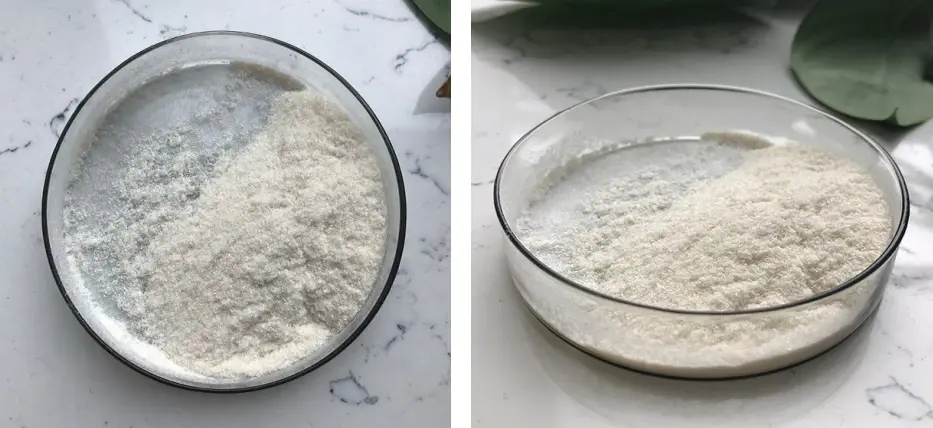
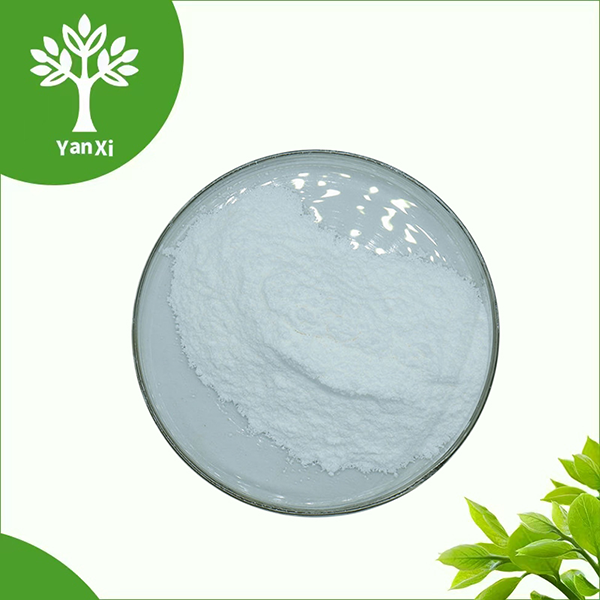
Kojic acid powder looks like off-white to white crystalline needles when it is at its finest. It melts at temperatures between 152°C and 156°C, and at 25°C, it dissolves in about 4.38 g/L of water. Because it mixes well with ethanol and ethyl acetate, it can be used with many different types of makeup carrier systems. To keep anhydrous formulations from breaking down due to oxidation, the moisture content must stay below 0.5%.
Mechanism of Action: Tyrosinase Inhibition
This ingredient's main job is to bind copper ions inside the tyrosinase enzyme, which stops the production of melanin. It is well known that kojic acid works as a competitive inhibitor of tyrosinase. In 2019, a review in the International Journal of Molecular Sciences confirmed this. This makes it a choice that has been backed by science for treating melasma, post-inflammatory hyperpigmentation, and uneven skin tone caused by UV light.
Why Pure Powder Outperforms Other Forms?
Formulators have full control over concentration, pH adjustment, and carrier choice with powders, but not with pre-blended creams or diluted liquids. The active range of 1% to 4% can be precisely targeted by R&D teams working on high-performance serums. This is especially helpful for skin care companies that are making their own lightening lines, since the amounts of ingredients used directly affect how different the products are.
High-Purity Sourcing Challenges and Solutions in Cosmetic R&D
Batch Variability and Contamination Risks
Different production batches not matching up is one of the most common sourcing issues. Changes in assay results, even if they are small, can impact the color, stability, and safety of the product for consumers. For every package, procurement teams need to ask for a certificate of analysis (COA) that shows the quality is above 99% using HPLC.
Essential Quality Control Protocols
Before putting out cosmetic-grade kojic acid, reputable sources do five important quality control checks:
- HPLC Assay — confirms purity levels exceeding 99%
- ICP-MS Heavy Metal Testing — verifies Lead, Arsenic, and Mercury remain below 10 ppm
- Browning/Oxidation Stress Test — measures color stability under UV and heat exposure
- Microbial Limit Testing — ensures absence of Staphylococcus aureus and Pseudomonas aeruginosa
- Particle Size Distribution (PSD) Analysis — supports rapid, uniform dissolution during large-scale manufacturing
These tests are what responsible sourcing of 100 pure kojic acid powder is based on. If you skip any of them, you create a formation risk that can't be fully fixed by any process that comes after.
Kojic Acid vs. Hydroquinone and Arbutin
Hydroquinone was once widely used to lighten skin, but because it is thought to be harmful to cells, it is now limited in the EU and getting more attention in the US market. Alpha-arbutin has a less strong effect, but it costs more per useful unit. Kojic acid is in the middle because it is both cheap and safe, as shown by dermatology study. This makes it the best active for long-term hyperpigmentation control.
Procurement Guide: Sourcing Kojic Acid Powder for Cosmetic Manufacturers
Purity Grades and Minimum Order Quantities
For cosmetic uses, the quality must be similar to that of a pharmaceutical: purity must be at least 99.0%, as shown by HPLC. It's important for procurement managers to know the minimum order amounts (MOQ) right away. Most B2B sellers offer bulk pricing starting at 25 kg, with better pricing levels above 100 kg. Always ask for proof that the grade is right for the cosmetic use you want to make.
Evaluating a 100 Pure Kojic Acid Powder Supplier
A reliable source of kojic acid powder offers more than just a good price. The following traits set trustworthy long-term partners apart from transactional vendors:
- Holds certifications including ISO 22000, HACCP, SGS, Kosher, and Halal
- Offers full traceability from fermentation source to finished powder
- Provides export-ready documentation for US and EU market entry
- Supports custom particle size or packaging specifications
- Maintains stable production capacity to prevent supply disruptions
All of these things are true for Yanxi Biotech, which was founded in 2010 and sells goods in more than 100 countries. Order completion times are much shorter than normal foreign shipping times because we have local warehouses in both Europe and the US.
Pricing Dynamics and Cost Efficiency
Prices for kojic acid around the world change based on the cost of fermentation inputs and the seasonal cycles of farming. When you sign an annual supply agreement with a reputable maker, you get stable prices and a steady supply of goods. These two things protect your production schedule and your ability to plan your margins.
Best Practices for Using and Handling Kojic Acid Powder in Production
Recommended Concentration Ranges
The range of 1% to 3% of 100 pure kojic acid powder is useful and well-tolerated for most cosmetic uses. Up to 4% may be in whitening serums meant for professional or clinical use, but these formulas need to be carefully tested to make sure they are safe for sensitive skin. Going above the recommended concentrations doesn't make them work better, and it also makes them more likely to irritate skin, especially skin that doesn't have good barriers.
Solubilization and Formulation Stability
Kojic acid powder mixes best with water that has a pH between 3.0 and 5.0. Formulators who work with systems that are high in surfactants, like soaps or body washes that lighten the skin, have to keep this pH range to keep the ingredients working. Adding chelating agents like EDTA and inhibitors like Sodium Metabisulfite stops the browning process that is caused by oxidative breakdown, which is a known problem in formulation.
Storage and Handling Protocols
To keep its quality from the warehouse to the production floor, kojic acid powder needs to be kept in cool, dry places away from light and heat, in containers that don't let air in. When exposed to water or UV light, oxidation and discoloration happen that can't be fixed in a finished formula. Proper keeping is necessary because it affects both the shelf life and the taste of the finished product.
Industry Applications of Kojic Acid Powder Across Cosmetic Segments
Professional Skincare Manufacturing
Vitamin C, Alpha-Arbutin, and kojic acid all work together in high-concentration lightening serums to target melasma in more than one way. A lot of dermatology literature backs up this mix of ingredients, and it's now a standard way for high-end B2B skincare brands to make their products.
Personal Care Product Development
A big and growing market is made up of soaps and body washes that lighten skin. The most important thing to do to keep surfactant-heavy systems stable is to keep the pH between 3.0 and 5.0. When brands do this right, their products work better for longer and customers stick with them longer.
Post-Procedure Clinical Applications
Dermatology centers and medical esthetics companies use kojic acid topicals to lessen post-inflammatory hyperpigmentation (PIH) after chemical peels and laser treatments. Well-made kojic acid preparations help the skin heal without the risks that come with hydroquinone-based alternatives, even in situations where the skin barrier is temporarily damaged.
Conclusion
Where to get high-purity 100 pure kojic acid powder affects every part of making cosmetics, from how well the recipe works to getting approval from regulators and making sure customers are safe. There is strong evidence that any brand that wants to compete in the US or global skincare market must have purity levels of at least 99%, pass strict quality control tests, and get supplier certifications. If you find the right sourcing partner, your R&D team can get an active ingredient that is stable, well-documented, and useful in a variety of product lines.
FAQ
What causes browning in formulations containing kojic acid?
Browning occurs due to oxidative degradation of the molecule. You can prevent it by adding chelating agents like EDTA and antioxidants like Sodium Metabisulfite to your formulation system.
What is the recommended usage level?
For general cosmetic applications, 1%–3% is standard. Higher concentrations should be carefully monitored for skin sensitivity, particularly in leave-on products.
Is it safe for all skin types?
While generally safe, it can sensitize broken or reactive skin. Patch testing and maintaining formulation pH between 3.0 and 5.0 are both recommended before full-scale production.
How should it be stored?
Store in airtight containers in a cool, dark, dry location. Light-induced oxidation degrades the compound before it reaches the consumer, so proper packaging selection is equally important.
Can it be combined with AHAs?
Yes. The acidic environment created by AHAs actually helps stabilize the active compound. However, the combined exfoliating effect requires strict SPF guidance for end consumers.
Source Your Kojic Acid Powder Through Yanxi Herbs — Certified, Bulk-Ready, and Export-Documented
For over 10 years, Yanxi Herbs has been making and exporting natural cosmetic ingredients that are certified by ISO 22000, HACCP, SGS, Kosher, and Halal. We provide mass supplies, custom particle sizing, and export-ready paperwork for the US and foreign markets as a reputable 100 pure kojic acid powder producer. Today, ask for your free sample, technical data sheet, or formulation consultation. You can email us at info@yanxiherbs.com or go to yanxiherbs.com.
References
1. Phasha, V., Regnier, T., & Combrinck, S. (2019). Kojic acid as a skin depigmenting agent: Review of its mechanism, safety, and application. International Journal of Molecular Sciences.
2. Saeedi, M., Eslamifar, M., & Khezri, K. (2019). Kojic acid applications in cosmetic and pharmaceutical preparations. Biomedicine & Pharmacotherapy.
3. Burnett, C. L., et al. (2010). Safety assessment of kojic acid as used in cosmetics. International Journal of Toxicology.
4. Draelos, Z. D. (2015). Skin lightening preparations and the hydroquinone controversy. Dermatologic Therapy.
5. Pillaiyar, T., Manickam, M., & Namasivayam, V. (2017). Skin whitening agents: Medicinal chemistry perspective of tyrosinase inhibitors. Journal of Enzyme Inhibition and Medicinal Chemistry.
6. Cosmetic Ingredient Review (CIR) Expert Panel. (2018). Amended safety assessment of kojic acid in cosmetics. International Journal of Toxicology.

Send Inquiry
_1787033972542.webp)