Bulk Hyaluronic Acid Powder for Skincare Brands Developing Serums, Creams, and Masks
Nov 18, 2026
If skincare companies that make serums, creams, and masks want to be in charge of molecular weight, dosage, and freight costs, they should buy Hyaluronic Acid Powder Bulk. Powder doesn't have any extra water added to it, so each kilogram gives you more active ingredient than a ready-made solution. We sell 99% hyaluronic acid powder at Yanxi Herbs in 1 kg bags, 5 kg boxes, and 25 kg drums. We offer free samples and always have stock on hand. This guide tells you how to pick a molecular weight, mix the powder, compare sellers, look over paperwork, and make plans for sales.
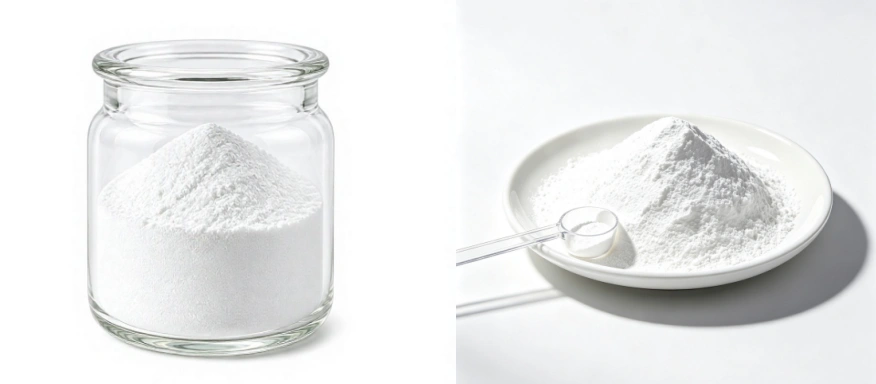
What Hyaluronic Acid Powder Bulk Is and Why Brands Choose It
Definition and Production
It is a linear polysaccharide made up of repeating units of N-acetyl-D-glucosamine and D-glucuronic acid. Because it binds water well, it is found in hydration products. Most of the time, microbial fermentation leads to commercial supply. This is followed by cleaning, drying, and testing. Researchers say that this method is the new way to get animal tissue instead of the old way. Hyaluronic acid amounts in the face also drop with age, but it is still used in skin care products. The grade that most cosmetic teams buy is sodium hyaluronate in salt form because it works well in water-based formulas. Before you accept any material, check the specification sheet to make sure it has the correct INCI name and molecular weight.
Why Powder Beats Ready-Made Solutions
You pay freight for every kilogram of water that liquid solutions carry. Active Hyaluronic Acid Powder Bulk is packed into a dry form, which means that one drum can hold more. Powder also lets your chemist be in charge. You do not have to accept a blend that has already been diluted. Instead, you choose the molecular weight, the dose, and the thickness of the base. Another benefit of dry powder is that it doesn't need to be kept stable for months, as a water-based solution does. A brand with more than one product line can use the same powder for a light serum, a rich cream, and a sheet mask.
Yanxi Herbs Product Specifications
Here are the specifications for our Hyaluronic Acid Powder Bulk:
| Item | Specification |
|---|---|
| Specification | 99% |
| Appearance | White to off-white fine powder |
| Particle size | 100% pass through 80 mesh |
| Loss on drying | ≤5% |
| Ash content | ≤5% |
| Heavy metals | ≤10 ppm |
| Total plate count | <1000 cfu/g |
| Yeast and mold | <100 cfu/g |
| Shelf life | 24 months, sealed and stored properly |
The range of molecular weights is from 1 kDa to 2 MDa. The fine, very water-absorbent powder is made to dissolve without sticking together, which makes it good for making large amounts of serum, masks, and food-grade HA supplements.
Choosing Molecular Weight and Mixing the Powder
Matching Molecular Weight to Product Format
Viscosity, film feel, and how a formula wears on skin are all affected by molecular weight. For creams, gels, and masks, higher molecular weight grades make a film and body that are padded. Because they don't add as much thickness, scientists choose lower molecular weight types for light serums and creams that melt quickly. In a clinical study done in 2011, Pavicic and his colleagues compared creams made with different molecular weights. This shows that there is research behind the subject. A lot of brands mix different parts to get the right combination of feel and function. Our range goes from 1 kDa to 2 MDa, so you can get the whole blend with just one order. Still, don't just rely on the name of a grade; check every claim in your finished formula.
Dispersing the Powder Without Clumps
When Hyaluronic Acid Powder Bulk is mixed with water, it makes lumps that have a gel shell and a dry centre. To keep this from happening, slowly add the powder to a vortex of clean water that is being stirred well. You can also wet the powder first with glycerine or propylene glycol and then add it to the water phase. Let the mix dry completely. Grades with a high molecular weight need more time than grades with a low molecular weight. After adding water, change the pH and look for any bits that haven't dissolved before moving on. It takes much less time to fix a mixing problem in a beaker than in a 500 kg tank, so doing small tests in the lab saves hours in the long run.
Formula Factors That Change Viscosity
Hyaluronic acid chains respond to what's going on around them. It's possible for cationic ingredients, process heat, high electrolyte levels, and acidic pH to thin a gel or cloud a clear serum. The texture can also change because of oils, preservatives, and other polymers. If the viscosity drops over a few weeks, it's likely because the chains are breaking down. During emulsification, keep an eye on the pH and heat. Keep an eye on the dispersion time, pH, viscosity, texture, bacterial quality, and compatibility with packaging as you run trial batches. If your market needs them, add faster stability and freeze-thaw tests. Keep track of each result with a batch number so that you can find the source of any drift.
Comparing Options and Planning Bulk Orders
Technical Criteria Beyond Price
There may be holes in testing, focus, or paperwork that a lower price can hide. It's important to compare things like purity, molecular weight range, moisture, protein, heavy metals, bacteria limits, pH, consistency, look, and smell. If the material is for cosmetics or food, tell them apart and ask which use the documents support. Ashes make up about 5 percent of our 99% powder, and the total plate count is less than 1000 cfu/g. The yeast and mould counts are also less than 100 cfu/g. Putting two different offers next to each other on the same lines makes the differences stand out right away. A less expensive product might just try fewer things.
Pack Sizes, MOQ, and Landed Cost
Choose the right pack size for your stage. A 1 kg bag is good for tests in the lab, a 5 kg box is good for pilot runs, and a 25 kg drum is good for regular production. Ask for quotes that are broken down into different levels based on molecular weight, purity, volume, packaging, freight, and tariffs. It is important to compare the total landed cost, not just the unit price, because delays in paperwork, lots that are turned down, and extra inventory all cost money. We'll be happy to talk to you about both the MOQ and the annual supply terms as soon as you ask. For repeat sales, having local office help in the US and Europe can also cut down on delivery time.
Stock and Delivery Timing
Lead time is just as important as price because delays stop production lines. We have Hyaluronic Acid Powder Bulk in stock, and you'll get it within 1–3 business days after making payment. With free samples, you can try it with your R&D team before you buy a lot of it. Let us know what you think will happen, and we'll plan our stock around that. A lot of purchasing teams keep an extra production cycle on hand in case of a late shipment. This way, filling never stops. Check Incoterms, your freight forwarder, and the customs paperwork before you place your first order. This way, there won't be any shocks when the package gets there.
Choosing a Supplier and Checking Compliance Documents
What to Check in a Supplier?
First, find out who is in charge of production, testing, storage, and handling complaints for Hyaluronic Acid Powder Bulk. You could be working with a direct manufacturer, a wholesaler, or a selling company. Each has its own set of duties. Keep an eye out for stable specifications, the ability to track batches, and technical support that responds quickly. Yanxi Biotech was founded in 2010 and has sent goods to more than 100 different countries and regions. We grow our own proprietary raw materials, do research and development, and make things all in one place. Before you accept a source, make sure you check each certificate's scope, validity, and granting body. You should also ask for recent batch COAs and change-control terms.
Documents Your Quality Team Will Request
Before the first sale, your quality manager will want papers. These are the papers you should ask for:
- Certificate of Analysis (COA): Ask for a batch-specific COA that lists the batch number, the date it was made, the date it expires or needs to be retested, the assay, the moisture, the pH, and the microbe results. Before you accept the lot, check each line against the agreed-upon specification. Save the record in your batch file in case you need it for later audits.
- SDS and TDS: The Safety Data Sheet talks about how to handle, store, transport, and what to do in an emergency. The Technical Data Sheet, on the other hand, lists the properties and gives mixing instructions. Ask for both with your sample so that your safety and R&D teams can look them over together. You should also ask for the standard sheet and the shelf life statement.
Before production, these papers let your quality team check the person's name and cleanliness. If you want to make claims like "vegan" or "non-GMO," you need to ask for official records that show the whole process.
Certifications and Regulatory Fit
The company Yanxi Herbs says that this item has ISO, HACCP, FDA Registration, Kosher, and Halal certificates. The ISO 22000 and SGS standards have also been met by our business. Tell us who you want to reach, and we'll send you the documents that are right for them. In 2009, the Cosmetic Ingredient Review panel did a safety review and found that hyaluronic acid and sodium hyaluronate are safe to use in cosmetics. You can use that report as a guide in your safety file. Still, finished goods need their own safety checks, sign-offs, and proof of claims. Talk to your regulatory team early on about INCI names and import requirements.
Storage, Common Mistakes, and a Simple Buying Process
Shelf Life and Storage
If you keep it covered and store it right, our powder will last for 24 months. Because hyaluronic acid takes in water from the air, keep the bags and drums closed until the product is made. Follow the label and keep the item in a cool, dry, clean place out of the sun and heat. When you open it, write down the date, quickly seal it again, and use dry, clean tools. When you get there, look for broken packs, clumps, a change in colour, or a strange smell. For long freight routes, find out how to protect against humidity and how long the food will last after delivery. Older lots should go out first when you use first-expiry-first-out.
Mistakes That Cost Time and Money
Teams often pick molecular weight based on what the company says on the box, add powder too quickly, or treat all grades the same. Some people choose the cheapest option without thinking about the quality risk. The end result is clumping, uneven texture, a sticky feeling on the skin, failed stability tests, and an expensive re-formulation. The way the powder works can also be changed by preservatives, acids, salts, plant products, and other polymers. Before you order production volume, you should test in the lab, make sure it works in pilot batches, run stability and microbiology tests, and make sure it works with the packaging. It doesn't cost much to find a mistake at the bench size, but it costs a lot to find one after that.
A Simple Buying Process
Let's do it in five steps. To begin, you should describe the final product, its feel, its market, and its claims. Next, write down the details, such as the molecular weight, purity, microbe limits, pack size, and certificates. Third, get samples and paperwork from more than one supplier. Then, compare the stability, dispersion, viscosity, pH tolerance, and feel. Fourth, make sure you agree on the price, the minimum order quantity, the lead time, the Incoterms, the steps for filing a complaint, and the terms for controlling changes. Set up a quality agreement, a routine for making forecasts, and a safety-stock plan to make sure you always have enough. At the sample stage, our team can help with grade selection.
Conclusion
When skin care brands buy Hyaluronic Acid Powder Bulk instead of ready-made solutions, they have more control over the molecular weight, dose, and freight costs. The molecular weight should fit the type of product. For example, higher grades are better for creams and masks, while lower grades are better for light serums. Viscosity is kept safe by careful dispersion and stable formula conditions. Price alone is not enough for buyers to choose a supplier. They should also look at purity, microbial limits, documents, pack sizes, landed cost, and lead time. Storage in a dry, sealed area extends the shelf life, and lab screening, pilot batches, and stability tests stop common mistakes. A steady supply is based on clear specifications, tests of samples, and papers that have been checked.
FAQ
What pack sizes and sample options do you offer?
Our powder comes in 25 kg drums, 1 kg bags, and 5 kg boxes. You can test free samples, and you'll get your order within 1–3 business days after paying.
Which molecular weights can I order?
Our range of molecular weights goes from 1 kDa to 2 MDa. Let us know what kind of product you want and how you want your skin to feel, and we'll talk about the right grades.
How should I mix the powder to avoid lumps?
If you want to wet it first, you can add it slowly to clean water that has been stirred well. Before you change the pH, let it fully absorb water.
What is the shelf life?
If you keep the powder sealed and store it properly, it will last for 24 months. Keep it out of water, heat, and direct sunlight.
Which certificates are available?
There are ISO, HACCP, FDA Registration, Kosher, and Halal certificates for the goods. When you send us your sample, we'll send you copies that are best for your market.
Request Hyaluronic Acid Powder Bulk Samples from Yanxi Herbs
Looking for a Hyaluronic Acid Powder Bulk supplier that keeps stock on hand? Yanxi Herbs offers 99% powder, free samples, and delivery within 1-3 working days after payment, backed by ISO, HACCP, FDA Registration, Kosher, and Halal certificates. Send your target molecular weight, pack size, and annual volume to info@yanxiherbs.com, and our team will reply with specifications and a quote. Visit yanxiherbs.com for more details.
References
1. Dermato-Endocrinology, 2012 – "Hyaluronic Acid: A Key Molecule in Skin Aging"
2. Journal of Drugs in Dermatology, 2011 – "Efficacy of Cream-Based Novel Formulations of Hyaluronic Acid of Different Molecular Weights in Anti-Wrinkle Treatment"
3. Biotechnology Letters, 2007 – "Hyaluronic Acid: A Natural Biopolymer with a Broad Range of Biomedical and Industrial Applications"
4. International Journal of Toxicology, 2009 – "Final Report of the Safety Assessment of Hyaluronic Acid, Potassium Hyaluronate, and Sodium Hyaluronate"
5. 3 Biotech, 2016 – "Biotechnological Production of Hyaluronic Acid: A Mini Review"
6. Polymers, 2018 – "Hyaluronic Acid in the Third Millennium"

Send Inquiry