
Bulk Salicin Powder: Purity, Assay Methods, and Supplier Quality Checks
Nov 27, 2026
Five things to ensure when buying Salicin Powder in bulk: Chemical identity verified, impurities controlled, full batch traceability, and the supplier keeping records of everything. Just because something has a high purity number doesn’t mean it’s good. I think you should ask for a written spec, a COA specific to the batch, and an SDS. Then double-check the results with a sample and, for large orders, a separate lab. This guide is for people in the U.S. who want to learn how to read those papers and compare suppliers.
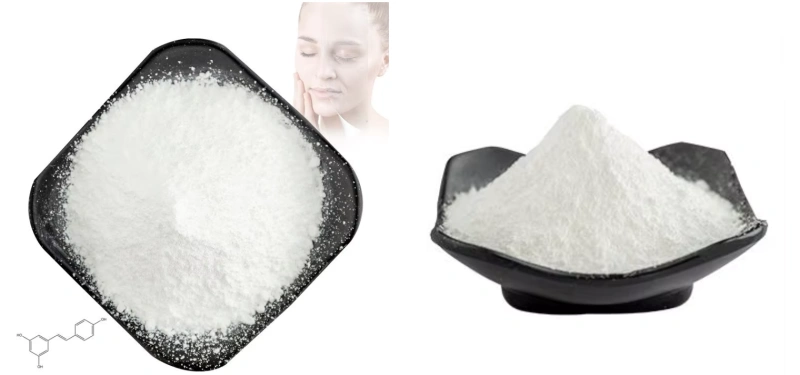
Salicin Powder Fundamentals: Identity, Grades, and Look-Alike Ingredients
To do good sourcing, you must first know exactly what you want to buy. First, let's talk about the molecule.
Chemical Identity, Properties, and Common Uses
Salicin is a phenolic glycoside, which is a sugar unit attached to a salicyl alcohol unit. It has the CAS number 138-52-3 and the molecular formula C₁₃H₁₈O₇. The approximate molecular weight is 286.3 g/mol. I still recommend that buyers compare these identifiers to the latest documents from the supplier. White Willow (Salix alba) and Purple Willow (Salix purpurea) are two species of willow from which commercial salicin powder is usually made. Common applications include analytical reference work, botanical screening, nutraceutical development, cosmetic research, and OEM formulation projects. Pharmacokinetic studies demonstrate absorption and subsequent conversion of salicin to salicylic acid. The grade and the paperwork you request should be decided by what you want to use them for.
Salicin Powder vs. Willow Bark Extract, Salicylic Acid, and Aspirin
These four materials look like they should belong together, but they don't. Purified Salicin has a clear structure. Willow bark extract contains many chemicals, including other salicylate-type glycosides and polyphenols. The amount of salicin it contains will depend on how it is standardized. For example, the European Pharmacopeia monograph for willow bark uses salicin as a marker to determine the total content of salicylic derivatives. That’s why the number on an extract label might not really be pure salicin. “Salicylic acid is a special molecule, and it works in a certain way. Aspirin is acetylsalicylic acid and is another compound with its own technical and regulatory requirements. When a buyer is looking at a substitution, I tell them to think of it as a new project that needs to be reviewed by technical, safety, quality, and regulatory experts.
How to Judge Purity and Quality Grades?
The test tells you how much salicin is there. You can't prove identity, low heavy metals, microbial control, or batch consistency with this test. Grade names like "research," "high-purity," "pharmaceutical," and "technical" don't mean the same thing everywhere. Think of "pharmaceutical grade" as a claim that needs to be backed up by written specifications and evidence from a quality system. Make sure you check the particle size, shelf life, storage conditions, residual solvents, elemental impurities, pesticides, related substances, and the assay basis (as-is or dried). Then, go through each line of the batch-specific COA and compare it to the approved specification. Before you do anything else, find out why a value is missing from the COA.
Salicin Powder Assay Methods and Manufacturing Controls
The next question is how the numbers were made once the specification looks good. Details about the method show you if a claim of purity is true.
HPLC and UPLC Assay: What to Check on the Report
High-performance liquid chromatography (HPLC) and its faster cousin, UPLC, are the most common ways to measure salicin and other substances that are similar. If the method isn't clear, the result doesn't mean much. Check the column, the mobile phase, the detection wavelength, how the sample was prepared, how it was calibrated, and whether the system is right for the job. Check to see if the result is given as-is or after being dried, as moisture can change the number given. The ICH Q2(R2) guideline lists specificity, accuracy, and precision as things that a validated analytical procedure should be able to show. If a supplier makes method information public, it's much easier for you to check them.
Identity, Moisture, and Impurity Testing
For Salicin Powder, HPLC identity is confirmed by comparing its retention time with that of a reference standard. Additional evidence can be obtained through FTIR, mass spectrometry, or NMR to verify the molecular structure. Karl Fischer titration or loss on drying is used to determine moisture content, while residual solvents are identified by headspace gas chromatography. ICP-MS is commonly used to detect elemental impurities, with daily exposure limits established under the ICH Q3D guideline. Independent laboratory testing is especially valuable when evaluating a new supplier, handling a regulated project, or placing a high-value order. I recommend sending a retained sample to a third-party laboratory and comparing the results with the supplier's COA.
Extraction and Manufacturing Considerations
The way the product is made affects the test results, the color, the particles' properties, and the consistency of each batch. Willow bark is usually extracted naturally by qualifying the raw material, extracting it, filtering it, concentrating it, cleaning it, drying it, milling it, and packaging it. Ask if the material comes from nature or is man-made, and make sure you understand where it came from and how it was made. Controls that are useful include approving raw materials, testing while in process, cleaning validation, stopping cross-contamination, managing deviations, and controlling changes. The powder should be kept safe from light, oxygen, moisture, and contamination in its packaging. The stated shelf life, retest period, and storage conditions should be backed up by stability data.
Supplier Quality Checks for Bulk Salicin Powder
The test results talk about a batch, but the systems of a supplier talk about every batch. The following checks will help you decide between the two.
Manufacturer, Distributor, or Intermediary?
First, you have to find out who the maker of the material is. A manufacturer runs the process, a distributor does storage and shipping, and a middleman might be responsible for neither. They can all be a good partner, but the quality deal has got to be right for the job. Check the relevant GMP, ISO, or HACCP certificates and ensure each one covers the site and scope you are buying from. Also, make sure you know where the product was made. Find out how the supplier handles customer complaints and changes and being told about them. In the U.S., 21 CFR Part 111 requires that manufacturers verify the identity of the ingredients in dietary supplements. If manufacturers want to use a supplier’s COA, they must be approved first.
Documents and Traceability
A full package typically comprises the specification, a COA for each batch, an SDS, a process overview, stability data, a statement of origin, and, if applicable, reports of impurities or microbiological. The batch number, test date, method, and limits on the COA should match those on the product label and specification. Traceability should link many raw materials to production lots, test records, retained samples, and final packaging. "Do a simple test. Give the supplier a lot number and ask them to pull that lot number's history. If the system gives you quick answers that match the records, then it is working. We should focus on the slow or unclear answers more.
A Practical Qualification Checklist for U.S. and European Buyers
Qualification is best done in three steps. First, check the basics: is the company registered? Where are the products made? How long has the team been exporting? How good are the documents? How fast can they answer technical questions? Second, verify that the supplier requirements, the assay method, the impurity controls, the sample results, the COA, and the SDS match what you have in place. Third, evaluate the commercial fit, including things like MOQ, lead time, payment terms, capacity, continuity planning, and customization support. Once everything is alright, write down the buying instructions and a quality agreement. Then, inspect each shipment for damage, paperwork accuracy, batch consistency, and any announced changes to the process.
Bulk Purchasing and Supplier Comparison for Salicin Powder
Once you have a shortlist of good candidates, you can start buying. Both budget and quality are protected by a clear request and a comparison based on the same criteria.
Define Your Requirements Before You Ask for Quotes
When sourcing Salicin Powder, vague inquiries often lead to vague quotes. Prepare a list of the intended application, target purity, preferred assay method, packaging size, destination country, annual volume, and required documentation before contacting suppliers. Supplement manufacturing, cosmetics production, and analytical laboratory use each require different grades and paperwork. A written specification also makes supplier comparisons fairer because everyone responds to the same requirements. Before the first sample is shipped, establish clear acceptance criteria, including an assay range, moisture limit, and maximum permitted metal levels. This reduces unnecessary communication and helps prevent delays with initial orders.
Compare Quotations and Evaluate Samples
Get quotes that are all the same in terms of purity and basis, tests that are included, packaging, freight, insurance, Incoterms, payment terms, lead time, and how the export will be handled. A low unit price can hide things like bad testing, problems with imports that cost a lot, or supply gaps. Ask for samples from a typical production batch, not a specially chosen lot, and decide what level of quality is acceptable before going full-scale. First, check the sample against the COA. Then, use the same method to check the first commercial lot. If they both match, you have real proof of consistency, not just a promise.
Packaging, Shipping, and Export Paperwork
Moisture is the biggest danger during long international shipping, so ask about inner liners, drums or cartons on the outside, the use of desiccants, and how the goods will be packed on pallets. Check that each unit has the right label and lot number. Make sure the shipment comes with the commercial invoice, packing list, certificate of origin, COA, and SDS. Also, find out what other customs documents the destination country needs. For U.S. imports, your customs broker can tell you what the entry requirements are, which could include getting FDA approval ahead of time for food-related uses. Add extra time to your lead time plan for customs, and find out how the supplier handles damaged or late cargo.
Safe Handling, Responsible Use, and the Final Buying Decision
The last step talks about what to do with the material, how to use it, and how to make the final deal once the quote has been accepted.
Handling and Storage
Before the first container comes, get a copy of the most recent SDS and read the classification of the risks for dust, breathing it in, coming into contact with your eyes, skin, and eating it by accident. Controls in the workplace, such as airflow, dust collection, gloves, eye protection, and a written spill procedure, should be matched to the amount and process. For storage, you usually need a cool, dry, well-ventilated area with sealed containers and moisture control. But always read and follow the instructions on your supplier's paperwork. Label and separate lots so that they can still be tracked after a container is opened. Before the first delivery, teach your staff how to do these things.
Responsible Use and Regulatory Review
Safety depends on the dose, the route of exposure, the formulation, the susceptibility of the individual, and the intended use. So a bulk supplier shouldn't say anything about dosage or medicine, and I will not say anything here. The European Medicines Agency’s willow bark monograph states that people allergic to salicylates should avoid willow bark as it’s broken down into salicylic acid. Products for people, animals, medicines, and supplements all need to be reviewed by professionals in toxicology and the government. Before you sell any finished product, make sure you know the rules for the destination market, including U.S. labeling and claim requirements.
Making the Final Decision: Weigh the Risks
The best supplier is not always the one with the best price or the best goods. Identity confirmation, clarity of the assay, controls for impurities, quality of the COA, performance of the sample, batch consistency, lead time, cost, and technical support are some of the considerations. Preferences change as you use it. Labs are asking for identity data and details on methodology. Drug developers need better GMP and impurity control. Distributors are looking at shelf life, packaging, and help with exporting. Red flags include incomplete COAs, purity claims that are not supported, chemical identifiers that do not match, unclear origin, missing SDS documents, and pressure to order before sample approval.
Conclusion
When purchasing Salicin Powder in bulk, price is as important as quality. The documents should contain information on identity, assay method, impurity controls, and batch traceability. None of these things are proven by a single purity number. Aspirin, salicylic acid, and willow bark extract are not the same as salicin, so any replacement will need its own review. The best proof is given by HPLC or UPLC tests, which are verified by tests for identity, moisture, solvent, and elemental impurities. Running independent tests before you use a new supplier or place a big order will also build your confidence. These all - qualifying your supplier, comparing quotes on an equal footing, approving samples, using protective packaging, and making sure you have the right export documents - reduce supply risk. It ends with the government safely handling and reviewing it. All these factors should be considered when you make a purchase decision.
FAQ
Which assay method is most common for Salicin Powder?
Most of the time, HPLC or UPLC is used with a reference standard. Ask about the column, the mobile phase, the detection wavelength, and whether the result is given "as is" or "dried."
Is Salicin Powder the same as willow bark extract?
No, pure salicin is a well-known compound. There are many parts to willow bark extract, and the amount of salicin it has depends on how it is standardized.
Which documents should I request before ordering?
For the lot you want to buy, ask for the specification, a batch-specific COA, an SDS, information on stability, an origin statement, and any test reports from a third party.
Should I order a sample first?
Yes. Before you put a finished product on the market, check written acceptance criteria against a sample from a representative production batch and destination-market regulations.
Can a bulk supplier give dosage advice?
No, dosage and therapy decisions should only be made by trained professionals and regulators. Instead, suppliers should give specifications and safety documents.
Request Salicin Powder Samples and Quotes from Yanxi Herbs
Looking for a supplier of Salicin Powder who can answer technical questions in a clear way? Salicin Powder made from willow bark is sold by Yanxi Herbs for use in research projects, cosmetics, and health products. Please email info@yanxiherbs.com with your desired purity, assay method, packaging format, yearly volume, and destination, and ask for a sample along with a batch-specific COA, SDS, and specification. Our team will look over your needs and get back to you with more information. You can find out more about our products at yanxiherbs.com.
References
1. U.S. Food and Drug Administration. Current Good Manufacturing Practice in Manufacturing, Packaging, Labeling, or Holding Operations for Dietary Supplements (21 CFR Part 111), 2007.
2. International Council for Harmonisation. ICH Q2(R2) Validation of Analytical Procedures, 2023.
3. International Council for Harmonisation. ICH Q3D(R2) Guideline for Elemental Impurities, 2022.
4. European Medicines Agency. European Union Herbal Monograph on Salix (various species including S. purpurea L., S. daphnoides Vill., S. fragilis L.), cortex, 2017.
5. Schmid B, Kötter I, Heide L. Pharmacokinetics of Salicin After Oral Administration of a Standardised Willow Bark Extract. European Journal of Clinical Pharmacology, 2001.
6. Mahdi JG. Biosynthesis and Metabolism of β-d-Salicin: A Novel Molecule That Exerts Biological Function in Humans and Plants. Biotechnology Reports, 2014.

Send Inquiry
Related Industry Knowledge
- How Can Bulk Fo-Ti Extract Powder Help Brands Expand Plant-Based Ingredient Product Portfolios?
- Hyaluronic Acid Powder Bulk Helps Cosmetic Manufacturers Develop Hydrating Serums, Masks, and Anti-Aging Product Lines
- Why Do Manufacturers Choose Stevia Extract Powder for Formulations?
- What Makes Chaga Mushroom Extract Powder Suitable for Beverage and Powder Blend Applications?