
D-Allulose Powder for Low-Sugar Bakery, Beverage, and Confectionery Manufacturing
Nov 10, 2026
D-Allulose Powder is a rare sugar sweetener that sweetens food and drinks without using as much sucrose. It keeps the colour, taste, and body of sugar. The FDA says it should have about 0.4 kcal per gram, and it's about 70% as sweet as sugar. It also doesn't show up on the lines for Total Sugars and Added Sugars in the US. I talk about where allulose works best, how it compares to other sweets, and what people should look for before they buy a lot of it. You need to do test runs because the end result will depend on the recipe, the process, and the rules in your area.
What Is D-Allulose Powder and How Does It Behave in Food?
Rare Sugar Basics
It is an epimer of fructose and is a simple sugar with the formula C6H12O6. You can also call it D-psicose. It's found in very small amounts in wheat, figs, and raisins. Genes that can change sugar into something else are in high demand. This is how farmers get enough to be useful. Even though D-Allulose Powder is sweet, it's not nearly as bad for you as sugar. Even though it has the same shape as fructose, the body doesn't use it the same way. In 2010, Metabolism published a study that looked at people and found that most of the D-Allulose Powder they ate was flushed out of their bodies in their urine and not used as energy. When they ask, I'll be able to explain to the R&D teams why D-Allulose Powder doesn't work like sugar alcohols.
Physical and Chemical Properties
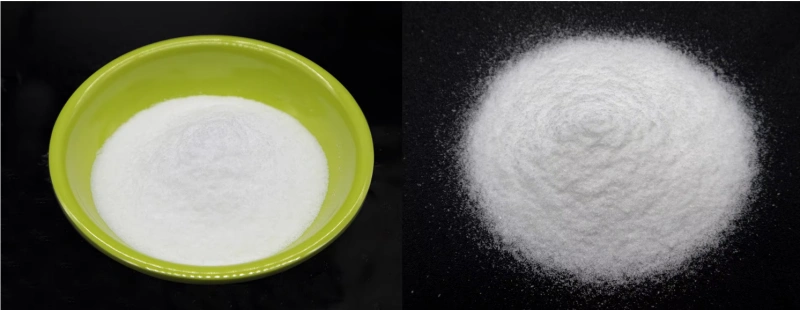
D-Allulose Powder is easy to mix into drinks and syrups because it breaks down at about the same speed as sugar. That's how fast the Maillard process starts. This is what makes baked goods look and smell good when they're not hot. The powder we have is white and clear. It's called D-Allulose Powder. It has pieces that are about the size of an 80-mesh sieve. This is the best way to mix dry premixes. People who buy D-Allulose Powder should still keep open bags away from damp places, even though it doesn't soak up water as quickly as fructose. As they try to change the heat or length of time in the oven, the browning should happen faster.
Powder vs. Liquid Format
D-Allulose Powder and syrup are the two kinds. It's important not to use too much dry grains when making dry mixes, coffee drinks, baked goods, or anything else. I always tell people this. D-Allulose Powder is not like sugar because it does not have extra water. This is a good way to control the amount of water in bars and baked goods. It's easier to work with syrup than D-Allulose Powder when making soups, dressings, and ready-to-drink bases. To follow our rules, D-Allulose Powder can be kept for 24 months as long as it is packed and stored correctly. It's also simple to store. Teams should compare the test, wetness, particle size, and microbial limits of both types before making a decision.
D-Allulose Powder Nutrition Facts, Calories, and Safety
Calories and Blood Sugar Impact
Do not use teaspoons to figure out how much to give. Instead, use grams. Different types of particles and their sizes can change how much a teaspoon weighs. According to the FDA, one gram of sugar has 4 kcal, and one gram of D-Allulose Powder has about 0.4 kcal. Researchers of rare sugars, like the one in Pharmacology & Therapeutics (2015), have found that D-Allulose Powder doesn't have a big effect on insulin or blood sugar levels. Teams should not say things about ketones or blood sugar that they can't back up. Things will still turn out the way they are supposed to if the whole plan goes as planned and enough food is given. Once you're done with the item, check the nutrition facts to make sure they are correct.
US Labeling Rules
The FDA said in April 2019 that D-Allulose Powder does not need to be on the lists of Total Sugars and Added Sugars. This page tells you what allulose is and how many calories it has. It says that 0.4 kcal are in one gram of D-Allulose Powder. D-Allulose Powder is an ingredient that is listed as a carbohydrate, so you can think of it that way. When you talk about claims about nutrients, like "keto," you need to follow different rules. There are new instructions that formulation teams should read before they start making signs. The people in charge of quality and rules should keep a copy in the product file with a date on it.
Safety, Side Effects, and Formulation Limits
Still, safety is different for each job, product, and amount used. D-Allulose Powder was looked at in notes about GRAS that were sent to the FDA. Some people get gas or loose stools when they eat a lot of low-calorie sweets at once. When eaten in big amounts, D-Allulose Powder stays the same. People who make the products should be able to see how real people use them. Also, people should be able to eat only so much at once. Many people may find it easier to handle D-Allulose Powder than some sugar alcohols because it is taken in the small intestine. Being tolerant doesn't always work the same way, to be honest. People who want to buy something should ask for formal papers, food safety guidelines, and tests for contaminants.
D-Allulose Powder Benefits for Bakery, Beverage, and Confectionery Manufacturing
Bakery Applications
Only D-Allulose Powder, a high-intensity sugar, can make cookies, cakes, or gluten-free bread fuller. It also gives the bread colour, texture, and bulk. It can make things soft and keep water in. People often turn down the oven temperature or bake the D-Allulose Powder for less time to make it brown faster. I think you should use D-Allulose Powder instead of 50% sucrose if you want to change things. There are various types of spread, crispness, rise, and the way the water moves. You can make it taste sweet again by adding some stevia or monk fruit. This is because D-Allulose Powder is about 70% as sweet as sucrose. One should check the feel of the bench scale, and the other should check the shelf life.
Beverages and Frozen Desserts
It's easy to make syrups, drink mixes, and healthy drinks with D-Allulose Powder and water. A lot of people who make sweets use it because it has a round sweetness that quickly smooths out the aftertaste of strong sweeteners. When it comes to frozen desserts, those with D-Allulose Powder are less likely to get big ice crystals than those with sucrose. This will make your low-sugar ice cream smoother and creamier. The pH level, the tastes, the amount of sediment, and the fact that the drinks can be served hot, cold, or at room temperature should all stay the same. Make sure that the taste and clarity don't change while it's being kept.
Confectionery Applications
The way candy crystallises, its shape, and how much water it has all affect how good it is. In this case, sugar is very important. It keeps its shape better with D-Allulose Powder most of the time than with erythritol. This keeps stews, caramels, and soft sweets smooth. Because it browns so quickly, you need to change the dates and times you cook it. It's been a few weeks since I made the sweets. I want to see how they cool, how they feel, and how stable they are. If there is too much heat, the colour can quickly go off track. We can fix problems before they get too big and cost a lot to fix when they happen in a small test group.
D-Allulose Powder Compared with Other Sweeteners
Allulose vs. Sugar
Still, sugar tells us how sweet, steady, and thick something is. To get to D-Allulose Powder, which has about 70% of that sweetness, most recipes call for a bigger dose or a mix of different amounts. It gives food bulk and browns quickly. This D-Allulose Powder, on the other hand, has only about 0.4 kcal per gram, while sugar has about 4 kcal per gram. A lot of the time, foods like crisp cookies are made more rigid by adding proteins or starches. To begin, I believe you should use partial replacement to create some changes. Then make more changes as the texture data lets you.
Allulose vs. Stevia and Monk Fruit
For more sweetness without making it too heavy, add a little stevia or monk fruit to D-Allulose Powder. Extra-strength sweets may leave behind bad tastes if they are used in large amounts. These sweets don't have any extra bulk, so they don't feel good when you eat them. The D-Allulose Powder gives this mix its round shape and flavour. It's sweeter because of the stevia or monk fruit. Along with the dose, it's important to think about how much it costs to use D-Allulose Powder. Before sensory groups say "yes," they need to test the texture, the beginning and end of the taste in the lab and on a small scale.
Allulose vs. Erythritol
It is a sugar alcohol that is often found in foods that are low in sugar. It cools your mouth and can return to crystals in baked goods or sweets. D-Allulose Powder doesn't make things colder; it makes them softer. There are some things that like it dark and some that like it bright. Some businesses use both things together to get the best price, bulk, and taste. I agree that you should look at each blend ratio in the real product grid after the product has been made. It will depend on how much heat, fat, and water were used.
How to Select and Buy D-Allulose Powder in Bulk?
Specifications to Request
Figure out the size of the batch, the pH level, the process temperature, and the market you want to sell to. After that, look at what D-Allulose Powder can do. The science sheet says that our D-Allulose Powder needs to be at least 98.5% pure in order to be food grade. It looks like ice, this white powder we have. It's said to be 99% clean. It loses 5.5% when it dries, 5.5% as ash, and 10% as heavy metals. The plate count is less than 1000 cfu/g, and the yeast and mould counts are both less than 100 cfu/g. All the pieces are put in order by an 80-mesh screen. It will last 24 months if you store it right and seal it up. Fill out the same form with each provider so that you can compare them.
Quality Control and Documentation
For quality managers, they should ask for a COA that is unique to the batch, an SDS, data on microbes and allergies, where the product came from, and instructions on how to store it. To make sure the quality is good, we check for heavy metals like arsenic, cadmium, lead, and mercury. We also look for bacteria, measure the particle size, and rate how good it tastes. Yanxi Herbs makes this D-Allulose Powder. They are certified by ISO 22000, HACCP, SGS, Kosher, and Halal. It's safe to use. It has also been given the green light by the FDA, ISO, and HACCP. You should see what the service provider says about the arrival review standards and compare that to their data. That way, you'll know about any changes to the process before they reach your queue.
Packaging, Stock, and Delivery
When managers buy things, they don't just look at how much each kg costs. Several things can change the landed cost, such as the goods being shipped, the amount of goods being shipped, the duty rates, and the payment terms. D-Allulose Powder will be sent to you one to three business days after you pay. You can buy D-Allulose Powder right now. There are bags, boxes, and drums that weigh only 1 kg each. These can be used for factory runs or lab tests. You can test them out for free to see how they work. Also, we can store your things close to you in the US and Europe, which can cut down on wait times. Before you send out your first order, make sure the building is dry, lined with bags, sealed, and stacked on pallets.
Formulation Workflow and Supplier Partnership
There is less risk when the flow of work is watched. Set goals for the food's price, calories, sweetness, texture, colour, and how long it will last. First, try a little D-Allulose Powder with or without stevia, monk fruit, or erythritol. Write down the temperature, pH, amount of water, and the order in which the elements were mixed. Third, pay close attention to how the liquid changes colour, thickens, tastes, and cools. First, check to see if the test scale results are good. Then, decide on the final rules for releases in groups. Since 2010, Yanxi Flowers has sent real flowers to over 100 different places around the world. We offer samples, customisation, and technical help from the time you try us out for the first time until you get your predicted order.
Conclusion
D-Allulose Powder can be used to make sweets, drinks, and baked goods with less sugar. It is a rare sugar that is about 70% as sweet as sucrose and has 0.4 kcal per gram. It can also be used to make food brown and give it more bulk. The FDA says that allulose can be a part of Total Carbohydrates but not Added Sugars or Total Sugars. Not everything works the same. They need to keep an eye on how the food browns and spreads while it's baking. When making drinks, teams need to keep an eye on things like how well they dissolve and how stable they are. Lastly, people who make sweets need to keep an eye on crystallisation. Adding stevia or monk fruit will make it sweet again, and D-Allulose Powder will keep it from cooling down as erythritol does. If you take too much, it might hurt your stomach, so try taking smaller amounts. To buy smart, get clear specs, keep track of each batch, and try a small number of them before making a lot of them.
FAQ
Can D-Allulose Powder replace sugar one to one?
Not really. Most recipes need to change how much to cook and how long to cook it for. Because it's about 70% as sweet as sugar, it goes brown faster. First, switch out some of the sugar for D-Allulose Powder. If it's not sweet enough, you can add sugar or monk fruit.
How is allulose labeled in the US?
Companies don't have to list it in their 2019 Total Sugars and Added Sugars statements. That's something the FDA can do. You can still think of it as a carbohydrate, and each gram has 0.4 kcal of calories.
Does allulose cause digestive issues?
You could get gas, bloating, or loose stools if you eat a lot. Portion sizes that are more like the real thing should be tried because everyone is different.
Is a sample available?
Yes. You can try D-Allulose Powder at no cost. The things will be sent out one to three business days after you pay.
Which certificates apply?
This D-Allulose Powder has been approved by ISO, HACCP, the FDA, and is Kosher and Halal.
Request a D-Allulose Powder Sample or Bulk Quotation
Planning a low-sugar launch? At Yanxi Herbs, you can try D-Allulose Powder for free. We are a D-Allulose Powder manufacturer with stock on hand and certificates for ISO, HACCP, FDA Registration, Kosher, and Halal. Your order will be sent within one to three business days after you pay. Send your application, volume, and packaging needs to info@yanxiherbs.com or visit yanxiherbs.com for details. Our team will reply with a sample, technical data, and a quotation.
References
1. U.S. Food and Drug Administration. The Declaration of Allulose and Calories from Allulose on Nutrition and Supplement Facts Labels: Guidance for Industry. 2020.
2. Iida T. et al. Failure of d-psicose absorbed in the small intestine to metabolize into energy and its low large intestinal fermentability in humans. Metabolism, 2010.
3. Hossain A. et al. Rare sugar D-allulose: Potential role and therapeutic monitoring in maintaining obesity and type 2 diabetes mellitus. Pharmacology & Therapeutics, 2015.
4. Zhang W. et al. Recent advances in D-allulose: Physiological functionalities, applications, and biological production. Trends in Food Science & Technology, 2016.
5. Mu W. et al. Recent advances on applications and biotechnological production of D-psicose. Applied Microbiology and Biotechnology, 2012.
6. Mooradian A.D. et al. The role of artificial and natural sweeteners in reducing the consumption of table sugar: A narrative review. Clinical Nutrition ESPEN, 2017.

Send Inquiry
Related Industry Knowledge
- How Can Bulk Fo-Ti Extract Powder Help Brands Expand Plant-Based Ingredient Product Portfolios?
- Hyaluronic Acid Powder Bulk Helps Cosmetic Manufacturers Develop Hydrating Serums, Masks, and Anti-Aging Product Lines
- Why Do Manufacturers Choose Stevia Extract Powder for Formulations?
- Stevia Extract Powder Helps Create Clean-Label Food and Beverage Products