
How to Choose Bulk Lycopene Powder for Functional Food and Supplement Production?
Nov 20, 2026
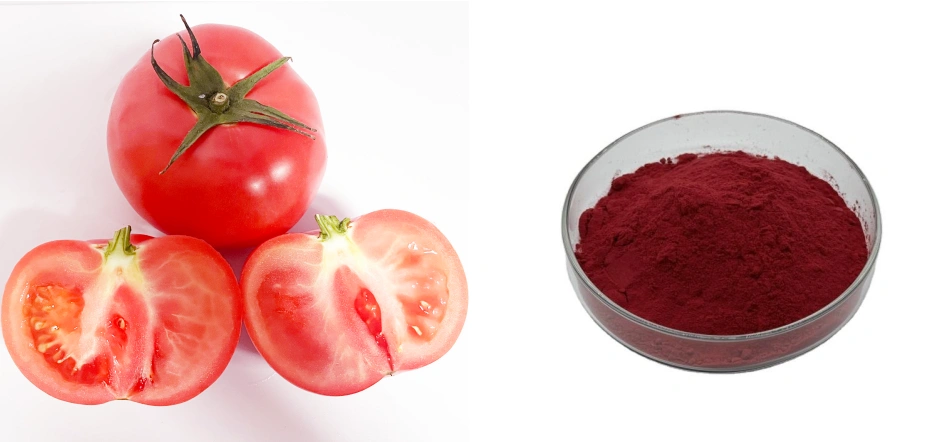
To pick Bulk Lycopene Powder for functional food and supplement manufacturing, begin with your final product and match the powder to it. Determine the format (capsule, softgel, beverage, or dry mix) and select oil-soluble or water-dispersible grades. Check the source and the percentage of lycopene by HPLC. Check the certificate of analysis, stability data, certificates, and do a pilot trial on your own equipment. Compare cost per gram of active lycopene, not just price per kilo. I go through each step below so your team can confidently select a provider.
Start With the Application and Procurement Requirements
Define the Finished Product and Processing Conditions
The first thing I usually ask customers is: What is the end product? A softgel, a sports beverage, and a tomato-based snack bar all call for a distinct lycopene form. Lycopene is fat-soluble; hence, oil-based fills, water-based beverages, dry mixes, and emulsions are quite distinct products. Processing is important too. Performance is affected by heat, pH, humidity, shear, and light, since lycopene is a carotenoid that interacts with oxygen and light. List your batch size, mixing technique, and filling equipment, plus your heat stages before you call any provider. This brief list keeps the talk technical and protects you from paying for a grade that doesn’t suit your line.
Confirm Destination-Market Requirements for the U.S.
Confirm U.S. Destination-Market Requirements. If you sell in the United States, the specification is regulatory-driven. Dietary supplement manufacturers are required to follow FDA’s current good manufacturing practice regulation found in 21 CFR Part 111, which includes identification testing of dietary constituents. Food and beverage businesses should also verify how lycopene is categorized for their use. If you want to utilize lycopene for coloring purposes, be aware that tomato lycopene extract and tomato lycopene concentrate are listed as color additives exempt from certification in 21 CFR 73.585 by the FDA. Ask supplier for allergy declarations, GMO status, contaminant limits, and certifications such as ISO, HACCP, Kosher and Halal. Then your quality manager may check the paperwork before any sample ever reaches the lab.
Write a Short Procurement Brief
One-page briefs save weeks. Target potency, yearly volume, pack size, shelf life, documentation necessary, and delivery point. Add the application and dosage form so that the provider may propose a grade rather than quote a generic one. Purchasing teams may then compare quotes line by line, and R&D can work out whether each grade meets the algorithm. I would also include your launch date in the list, since lead time and sample clearance often dictate the actual timetable. Bulk Lycopene Powder is in stock at Yanxi Herbs, and we deliver within 1-3 working days after payment. A clear brief allows us to go from sample to order without delay.
Evaluate the Source, Ingredient Declaration, and Specifications
Compare Tomato-Derived Lycopene With Other Sources
Lycopene is commercially available from tomato extract, tomato oleoresin, fermentation, and chemical synthesis. Each approach impacts labeling, pricing, and product placement. Tomato-derived lycopene is a good fit for companies who want a plant-based narrative and a recognized ingredient name on the label. Our Bulk Lycopene Powder is derived from the ripe fruit of Lycopersicon esculentum, the tomato. Ask each provider about the origin of the raw material, the extraction technique, the purification procedures, and the powder-conversion technology. If a supplier answers these questions in writing, it’s easy to audit them. If the answers are fuzzy, think red flag, since the source dictates regulatory status and consumer claims.
Read the Whole Ingredient Declaration
Just a lycopene percentage is not sufficient to define the powder. The balance of the mix is made up of carriers and protective agents such as maltodextrin, starch, gums, antioxidants, or encapsulating ingredients. Such carriers are water-dispersible by design. Ingredients impact allergy status, clean-label claims, and end product labeling. Ask for the whole formulation and compare it with the labeling regulations of your target market. A clean-label beverage company may reject a carrier that a capsule producer would gladly take. I suggest you email the declaration to your regulatory management before the sample trial and not after it. That sequence of action prevents a failed reformulation at late development.
Compare Potency, Purity, and Physical Data
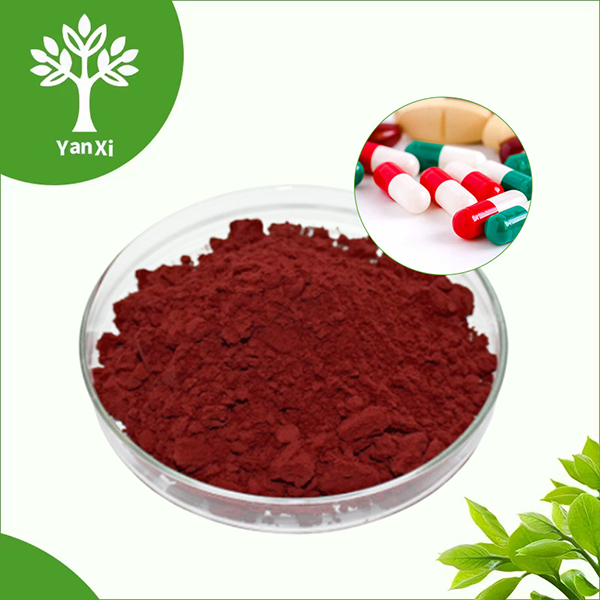
We provide lycopene powder with lycopene contents of 5-20% as HPLC. The greater the grade, the lower the inclusion rate. A 5% grade may disseminate or dose more easily in particular formulations. Along with the physical data, verify the test technique and batch tolerance. Our standard is Red to deep red fine powder, 100% through an 80-mesh filter, Loss on drying 5% max, Ash 5% max, Heavy metals 10 ppm max. Total plate count <1000 cfu/g; yeast and mold <100 cfu/g. Batch-specific certificates of analysis will include particle size and moisture, which impact flow in filling machines and mixing.
Match Solubility, Stability, and Application to Your Formula
Choose Between Oil-Soluble and Water-Dispersible Formats
Lycopene is fat-soluble but not water-soluble. Oil-soluble powder for softgels, oil suspensions, and lipid-based capsules. Our Bulk Lycopene Powder is water-dispersible, suitable for drinks, quick mixes, and tomato-based functional meals. Still, never take the statement “water soluble” at face value without facts. Ask about the dispersion results for your temperature, mixing duration, pH, sugar level, salt level, and fat content. Then try it out on your own equipment in a pilot trial. Trials show sedimentation, color change, or ringing at the neck of the bottle, which a lab sheet cannot predict.
Check Stability, Antioxidant Behavior, and Shelf Life
Lycopene is prized for its antioxidant properties. In a 1989 study in Archives of Biochemistry and Biophysics, it was shown to be the most effective singlet oxygen quencher among the carotenoids studied. It is also subject to oxidation due to its conjugated double bond structure and is hence susceptible to degradation by oxygen, light, heat, moisture, and metal ions. Request expedited and real-time stability data and inquire whether nitrogen flushing, oxygen absorbers, or light-resistant packaging is employed. Properly stored and protected, our powder has a shelf life of 24 months. Remember, ingredient function is not the same as an allowed health claim. Your finished-product claims still must satisfy FDA guidelines for foods and dietary supplements.
Use a Simple Decision Matrix by Application
Different goods reward different priorities. Capsules and softgels require oil compatibility or a suitable encapsulated system, stable assay, low moisture, and efficient filling flow. Beverages and functional meals require water dispersibility, suspension stability, color consistency, and compliance with processing pH. Private label supplements are traceable, include labeling support, regulatory files, and may be produced several times. Food grade alone cannot match the standards of cosmetics, and cosmetics need to be confirmed separately. Compatibility with oil or emulsion, color stability, odor, and safety documentation. In 1992, a study published in The Journal of Nutrition found increased lycopene absorption from heat-processed tomato juice than from unprocessed juice, a reminder that processing and food matrix influence performance.
Build a Supplier Checklist and Compare Commercial Terms
Verify Certifications and Documents
Quality is shown by papers, not promises, from a reliable provider. Verify existing certifications, the production site covered by them, complaint handling, recall processes, deviation records, and change control. Each shipment will be accompanied by a COA with assay, microbiological, heavy metals, moisture, batch number, and test procedures. Yanxi Herbs has ISO 22000, HACCP, SGS, Kosher and Halal certificates. The Bulk Lycopene Powder listing contains ISO, HACCP, FDA Registration, Kosher, and Halal. Ask for copies of any certificate you are relying on, and check that the scope covers the goods you want to purchase.
Compare Cost per Gram of Active Lycopene, MOQ, and Packaging
Price per kg might be misleading. 5% powder vs. 20% powder has different lycopene concentrations. Divide the cost by grams of active lycopene and then add freight, testing, waste, and formulation yield. Kindly confirm MOQ and lead time for normal grades, special grades, and pilot orders. Packaging must protect lycopene from light, air, and moisture during shipment. We provide Bulk Lycopene Powder in 1kg, 5 kg, and 25kg barrels. A full quote should include the grade, pack size, Incoterms, payment conditions, sample policy, testing costs, and lead time.
Check OEM Support and Supply Continuity
The medium and large manufacturers require more than one shipment. Ask about support with formulation, pilot production, packaging alternatives, regulatory paperwork, scale-up, and clear technical communication in English. Yanxi Herbs has been researching, producing, and exporting natural ingredients to over 100 nations and regions since 2010, with local warehouse support in Europe and the US. Stock availability and proximity of warehouses decrease delivery times and the likelihood of line stoppages. I also recommend approving a second supplier for crucial items, which preserves your manufacturing schedule if one supply channel is stopped.
Avoid Common Mistakes and Follow a Selection Workflow
Watch for Single-Claim Decisions
The most typical error is to judge a single allegation on its own. High potency is no good if the powder disperses poorly or changes color. There is a need for certifications, test results, and precise definitions for words like natural, organic, non-GMO, high purity, water soluble, and pharmaceutical grade. Laboratory standards also cannot anticipate all processing results; therefore, test under actual production settings. Teams that accept a material on assay alone typically see color variance at scale. Check out COA’s, allergy declarations, origin paperwork, and import records before manufacture and shipping, since missing files might delay a container and a product launch.
Follow a Six-Step Selection Workflow
The adjustment to the process reduces technical, regulatory, and commercial risk. First, choose product format, target market, dose, and regulatory class. 2. Write a specification: source, potency, distribution mechanism, certificates, shelf life, packaging. Third, choose suppliers based on quality systems, capacity, technical support, and export experience. Fourth, seek samples, COAs, data sheets, safety documentation, and stability data. 5. Conduct application tests. Sixth, sort out commercial terms and authorize the supplier by inbound inspection, change notice, batch release, and periodic review. Each step generates a record your quality team can audit later on.
Request a Sample Before You Commit
A datasheet is proof of samples. Test your own recipe for dispersion, color, flow, and odor on the powder and compare it to the batch COA. Yanxi Herbs gives a free sample of Bulk Lycopene Powder, so your R&D team may verify the quality before any purchase. Tell us your application, dosage form, and desired potency, and we may recommend an appropriate grade of lycopene extract, either oil-soluble or water-dispersible. Once the sample is approved, buying may arrange for quantities with a supplier that has stock and can deliver fast.
Conclusion
Choosing Bulk Lycopene Powder starts with the finished product, because capsules, softgels, beverages, and tomato-based foods need different formats. The source and full ingredient declaration determine labeling and regulatory fit, while HPLC potency, particle size, moisture, heavy metals, and microbial limits show whether a batch is consistent. Oil-soluble and water-dispersible grades behave differently, and pilot trials confirm dispersion and color. Lycopene's antioxidant chemistry also makes it sensitive to oxygen, light, and heat, so stability data and protective packaging matter. Certifications, batch COAs, cost per gram of active lycopene, MOQ, and lead time complete the supplier comparison, and a second source protects continuity. A structured workflow, from specification through sample testing to batch release, turns these checks into a repeatable decision.
FAQ
What is the difference between 5% and 20% lycopene powder?
The number shows the lycopene content measured by HPLC. A higher grade lowers the inclusion rate, but the best choice depends on dosage, dispersion, formula size, and total cost.
Is lycopene powder water soluble?
Lycopene is fat-soluble. We offer a water-dispersible form for beverages and instant mixes, and I still recommend a pilot trial in your own system.
How long is the shelf life?
The shelf life is 24 months under sealed and proper storage. Keep the powder cool, dry, and protected from light.
Can I get a sample before ordering?
Yes. A free sample is available; the product is in stock, and delivery takes 1-3 working days after payment.
Request Bulk Lycopene Powder Samples and Technical Support From Yanxi Herbs
Looking for a Bulk Lycopene Powder supplier that keeps stock and ships quickly? Yanxi Herbs offers 5%-20% lycopene by HPLC, free samples, certified quality, and US warehouse support. Email info@yanxiherbs.com with your application, volume, and target grade, and our team will reply with specifications and a COA. Visit yanxiherbs.com for details.
References
1. Di Mascio P, Kaiser S, Sies H. "Lycopene as the most efficient biological carotenoid singlet oxygen quencher." Archives of Biochemistry and Biophysics, 1989.
2. Stahl W, Sies H. "Uptake of lycopene and its geometrical isomers is greater from heat-processed than from unprocessed tomato juice in humans." The Journal of Nutrition, 1992.
3. Shi J, Le Maguer M. "Lycopene in tomatoes: chemical and physical properties affected by food processing." Critical Reviews in Biotechnology, 2000.
4. Rao AV, Agarwal S. "Role of lycopene as antioxidant carotenoid in the prevention of chronic diseases: a review." Nutrition Research, 1999.
5. U.S. Food and Drug Administration. "21 CFR 73.585 Tomato lycopene extract; tomato lycopene concentrate." Code of Federal Regulations, current edition.
6. U.S. Food and Drug Administration. "21 CFR Part 111 Current Good Manufacturing Practice in Manufacturing, Packaging, Labeling, or Holding Operations for Dietary Supplements." Code of Federal Regulations, current edition.

Send Inquiry
Related Industry Knowledge
- How Can Bulk Fo-Ti Extract Powder Help Brands Expand Plant-Based Ingredient Product Portfolios?
- Hyaluronic Acid Powder Bulk Helps Cosmetic Manufacturers Develop Hydrating Serums, Masks, and Anti-Aging Product Lines
- Bulk Stevia Extract Powder Meets Growing Demand for Plant-Based Sweeteners
- Why Do Manufacturers Choose Stevia Extract Powder for Formulations?