
How to Compare Maca Root Extract Powder Specifications
Oct 27, 2026
To compare Maca Root Extract Powder specifications, I check five things in order: the extract ratio (such as 10:1 or 20:1), the marker compounds like macamides, the safety limits for heavy metals and microbes, the physical data such as particle size and moisture, and the documents behind each batch. A number on a data sheet only helps when a test method and a certificate of analysis back it up. I place two or three suppliers in one table, request samples, and test them in my own formula before any bulk order.
This guide is written for R&D, purchasing, and quality teams at supplement, functional food, beverage, and personal care companies. Each team reads a spec sheet differently, so I explain every line in plain terms and show where Yanxi Herbs data fits.
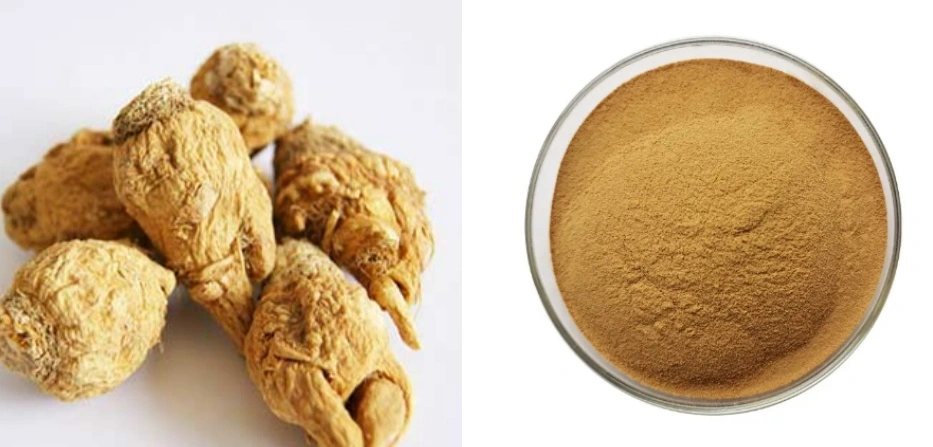
Understanding Maca Root Extract Powder: Key Specifications to Know
Before you compare suppliers, you need to know what each line on the data sheet describes.
How Extract Differs from Raw Maca Powder
The dried root is ground into a fine flour to make raw maca powder. In other words, the starch and fiber are still in the powder. In the process of making Maca Root Extract Powder, the active ingredients are reduced, and most of the plain root material is taken away. This is important in real life. A pill or stick pack doesn't have a lot of room for active ingredients. A concentrated powder, on the other hand, can fit more of the good stuff into each dose. Maca comes from a plant in the high Andes of Peru. It is in the family Brassicaceae. It is called Lepidium meyenii Walp. in the scientific world. Reviews that have been written say that the root has chemicals in it that are named macamides and macaenes. There are also glucosinolates there. People want an extract instead of plain flour for a few main reasons.
What the 10:1 and 20:1 Ratios Mean
This number tells you how much dried root you need to make a certain amount of powder. For a 10:1 grade, 10 parts of root are used to make 1 part of extract. For a 20:1 grade, 20 parts of root are used to make 1 part of extract. What was put in is shown by the ratio, not what was promised to be in the marker. Two sources can both say that their process is 10:1 but still make different amounts of macamide because the root, the liquid, and the method are all different. That's why I always read the rate next to the sign for a complicated number. These are the grades we list for our products: 10:1 and 20:1. Maca alkaloids are what make it work, and the normal range for macamides is 10% to 20%. I believe you should make sure that the right number and test method are put on each lot's proof of analysis.
Root Color, Origin, and Organic Claims
Maca roots mostly grow in shades of yellow, red, and black. It has been found that different types of color have different chemicals in them, so ask your supplier what kind goes into the extract. Origin is also a big deal. To make our powder, we use maca roots that are grown way up high. What is used is the dried root. Also, look at the plant's name. In 2006, the International Journal of Biomedical Science published a paper about the names "Lepidium meyenii" and "Lepidium peruvianum." The name on the spec sheet should match the name on your label and regulatory file. When you sell a finished item that says it is organic, you should get the organic certificate separately and not just look at where the item came from.
Criteria for Comparing Maca Root Extract Powder Specifications
Now, compare each seller using the same short list of factors.
Potency and Purity Markers
Start with the compounds that mark objects. Most people who buy something want to know about glucosinolates and macamides. For every number, you should ask three things. Do you mean HPLC? What kind of analysis did it use? Did the test take place in-house or by a lab from a different business? Where does the answer come from? Is it dry or as-is? It's not fair to compare the two because the dry-basis answer looks better than the same sample given as-is. The powder is also pure because of what it doesn't have. Ask the seller if they include any fillers or carriers, such as maltodextrin, that make the active ingredient less effective. There are no extra chemicals in the powder, which fits with the clean-label language we used for our product information.
Physical and Chemical Limits
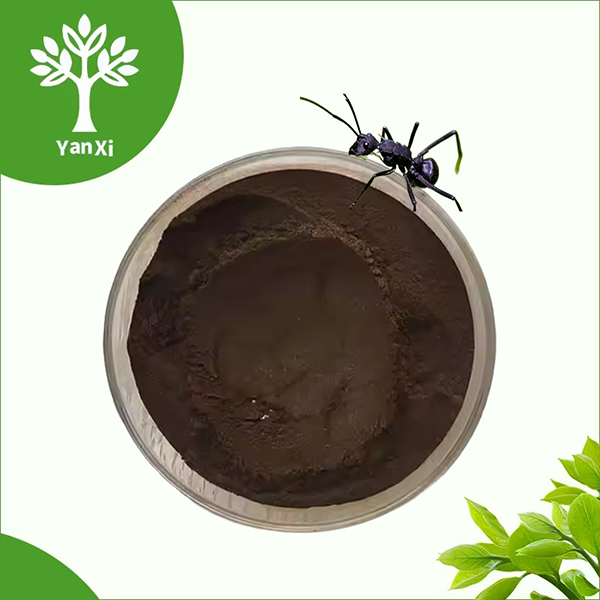
There are actual facts that affect how the powder works on your machine. Our brown-yellow Maca Root Extract Powder goes through an 80-mesh sieve without any problems. The weight goes down by ≦5% when it dries, and there is ≦5% ash in it. Powder that is too wet cakes, clumps, and goes bad faster, so it's important to keep it dry. These ashes show how many inorganic minerals are there. If the value is high, it could mean that the ash is soil or waste from processing. There are different ways for particles of different sizes to move through capsule machines, stick packs, and liquid mixes. In our product description, we say that the powder is free-flowing and dissolves quickly in water. It can be used in functional drinks, pre-workout recipes, and supplements for men's health. Place these limits next to each other and test them to make sure they are right.
Safety Limits and Microbial Data
It's time for the next rule, which is safety numbers. It's important that there are fewer than 10 parts per million of heavy metals, fewer than 1000 plates, and fewer than 100 yeast and mold. As much heavy metal as possible is just the start. In the US, many good teams also want to see results for mercury, arsenic, lead, and arsenic listed one by one. You should ask for element-level data if your own standards are higher. Rules help keep this habit going. 21 CFR Part 111 of the FDA's dietary supplement cGMP rule says that companies that make supplements must limit contaminants and verify the authenticity of the ingredients they use. If the supplier's paperwork comes with the tests, it's easier to do your own audit. You shouldn't compare the limits if the ways tests were done are different. Since the same lot can have different readings with different tests, this is the case.
How to Evaluate Maca Root Extract Powder Suppliers and Brands
Take a look at the spec sheet first. After that, you should check out the business that made it.
Certifications and Documents
The back of a strong data piece needs paper. Yanxi Biotech has ISO 22000, HACCP, SGS, Kosher, and Halal certifications. There are also ISO, HACCP, FDA, Kosher, and Halal marks on our Maca Root Extract Powder. A business is FDA-registered if it is registered with the FDA. It doesn't mean the FDA likes the product. The standard sheet, an analysis certificate that is unique to the lot, and up-to-date certificates should be asked for from each provider. The lot number on the COA should match the lot number on the drum label. People in charge of quality should also ask for records that show where the raw materials for each batch came from. Most of the time, a well-run quality system means that papers come in quickly and match.
Supply Stability and Delivery
For buyers, having a steady supply is more important than getting a single low price. We have Maca Root Extract Powder in stock, and it will be sent to you one to three business days after you pay. You can pack things in 1 kg bags, 5 kg boxes, or 25 kg drums, so you can pick the right size for a test run or a full order. Also, Yanxi Herbs has warehouses in both the US and Europe. Wait times for people in the US are reduced. Yanxi Biotech has sent natural ingredients to more than 100 countries and regions since it began in 2010. Food will stay fresh for 24 months if it is kept in the right way and sealed. Find out how long it will take for the goods to get to your dock, and ask the dealer how they handle repeat sales when needs grow.
Pricing and Total Cost
It's not always clear what the price per kilogram means. Price per serving will depend on how much you need and what kinds of markers are in each grade. A 20:1 grade might cost more per kilogram than a 10:1 grade. Cut the price in half, and then look at the difference between the two amounts. You should add the costs of shipping, customs, checking, keeping, and making a minimum order to the main price. Your customs broker can give you the most up-to-date US duty rates on the product code you want to use. You can try the free samples before you buy the whole container, which is helpful in this case. If the seller is clear about how to pay, how long you have to wait, and how the item will be packaged, there shouldn't be any shocks when it comes to the charges.
Practical Steps to Compare and Choose the Best Maca Root Extract Powder
After doing these things, you can now make a decision that everyone on your team can support.
Define Your Goal and Formula Needs
Start with the end goal. The fill weight and powder density are important to a company that makes capsules. A drink brand worries about how the maca tastes and how well it melts. People often add chocolate or lemon to maca to make the flavor less earthy and nutty. There is a sports nutrition brand that talks about how well their goods mix with other ingredients that are used before a workout. Write down how much you want to put in each serving, how it will be packaged, what it will say on the label, and where you plan to sell it. You can then set minimum standards for your quality, R&D, and purchasing teams to follow before they talk to suppliers. Mixes for functional drinks, pre-workout drinks, and male health supplements can all use our powder. We can talk about special specs if your mixture needs a different grade.
Build a Comparison Matrix
A table shows each deal on a different page. These are the three sets of columns I use.
- Identity and potency: The name of the plant, the part used, the extract ratio, the percentage of marker compounds, the test method, and the reason for the report should all be written down. This group tells your R&D team if it's possible to use two powders instead of one in the same recipe. This is important because a ratio can't prove that two sources or even two lots have the same marker content on its own.
- Safety and quality limits: As part of the "safety and quality limits," you should list the following: total plate count, yeast and mold, moisture, ash, particle size, heavy metals; as well as how you tested each of these things. They make sure that all of their suppliers follow the same rules. This way, problems can be found quickly, before samples are sent out or orders are placed.
- Commercial terms: include the price per kilogram, the price per serving, the pack size, the status of the stock, the delivery time, the minimum order, the certificates that are available, and how long the product has been on the shelf when it arrives. They look at more than just the highest price with this group. It helps them compare the real cost of shipping and the risk of not having enough supplies. It also helps them find deals that look good but ship slowly.
By giving each group a score between one and five, the final choice is clear and easy to explain to management.
Order Samples and Run a Pilot
Once the matrix has cut the list down to a few, ask for samples. You can try our Maca Root Extract Powder for free before you buy it. This is true whether it's a pill blend, a drink mix, or a stick pack. Check how it flows and dissolves in your own matrix. Check the seller's COA against the report from a third-party lab. After that, make a small test batch to make sure the real thing is stable. Get at least two different lots to check if each batch has the same quality. A good lot doesn't always show good quality. Make sure that everyone on the team can see the results and make a choice by writing them all down in the same grid.
Conclusion
One step at a time is the best way to check out the features of Maca Root Extract Powder. You need to separate the extract from the raw maca powder before you do anything else. Then, you need to read both the extract ratio and the marker compound figure. A ratio by itself doesn't show how strong something is. It's now time to compare safety limits, such as those for heavy metals, total plate count, yeast, and mold, with physical limits, such as those for particle size, wetness, and ash. First, look at the labels and certificates of analysis for each lot. Next, check the shipping time, pack sizes, shelf life, and total cost per serve. Last, make a matrix with all the data and try it with some sample data to see how well your method works. Also, make sure it works for more than one set of data. This way, a list of facts turns a data sheet into a choice, and it's less likely that you'll need to switch suppliers later.
FAQ
How is Maca Root Extract Powder different from raw maca powder?
It is a very fine powder made from the dried root of the maca plant. It still has fiber and starch in it. The process of extraction is used to get marker chemicals like macamides and make Maca Root Extract Powder less bulky. The people who make the medicine can then put a more useful amount into each pill, stick pack, or drink serving. You can still use raw maca powder in small amounts in recipes.
How can I verify purity and potency?
Ask for a proof of analysis that is unique to the lot and find out how each figure was made. Make sure that all of the sources use the same dry or "as-is" base. Then, send a sample to a different lab and check the results against the service provider's report. Once more, look over the second batch.
What safety data should I request?
The number of plates, heavy metals, yeast, and mold should all be looked into. It's important that there are fewer than 10 parts per million of heavy metals, less than 1000 plates, and fewer than 100 yeast and mold. If your limits are stricter, ask for element-level data on mercury, arsenic, lead, and arsenic. Be sure that their ISO, HACCP, Kosher, and Halal certificates are up to date as well.
Request Maca Root Extract Powder Samples and Pricing from Yanxi Herbs
Maca Root Extract Powder in 10:1 and 20:1 strengths is available at Yanxi Herbs. After you pay, delivery takes one to three business days. We sell Maca Root Extract Powder and are registered with the FDA. Our products are also certified as Kosher and Halal, and we offer free samples. Our goods are also kept in the US, and we sell them in packs of 1, 5, and 25 kg. Email info@yanxiherbs.com or visit yanxiherbs.com right away to get a sample and price quote.
References
1. Evidence-Based Complementary and Alternative Medicine, 2012. Gonzales, G. F. "Ethnobiology and Ethnopharmacology of Lepidium meyenii (Maca), a Plant from the Peruvian Highlands."
2. Forschende Komplementärmedizin, 2009. Gonzales, G. F., et al. "Lepidium meyenii (Maca): A Plant from the Highlands of Peru – from Tradition to Science."
3. International Journal of Biomedical Science, 2006. Meissner, H. O., et al. "Peruvian Maca: Two Scientific Names Lepidium meyenii Walpers and Lepidium peruvianum Chacon – Are They Phytochemically-Synonymous?"
4. Journal of Ethnopharmacology, 2018. Beharry, S., and Heinrich, M. "Is the Hype Around the Reproductive Health Claims of Maca (Lepidium meyenii Walp.) Justified?"
5. Andrologia, 2009. Zenico, T., et al. "Subjective Effects of Lepidium meyenii (Maca) Extract on Well-Being and Sexual Performance in Patients with Mild Erectile Dysfunction: A Randomised, Double-Blind Clinical Trial."
6. Federal Register, 2007. U.S. Food and Drug Administration. "Current Good Manufacturing Practice in Manufacturing, Packaging, Labeling, or Holding Operations for Dietary Supplements (21 CFR Part 111)."

Send Inquiry
Related Industry Knowledge
- How Can Bulk Fo-Ti Extract Powder Help Brands Expand Plant-Based Ingredient Product Portfolios?
- Hyaluronic Acid Powder Bulk Helps Cosmetic Manufacturers Develop Hydrating Serums, Masks, and Anti-Aging Product Lines
- Why Do Manufacturers Choose Stevia Extract Powder for Formulations?
- What Makes Chaga Mushroom Extract Powder Suitable for Beverage and Powder Blend Applications?