
Sialic Acid Powder for Infant Nutrition: Applications and Ingredient Selection
Nov 20, 2026
Sialic Acid Powder, usually N-acetylneuraminic acid (NANA), is a nine-carbon sugar acid that formulators evaluate for infant formula, follow-on formula, and early-life nutrition blends. The right choice rests on four things: a verified assay, clean documentation, performance in your formula, and a regulatory pathway for your target market. In the United States, infant formula faces strict review, so no ingredient should be chosen on purity claims alone. I wrote this guide to help R&D, purchasing, and quality teams compare options step by step, from specifications and sources to supplier checks.
What Is Sialic Acid Powder? Definition, Format, and Sources
What Sialic Acid and NANA Mean
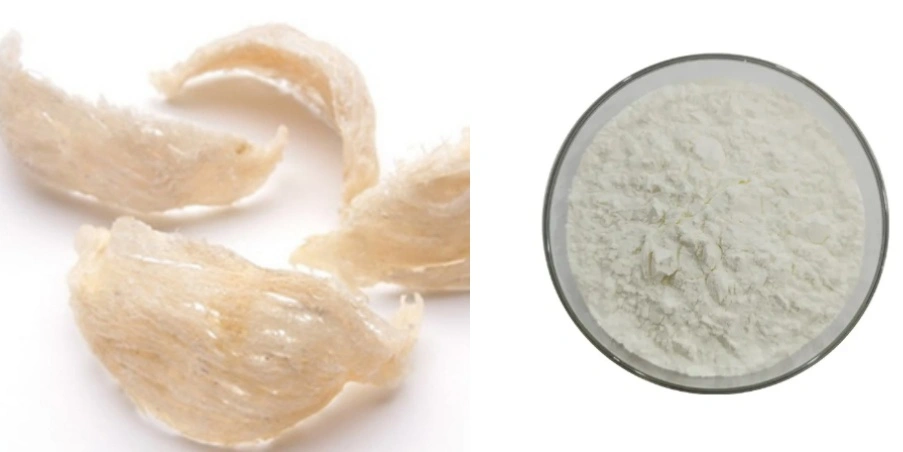
Sialic acid is a family of nine-carbon acidic sugars. Our focus is N-acetylneuraminic acid, also written NANA or Neu5Ac, which has a molecular weight of 309.27 g/mol. In nature, these sugars sit at the ends of glycoproteins and glycolipids on cell surfaces. Human milk also contains sialic acid, mostly bound to oligosaccharides and proteins rather than free, according to published nutrition reviews. Many infant nutrition studies use NANA as the reference form, so specification sheets usually name it directly. I advise buyers to confirm that a label saying "sialic acid" states NANA and an assay method, because the broad term covers several related compounds.
Why the Powder Format Works for Dry Blending
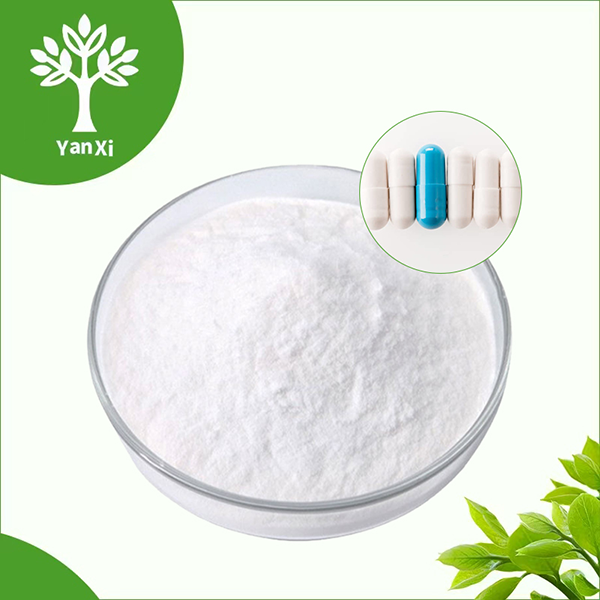
Powder fits the way most infant nutrition products are made. Dry-blending lines, premix operations, and spray-dried bases all handle powders easily. Compared with liquids, a powder is lighter to ship and easier to store. Compared with capsules, it can go straight into a premix. Our Sialic Acid Powder is a white to off-white fine powder, and 100% passes through an 80-mesh sieve, which suits premixing with other fine powders at low inclusion levels. It is also water-soluble. Powder can absorb moisture, so packaging matters. We pack it in 1 kg bags, 5 kg boxes, and 25 kg drums to suit pilot batches and production runs.
Natural, Fermentation, and Synthetic Sources
Sourcing method changes the documentation you need more than the identity of the molecule, because the target is the same NANA. Extraction from natural material, such as edible bird's nest, requires clear origin, allergen, and batch-consistency records. Fermentation-derived NANA can offer steady specifications, but buyers should ask about the production organism, culture media, and purification steps. Synthetic or enzymatic routes call for a review of reagents, by-products, and impurity profiles. Natural does not automatically mean safer. The European Food Safety Authority has assessed NANA produced by microbial fermentation, which shows that regulators judge process and purity, not origin alone. Whatever the route, compare assay, impurity data, vegetarian, halal, and kosher status, and supply continuity.
Applications of Sialic Acid Powder in Infant Nutrition
Infant Formula and Follow-On Formula
Infant formula is the highest-scrutiny use. Human milk generally supplies more sialic acid than cow's milk-based formulas, which is why researchers have studied adding it. Formulators judge suitability by target age group, product type, permitted use levels, and processing method. In the United States, infant formula falls under section 412 of the Federal Food, Drug, and Cosmetic Act, and a new ingredient needs a documented safe-use basis for that purpose. FDA facility registration, which our Sialic Acid Powder holds, does not replace that review. I suggest starting with the regulatory pathway, then testing solubility, taste, odor, and compatibility with proteins, fats, minerals, and prebiotics in the real formula.
Uses Beyond Infant Formula
Sialic acid ingredients also appear in other categories, each with its own rules. Beverage makers may add them to immunity drinks, since the powder dissolves in water. Supplement brands may use them in cognitive or wellness blends. Cosmetic teams may test them in skincare formulas aimed at moisture. A use that is acceptable in a supplement is not automatically acceptable in infant nutrition, so check each category separately. Our product information describes the powder as fine and water-soluble, with subtle natural sweetness, which suits both liquids and dry mixes. Companies that run several product lines can qualify one specification across them.
Evidence and Claims
Research on sialic acid is real, but its strength varies. Reviews such as Wang and Brand-Miller (2003) and Wang (2009) describe sialic acid in brain gangliosides and glycoproteins and discuss its link to neural development and cognition. Much of that data comes from laboratory and animal work, and human evidence is more limited. I recommend that buyers keep these tiers separate. Supplier materials may say the ingredient supports brain development or immune defense, yet a finished infant product cannot repeat those statements without proper authorization. Keep marketing language qualified, avoid disease-prevention or treatment claims, and judge an ingredient by identity, assay, stability, and safety documentation.
How to Select Sialic Acid Powder: Specifications and Risks
Core Specifications to Compare
Here are the specifications for our Sialic Acid Powder, which you can use as a baseline when comparing quotes.
| Item | Specification |
|---|---|
| Assay | 98%~99% |
| Appearance | White to off-white fine powder |
| Particle size | 100% pass through 80 mesh |
| Loss on drying | ≤5% |
| Ash content | ≤5% |
| Heavy metals | ≤10 ppm |
| Total plate count | <1000 cfu/g |
| Yeast & mold | <100 cfu/g |
| Shelf life | 24 months, sealed, proper storage |
Compare suppliers using the same test method. Assay, chromatographic purity, and total solids are not interchangeable, so ask which method sits behind "98%~99%". Infant nutrition buyers may set tighter internal limits than a general food sheet, so share your acceptance criteria early.
Documents and Certifications to Request
A full document set lets quality teams compare suppliers fairly. Request a batch-specific Certificate of Analysis, test methods, SDS, technical data sheet, allergen and GMO statements, origin information, and stability data. Our Sialic Acid Powder carries ISO, HACCP, FDA Registration, Kosher, and Halal certification, and Yanxi Biotech's quality system also holds ISO 22000 and SGS. Ask about change-control and recall procedures too, since a silent process change can shift a batch profile. Food-grade status or a certificate does not replace market approval for infant formula, so treat that approval as a separate review from the paperwork check.
Common Purchasing Risks
Most problems I see fall into five groups: unclear "high purity" wording, incomplete regulatory files, batch-to-batch variation, uncertain raw-material origin, and overstated infant claims. Simple steps reduce each risk. Test samples independently, review historical CoAs, and set incoming-inspection rules before approval. Traceability should link raw materials, production site, batch records, and labels. Ask suppliers to show that product descriptions match scientific evidence for your jurisdiction. One practical habit is to retain samples from every lot, so any later question can be traced to a specific batch. These checks take little time compared with a rejected batch or a delayed launch.
Dosage, Formulation, and Storage Guidance
Setting Use Levels
No single dosage fits every product. Final use levels depend on product category, target age, total dietary exposure, regulatory limits, and available safety evidence. For that reason, qualified nutritionists, formulators, and regulatory professionals should set the level for each finished product, not rely on a supplier's general suggestion. I do not offer a universal dose here. What we can supply is accurate specification data, so your team can calculate the real NANA contribution per serving. With a 98%~99% assay and a stated loss on drying, the math is direct, and you can adjust for moisture in your label calculations.
Blending and Processing
Low-dose ingredients need careful mixing. Weighing, sieving, premixing with a carrier, and controlled addition all help achieve uniform distribution. Next, test compatibility with proteins, minerals, prebiotics, and carriers in your actual matrix. Heat, pH, oxygen exposure, and long processing times can affect any ingredient, so validate them with stability data instead of assumptions. Run a pilot batch, then measure NANA content in the finished product at release and across shelf life. That check confirms the ingredient survives your process and gives your quality team a clear record for the file.
Storage and Shelf Life
Moisture is the main risk for any fine powder. Our Sialic Acid Powder has a 24-month shelf life under sealed, proper storage. Keep bags and drums closed, protect them from heat and light, and reseal partial packs right after use. Choose a pack size that matches your usage: 1 kg bags for lab and pilot work, 5 kg boxes for small production, and 25 kg drums for regular manufacturing. Smaller packs mean fewer container openings. Real-time or accelerated stability data from your own storage conditions can confirm packaging choices before commercial qualification.
Supplier Evaluation and Bulk Purchasing for Global B2B Buyers
Manufacturer or Distributor?
Direct manufacturers often give stronger support for custom specifications, OEM packaging, and capacity planning. Distributors may offer local inventory and smaller orders. The right choice depends on your volume and timeline. Evaluate production source, assay range, certifications, sample availability, annual capacity, lead times, export experience, and complaint handling. Also ask about third-party testing, deviation handling, and change notifications. Yanxi Biotech has researched, produced, and exported natural ingredients since 2010 to over 100 countries and regions, and we keep local warehousing in Europe and the US. That setup supports both pilot development and repeat commercial orders through one contact.
MOQ, Lead Time, and Total Landed Cost
Pricing depends on assay level, production route, certification needs, testing, packaging, order volume, destination, freight, and payment terms. Compare quotes on the same specification, Incoterm, pack format, and documentation scope. Total landed cost, which adds freight, customs, testing, and handling, tells you more than unit price. Our Sialic Acid Powder is in stock, with delivery within 1-3 working days after payment, which shortens planning cycles. Free samples are available for evaluation. Confirm trial-order flexibility, reorder schedules, and forecast-based supply options before you sign. I do not list prices here because they depend on volume and destination.
A Step-by-Step Qualification Process
A clear process lowers technical and supply risk. First, define assay, source, application, target countries, certificates, packaging, and sample acceptance criteria. Second, screen suppliers on quality systems, capacity, documents, export experience, and references. Third, test samples for identity, assay, moisture, solubility, microbiology, contaminants, and performance in your formula. Fourth, audit batch records, deviations, complaints, and recall systems, remotely or on site when appropriate. Fifth, validate a pilot batch and its packaging. After approval, schedule periodic reviews and keep a second source in mind. The best material meets your technical, regulatory, quality, and commercial needs, not simply the lowest quote.
Conclusion
Sialic Acid Powder, mainly N-acetylneuraminic acid, draws interest in infant nutrition because human milk contains sialic acid, yet the evidence differs across laboratory, animal, and human research, so claims must stay qualified. Powder suits dry blending, and natural, fermentation, and synthetic routes differ mainly in documentation and impurity profiles. Selection rests on a stated assay method, consistent specifications, batch-specific CoAs, certificates, and stability data. Infant formula needs its own market-specific safety review, which supplier certificates cannot replace. Qualified professionals must set use levels for each finished product, and storage should protect the powder from moisture. A structured qualification process, with quotes compared by total landed cost, helps buyers choose an ingredient that meets technical, regulatory, and supply needs.
FAQ
Is sialic acid the same as NANA?
Sialic acid names a family of compounds, while NANA means N-acetylneuraminic acid specifically. Check the exact identity and assay method on the specification sheet.
Is natural sialic acid safer than fermentation-derived material?
Not automatically. Documented quality, impurity data, and regulatory acceptance matter more than origin.
Can I use the powder in infant formula without further review?
No. Infant formula requires a market-specific safety and regulatory review. Certificates support that file but do not replace it.
What should I request before a bulk order?
Ask for the specification sheet, a recent CoA, SDS, certificates, origin data, and stability information. We offer free samples for testing.
How should I store the powder?
Keep it sealed and protected from moisture, heat, and light. Shelf life is 24 months under sealed, proper storage.
Request Sialic Acid Powder Samples from Yanxi Herbs
Looking for a Sialic Acid Powder manufacturer that answers quickly? Yanxi Herbs offers 98%~99% powder in stock, free samples, ISO, HACCP, FDA Registration, Kosher, and Halal certificates, and delivery within 1-3 working days after payment, with local warehousing in Europe and the US. Send your specification, target market, and annual volume to info@yanxiherbs.com, or visit yanxiherbs.com for details.
References
1. Annual Review of Nutrition, 2009
2. European Journal of Clinical Nutrition, 2003
3. Trends in Molecular Medicine, 2008
4. Glycobiology, 2012
5. EFSA Journal, 2017
6. Infant Formula Act, 1980 (Section 412 of the Federal Food, Drug, and Cosmetic Act)

Send Inquiry
Related Industry Knowledge
- How Can Bulk Fo-Ti Extract Powder Help Brands Expand Plant-Based Ingredient Product Portfolios?
- Hyaluronic Acid Powder Bulk Helps Cosmetic Manufacturers Develop Hydrating Serums, Masks, and Anti-Aging Product Lines
- Why Do Manufacturers Choose Stevia Extract Powder for Formulations?
- What Makes Chaga Mushroom Extract Powder Suitable for Beverage and Powder Blend Applications?