
What Should Buyers Check When Sourcing Octacosanol Powder in Bulk?
Nov 25, 2026
When sourcing Octacosanol Powder in bulk, buyers should check six things: chemical identity, octacosanol assay, contaminant and microbial test results, valid certifications, the supplier's manufacturing capability, and total landed cost. First, confirm that the supplier sells true octacosanol and not a blended policosanol mixture. Next, request a batch-specific Certificate of Analysis and a sample before placing a large order. Then test how the powder behaves in your formula, since octacosanol does not dissolve in water. At Yanxi Herbs, I have seen buyers avoid costly surprises when they follow these checks in order.
This guide is written for R&D, purchasing, and quality managers at supplement, functional food, sports nutrition, and distribution companies. It follows four stages: technical qualification, supplier verification, commercial assessment, and ongoing risk control.
Technical Qualification: Identity, Specifications, and Performance
Start with the material itself, because every later decision depends on it.
What Is Octacosanol Powder, and How Does It Differ From Policosanol?
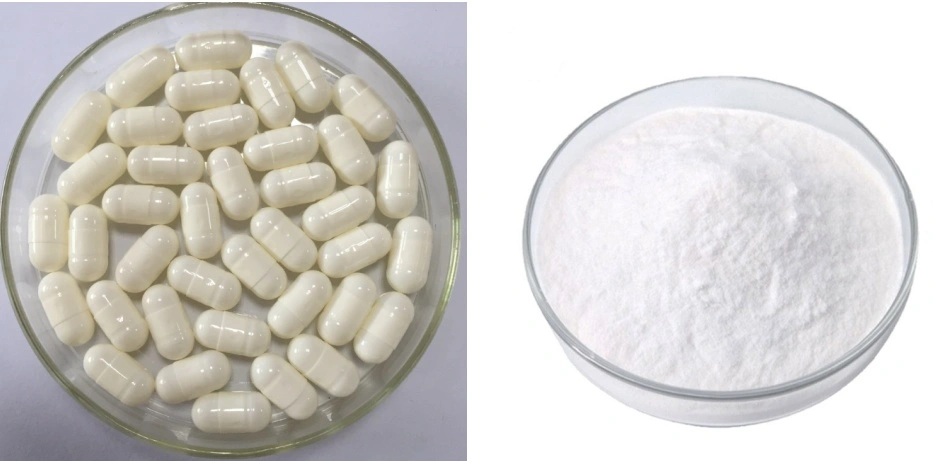
Octacosanol is a long-chain primary fatty alcohol with the formula C28H58O and a molecular weight of about 410.8. Its CAS number is 557-61-9. Policosanol is a mixture of several long-chain alcohols, and octacosanol is often its largest component. A product sold as policosanol can therefore contain far less octacosanol than a product sold as octacosanol. Ask each supplier for chromatographic data on the individual alcohols. Ask about the raw material too. Sugar cane wax, rice bran wax, and wheat germ are common sources, and each can change purity, color, odor, and traceability. Our powder is extracted from natural sugar cane wax.
Assay, Purity, and Physical Specifications
Clear numbers make suppliers easy to compare. Here is the standard specification for Yanxi Herbs Octacosanol Powder:
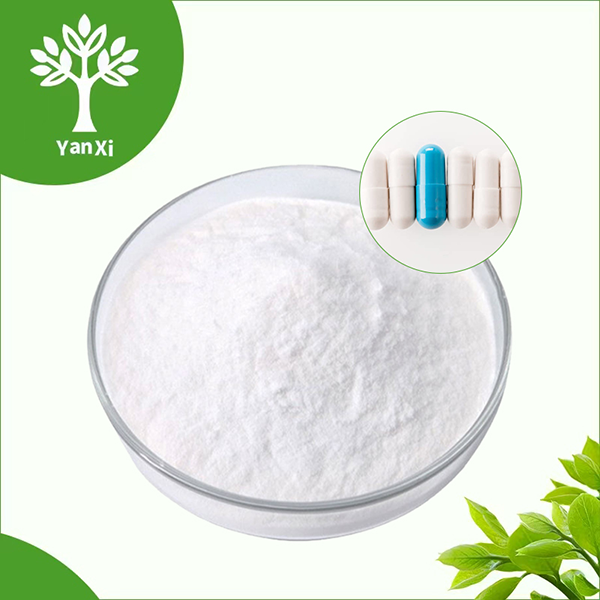
- Assay and appearance: Octacosanol content ranges from 50% to 90%, so you can match the grade to your formula. The powder is white and fine, and 100% passes through an 80-mesh sieve, which helps it blend evenly into capsules, tablets, and premixes. Ask every supplier for the same particle size data.
- Purity limits: Loss on drying is 5% or less, ash content is 5% or less, and heavy metals are 10 ppm or less. These numbers give your quality team clear written limits to accept or reject each lot at incoming inspection, and they are easy to compare across suppliers.
- Microbial limits and shelf life: Total plate count is below 1000 cfu/g, and yeast and mold are below 100 cfu/g. Shelf life is 24 months when the powder stays sealed and is stored properly, which gives your purchasing team room to plan inventory. Both limits appear in our standard specification.
Use numbers like these to build your own specification sheet, and ask every supplier to accept written limits for each item.
Solubility, Dispersion, and Stability
Octacosanol is highly hydrophobic, so it does not dissolve in water. Our powder is oil-dispersible, which suits sports nutrition formulas, energy support capsules, and fitness functional foods. For clear beverages, expect to use emulsification or a carrier such as MCT oil, and question any "water-soluble" claim that comes without data. Ask for dispersion results in a base similar to yours. The melting point sits near 80°C, so heat steps such as extrusion or baking need a trial run. Add the powder during cooling stages or protect it with encapsulation, and confirm the result with a pilot batch and a shelf-life test.
Supplier Verification: Documents, Testing, and Certifications
Paperwork shows whether a supplier can prove what it ships.
Batch-Specific Certificate of Analysis
A useful COA lists the product name, batch number, manufacturing date, test date, specification limits, actual results, test methods, and quality approval. A generic COA copied from an older batch tells you very little. Ask for the COA of the exact lot you will receive, and compare three consecutive lots to check consistency. In the United States, dietary supplement makers follow 21 CFR Part 111. For a dietary ingredient, that rule requires your own identity test, and a supplier COA cannot replace it. For other specifications, you may rely on the COA after you qualify the supplier and verify its results from time to time.
Contaminant and Microbiological Testing
Ask which contaminants the supplier tests, which methods it uses, and how often it tests. Heavy metals, total plate count, and yeast and mold form the baseline. Depending on your market and product, add pesticides, residual solvents, and aflatoxins. Because wax-derived powders go through extraction, residual solvent data deserves a close look. Check whether a third-party lab or an in-house lab ran the tests, and ask for the reports. Our specification lists heavy metals at 10 ppm or less, total plate count below 1000 cfu/g, and yeast and mold below 100 cfu/g. Compare every supplier's limits with your internal specification.
Certifications and Market Compliance
A certificate only helps when it is valid. Check the issuing body, the scope, the expiry date, and whether it covers the site that makes your powder. Our Octacosanol Powder carries ISO, HACCP, FDA registration, Kosher, and Halal certificates. Remember that FDA registration is not FDA approval, so ask what each document actually covers. U.S. importers should also know the Foreign Supplier Verification Programs rule, which requires importers to verify that foreign suppliers meet U.S. food safety requirements. Permitted uses, claims, and labeling depend on your final product, so involve your regulatory team early.
Supplier Assessment: Capability, Sources, and Consistency
Once the documents look sound, look at the company behind them.
Manufacturer, Distributor, or Trading Company
Ask who controls production and quality release. A manufacturer can answer questions about extraction, batch size, and deviations directly. A distributor or trading company adds a layer between you and the plant, which can slow complaint handling and replacement shipments. None of these models is wrong, but you should know which one you are dealing with. Ask for the production address, capacity, typical batch size, and the person who signs off each batch. Yanxi Herbs was established in 2010, researches, produces, and exports natural ingredients, and has shipped to more than 100 countries and regions.
Source Claims and Supplier Comparison
Natural origin does not automatically mean better quality. Claims such as "plant-derived" or "clean label" need paperwork, including raw material origin and extraction method. Build a weighted supplier matrix. Score assay, testing, certificates, MOQ, lead time, export experience, and technical support from 1 to 5, then multiply each score by the weight you assign. Numbers reduce opinion-driven decisions. Also compare bulk powder with finished capsules. Powder gives you dosage flexibility and private-label control, while capsules may cut your own manufacturing work.
Quality Systems and Batch Consistency
A good sample proves little, because consistency across lots matters more. Ask about incoming raw material inspection, in-process controls, deviation handling, CAPA, change control, and recall procedures. Request a factory audit or a third-party inspection when your volume justifies it. One or two pilot lots show whether the supplier can match the sample at production scale. Also ask how the supplier will tell you about a change in raw material source or process. Written change-control terms protect your formulas. Yanxi Herbs offers free samples, so your lab can test before you commit.
Commercial Assessment: Landed Cost, Logistics, and Application Fit
A fair deal depends on the full cost and on how the powder performs in your product.
Total Landed Cost and MOQ
An ex-factory quote tells only part of the story. Add packaging, testing, freight, insurance, customs duties, import taxes, and handling fees to see the true cost. Request quotes at several volume tiers, and confirm the MOQ, rush capacity, forecast terms, and whether partial shipments are allowed. A higher-assay grade can cost more per kilogram yet need a lower inclusion rate, so compare cost per milligram of octacosanol, not cost per kilogram. Record payment terms and Incoterms in the contract or pro forma invoice.
Packaging, Lead Time, and Export Support
Moisture and contamination damage powders, so check the packaging first. Our Octacosanol Powder comes in 1 kg bags, 5 kg boxes, and 25 kg drums, which covers stages from trial runs to full production. In-stock material ships within 1 to 3 working days after payment. Yanxi Herbs also offers local warehousing support in Europe and the US, which can shorten delivery to American buyers. Ask any supplier about lot labeling for traceability, export paperwork such as COAs and certificates, and which shipping terms it handles.
Matching Octacosanol Powder to Your Application
Supplement makers should test capsules, tablets, sachets, blends, and softgels for flow, stability, and label fit. Functional food and beverage producers need data on dispersibility, taste impact, heat stability, and shelf life. Sports nutrition brands should check compatibility with proteins, pre-workout blends, recovery products, and bars. For private-label or OEM projects, confirm whether the supplier offers raw material only or also supports formulation and documentation. Dosage and claims depend on your market and final product, so check them with your regulatory team.
Risk Control: Qualification Steps, Mistakes, and Final Decision
A set process turns all these checks into a decision you can defend.
A Staged Qualification Process
I suggest five steps. First, write down your needs: assay, source, grade, packaging, shelf life, target market, and application, split into must-haves and preferences. Second, pre-screen suppliers by manufacturing status, certificates, and export experience. Third, request a standard package with a sample, COA, specification sheet, SDS, process summary, certificates, and stability data. Fourth, test the sample and a pilot lot for identity, assay, contaminants, moisture, handling, and performance in your formula. Fifth, lock in specifications, change control, non-conformance steps, and delivery terms, then review supplier performance on a regular schedule.
Common Mistakes to Avoid
Choosing the lowest price can bring a lower assay, thin testing, weak traceability, or surprise freight bills. Accepting a generic COA can hide batch variation. Mixing up octacosanol and policosanol leads to wrong dosage math and labels. Taking certificates at face value is risky, so verify each one. Watch your claims too. A 2010 review in Critical Reviews in Food Science and Nutrition reported mixed results for policosanol, so keep claims within what your regulator allows. Finally, plan for supply continuity. Seasonal raw materials, limited capacity, and a single source may call for safety stock or a second supplier.
Final Scoring Model for Selecting a Bulk Supplier
Combine technical, regulatory, operational, and commercial evidence in one scorecard. Give the most weight to quality and assay, then documentation, batch consistency, manufacturing capability, landed cost, supply stability, and technical support. Adjust the weights by use. Distributors may value steady availability, supplement brands may value purity and formulation support, and regulated projects need stronger validation and change control. Add a go/no-go checklist covering identity, assay, safety testing, certificates, packaging, MOQ, lead time, sample approval, and written quality terms. A supplier that fails any must-have item should not move forward, however attractive the quote looks.
Conclusion
Sourcing Octacosanol Powder in bulk comes down to evidence at each stage. Buyers first confirm that the material is true octacosanol, not a policosanol blend, and fix the assay, particle size, moisture, and microbial limits in writing. Because the ingredient is hydrophobic, dispersion and heat behavior need testing in the real formula. Batch-specific COAs, contaminant reports, valid certificates, and U.S. rules such as 21 CFR Part 111 and the Foreign Supplier Verification Programs rule then verify quality and compliance. Supplier type, quality systems, and multi-batch consistency show whether supply will last, while landed cost, packaging, lead time, and application fit show whether the deal works in practice. A staged qualification process and a weighted scorecard turn these checks into a defensible decision.
FAQ
What should a complete COA for Octacosanol Powder include?
It should show the product name, batch number, dates, specification limits, actual results, test methods, and quality approval.
Why is Octacosanol Powder hard to dissolve in water?
Its long carbon chain makes it hydrophobic. Liquid products usually need emulsification or an oil carrier such as MCT oil.
Is octacosanol the same as policosanol?
No. Policosanol is a mixture of long-chain alcohols, and octacosanol is one of them, often the largest part.
Can I get a sample before a bulk order?
Yes. Yanxi Herbs offers free samples, and in-stock orders ship within 1 to 3 working days after payment.
Which grades and packs are available?
The assay ranges from 50% to 90%. Packs include 1 kg bags, 5 kg boxes, and 25 kg drums.
Request Octacosanol Powder Samples and Documents From Yanxi Herbs
Yanxi Herbs can support your next bulk project as an Octacosanol Powder supplier, with free samples, in-stock material, and ISO, HACCP, FDA registration, Kosher, and Halal certificates. Send your target assay, volume, and destination to info@yanxiherbs.com, and our team will reply with the specification sheet, COA, packaging options, and lead time. We also offer local warehousing support in Europe and the US. Visit yanxiherbs.com for more details.
References
1. U.S. Food and Drug Administration, Current Good Manufacturing Practice in Manufacturing, Packaging, Labeling, or Holding Operations for Dietary Supplements (21 CFR Part 111), 2007
2. U.S. Food and Drug Administration, Foreign Supplier Verification Programs for Importers of Food for Humans and Animals (21 CFR Part 1, Subpart L), 2015
3. Taylor JC, Rapport L, Lockwood GB, "Octacosanol in Human Health," Nutrition, 2003
4. Gouni-Berthold I, Berthold HK, "Policosanol: Clinical Pharmacology and Therapeutic Significance of a New Lipid-Lowering Agent," American Heart Journal, 2002
5. Marinangeli CPF, Jones PJH, Kassis AN, Eskin MNA, "Policosanols as Nutraceuticals: Fact or Fiction," Critical Reviews in Food Science and Nutrition, 2010
6. International Organization for Standardization, ISO 22000:2018 Food Safety Management Systems, 2018

Send Inquiry
Related Industry Knowledge
- How Can Bulk Fo-Ti Extract Powder Help Brands Expand Plant-Based Ingredient Product Portfolios?
- Hyaluronic Acid Powder Bulk Helps Cosmetic Manufacturers Develop Hydrating Serums, Masks, and Anti-Aging Product Lines
- Why Do Manufacturers Choose Stevia Extract Powder for Formulations?
- Stevia Extract Powder Helps Create Clean-Label Food and Beverage Products