Coconut Milk Powder for Dairy-Free Beverages, Bakery Fillings, and Instant Food Production
Nov 17, 2026
Coconut Milk Powder is a dairy-free alternative to liquid coconut milk for adding flavour and body to beverages, baked goods, and instant foods. This spray-dried powder stays the same recipe from batch to batch and can be mixed with hot or cold liquids. It also doesn't ship with extra weight from liquids. It is used in tea, coffee, and drinks made from plants by teams that make drinks. It's used to make fillings and sweets by bakers. In quick pots, it's used to make curry bases, soups, and sauces. You can trust this guide to tell you how each use works, what specs to look for, and how to choose a seller.
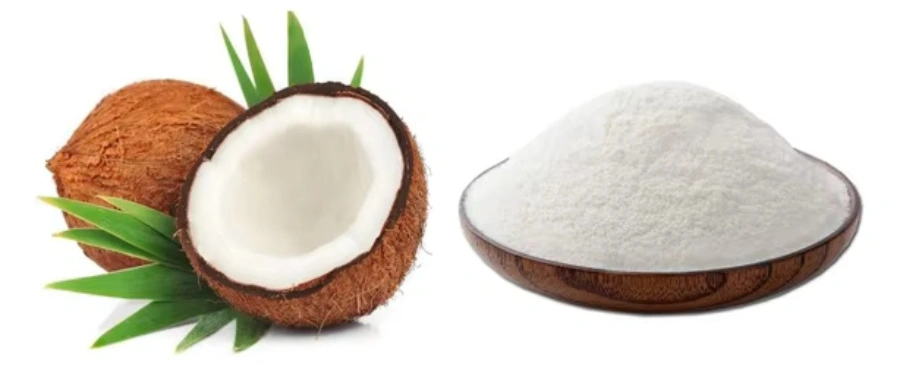
What Is Coconut Milk Powder and Why Do Manufacturers Use It?
How Does Spray Drying Turn Coconut Milk into Powder?
When coconut kernels are fully ripe, the milk is taken out and spray-dried to make coconut milk powder. When hot air dries the water, it turns into a powder that can be stored for a long time instead of a liquid that goes bad quickly. A lot of companies put something in between the coconut oil drops, like maltodextrin, to keep them safe while they dry. What it says on the package, how well it dissolves, and how it tastes all depend on the carrier you choose. Our Coconut Milk Powder comes from coconuts that are fully ripe. The powder is spray-dried to keep its creamy texture and tropical scent. For goods being sent to the US, powdered coconut milk is better because it is lighter and takes up less room. Liquid coconut milk is mostly water, so this is important.
Yanxi Herbs Product Specifications
They need numbers before they can test a sample. This is what our sheet of specs says. That's all of it that goes through an 80-mesh sieve. It's a fine, off-white powder. It loses no more than 5% when it dries, and ash does the same. Heavy metals don't go above or below 10 parts per million. The mould and yeast count stays below 100 cfu/g, and the plate count stays below 1000 cfu/g. It will last 24 months if you close it and keep it straight. This helps quality managers know what kinds of lots they can accept. It also helps R&D teams set up automatic lines that make sure the amounts are always the same.
Checking Ingredients, Nutrition, and Dairy-Free Claims
You can't tell what's in the bag by the name of the item. In some industrial powders, sodium caseinate, which comes from milk, is used to help the powders mix. This means that if a product says it is vegan or doesn't contain dairy, it needs to clearly list all of its ingredients. When we talk about our products, we describe a process that doesn't use cheese ingredients. We also send you the standard sheet so that the people on your team can check the case. According to the Codex standard for named vegetable oils, about half of the fatty acids in coconut oil are lauric acid. So, the nutritional value changes based on the amount of fat. You can find out from each provider how many calories, fat, saturated fat, carbs, protein, and sodium are in 100 grams.
Coconut Milk Powder in Dairy-Free Beverages
Coffee, Tea, and Bubble Tea Applications
Firms that make plant-based milk and bubble tea use the powder as a dairy-free creamer base because it melts fat and makes the drink feel creamy. How fast does the coffee powder mix with hot coffee? After a while, does the oil rise to the top? Keep an eye on how the flavours of tea and bubble tea mix, because coconut notes can make mild drinks or sweets taste bad. With our tiny powders, you can blend things quickly because they don't stick together when mixed. They also break down in both hot and cold beverages. Compare the two at the temperature your customers use, and record the thickness, look, and taste on a regular basis.
Ready-to-Drink Formulas and UHT Processing
Emulsions are the most stressed part of ready-to-drink drinks with Coconut Milk Powder. Whether food is hot, cold, or stored for a long time, the fat can separate. We say that the suspensions are stable in RTD formats and don't separate when they are processed at high heat or stored at cold temperatures. Test runs are important because every recipe works differently. You can test the powder with the stabilisers, sweeteners, and mineral levels that you want. Then, keep the examples for as long as they are good, and write down any changes in texture that happen when you heat them. Also, U.S. brands should look at the FDA's draft rules for 2023 on how to label plant-based milk substitutes. It has information on names and, if you want, nutrition facts. Early checks of the labels save money on the costs of reformulation later on.
Reconstitution Ratios and Dosing for Powdered Drink Mixes
For the first step, mix 1 part powder with 3 parts water to make a drink that looks and feels like coconut milk. It will be thicker and creamier if you mix 1 part powder with 1 part water. During the pilot tests, make small changes to the final dose based on how much fat you want, how strong you want the flavour to be, and how much you want to serve. When it's dry outside, an 80–100 mesh fine powder works well with other dry ingredients in dry quick drink mixes. So that the job can be done again, write down the blends' order, the time they were mixed, and the humidity level in the room. First, make sure that the film on the package keeps water out before you choose a serving size.
Coconut Milk Powder for Bakery Fillings, Desserts, and Frozen Products
Bakery Mixes, Biscuits, and Chocolate Fillings
The powder is added to chocolate fillings, cake mixes, and cookie dough by companies that make dry mixes to make them taste more tropical without adding water. Bakery goods stay crisp longer when they don't have a lot of water in them, and in a dry blend, the small things spread out evenly. If you want to see how spreadable and chewy something is, try adding different amounts of fat. Check out how the powder works with sugar, cocoa, gums, carbohydrates, and emulsifiers because they are all trying to get water. Browning, cake softness, and taste after being stored should all be written down in bake tests. The powder and the finished fillers should both have their water activity checked. This is important because even small changes in the amount of water can change the texture.
Vegan Desserts, Ice Cream, and Whipped Toppings
The powder can be used to make treats like ice cream, custards, and whipped toppings that don't contain dairy. Our product has a protein level of 10-15%, which can help frozen foods have more body and texture. Food that has been frozen needs to be carefully tested. Check how much overrun there is, how the ice melts, and how big the crystals get. Then, do freeze-thaw cycles that are like the real distribution. You can still taste the coconut in frozen bases, so choose early on if you want it to be the main flavour or something that stays in the background. Make the recipe with more than just a lab mixer. The texture and amount of air in the mixture depend on how big the batch is.
Compatibility Testing Before Scale-Up
The first step to a good scale-up is a small test plan. First, pick two or three rates of inclusion and see how they work with the dairy or liquid coconut recipe you already have. Next, look at the time it takes to hydrate. Powder needs time to fully mix into fillings and batters that are thick. Third, check the colour, smell, and shelf life at the end of the time you had planned to keep it. The free stuff we offer lets R&D teams test these things out before they buy them. Tell us your base recipe, and we'll give you a grade and test dose to begin with. Make notes on each batch so that the quality teams can keep track of how things are going.
Coconut Milk Powder for Instant Food Production
Curry Bases, Soups, and Sauces
The temperature needs to be stable for people who make a lot of curry paste, soup bases, and sauces with Coconut Milk Powder. In our product information, it says that the powder doesn't separate when it's cooked at high temperatures and stays the same thickness when it's used in automated dosing systems. That means that people who make quick food can make the same bowl of curry on day one as well as day three hundred. If you use dried mixes instead of coconut milk in a can, you don't have to open the cans, measure out the liquid, or throw away any extra. Once the powder is hot and then again after being wet, test it. Check out what happens when you add salt, acids, or spices. When the dish is done, taste screens should compare it to the standard you already have.
Flowability, Dosing, and Moisture Control
For dry-mix lines, you need powder that can move. Water is the main enemy because it sticks to coconut fat and carriers. Caking can also stop dosing when it gets stuck in hoppers. Loss on drying of 5% or less and packaging that doesn't let light or moisture in keep the powder safe while it's being shipped. You should mix in a dry room and use clean, dry tools. Also, make sure that bags that have been opened are quickly closed. If you want to know how a hopper will work, you need to look at more than just the mesh size. You also need to check the mass density and flow. During test runs on the real line, which happen a long time before full production starts, bridges, dust, and dose spread are found.
Foodservice and Portion Control
Food service workers like powder because it keeps food from going bad and makes it easier to keep track of what they have on hand. A cook doesn't have to open a can of extra food and store it. They can just mix together what they need for a meal. For small kitchens, the 1 kg bag works best. For big kitchens and factories, the 5 kg boxes and 25 kg drums work best. Follow the "first-in, first-out" rule and write on each bag the date it was opened. So that the food tastes and feels the same from shift to shift, the staff should write down how much water goes into each recipe. Food safety teams should look over COAs and papers from the seller before the powder is used in the kitchen.
Choosing, Storing, and Buying Coconut Milk Powder for B2B Production
Powder Compared with Liquid Coconut Milk and Coconut Cream Powder
For fresh kitchens that need coconut milk quickly, liquid works, but powder lasts longer, is lighter, and is easier to measure out. More coconut solids and fat are generally found in coconut cream powder, which makes it thicker and creamier. For recipes that need to be lighter or that need to save money, powder with less fat can be used. Never mix it with coconut water powder. It comes from the liquid kernel of the coconut and has sugars and salts. It does not make things creamier. You should choose the format based on more than just the price per kilogram. You should also think about how well the finished product works and how much it costs per serving. Find out what each supplier says about the amount of fat, the carrier, and how well it dissolves.
Specifications and Documents to Request
Because procurement teams, R&D managers, and quality managers all need different types of proof, it's best to get all of them early on. Ask for the batch COA, MSDS, allergy statement, and certificates. That's right, our Coconut Milk Powder is certified by the FDA, ISO 22000, HACCP, Kosher, and Halal. All orders from outside of the United States come with a COA, MSDS, and compliance papers. In January 2025, the FDA took coconut off its list of tree nuts as an allergen for U.S. labelling. However, your regulatory team should still look at current standards and your own allergy programme. Check the MOQ, lead time, records of traceability, and sample availability as well.
Storage Rules and Common Buying Mistakes
Keep sealed powder out of the sun, away from heat and strong smells, and in a room that is below 25°C, dry, clean, and cool. Quickly close any bags that have been opened and switch the stock from the first thing that comes in to the first thing that leaves. Going with the lowest quote is what most people do wrong when they want to buy something. This could mean getting something with a higher carrier share, weaker flavour, or lower yield. Also, you might be wrong to think that a coffee-grade powder can be used for mixed drinks or baked goods. Check out the test dishes and how much each finished dish costs on your real line. People who buy Coconut Milk Powder from us will get it one to three business days after they pay. This lets buyers plan their orders around when things need to be made.
Conclusion
Coconut milk powder is better than liquid coconut milk because it is lighter, less likely to go bad, and has fat that can change. It can be used to give foods a coconut taste and a smooth feel. A fine, shelf-stable ingredient can be made by spray drying. It can be used in frozen desserts, coffee, tea, ready-to-drink drinks, curry bases, soups, and sauces, but only after testing each recipe at the right temperature, level of wetness, and fat goal. It's important to list the materials because shippers decide if products are dairy-free or vegan. Specification limits, certificates, COAs, and food records give quality teams the proof they need. Keeping things in the right way protects the flow and taste. It's better to look at the price per serving than the price per kilogram when comparing prices. When the customer is clear about what they want, tries models on real equipment, and looks over papers early on, the risk of re-formulation and supply delays is lower.
FAQ
Is Coconut Milk Powder always vegan?
Not all the time. Salt caseinate, which comes from milk, is used as an emulsifier in some industrial grades. Maltodextrin or starch, which comes from plants, is used in others. Before putting a vegan claim on your label, make sure the carrier on the specification sheet is correct and ask for proof.
How do I reconstitute the powder?
Mix one part powder with three parts water to make regular coconut milk. Put together one part powder and one part water to make a cream-like soup. It spreads out better with warm water. Change the mix to get the right amount of fat and flavour after the pilot tests.
Which documents should I request?
Ask for the batch COA, MSDS, allergy statement, and certificates. We offer COA, MSDS, and compliance certificates to help you get through customs. You can also get free powder samples to give to your team and try it out first. Make sure your quality team has time to look over these papers before the first sale.
Request Coconut Milk Powder Samples from Yanxi Herbs
Looking for a Coconut Milk Powder supplier that can match your production plans? Yanxi Herbs has exported natural ingredients to over 100 countries since 2010, and our Coconut Milk Powder is in stock, with free samples and US warehouse support. Email info@yanxiherbs.com with your application, target volume, and packaging needs, or visit yanxiherbs.com for details. Our team will recommend a suitable grade and send documents for your quality review.
References
1. U.S. Food and Drug Administration, Labeling of Plant-Based Milk Alternatives and Voluntary Nutrient Statements: Draft Guidance for Industry, 2023
2. U.S. Food and Drug Administration, Questions and Answers Regarding Food Allergens (Edition 5): Guidance for Industry, 2025
3. Codex Alimentarius, Standard for Named Vegetable Oils (CXS 210-1999), 2019
4. Codex Alimentarius, General Principles of Food Hygiene (CXC 1-1969), 2020
5. Woodhead Publishing, Handbook of Food Powders: Processes and Properties, 2013
6. Woodhead Publishing, Fellows' Food Processing Technology: Principles and Practice, 2022

Send Inquiry