
How Bulk Phycocyanin Powder Creates Blue Shades in Dairy-Free Desserts
Oct 20, 2026
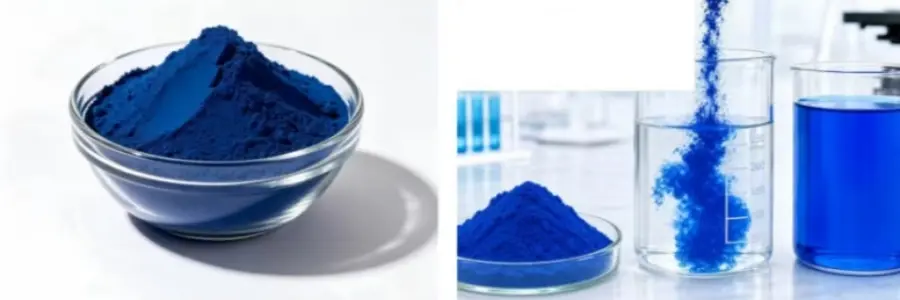
Bulk phycocyanin powder is a blue colour that can dissolve in water and is taken from whole spirulina algae (Arthrospira platensis). It adds blue to dairy-free desserts by dissolving evenly in water-based mixtures like coconut milk ice cream, agar gels, and fruit sorbets. This makes a bright, clean blue colour without any added chemicals. This natural spirulina colourant comes in grades E3 through E25 and gives plant-based products the same level of colour intensity. It meets the growing demand for clean labels in the U.S. food market because it doesn't taste fishy, has strong antioxidant qualities, and is in full compliance with FDA, ISO, Kosher, and Halal standards.
Understanding Bulk Phycocyanin Powder and Its Role in Food Coloring
What Is Phycocyanin and Where Does It Come From?
A biliprotein colour called phycocyanin is found in blue-green algae, mostly spirulina. The commercial extract has phycocyanobilin as its active chromophore. This is the molecule that gives the extract its deep blue colour. Yanxi Herbs gets the whole spirulina herb to make a fine blue powder that passes through an 80-mesh sieve completely. This makes sure that the powder mixes well in food systems. This colour, unlike synthetic Blue 1 (Brilliant Blue FCF), doesn't pose any neurotoxic risk and fits perfectly with the clean-label movement that U.S. food buyers are putting a lot of weight on.
Health Profile and Safety Standards
Phycocyanin has a safety record that is well known. Studies in reputable journals confirm that it can get rid of free radicals, which supports its growing importance in functional food design. It has a Total Plate Count of less than 1,000 cfu/g, a Yeast and Mould Count of less than 100 cfu/g, and Heavy Metals at or below 10 ppm. These numbers meet the requirements for U.S. FDA registration and foreign food safety standards. They give quality managers the proof they need to send to regulators.
Regulatory Compliance for Global Markets
For food companies exporting to multiple markets, regulatory compliance is an important consideration when sourcing Bulk phycocyanin powder. Yanxi Herbs provides spirulina-derived blue pigment supported by certifications and credentials including ISO 22000, HACCP, FDA registration, Kosher, and Halal, helping buyers evaluate the ingredient against their market-specific requirements. When purchasing Bulk phycocyanin powder, importers and distributors should verify the relevant documentation, product specifications, and applicable local regulations to ensure the ingredient is suitable for their intended applications. These quality and compliance checks can help streamline procurement and reduce avoidable delays when introducing Bulk phycocyanin powder into international supply chains. For manufacturers planning long production cycles, shelf life is another key factor. When stored in a sealed package in a cool, dark, and dry environment according to the supplier’s instructions, the product may have a shelf life of up to 24 months, subject to its specifications and storage conditions. Buyers evaluating Bulk phycocyanin powder should confirm the stated shelf life, packaging requirements, and storage recommendations before placing large-volume orders. By reviewing compliance documents and storage guidance in advance, businesses can source Bulk phycocyanin powder more confidently and maintain a reliable supply for ongoing production.
The Science Behind Creating Blue Shades with Bulk Phycocyanin Powder
Extraction Method and Purity
The colour is made using only water for extraction and centrifugal separation. No chemical solvents are used. This method keeps the protein-chromophore bond strong, so the colour intensity stays the same for grades E3, E6, E18, and E25. If the E value is high, the colour is more concentrated. Formulators can use smaller amounts of E25 to get the same visual effect in dairy-free treat bases because it has about 38% more colour depth than E18.
pH Sensitivity and Color Stability
Keeping the pH level in check is very important for colour performance in dairy-free applications. It is most stable when the pH is between 5 and 7. If the pH is less than 4.0, the protein structure may separate, which will take away the colour. The colour works well in ice creams made with coconut cream and panna cottas made with oat milk, where the pH is usually close to 7. To keep colours bright during the production process, formulators should change the buffering agents or use micro-encapsulation for systems that are only slightly acidic.
Heat Sensitivity and Processing Recommendations
Phycocyanin starts to change form above 60°C, which makes it harder for heat-processed products to keep their colour. Adding the powder after any step of thermal treatment is common in the business world. This method is called "cold-filling." This method works well with dairy-free frozen treats, chilled mousses, and no-bake sweets. Manufacturers who use cold-fill protocols say that the blue shades stay the same over the course of the product's shelf life. This helps keep the brand consistent across production batches.
Procurement Insights: Choosing the Right Phycocyanin Supplier
Evaluating Grade Specifications and Certifications
When sourcing Bulk phycocyanin powder, buyers should evaluate suppliers based on product consistency, traceability, and the availability of reliable third-party laboratory documentation. Since phycocyanin products can vary in purity, colour intensity, and protein content, procurement teams should request relevant test reports before approving a supplier. For Bulk phycocyanin powder, these documents may include microbiological test results, heavy metal analysis, and certificates confirming the product’s specified quality grade or E-value, such as E3–E25 where applicable. Buyers should also request SDS-PAGE reports when protein profile verification is necessary, and ICP-MS reports to assess heavy metal levels. These records help Quality and Regulatory Managers determine whether Bulk phycocyanin powder meets the specifications and regulatory requirements for its intended application. Before placing a large-volume order, companies should confirm that the reports correspond to the actual product and batch being supplied, rather than relying solely on general product information. A well-organized documentation package can simplify supplier qualification, reduce the risk of batch-related quality issues, and support smoother production planning. By checking these details in advance, businesses can make more informed decisions when purchasing Bulk phycocyanin powder and establish a more dependable supply process for ongoing manufacturing needs.
Packaging, MOQ, and Delivery Terms
There are three types and sizes of phycocyanin blue powder that Yanxi Herbs sells: 1 kg bags, 5 kg boxes, and 25 kg drums. All of these are made to handle both small and large amounts. Stock that is already in stock can be sent out one to three business days after payment is received. Before a big order is made, free samples can be used for R&D before the order is made. Small and medium-sized businesses may find it tough to meet the minimum order requirements when they want to try out new lines of products. This is good because it makes things easier for people to buy.
Why Long-Term Supplier Partnerships Matter
This is not a one-time thing for getting food items. Things went wrong in the supply chain in 2020 and 2022, so companies that didn't have good relationships with their suppliers had to wait a long time to get their goods. Yanxi Biotech has helped businesses in more than 100 countries with natural plant products since it began in 2010. People who buy from the business can plan their lives around how well it ships their goods. They have shops in both the US and Europe. You check the wait time, the price, and the paperwork every time you send something.
How to Use Phycocyanin Blue Powder in Dairy-Free Dessert Production
Dosage by Grade and Application Type
Here are the suggested levels of inclusion for each grade of specification:
- E3–E6: Best for products requiring a light pastel blue. Typical dosage: 0.3–0.8% by weight in the final product. Suitable for vanilla coconut milk ice cream or blue matcha powders.
- E18: Mid-intensity applications such as plant-based panna cotta or colored sugar glazes. Dosage: 0.1–0.3% by weight.
- E25: Deep, saturated blue in premium confections and beverages. Dosage as low as 0.05–0.1% by weight, reducing flavor impact.
By choosing the right grade from the start, you can avoid over-formulation and keep production costs low.
Integration Techniques for Consistent Color
Before incorporating Bulk phycocyanin powder into a food or beverage base, gradually mix the powder with a small amount of clean, room-temperature water to create a smooth premix. This pre-dispersion step helps reduce clumping and promotes more even colour distribution throughout the final product. When using Bulk phycocyanin powder in frozen desserts, add the premix at an appropriate stage before the final freezing or cold-processing step, following the formulation requirements and the supplier’s recommendations. Because phycocyanin is water-soluble, Bulk phycocyanin powder can disperse readily in aqueous formulations when mixed properly, making it suitable for applications such as beverages, clear gels, and layered desserts. However, the final clarity and colour uniformity depend on factors such as ingredient concentration, pH, temperature, and interactions with other ingredients. For manufacturers working with Bulk phycocyanin powder, preliminary compatibility tests can help identify the best mixing sequence and processing conditions before scaling up production. By controlling pre-dispersion, mixing time, and processing temperature, food producers can improve consistency and reduce visible clumps when using Bulk phycocyanin powder in commercial formulations. These practical handling measures help manufacturers achieve more predictable results when incorporating Bulk phycocyanin powder into different product bases.
Combining with Other Functional Ingredients
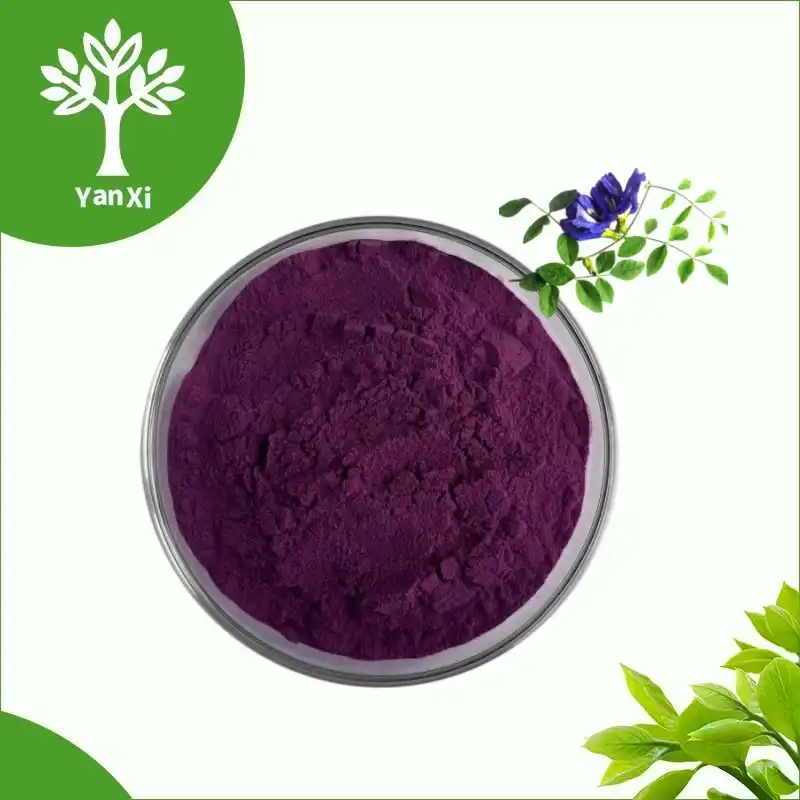
When mixed with other plant-based actives, phycocyanin works well. When mixed with antioxidant-rich plants like elderberry or butterfly pea flower extract, it can create more complex visual effects and support the product's functional nutrition story. When natural zero-calorie sweeteners like stevia are added, a clean-label dessert that health-conscious people like is made. These combinations help brands stand out without making the process of compliance paperwork more difficult.
Future Trends in Natural Blue Pigment for Food Manufacturing
Market Growth and Consumer Demand
Big View Research says that in 2023, the world market for natural food dyes was worth about USD 2.5 billion. From now until 2030, it will grow at a rate of 6.9% per year. This is because of rules about clean labels and changes in what people in Europe and North America want to buy. Real blue is hard to find, which gives phycocyanin a structural market edge that not many other plant-based colours can match.
Sustainable Extraction and Cost Efficiency
If you can grow algae better, the price of good phycocyanin will go down. Now, spirulina can be made in closed photobioreactors that have more colours per unit of biomass. This means businesses can charge less for content that is E25-grade. It's easier for purchasing managers to get deals on big orders from companies that have been around for a long time because of this trend. They can use this to figure out how much things will cost over time.
Emerging Applications Beyond Desserts
More and more useful drink mixes, high-end skin serums, and sports nutrition pills are using eco-friendly colours. Now that they can sell their goods in more than one spot, people who bring in and spread food can make more money. People in the food, supplement, and beauty industries can all buy from the same SKU line if you keep a well-known, multi-grade phycocyanin product in stock.
Conclusion
The vibrant blue colour of dairy-free treats is more than a visual feature; it can help brands differentiate their products in a competitive market. Bulk phycocyanin powder is a spirulina-derived blue pigment that food manufacturers can consider for plant-based desserts, frozen treats, and other suitable formulations. When selecting Bulk phycocyanin powder, buyers should review the ingredient specifications and allergen information rather than assuming every product is automatically allergen-free. They should also verify applicable regulatory requirements for their target markets, including the documentation needed for the United States and international distribution. Available grades may range from E3 to E25, depending on the supplier’s classification system, with different options for colour strength, purity, and packaging to suit production needs. For manufacturers purchasing Bulk phycocyanin powder, choosing the appropriate grade helps balance the desired shade, formulation performance, and overall ingredient cost. Reliable suppliers should provide relevant certificates of analysis, traceability records, and quality documentation to support product evaluation and procurement approval. As consumer interest in plant-based products and transparent ingredient labels continues to shape food development, Bulk phycocyanin powder may offer manufacturers another option for creating distinctive blue-coloured products. Before committing to a large order, food businesses should test Bulk phycocyanin powder in their own recipes to assess colour stability, pH compatibility, and performance during processing and storage. Working with a qualified, well-documented supplier helps brands source Bulk phycocyanin powder more confidently and develop visually appealing products that align with their formulation and market requirements.
FAQ
Is phycocyanin powder safe for food use in the United States?
Yes. Phycocyanin extracted from spirulina is FDA-registered and recognized as safe for food applications. It carries ISO 22000, HACCP, Kosher, and Halal certifications, meeting the documentation requirements for U.S. domestic and export markets.
What is the difference between E6 and E25 grades?
The E value refers to color intensity measured at 618nm. E25 is significantly more concentrated than E6, allowing lower inclusion rates—often below 0.1% by weight—which reduces any potential flavor contribution and lowers per-unit ingredient cost.
Does it work in acidic dairy-free dessert formulations?
The pigment performs best at pH 5.0–7.5. In systems below pH 4.0, protein precipitation may affect color stability. For acidic applications, micro-encapsulated forms or pH buffering agents are recommended to maintain color consistency.
What is the minimum order quantity?
Yanxi Herbs offers packaging starting from 1 kg bags, making it accessible for R&D trials and small production runs. Bulk volumes are available in 5 kg boxes and 25 kg drums for full-scale manufacturing.
How should the powder be stored?
Store in a sealed container below 20°C, away from direct light and moisture. Under these conditions, the shelf life is 24 months. UV exposure accelerates chromophore degradation, so light-proof packaging is recommended during storage and transit.
Partner with Yanxi Herbs for Certified Phycocyanin Supply
The next time you sell something, use a natural colorant that always works the same way. You can be sure that Yanxi Herbs will give you good Bulk Phycocyanin Powder. They have been selling plant materials for more than 14 years, and their goods are certified by ISO 22000, HACCP, Kosher, and Halal. You can also get free samples; shipping is free, and they can pack in different ways. Send an email to info@yanxiherbs.com or go to yanxiherbs.com right away to get a sample. You can be sure about your purchase this way.
References
1. Gupta, A., & Sainis, J. K. (2010). Isolation of C-phycocyanin from Synechococcus sp. Journal of Biosciences, 35(2), 255–261.
2. Grand View Research. (2023). Natural Food Colors Market Size, Share & Trends Analysis Report. Grand View Research.
3. Fernández-Rojas, B., Hernández-Juárez, J., & Pedraza-Chaverri, J. (2014). Nutraceutical properties of phycocyanin. Journal of Functional Foods, 11, 375–392.
4. Martínez, J. M., Luengo, E., Saldaña, G., Álvarez, I., & Raso, J. (2017). C-phycocyanin extraction assisted by pulsed electric field from Arthrospira platensis. Food Research International, 99, 1042–1047.
5. Spolaore, P., Joannis-Cassan, C., Duran, E., & Isambert, A. (2006). Commercial applications of microalgae. Journal of Bioscience and Bioengineering, 101(2), 87–96.
6. Stahl, W., & Sies, H. (2012). Photoprotection by dietary carotenoids: Concept, evidence, and gaps. Molecular Nutrition & Food Research, 56(2), 287–295.

Send Inquiry

Related Industry Knowledge
- How Can Bulk Fo-Ti Extract Powder Help Brands Expand Plant-Based Ingredient Product Portfolios?
- How Can Hyaluronic Acid Powder Bulk Improve Formulation Stability for Professional Skincare Brands?
- Hyaluronic Acid Powder Bulk Helps Cosmetic Manufacturers Develop Hydrating Serums, Masks, and Anti-Aging Product Lines
- Bulk Stevia Extract Powder Meets Growing Demand for Plant-Based Sweeteners