
How Can Bulk Polyglutamic Acid Powder Improve Hydrating Product Development for Cosmetic Suppliers?
Sep 25, 2026
Bulk Polyglutamic Acid Powder offers cosmetic suppliers a measurable advantage in hydrating product development. As a naturally fermented biopolymer derived from Bacillus subtilis, PGA absorbs up to 5,000 times its weight in water—surpassing hyaluronic acid by a significant margin. For R&D teams and procurement managers building next-generation moisturizers, serums, or body care lines, sourcing cosmetic-grade PGA in bulk translates directly into cost savings, formulation flexibility, and stronger product performance across diverse skin types and climate conditions.
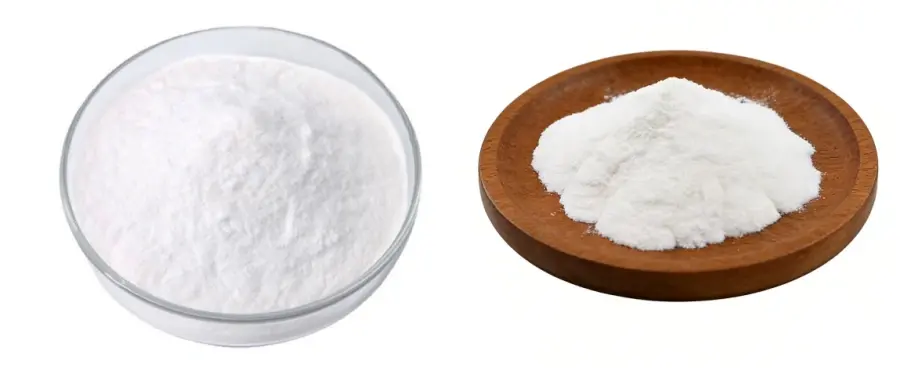
Understanding Polyglutamic Acid Powder and Its Role in Skincare
What PGA Actually Is?
Gamma-PGA is an anionic peptide that dissolves in water and breaks down naturally. It is made up of D- and L-glutamic acid units. It is made by microbes fermenting sugars, and it has a lot of carboxyl groups, which makes it very good at binding water. It safely breaks down into glutamic acid, unlike manufactured plastics, and doesn't leave any residue in the environment. Its molecular weight can be changed from less than 10 kDa for transdermal penetration to more than 700 kDa for surface film formation. This makes it one of the most useful moisturizers on the market right now.
How PGA Improves Skin Hydration?
There are two different ways that PGA works. To begin, it creates a thin, non-sticky film on the skin's surface that stops water loss through the epidermis. Second, it stops hyaluronidase from working, which is the enzyme that breaks down the skin's natural hyaluronic acid. This keeps the skin's wetness stores safe. After four weeks of daily use, a 2021 study published in the Journal of Cosmetic Dermatology found that skin barrier stability and hydration were statistically significantly better in formulas that contained gamma-PGA.
Anti-Aging and Elasticity Benefits
Low molecular weight PGA (below 100 kDa) gets into the top layers of skin and activates pathways related to collagen. This makes the skin more elastic and reduces the appearance of fine lines. The surface looks fuller because of the high molecular weight PGA. Because it has two effects, it's really helpful for brands that want to reach older skin types, since they want both short-term improvements in how the skin looks and long-term improvements in how it looks.
Bulk Polyglutamic Acid Powder Procurement: What Cosmetic Suppliers Should Know
Grade Specifications and Purity Standards
For cosmetic use, PGA needs to be at least 92% pure, have a controlled smell, and go through a lightening process that gets rid of fermentation colors. Food-grade versions usually have less purity (about 85%) and more color variation. When used in skin care products, buying below the cosmetic-grade standard leads to batch differences and the chance of skin irritation for customers. Before accepting a new seller, procurement managers should ask for a Certificate of Analysis (CoA) with every shipment and have a third-party lab test the product to make sure it is pure.
Certifications That Matter in Global Markets
Certifications are a must when buying things to sell internationally. ISO 22000, HACCP, Kosher, Halal, and ECOCERT compliance papers are some of the most important ones to check. Bacillus subtilis acts on non-GMO plant-based materials to make Polyglutamic Acid Powder, which is 100% vegan and gluten-free. These qualifications have a direct effect on whether a final cosmetic product can be sold in North America, Europe, and the Middle East in controlled markets. Never ask for documentation after sampling has been done.
Pricing, Lead Times, and Supply Chain Reliability
The price of cosmetic-grade PGA in bulk depends on the molecular weight range, the order volume, and the level of customization needed. Most of the time, suppliers with their own fermentation facilities and quality control systems can offer more stable lead times than trading companies that sell material from other companies. When planning long-term production, give priority to suppliers who can promise consistency from batch to batch and offer local warehouse support in the area you want to reach.
Integrating Bulk Polyglutamic Acid Powder into Hydrating Product Formulations
Recommended Dosage and pH Conditions
Most makeup formulas work well with PGA amounts between 0.5% and 2.0%. You can use it with most toner, serum, and cream base systems because it stays stable in a pH range from 4.0 to 12.0. For grades with a high molecular weight, mixing the powder with a polyol like glycerin before adding it to the water phase keeps it from clumping and makes sure the end product has a smooth, even structure.
Synergy with Hyaluronic Acid and Peptides
PGA and hyaluronic acid don't work against each other; instead, they help each other. PGA stabilizes HA by stopping hyaluronidase action, which is what pulls wetness from the air into the skin. The combination makes it easier to keep water in the body. PGA is also very compatible with L-ascorbic acid and retinoids. By buffering the formulation, it often lowers the irritation potential of these active ingredients. Because of this, it can be useful when added to anti-aging serums and brightening treatments.
Applications Across Product Categories
Here are the main types of formulations where large PGA makes a difference:
- Facial serums and ampoules: At 1–2%, PGA creates a non-sticky, hydrating film that consumers notice immediately after application, supporting strong first-use impressions and retention.
- Body lotions and creams: PGA's water retention capacity extends skin softness for longer periods compared to standard humectants, reducing the need for fragrance masking of tackiness.
- Hair care conditioners: When used at controlled concentrations and pH, PGA improves moisture balance in the hair shaft, though caution is advised when combining with cationic surfactants to avoid precipitation.
With these apps, you can cover a lot of SKUs under one brand, so one big order can serve a lot of different product lines at the same time.
Comparing Polyglutamic Acid Powder with Other Hydrating Agents for Procurement Decisions
PGA vs. Hyaluronic Acid
Hyaluronic acid can hold around 1,000 times its own weight in water. Polyglutamic Acid Powder can hold up to 5,000 times its own weight. PGA does more than just increase raw capacity; it also makes skin feel smoother and less sticky and stops HA degradation, which HA alone can't do. When looking at cost-per-performance, using PGA at lower amounts can get the same or better hydration results while lowering the total cost of the formulation.
PGA vs. Sodium Polyglutamate and Collagen
Sodium polyglutamate is PGA's salt form. It has some of the same benefits as PGA but dissolves and forms differently. Collagen is good for supporting barriers, but it comes from animals, which makes it hard for vegan product lines to get it and name it correctly. PGA doesn't have either of these problems because it is made through fermentation from plant materials. It also has the same or better moisturizing effects.
Selecting the Right Grade for Your Formulation
For personal care uses, the standard is cosmetic-grade PGA that is at least 92% pure and has a molecular weight that can be changed. Low MW grades are good for formulas that focus on anti-aging and penetration. High MW grades are good for making films and improving the structure right away. When the grade is matched to the product goal before it is bought, it saves money on re-formulation costs later on and keeps the product schedule on track.
Future Prospects and Trends in Bulk PGA Use for Cosmetic Suppliers
Growth in Clean-Label and Bioactive Ingredients
In the US market, people still want more naturally derived and sustainably produced skincare actives. PGA is a perfect example of this trend because it is biodegradable, doesn't cause immune reactions, and is made through green fermentation. If brands use PGA now, they can get their ingredient lists ready for more scrutiny from regulators and customers, which is only going to get tougher through 2026 and beyond.
Advances in Fermentation and Extraction Technology
The output of microbial fermentation is getting better, which is lowering the cost of making high-purity PGA and making the molecular weight more consistent between runs. This is directly important to quality managers who have previously pointed out that batch variation was a problem that made it hard to accept. The price difference between PGA and HA is likely to get even smaller as fermentation technology improves.
Strategic Sourcing Opportunity
For people who sell and import ingredients, bulk PGA is a product area that is growing in demand and doesn't have as much competition as, say, glycerin or normal HA. For wholesalers who work with more than one makeup brand, it makes sense to build a stable supply relationship now, before the market is fully saturated.
Conclusion
Cosmetic companies can use Polyglutamic Acid Powder as a technically strong, clean-label hydrating ingredient that has been shown to work in a variety of formulations. It can keep more water in the skin than most humectants, protect the moisture that's already there, and stay stable in a wide range of formulation conditions. This makes it a good choice for brands that care about performance and chemical clarity. The rising demand for bioactive, naturally derived beauty actives makes it even more important to include PGA in your list of suppliers.
FAQ
Does PGA suit all skin types?
Its film-forming qualities are light enough that they don't clog pores on acne-prone skin, and clinical data shows that it can be tolerated by all skin types.
What are the financial advantages of bulk purchasing?
Buying in bulk lowers the cost of each ingredient, cuts down on shipping times, and keeps production planning stable. Bulk PGA supply with regular lead times keeps makers from having to stop expensive production lines because of a lack of ingredients.
Is PGA compatible with vitamin C and retinol?
The answer is yes. PGA works well with L-ascorbic acid and retinoids. It can help balance the pH of products with a lot of active ingredients and lower the chance of skin irritation caused by those ingredients, which is an extra benefit for companies making high-potency treatment serums.
How should bulk PGA powder be stored?
Keep in a cool, dry place (below 25°C) with double-sealed polyethylene liners inside fiber drums. Because PGA is hygroscopic, it quickly clumps when it comes in contact with water.
Partner with Yanxi Herbs — Your Trusted Polyglutamic Acid Powder Supplier
Since 2010, Yanxi Herbs has been making and exporting natural cosmetic ingredients. Their products are certified under ISO 22000, HACCP, Kosher, and Halal standards and can be found in more than 100 countries. Our Polyglutamic Acid Powder is safe for use in cosmetics and comes in a range of molecular weights that can be changed. Each batch is always 92% pure. Our team is ready to help you with custom specifications, bulk orders, or testing of samples. To get a price right away, email us at info@yanxiherbs.com or go to yanxiherbs.com.
References
1. Bajaj, I., & Singhal, R. (2011). Poly (glutamic acid) – An emerging biopolymer of commercial interest. Bioresource Technology, 102(10), 5551–5561.
2. Shih, I. L., & Van, Y. T. (2001). The production of poly-(γ-glutamic acid) from microorganisms and its various applications. Bioresource Technology, 79(3), 207–225.
3. Kang, M. C., et al. (2014). Skin moisturizing effects of poly-γ-glutamic acid (γ-PGA) with different molecular weights. Journal of Microbiology and Biotechnology, 24(8), 1119–1126.
4. Tanimoto, H. (2007). Food applications of poly-γ-glutamic acid. Advances in Biochemical Engineering/Biotechnology, 119, 155–168.
5. Sung, M. H., et al. (2005). Natural and edible biopolymer poly-γ-glutamic acid: synthesis, production, and applications. The Chemical Record, 5(6), 352–366.
6. Do, T. H., et al. (2021). Clinical evaluation of gamma-polyglutamic acid in skin hydration and barrier function improvement. Journal of Cosmetic Dermatology, 20(4), 1198–1205.

Send Inquiry
Related Industry Knowledge
- Hyaluronic Acid Powder Bulk Helps Cosmetic Manufacturers Develop Hydrating Serums, Masks, and Anti-Aging Product Lines
- Bulk Stevia Extract Powder Meets Growing Demand for Plant-Based Sweeteners
- Stevia Extract Powder Helps Create Clean-Label Food and Beverage Products
- What Makes Chaga Mushroom Extract Powder Suitable for Beverage and Powder Blend Applications?
_1787033972542.webp)