How to Use Purple Yam Powder in Bakery, Desserts, and Beverage Production?
Nov 16, 2026
First, get a Purple Yam Powder that is 100% pure. This will help you when you bake, make desserts, or make drinks. Sieve it, then mix it with dry ingredients or let it soak in warm liquid first. To make sure you use the right amount, do small tests first. In a bakery, the flour and liquid should be changed so that they can soak up water. In sweets, spread the powder out before you add air or freeze them. Making drinks starts with a mush. Wait for it to settle down. To keep the natural purple colour safe, keep an eye on the pH, heat, and light. See what our Dioscorea alata powder is made of and read about each step below. You can also see how it goes from a sample to a bulk supply.
Know Your Ingredient Before You Formulate
Before you can make a good mixture, you need to know what each item is and isn't.
What Purple Yam Powder Brings to a Formula?
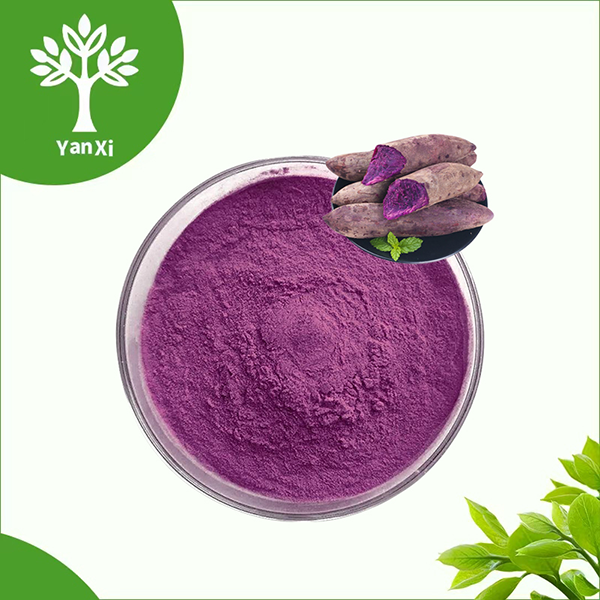
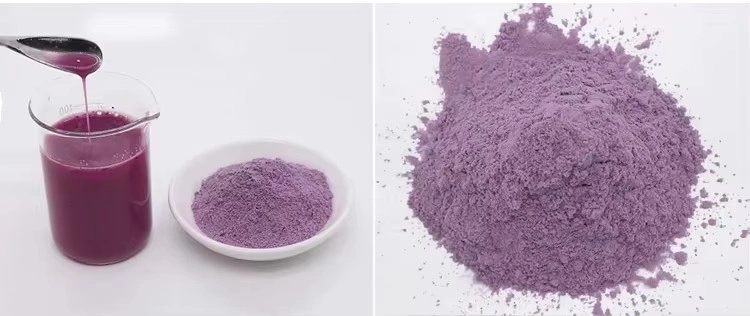
The purple yam tuber is dried out and then ground up to make purple yam powder. It naturally gives baked goods, sweets, drinks, and premixes a purple colour, a mild sweetness, and a taste that is earthy and slightly nutty. The purple colours come from anthocyanidins. This kind of colour dissolves in water and can also be found in red cabbage and berries. When they're in season, fresh potatoes go bad very fast. You have to peel, steam, and mash them before you use them. Since shelf-stable powder doesn't need those steps, R&D teams always know where to begin with each batch. Read the technical data sheet, the list of ingredients, and a batch sample before writing down the recipe. Picks are made based on facts, not guesses.
Purple Yam, Ube, Taro, and Purple Sweet Potato: Why the Name Matters
It's like "purple yam," "ube," "taro," and "purple sweet potato" are all the same thing. They don't. They are all the same kind of plant that we use as "ube" in the Philippines. Both taro and purple sweet potato can be grown as Ipomoea batatas. It can change how dough hydrates, how thick it is, and what people expect because each species has a different taste, colour, and how starch behaves. It's important to always ask for the name of the plant on the report. Plus, check to see if the powder is just yam or if it has other things in it like fillers, sweeteners, or stabilisers. Adding these things can change both how the powder is labelled and how well it works.
Our Purple Yam Powder at a Glance
These are the most important facts about our goods.
- Dioscorea alata comes from fresh purple yam tubers, which is how the plant gets its name and purity. Anthocyanin is what makes the powder work. It is made of only spray-dried yam. It does not have any chemicals or colours added to it. There is a very fine purple powder that can pass through an 80-mesh sieve. Because of this, it can be used to blend dry things and make slurry.
- ≦5% is lost when it dries, and the same amount is lost as ash. Heavy metals are less than 10 parts per million, total plate count is less than 1000 CFU/g, and yeast and mould are less than 100 CFU/g. If you store it properly and seal it, the food will last for 24 months. So, buying teams have time to plan what they will have in stock.
- There are different ways to pack it, such as in 1 kg bags, 5 kg boxes, or 25 kg drums. You can try the product for free, and after you pay, it will be sent to you within 1–3 business days. An ISO, HACCP, FDA Registration, Kosher, and Halal certificate is one of the keys. If you store things locally in the US and Europe, you can get them to you faster.
They make it clear to quality managers what is okay and give R&D teams something they can start testing with.
Applying Purple Yam Powder in Bakery, Desserts, and Beverages
Each type of product gets its own treatment because the ingredient is important in each one in its own way.
Bakery: Cakes, Muffins, Breads, and Cookies
Moon cake paste, cookies, biscuits, cakes, muffins, and breads can all be made with purple yam powder. To start, mix it with the dry ingredients to make sure it's all spread out. Because the powder soaks up water, you might need to change how much flour, liquid, sugar, or fat you use. We don't believe there is a single amount that will work for everyone when it comes to getting the right colour, taste, and look for your product. Do controlled pilot tests instead, and write down the following details: how much water is in the dough, how thick the batter is, how much it weighs, how evenly it spreads, how brown it gets, and how long it takes to bake. Also, keep an eye on the colour. Heat and a top that goes brown can change the shade of purple after it's baked.
Desserts and Frozen Products
The powder gives ice cream, gelato, custard, pudding, mousse, cheesecake, mochi, and frosting colour, body, and a yam taste. This is most important when the mix has a lot of fat or not much water. Grind or sieve the powder before adding it. That way, lumps won't get into the finished job. As the product is being made, check the structure, oxygen, overrun, freezing behaviour, syneresis, and stability in the fridge. When you mix tastes like coconut, vanilla, condensed milk, white chocolate, and nuts, you get interesting layers that still let the yam flavour stand out. Since our powder doesn't have any extra sugar, the people who make it use their own method to decide how sweet it should be.
Beverages: Bubble Tea, Smoothies, Lattes, and Ready-to-Drink Products
This is used in coffee, shakes, bubble tea, quick mixes, and drinks that are already made and ready to drink. The starch in the powder means that it doesn't mix with water to make a clear solution. To begin, make a mush with a little warm water. After that, add milk, plant-based milks, seasonings, spices, or milk. High-shear mixing helps with mixing that is uniform. See how it holds together, how it feels in your mouth, and how long the colour lasts. Formulas that are ready to drink also need to be packed, pasteurised, or UHT-treated, and tested to make sure they mix well with stabilisers. The price per cup, amount, serving size, and steps for making each drink should be set by the people who work in food service. This way, every drink will look and taste the same.
Match Your Test Checks to the Product Type
A grid that makes it easy to enter trials keeps things in order. Check how sweet, how much, how they taste, and how long they need to bake cakes and muffins. When making cakes and buns, you should check the structure of the crumb, the amount of water in the dough, how it rises, and how it ferments. Check how the ice cream and mousse foam, how they freeze, and how they taste. For drinks, check to see if they settle, disperse, refill, and stay the same over time. Teams can compare samples next to each other, choose the right grade, and give clear instructions to sales and production by writing all of these checks in one table. You can also compare sellers without having to remember how to do it.
Processing Techniques That Protect Color and Consistency
Steps that are done over and over are what make the recipe work, not just the recipe itself.
Sieving, Blending, and Pre-Hydration
Sieve the powder to get rid of any small pieces that are stuck together before you use it. It's already very fine at 80 mesh. First, mix it with powders like sugar, flour, or other things while it's still dry. Then, add liquids. It needs to be mixed with warm liquid before it can be used in a wet system so that the starch grows evenly. Don't forget to time how fast you mix and how long it takes to hydrate. Adding water changes how thick dough, batter, cream, and drinks are. It is recommended to write down the mixing order, temperature, holding time, and range of colours that can be used. This way, the method will be used every shift.
Managing pH, Heat, and Light
Where they are changes the anthocyanins they are made of. A study that has been made public says that they look red when the pH is very acidic, purple when it is close to normal, and blue or green when the pH is high. They break down over time with heat, air, and light. So, the same powder can make a fruit topping, a sour drink, and regular cake batter look different. At the end, check the pH of each thing and think about adding a buffer when the colour changes. Put the powder somewhere cool, dry, dark, and closed off. Keep things that are done out of direct sunlight.
Common Mistakes to Avoid
You might have trouble with your mix of Purple yam powder if you treat all purple powders the same or only buy based on price. If you don't change the liquid or dry ingredients, the batter might be too thick, the bread might be too dry, the volume might be low, or the texture might be mixed. The colour of the raw powder doesn't show what the finished product will look like when it's baked, heated, or stored. Instead, use samples of finished products. Powder tends to stick together when added to cold liquid, so mix the two together when they are warm instead. Also, don't believe health claims that aren't backed up. In purple yam, you can find anthocyanins. But any nutrition or marketing information you give must follow the rules of the people you want to reach, like the rules for labelling set by the US Food and Drug Administration.
Quality, Sourcing, and Scale-Up for B2B Buyers
In the world of technology, success doesn't mean much without good paperwork and supplies.
Quality and Compliance Checks
Get a Certificate of Analysis for each lot and check it against the list of things you asked for. The type of plants, the amount of water and ash, heavy metals, microbiological limits, pesticide residues, and allergen statements are all important things to look at. Our requirements say that the product must have a loss on drying of ≤5%, an ash content of ≤5%, heavy metal levels of ≤10 ppm, a total plate count of less than 1000 cfu/g, and yeast and mould counts less than 100 cfu/g. FDA's preventive controls rule (21 CFR Part 117) says that food plants that are registered with the FDA must do a hazard analysis and preventive controls. Find out how your providers handle risks, lot coding, and change control. "Organic," "non-GMO," and "gluten-free" claims need proof, not just marketing speak. Before putting them on a label, check to see what kinds of paper are out there.
Choosing a Purple Yam Powder Supplier
Choose a supplier that fits the way you buy, whether you're making something to sell, developing a product, buying in bulk, using food service, or are an OEM. You should look at where the raw materials come from, how pure they are, their specs, certificates, testing methods, pack sizes, production capacity, wait times, and how much experience the company has with exporting. It's not enough to just look at the price per kilogram. You should also think about costs like shipping, taxes, testing, storage, waste, work, and output. Yanxi Biotech has been around since 2010 and ships natural colourants, sugar substitutes with no calories, cosmetic ingredients, and ingredients for dietary supplements to more than 100 countries and regions. We make things, do research and development, and grow the things we need. Kosher, Halal, ISO 22000, and HACCP have all given us their seals of approval.
From Sample Testing to Full-Scale Production
First, write down your goals. These should list the type of product, its colour, taste, texture, serving size, how long it will last, how much it costs, and any legal requirements. Next, test both the raw materials and the finished goods to compare samples from different sources. During pilot tests, you should write down the amount of ingredients, the order in which they should be mixed, the time they should soak, the processing temperature, whether they should be baked or frozen, and the taste results. Make sure that every batch is the same, that the packaging works well, and that the product can be kept for a long time. Do more production tests. Before you start buying regularly, you should agree to a written specification, a reference sample, incoming-lot criteria, the style of the package, and a way to be notified of changes. Your team can start testing right away since we're giving them away for free.
Conclusion
In order for Purple Yam Powder to work, it is important to use the right thing and keep track of the whole process. When you buy ube, taro, or purple sweet potato, you need to make sure you get the right kind. This is because they all behave differently. Bakery, dessert, and drink goods need to go through pilot tests to see how stable, wet, and spreadable they are. When pH, heat, air, and light hit anthocyanin, it changes colour. To get the same results every time, it's important to sieve, pre-hydrate, follow standard processes, and store in the right way. There is less risk when there are written claims, Certificates of Analysis, and a step-by-step review process from the small order to the large order. The price per kilogram is not the best way to figure out value. Instead, look at the cost per finished dish.
FAQ
What dosage of purple yam powder should I use?
There is no one dose that works for everyone. The right amount of inclusion depends on your formula, the shade of colour you want, the amount of moisture in the product, and how it is made. First, make small tests and write down what you see. Then, if you need to, change the flour, liquid, or sugar.
Does the powder dissolve completely in water?
Not at all. Since it's a starch powder, it doesn't mix with water to make a clear juice. In its place, it makes a stable suspension. Mix warm liquids with high pressure to make a slurry, and check for settling before moving on to the next step.
How should I store the powder?
Keep it somewhere cool, dry, and dark that isn't near water or direct sunlight. It will last for 24 months if you store it properly and keep the lid on the bottle.
Which certificates come with the product?
The goods have certificates for ISO, HACCP, FDA Registration, Kosher, and Halal. Let us know if you need up-to-date paperwork and a Certificate of Analysis for your home.
Request Purple Yam Powder Samples and Specifications from Yanxi Herbs
Yanxi Herbs supplies 80 mesh, 100% pure Purple Yam Powder backed by ISO, HACCP, FDA Registration, Kosher, and Halal certificates. As an experienced purple yam powder manufacturer, we offer free samples, in-stock inventory, delivery within 1–3 working days after payment, and custom support. Send your application, annual volume, and packaging needs to info@yanxiherbs.com, or visit yanxiherbs.com to request a quotation and technical documents.
References
1. Biochemical Engineering Journal, 2003 – Giusti, M. M., & Wrolstad, R. E., "Acylated anthocyanins from edible sources and their applications in food systems."
2. Food Chemistry, 2009 – Castañeda-Ovando, A., et al., "Chemical studies of anthocyanins: A review."
3. Journal of Food Science, 2004 – Wrolstad, R. E., "Anthocyanin pigments—Bioactivity and coloring properties."
4. Crop Production Science in Horticulture (CABI), 2009 – Lebot, V., "Tropical Root and Tuber Crops: Cassava, Sweet Potato, Yams and Aroids."
5. U.S. Food and Drug Administration, 2015 – "Current Good Manufacturing Practice, Hazard Analysis, and Risk-Based Preventive Controls for Human Food" (21 CFR Part 117).
6. Codex Alimentarius Commission, 2020 – "General Principles of Food Hygiene (CXC 1-1969)."

Send Inquiry