
Nattokinase Powder for Dietary Supplement Formulations: Bulk Sourcing Guide
Nov 23, 2026
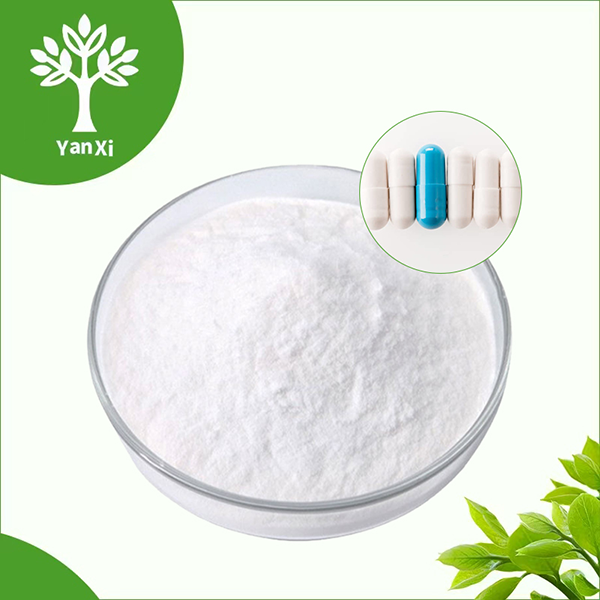
Nattokinase Powder is suitable for dietary supplement formulations, provided that the buyers confirm enzyme activity, document quality, and supply terms before ordering in bulk. A good decision begins with a clear specification, such as 20000FU/g potency, and then goes on to supplier review, sample testing, regulatory checks, and a written quality agreement. Yanxi Herbs supplies Nattokinase Powder as an off-white fine powder for capsule, tablet, and blend formulations. This guide will tell you what to ask for, how to compare suppliers, and how to avoid common purchasing mistakes so your R&D, purchasing, and quality teams can approve a reliable source with confidence.
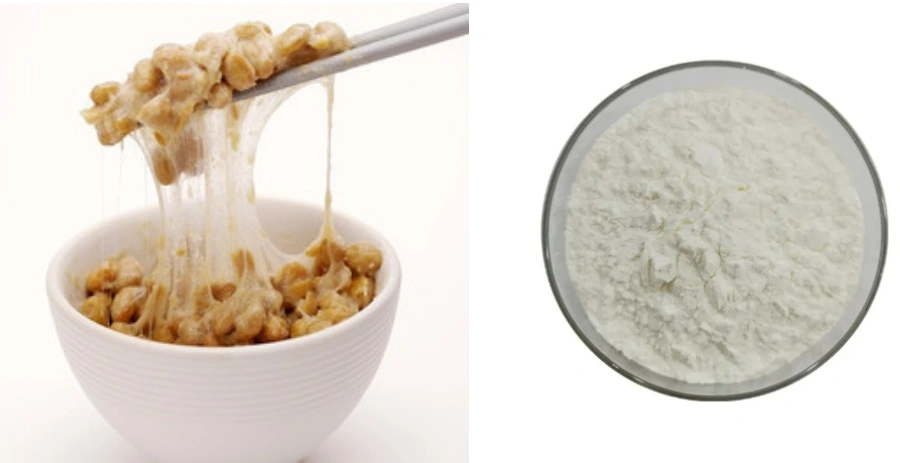
Why Nattokinase Powder Is Used in Dietary Supplement Formulations
What Nattokinase Powder Is
Nattokinase is a serine protease from the subtilisin family, with a molecular weight of about 27.7 kDa. It comes from natto, a traditional Japanese food made by fermenting soybeans with Bacillus subtilis natto. Hiroyuki Sumi and colleagues described its fibrin-degrading activity in 1987. Commercial Nattokinase Powder is made through controlled fermentation, followed by filtration, concentration, drying, and testing. Bulk powder gives brands more freedom than finished capsules. Teams can build capsules, tablets, sachets, or multi-ingredient blends from one raw material while controlling dose, excipients, and labeling.
How Activity Is Measured
Nattokinase is an enzyme, so buyers judge it by activity, not by nutrient content. Activity appears in fibrinolytic units, written as FU, and our Nattokinase Powder is specified at 20000FU/g. Laboratories may use different assay methods, such as a fibrin plate method or a chromogenic substrate method, and results can differ between them. Formulators should therefore read potency together with the assay method, serving size, and recommended use. A dose stated in FU per capsule only means something when the testing method is clear and repeatable.
Functional Properties Formulators Check
Our product information describes a stable, fine powder with no unpleasant natto odor, which helps formulas that need a clean sensory profile. It also describes the ingredient as supporting healthy blood circulation and normal blood lipid levels. U.S. brands should word such statements as structure/function claims under FDA rules. Formulators also test solubility, dispersibility, pH tolerance, and temperature sensitivity. Nattokinase is heat-sensitive, and activity falls as temperatures climb above roughly 50-60°C, so hot processing steps need careful review. Capsules, tablets, and cold or warm mixes usually fit better than hot-fill beverages.
Bulk Nattokinase Powder Specifications Buyers Should Request
Our Nattokinase Powder Specification
Clear numbers make comparison easier, so here is the specification for our Nattokinase Powder. Potency is 20000FU/g, and the appearance is an off-white fine powder. Particle size is 100% passing through an 80-mesh sieve. Loss on drying and ash content are each 5% or less. Heavy metals are 10 ppm or less. Total plate count is below 1000 cfu/g, and yeast and mold are below 100 cfu/g. Shelf life is 24 months when sealed and stored properly. These figures give quality teams a baseline for incoming-material checks and quote comparison.
Documents and Declarations to Ask For
A specification sheet alone does not complete a file. Request a batch-specific certificate of analysis showing lot number, test date, method, activity result, microbiology, and heavy metals. Ask which carriers, processing aids, flow agents, and preservatives the powder contains, and request allergen, GMO, gluten, and vegan statements. Natto starts from soybeans, and soy is one of the major food allergens under U.S. labeling law, so this declaration matters. Our Nattokinase Powder carries ISO, HACCP, FDA Registration, Kosher, and Halal certification, and we share supporting documents during qualification.
Choosing the Right Powder for Your Product
The correct choice depends on the dosage form, target market, regulatory category, and manufacturing model. Finished products can be great for smaller brands looking for a quicker launch, but bulk powder allows you more control. Look at pure powder versus carrier-based blends by looking at how potency is calculated, how the powder flows, and how clear the label is when listing each ingredient. Food grade or pharmaceutical grade are terms that differ from country to country, so don’t assume – judge by the documents. If you are going to add vitamin K2 or other ingredients, run a pilot to test blend uniformity and compatibility.
How to Evaluate a Bulk Nattokinase Powder Supplier
Technical and Quality Capability
First, what the supplier can demonstrate. Review manufacturing experience, quality procedures, raw material approval, in-process controls, and finished product release. U.S. supplement manufacturers must adhere to current good manufacturing practice under 21 CFR Part 111, so they need ingredient suppliers who document their own controls. Find out if the supplier does enzyme activity, microbiology, heavy metals, and allergen testing, and how it handles complaints and audits. Yanxi Herbs has focused on research, production, and export of natural ingredients since 2010. Our quality system is supported by ISO 22000, HACCP, SGS, Kosher, and Halal certificates.
Supply, Lead Time, and Logistics
Purchasing managers need more than just a good price. Ask about their production capacity, backup sourcing, lead times, retention samples, lot traceability, and recall procedures. Our Nattokinase Powder is available, and delivery is 1-3 working days after payment. We export to over 100 countries and regions, with local warehousing support available in Europe and the US. Pilot runs and production are available in 1kg bags, 5kg boxes, and 25kg drums. When comparing suppliers from China, the USA, or elsewhere, think about total landed cost and destination support and not just the quoted price.
A Simple Supplier Scorecard
A scorecard also makes it consistent and easy to document approval decisions. Technical points for consistent activity, solubility, stability, and testability. Earn score compliance points for things such as GMP evidence, batch-specific certificates, allergen and GMO declarations. Add commercial points like cost per activity unit, MOQ, delivery time, packing, and payment terms. End with service points, such as response speed, OEM/ODM ability, change control, and complaint handling. After sample testing and document review, rate each supplier and file the completed form in your approval file for audits.
Nattokinase Powder Quality, Safety, and Regulatory Compliance
Core Testing Before Approval
Set testing rules before you approve samples or orders. Core tests usually cover identity, enzyme activity, microbiological limits, heavy metals, moisture, and stability. Depending on the market, add pesticide, residual solvent, allergen, and GMO testing. Our specification lists total plate count below 1000 cfu/g, yeast and mold below 100 cfu/g, and heavy metals at 10 ppm or less, which your laboratory can verify on incoming lots. Retesting activity with the same assay method the supplier uses is a sound habit. It confirms the label dose and shows whether transport affected the powder.
Safety and Regulatory Review
Regulatory review should happen before launch. In the United States, supplement labels may carry structure/function statements, but the brand must notify the FDA within 30 days of first marketing and include the required disclaimer. Disease claims are not allowed. Because nattokinase acts on fibrin, people who take blood-thinning medication or have a bleeding disorder should talk with a healthcare professional first, and a cautionary label statement is common. Small clinical studies, such as one published in Nutrition Research in 2009, have examined clotting-related markers, but results should guide careful wording, not bold promises. Check rules in each export market as well.
Storage and Shelf Life
Loss of enzyme activity can occur with moisture, heat, and oxygen, so storage is as important as the original test result. Nattokinase Powder has a shelf life of 24 months when properly sealed and stored. Keep in closed containers in a cool, dry place, and reseal partially used bags promptly. In humid climates, powders can cake, so blends need consideration of carriers and desiccants. Ask supplier for expected activity at expiry, not just at release. Monitor temperature in transit and in the warehouse to ensure the certificate matches what arrives onto your filling line.
Bulk Purchasing Process: From Sample Evaluation to Commercial Order
Write a Procurement Brief and Request Samples
Begin with a short written brief listing dosage form, target market, required activity, annual volume, packaging, certifications, and launch date. Send it with a sample request. We offer free samples of Nattokinase Powder, so teams can test before they commit. Ask for the specification, a batch certificate, allergen statements, and origin information with the sample. Having these files on day one saves time for quality managers and prevents back-and-forth later. A clear brief also lets the supplier confirm whether 20000FU/g fits your planned dose and suggest suitable pack sizes.
Run Laboratory and Pilot Tests
Test the sample the way you plan to produce. Confirm activity with your chosen assay, then check blend uniformity, capsule filling, tablet compression, or dispersibility in powder drinks. Particle size matters here: our powder passes 100% through an 80-mesh sieve, which is useful for even mixing with other dry ingredients. Run a stability study that matches your packaging and storage plan, and watch for interactions with excipients or other actives. After a successful pilot, compare total landed cost, including freight, testing, and import costs, then sign a quality agreement covering specifications, change control, batch release, complaints, forecasts, and supply continuity.
Common Sourcing Mistakes to Avoid
Some mistakes keep occurring over and over. What matters is the cost per unit of activity. Comparing price per kilogram without checking verified activity can be misleading. The use of a generic certificate of analysis instead of a batch-specific certificate creates gaps in traceability. Not accounting for moisture, heat, and packaging during transport can reduce potency. Blindly trusting a GMP or food-grade claim without verifying the scope and validity of the claim is a sure way to audit trouble. If you are selling across multiple states or even countries, skipping the review of the labeling and claims before you launch can lead to expensive relabeling. Catching these things early saves money and protects the brand’s reputation.
Private Label, OEM, and ODM Options for Nattokinase Powder Products
Understanding the Three Models
The degree of customization varies from model to model. Private label is a pre-made product with your brand name slapped on it. You don’t have to wait to launch. OEM means that the supplier manufactures to your approved formula or specification. ODM adds development work such as formula design, potency adjustment, excipient selection, flavor work, dosage-form engineering, and regulatory coordination. Most distributors begin with private label, whereas established brands with their own formulas gravitate toward the OEM route. ODM may appeal to R&D teams with a new concept. Tell us about your target activity, dosage form, and market early so we can suggest the model that fits your timeline.
Packaging Formats
Packaging affects shelf life, handling, and shelf appeal. We have Bulk Nattokinase Powder in 1kg bags, 5kg boxes, and 25kg drums for pilot batches, regular production, and larger orders. Formats include jars, sachets, stick packs, capsules, or blended powders for private label or OEM projects. Formats can be discussed during project planning. The choice should be dictated by protection from moisture, oxygen, and light, because enzyme activity decreases under poor conditions. Inquire about packaging specifications, including the use of liners or desiccants. “Early packaging decisions eliminate lag time before filling starts.
Protecting Formulas and Differentiation
Write down who owns the formula, artwork, specifications, test data, and intellectual property before you start production. This protects both parties and prevents disputes after launch. Differentiation must be based on facts: verified activity, traceability, quality documents, and precise positioning. For example, a brand may focus on potency that has been batch-tested and documented origin rather than unproven health outcomes. A good supplier also maintains clean change control and informs you of any change in process, carrier, or packaging in advance. The steps offer a solid basis for long-term collaboration and repeat orders for R&D, purchasing, and quality managers.
Conclusion
Nattokinase Powder gives supplement makers a flexible enzyme ingredient for capsules, tablets, and blends, but its value depends on verified activity, not on price per kilogram alone. This guide showed that FU potency must be read together with the assay method, that specifications and batch-specific certificates set the quality baseline, and that heat, moisture, and storage affect activity. Supplier review should cover testing capability, traceability, capacity, lead time, and landed cost, while U.S. buyers must also follow GMP and labeling rules. A staged process of brief, sample, pilot test, and quality agreement lowers risk, and private-label, OEM, or ODM choices should match formula ownership and launch goals.
FAQ
Does Yanxi Herbs offer a free sample?
Yes. We provide a free sample of Nattokinase Powder so your team can run laboratory and pilot tests before a bulk order.
What pack sizes and delivery time are available?
We supply 1kg bags, 5kg boxes, and 25kg drums. The powder is in stock, and delivery takes 1-3 working days after payment.
What is the shelf life?
The shelf life is 24 months when sealed and stored properly. Keep the powder cool and dry, away from moisture and heat.
Can the powder go into hot beverages?
Heat can lower enzyme activity, especially above roughly 50-60°C. Capsules, tablets, and cold or warm mixes usually fit better, so test any beverage formula first.
Why do minimum order quantities vary?
MOQ depends on potency, packaging, customization, and supplier capacity. Ask for separate terms for samples, pilot batches, standard orders, and private-label projects.
Request a Nattokinase Powder Sourcing Consultation from Yanxi Herbs
Yanxi Herbs is a Nattokinase Powder manufacturer and exporter offering in-stock 20000FU/g material, free samples, ISO, HACCP, FDA Registration, Kosher, and Halal certification, and local warehousing support in Europe and the US. Send your target activity, application, annual volume, and destination market to info@yanxiherbs.com, and our team will reply with specifications and batch documents. Visit yanxiherbs.com for more details.
References
1. Sumi H, et al. "A Novel Fibrinolytic Enzyme (Nattokinase) in the Vegetable Cheese Natto; a Typical and Popular Soybean Food in the Japanese Diet." Experientia, 1987.
2. Fujita M, et al. "Purification and Characterization of a Strong Fibrinolytic Enzyme (Nattokinase) in the Vegetable Cheese Natto." Biochemical and Biophysical Research Communications, 1993.
3. Hsia CH, et al. "Nattokinase Decreases Plasma Levels of Fibrinogen, Factor VII, and Factor VIII in Human Subjects." Nutrition Research, 2009.
4. Jensen GS, et al. "Consumption of Nattokinase Is Associated with Reduced Blood Pressure and von Willebrand Factor, a Cardiovascular Risk Marker." Integrated Blood Pressure Control, 2016.
5. Chen H, et al. "Nattokinase: A Promising Alternative in Prevention and Treatment of Cardiovascular Diseases." Biomarker Insights, 2018.
6. U.S. Food and Drug Administration. "Current Good Manufacturing Practice in Manufacturing, Packaging, Labeling, or Holding Operations for Dietary Supplements (21 CFR Part 111)." Federal Register, 2007.

Send Inquiry
Related Industry Knowledge
- How Can Bulk Fo-Ti Extract Powder Help Brands Expand Plant-Based Ingredient Product Portfolios?
- Hyaluronic Acid Powder Bulk Helps Cosmetic Manufacturers Develop Hydrating Serums, Masks, and Anti-Aging Product Lines
- Why Do Manufacturers Choose Stevia Extract Powder for Formulations?
- What Makes Chaga Mushroom Extract Powder Suitable for Beverage and Powder Blend Applications?