
Stevia Extract Powder Provides Natural Sweetening Solutions for Brands
Sep 24, 2026
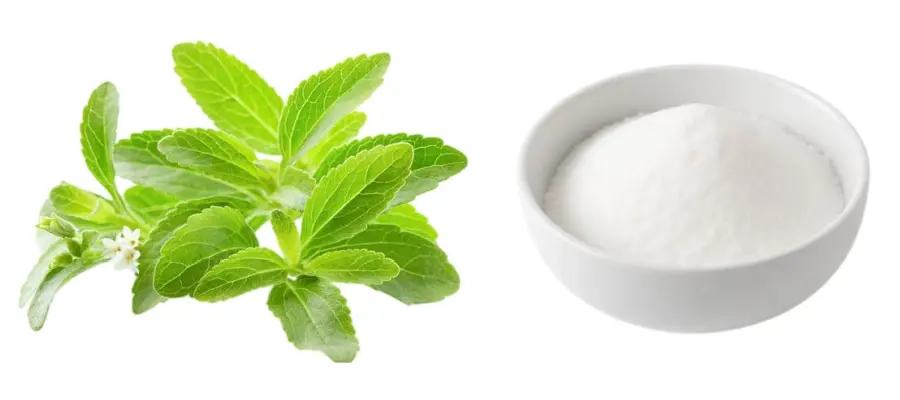
Stevia Extract Powder is a zero-calorie, plant-based sweetener derived from the leaves of Stevia rebaudiana Bertoni. Its active compounds — steviol glycosides such as Rebaudioside A (Reb A), Reb D, and Reb M — are 200 to 450 times sweeter than sucrose, yet carry no glycemic load. For brands navigating the clean-label shift and sugar-reduction mandate, this botanical ingredient checks every box: natural origin, regulatory acceptance in the US and EU, and formulation flexibility across beverages, dairy, bakery, and dietary supplements.
Understanding Stevia Extract Powder: Natural Sweetening for Modern Brands
What It Is and Where It Comes From
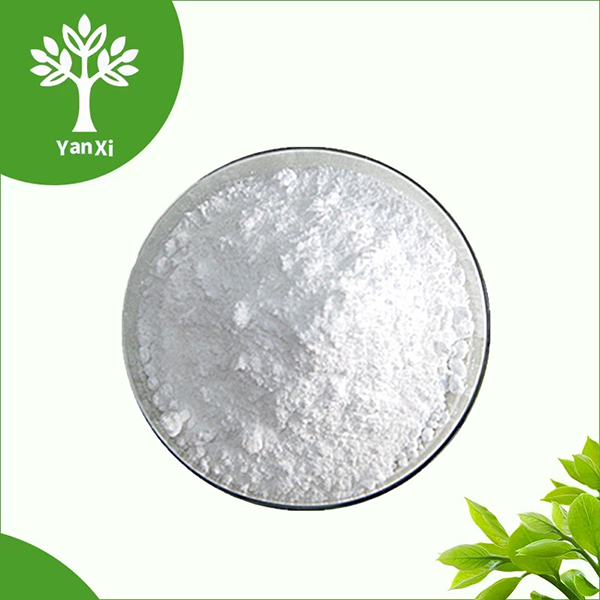
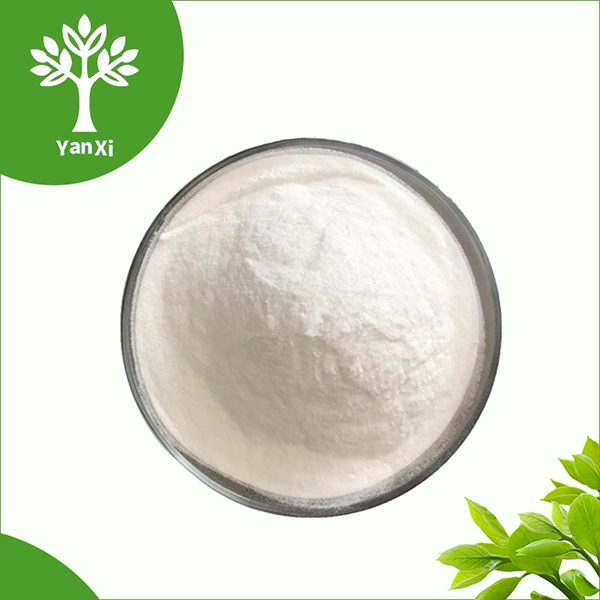
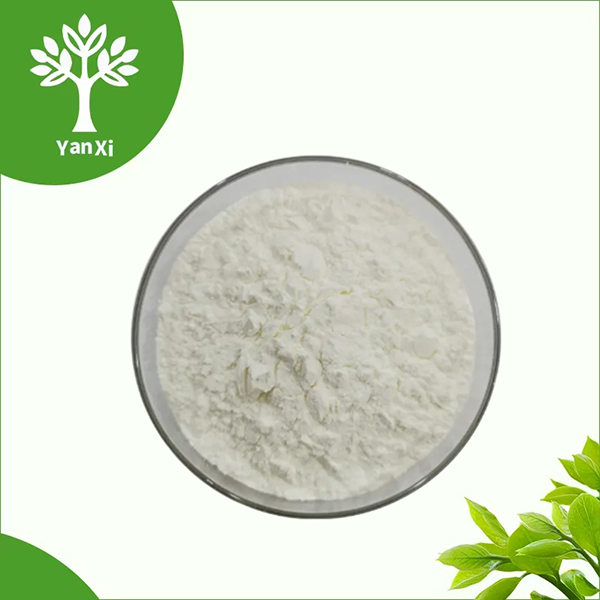
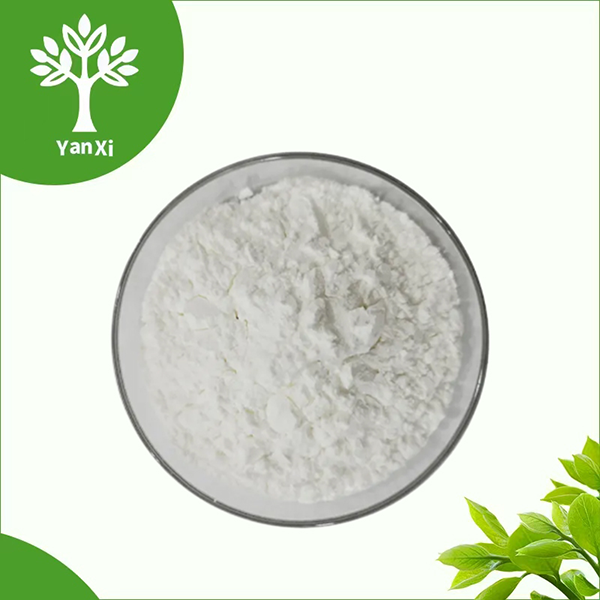
There is a bush called Stevia rebaudiana that comes back every year. It's from Brazil and Paraguay. Commercial Stevia Extract Powder is made by extracting stevia with water or ethanol, cleaning it with membrane filtration, and then separating specific steviol glycosides to levels of purity above 95% Total Steviol Glycosides (TSG). A white to off-white powder that tastes clean and sweet is all that's left.
Nutritional Profile That Matters to Brands
They have no calories and a glycemic score of 0 because the body doesn't break them down. For people over the age of 18, the European Food Safety Authority (EFSA) set a daily limit of 4 mg per kg of body weight for stevia. In other words, the FDA thinks they are safe most of the time. These standards are needed by people in charge of quality and rules to get the paperwork they need to sell their goods all over the world.
Why Extraction Grade Defines Performance?
People used to eat bitter or licorice-like stevia items that had a sour taste. Most of the time, this can be fixed with more pure grades (like Reb A above 97%) or mixes of Reb M and Reb D. These days, more modern methods are used to get rid of the bitter parts while keeping the sweet glycosides. On account of this, it can be used in delicate taste systems like vanilla cream, vitamin drinks with fruit flavors, and lemon drinks.
Comparing Stevia Extract Powder with Other Sweeteners: Making the Right Choice
Stevia vs. Sugar and Artificial Sweeteners
This is because sugar has about 4 calories per gram and affects insulin function. It can't be used in sugar-free or keto-friendly recipes. Artificial sweeteners like aspartame and sucralose are less likely to be liked because they have the word "artificial" in them. This is true even though they don't have any calories. Those other things are not the same as stevia. Because it comes from a plant, it doesn't have any calories or glucose effects. This supports claims that labels are clean.
Comparing Forms: Powder, Blends, and Liquid
Pure Stevia Extract Powder works well in baked goods that don't need a lot of water and in dry-mix recipes. Liquid simple syrups are good for making drinks because they are simple to mix. When erythritol or inulin is added, it helps brands control how sweet their products are and makes them taste better. For what it's going to be used, how sweet it needs to be, and how it's going to be made, there is a right shape.
What to Look for When Choosing a Supplier
Steviol glycoside products come in various types, and each has its own unique function. These are the things the teams should ask for:
An analysis report (COA) that says the TSG is pure and names the glycosides that make it up; A lab from outside the company checked for heavy metals, chemical residues, and the number of bacteria.
The company has been given ISO 22000, HACCP, Kosher, Halal, and non-GMO marks.
- Certificate of Analysis (COA) showing TSG purity and glycoside composition
- Third-party lab verification for heavy metals, pesticide residues, and microbial counts
- Certifications: ISO 22000, HACCP, Kosher, Halal, and non-GMO documentation
There are brands and batches that don't follow the rules, which can make it hard to keep track of when things are made and when they're sold. The papers in this set protect brands from those problems.
Application and Usage Guidelines for Stevia Extract Powder in Brand Formulations
Dosage and Sweetness Equivalency
Because these things are 200 to 450 times sweeter than sugar, they are only added to drinks in very small amounts (0.03% to 0.05% by weight). R&D teams should test different amounts of each grade and put sensory panels in different places to find the best amount of use for each one. It doesn't get sweeter when you take too much, and it might even bring back the off-note smell.
Performance Across Product Categories
There are a lot of ways to use Stevia Extract Powder. Food and supplements are two of them. It gets rid of extra calories and makes sweetened waters and sodas taste sweeter. They both taste great in yogurt and milk with extra sugar. As an added ingredient in bars, shakes, and pills, it hides the bitter taste of the plant-based ingredients that make them work. In baking and making sweets, you need ways to blend things together to make up for the extra bulk that sugar usually gives.
Compliance and Certification Requirements
There are strict rules about food safety that sellers must follow in foreign stores, the US Food and Drug Administration (FDA), and other places. There are different rules for each market that a brand must follow if they want to sell their stevia ingredient in more than one market. Certified organic goods are more valuable, especially high-end types of products for people who care about their health.
Procurement Strategies for B2B Clients: Sourcing Stevia Extract Powder Efficiently
Identifying the Right Supply Channel
Two main ways for business-to-business buyers to get plant ingredients are straight from makers or through marketplaces for global ingredients. When you work directly with a company that grows and extracts its own products, the supply chain is safer, and prices tend to be more stable. There are times when it's important to store things close by and have short wait times.
Evaluating Supplier Credibility
A buyer should think about more than just price when they need to buy Stevia Extract Powder. Here are the most important things to think about before you sign a long-term deal:– Could the seller prove that the goods went from the farm to the powder? This is known as "supply chain transparency."
If the seller has more than one batch, does he or she offer COA comparisons?- [Rules and documentation] Are all the licenses valid and easy to check? Being able to "customize" something means: "Can the supplier change the glycoside composition or make private-label specifications?"
- Supply chain transparency: Can the supplier trace material from farm to finished powder?
- Batch consistency records: Does the supplier provide multi-batch COA comparisons?
- Regulatory documentation: Are all certifications current and auditable?
- Customization capability: Can the supplier adjust glycoside composition or produce private-label specifications?
Brands don't have to worry about production or quality problems that could delay product launches when they work with suppliers of Stevia Extract Powder who meet these standards.
Negotiating Terms and Managing Costs
When you buy a lot, you can often save money. If you set up a blanket buy order and run it often, prices stay the same for a year. Before brands buy a lot, make sure that the new recipes will work well with the old ones. This is very important if they are moving service providers.
Future Trends and Opportunities in Natural Sweetening for Brands
Growing Market Demand for Clean-Label Ingredients
The world market for stevia will grow at a rate of 8.5% per year until 2030, according to Grand View Research. In 2022, it was worth around USD 714 million. A lot more care is being taken to read signs when it comes to health. Brands that change their recipes to use plant-based products do better in all shops, big and small.
Innovation in Glycoside Profiles and Blends
Stevia is still getting better because Reb A was changed to Reb D and Reb M. Before Reb M, other stevia products couldn't match the way sugar starts and ends in terms of sweetness. You can now get better mixes that are more in line with what people want for brands that make high-end drinks or sweets.
Sustainability and Supply Chain Resilience
To make the same amount of sugar, stevia needs a lot less space and water than sugar cane. Brands have a strong sustainability story when farms are vertically linked, and suppliers are clear about how they buy things. This is becoming more important for companies to report on ESG problems and for buyers to meet standards at the retail level.
Conclusion
To lower sugar, brands don't have to put fake sweeteners on the labels. There is a scientifically proven way to do this. The name of it is Stevia Extract Powder. There are many safe ways to use steviol glycosides, and they have been used for decades. One company might want to say that an ingredient doesn't have any calories, while another might want to change the way an active ingredient tastes. You can get better deals on goods if you pick the right items. The next step is to find a good supplier with quality systems that have been approved, batch records that are always the same, and real customization options.
FAQ
Is stevia extract safe for people with diabetes?
Yes. Steviol glycosides are not metabolized by the body and do not raise blood glucose or insulin levels. Studies published in peer-reviewed journals, including research in Food and Chemical Toxicology, confirm that high-purity stevia is safe for individuals with type 2 diabetes and does not interfere with glycemic control when consumed within the EFSA-recommended ADI.
What is the recommended usage level in beverage formulations?
In most liquid applications, Reb A powder at 97%+ purity is used at approximately 0.03% to 0.05% by weight to achieve sweetness equivalent to an 8 to 10% sucrose solution. Exact dosing varies by flavor system, pH, and the presence of co-ingredients. Sensory testing across at least three concentration points is standard R&D practice before finalizing a formulation.
How does stevia compare to sucralose in taste?
Sucralose has a faster sweetness onset but can leave a slightly chemical aftertaste in some consumers' perception. High-purity Reb M stevia glycosides deliver a more gradual sweetness onset and a cleaner finish that more closely resembles sugar. For flavored water and dairy applications, many R&D teams report higher consumer acceptance scores with premium stevia grades compared to sucralose.
Partner with Yanxi Herbs for Premium Stevia Extract Powder Supply
Since 2010, Yanxi Herbs has sold registered herbal goods to well-known brands all over the world. The Stevia Extract Powder we sell is something we make ourselves. Our company is ISO 22000, HACCP, Kosher, and Halal approved. Brands of food, drinks, supplements, and cosmetics can order glycosides from us and have them shipped quickly to the US and EU. The quality is always the same. Email us at info@yanxiherbs.com or visit yanxiherbs.com right now to get a sample or talk about bulk prices.
References
1. Grand View Research. Stevia Market Size, Share & Trends Analysis Report. 2023.
2. Geuns, J.M.C. "Stevioside." Phytochemistry, 2003.
3. European Food Safety Authority (EFSA). "Scientific Opinion on the Safety of Steviol Glycosides." EFSA Journal, 2010.
4. Goyal, S.K., Samsher, & Goyal, R.K. "Stevia (Stevia rebaudiana) a bio-sweetener: a review." International Journal of Food Sciences and Nutrition, 2010.
5. Prakash, I., et al. "Development of Rebiana, a Natural, Non-Caloric Sweetener." Food and Chemical Toxicology, 2008.
6. Anton, S.D., et al. "Effects of Stevia, Aspartame, and Sucrose on Food Intake, Satiety, and Postprandial Glucose and Insulin Levels." Appetite, 2010.

Send Inquiry
_1787033972542.webp)