
Instant Green Tea Powder Simplifies Large-Scale Beverage Production with Fast Dispersion and Consistent Flavor
Oct 08, 2026
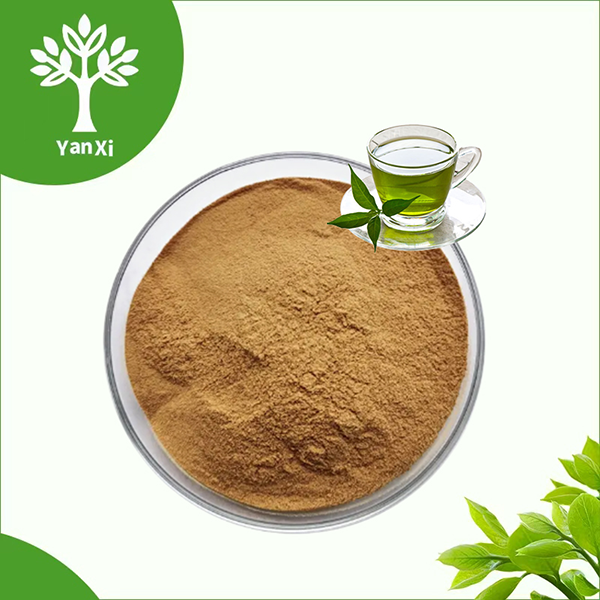
If you manage beverage formulation or ingredient procurement at scale, you already know that one unreliable ingredient can disrupt an entire production run. Instant green tea powder has become a preferred solution for manufacturers who need speed, consistency, and clean-label credibility in every batch. Derived from Camellia sinensis leaves through extraction and spray drying, this fully water-soluble extract dissolves in both hot and cold water within 15 seconds, leaving zero sediment. For high-volume beverage operations, that means fewer process interruptions, tighter flavor control, and a functional ingredient that performs the same way every single time.
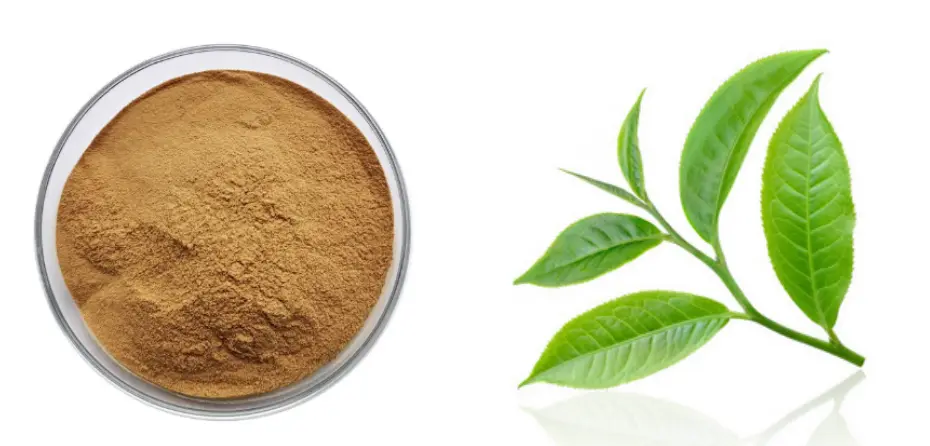
Understanding Instant Green Tea Powder and Its Industrial Advantages
On the factory floor, not all of the ingredients that go into green tea act the same way. The first step to better shopping is to understand what makes instant tea extract different from other choices.
What Makes It Different from Traditional Green Tea?
Stone-ground whole leaf that is mixed with liquid is what matcha is. Tea bags need to be steeped in hot water for a variety of times. Loose leaf is not useful at all on an industrial level. On the other hand, Instant Green Tea Powder is an extract that dissolves completely in water and makes a clear, low-turbidity solution (under 5 NTU at 1% strength). There is no sediment, smoke, or guessing from batch to batch.
Standardized Bioactive Compounds
Bioactive standardization is one of the most obvious benefits for business. Total polyphenols should be between 30% and 98% for premium grades, total catechins should be between 20% and 80%, and EGCG should be between 10% and 60% (measured by HPLC). The quality of raw tea leaves changes a lot based on when they are picked and where they are grown, which makes standardization nearly impossible without extraction processes.
Physical Parameters That Support Production
The powder usually has less than 5% moisture, a bulk density of 0.30 to 0.45 g/ml, and particles bigger than 80 mesh. These specifications directly support high-speed blending systems and automated dosing systems, which cuts down on the time needed for manual adjustments and boosts line throughput.
How Instant Green Tea Powder Addresses Common Production Challenges?
When making traditional tea, production teams often run into problems like ingredients that don't dissolve quickly, flavor changes between batches, and problems with cold water. To put it in real words, spray-dried green tea extract fixes all of these issues.
Fast Dispersion in Cold and Hot Applications
Premium Instant Green Tea Powder melts fully in water as cold as 4°C. For ready-to-drink (RTD) beverage lines that work at cool temperatures, this cold-water solubility (CWS) is very important. When conventional tea concentrates get cold, they often turn into "tea cream" haze, which makes the tea look bad and leads to quality rejections. This problem is solved by the spray-drying process, which creates a powder structure that is porous and designed to absorb liquid quickly.
Consistent Flavor Across Every Run
One of the main issues from beverage R&D teams that buy green tea is that the flavors don't always match up. Because the process of extraction standardizes and focuses the soluble solids, every batch of instant green tea extract has the same amount of sourness, fresh green note, and color. This gets rid of the need to make taste adjustments in the middle of production, which costs time and raw materials.
Extended Shelf Life and Simplified Storage
As long as the powder's moisture level stays below 5%, microbes can't grow in it and it stays chemically stable while it's being stored. When compared to liquid tea concentrates, which need to be kept cold and have a much heavier freight weight, dry instant extract cuts logistics costs by up to 90% per volume equal. This is helpful for buying managers who are in charge of budgets for imports.
Comparing Instant Green Tea Powder with Other Green Tea Forms for Procurement Decisions
Procurement teams need to look at more than just price per kilogram when choosing green tea ingredients. They also need to look at the total value of the production.
For business buyers, these are the most important things to look at when comparing:
- Instant Green Tea Powder vs. Matcha: Matcha remains in suspension and settles over time, creating inconsistency in RTD applications. Instant extract produces a transparent, stable solution with no particle settling, making it better suited for bottled beverages and functional drink formats.
- Instant Green Tea Powder vs. Green Tea Bags: Bags require controlled steeping temperature and time. At production scale, this adds equipment complexity and introduces thermal variability. Instant extract bypasses brewing entirely.
- Instant Green Tea Powder vs. Liquid Concentrates: Concentrates demand refrigerated transport and have a shorter shelf life. The dry powder format ships at ambient temperature, cuts freight costs significantly, and stores for 24 months under standard conditions.
Because of these benefits, quick tea extract is the best choice for large-scale uses. In addition to checking the format, buyers should check the caffeine levels—standard grades range from 3% to 7%, and decaffeinated options are available at less than 0.5%—and see if their target market needs organic certification.
When you sign a long-term contract with a seller, you can't change the bulk price, minimum order quantities, or the ready-to-go paperwork, such as Certificates of Analysis, MSDS, and customs-compliant export paperwork.
Best Practices for Using Instant Green Tea Powder in Beverage Production
To get the most out of green tea extract, you need to pay attention to how it is mixed, how much you take, and how it is stored.
Mixing Techniques and Equipment
Dissolving Instant Green Tea Powder is fastest and most even when high-shear mixers and inline powder induction systems are used. If you add the powder to tanks with little movement, it might clump up in certain areas, even if the grade is high for solubility. If you don't have high-shear tools, mix the powder with a small amount of water first before adding it to the main tank.
Dosage Control for Flavor Accuracy
Rates of use in RTD drinks usually fall between 0.1% and 0.5% by weight, but this can change depending on the polyphenol requirements and the level of flavor intensity that is wanted. When compared to manual scooping, which adds variation due to human error, precise dosing with automatic weigh systems leads to closer Brix and flavor panel scores. Always check the readings against a standard that comes with the certificate of analysis from the supplier.
Quality Control and Shelf Life Management
Keep packages that have been sealed in a cool, dry place that is out of direct sunlight. After opening the package, put it back together right away and use it within a certain amount of time, as per your quality protocol. Check the sediment and pH levels during the process to make sure that batches are aligned with each other. Talk to your source about pH-stabilized grades for acidic formulations like lemon or citrus drinks to make sure the color stays true in low-pH circumstances.
Future Trends and Innovation in Instant Green Tea Powder for B2B Beverage Markets
The market for tea ingredients that do useful things is growing. Grand View Research says that the global market for green tea extract was worth more than USD 840 million in 2022. RTD and functional beverage uses grew demand the most. There are a number of trends that will affect choices about buying over the next three to five years.
Encapsulation Technology for Stability
Through UHT processing, nano-encapsulation and taste protection technology are making EGCG and other catechins more stable at high temperatures. This makes it possible for shelf-stable healthy beverage lines to include more green tea than was possible before because of thermal breakdown.
Clean-Label and Organic Demand
A "100% Green Tea Extract" claim can be made by brands that are making products for health-conscious customers. These brands need ingredients that don't have any fillers like maltodextrin. In the U.S. natural channel, certified organic versions are becoming more popular, and sellers must have legal USDA Organic and EU Organic equivalency.
Supplier Alignment with Compliance Standards
As government regulations on botanical products get stricter, buyers are giving more weight to sellers who are ISO 22000, HACCP, Kosher, and Halal approved. More and more, proof of traceability and testing for pesticide residues up to EU MRL levels are being asked for right away in RFQ processes.
Conclusion
When vitamin and drink companies make a lot of Instant Green Tea Powder products, ingredient performance is not a choice; it's the norm. Instant green tea extract has uniform bioactive content, fast dispersion, and taste stability from batch to batch that raw tea forms just can't match. It can be mixed with cold water, stays stable at low moisture levels, and works with clean labels, which makes it a good choice for RTD teas, functional drinks, and food supplements. In the U.S. market, there is a growing need for traceable, certified botanical ingredients. To make sure the production cycle goes smoothly, it is important to work with an experienced supplier who has the right paperwork and can deliver on time.
FAQ
How fast does instant green tea extract dissolve compared to matcha?
Premium spray-dried green tea powder dissolves completely in water at temperatures as low as 4°C within 15 seconds, leaving no sediment. Matcha, by contrast, remains in suspension and settles over time without agitation, making it less suitable for RTD bottled applications.
Can instant green tea powder qualify for organic certification?
Yes. Organic-certified versions are available and comply with both USDA Organic and EU Organic standards, depending on the supplier's certification scope. Buyers should request valid organic certificates alongside the standard COA during procurement.
What should bulk buyers review before placing a large order?
Key documents to request include the Certificate of Analysis (COA), MSDS, pesticide residue test report (to EU or U.S. standards), allergen declaration, and any applicable Kosher, Halal, or organic certificates. Confirm the MOQ, lead time, and whether export-ready documentation is provided.
Is caffeine content adjustable?
Yes. Standard grades contain 3% to 7% caffeine. High-caffeine and decaffeinated (<0.5%) versions are available, allowing formulation flexibility for energy drinks, sleep-support beverages, or caffeine-sensitive product lines.
Does the powder work in acidic beverages like lemon-flavored drinks?
Green tea catechins are sensitive to low pH environments, which can affect color stability. Specialized pH-stabilized grades or targeted acidity regulators are recommended for citrus applications. Consult your supplier for formulation guidance specific to your target pH range.
Partner with Yanxi Herbs for Premium Instant Green Tea Powder Supply
Since 2010, Yanxi Herbs has been making and sending botanical ingredients to more than 100 different countries. Our company is a reliable source of Instant Green Tea Powder. We provide standard polyphenol specifications, full certification paperwork (ISO 22000, HACCP, Kosher, Halal), and flexible custom formulation support. You can email our team at info@yanxiherbs.com or visit yanxiherbs.com right now to get samples or bulk prices.
References
1. Grand View Research. (2023). Green Tea Extract Market Size, Share & Trends Analysis Report. Grand View Research.
2. Khan, N., & Mukhtar, H. (2013). Tea and Health: Studies in Humans. Current Pharmaceutical Design, 19(34), 6141–6147.
3. Cabrera, C., Artacho, R., & Giménez, R. (2006). Beneficial Effects of Green Tea — A Review. Journal of the American College of Nutrition, 25(2), 79–99.
4. Food and Drug Administration. (2022). Guidance for Industry: Botanical Drug Development. U.S. Department of Health and Human Services.
5. International Organization for Standardization. (2018). ISO 22000:2018 — Food Safety Management Systems. ISO.
6. Xing, L., Zhang, H., Qi, R., Tsao, R., & Mine, Y. (2019). Recent Advances in the Understanding of the Health Benefits and Molecular Mechanisms Associated with Green Tea Polyphenols. Journal of Agricultural and Food Chemistry, 67(4), 1029–1043.

Send Inquiry
Related Industry Knowledge
- Hyaluronic Acid Powder Bulk Helps Cosmetic Manufacturers Develop Hydrating Serums, Masks, and Anti-Aging Product Lines
- Bulk Stevia Extract Powder Meets Growing Demand for Plant-Based Sweeteners
- Why Do Manufacturers Choose Stevia Extract Powder for Formulations?
- Stevia Extract Powder Helps Create Clean-Label Food and Beverage Products
_1787033972542.webp)